
cat health

  • What Foods Can Cat Not Eat

    Cats face serious health risks from certain foods. Some foods are toxic to them. Chocolate, onions, garlic, grapes, and anything with xylitol can cause poisoning. These foods lead to vomiting and could even be fatal. Fatty foods and dairy can upset their stomachs. This may result in diarrhea and discomfort for your cat. Always check food labels for harmful ingredients. Avoid raw foods too. They may carry bacteria that harm both cats and humans. Understanding safe foods is very important. Keeping your cat healthy is a top priority.

  • How Long Can Cat Live Without Eating

    A healthy adult cat can live without food for about 1 to 2 weeks. After 24 hours without eating, problems may begin. In 3 to 4 days, serious issues like hepatic lipidosis can occur. Kittens are more vulnerable. They can get sick in just 12 hours without food.

    Watch your cat closely if it stops eating. Look for strange behavior or weight loss. Knowing these timeframes is important for your cat’s health. Acting quickly can help avoid serious problems. Always provide fresh food and water. This keeps your cat happy and healthy.

  • Can My Cat Eat Raw Salmon

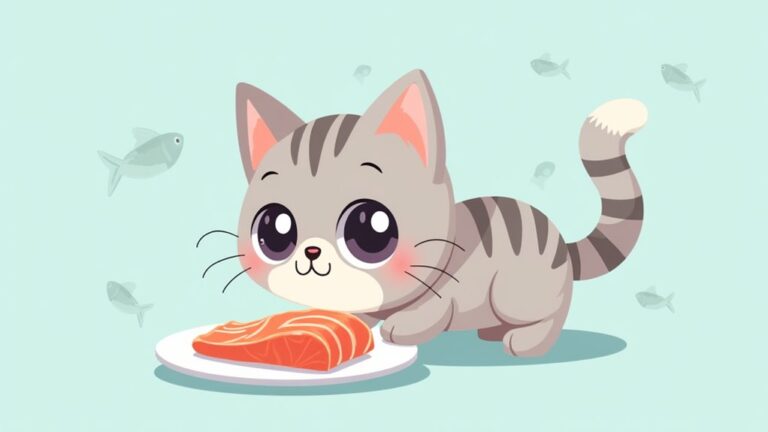
    Feeding your cat raw salmon is risky. Raw salmon can carry harmful parasites and bacteria, like Salmonella. These can make your cat very sick or even cause death if untreated. Salmon bones are also dangerous. They can choke your cat or hurt its stomach.

    It’s safer to cook salmon thoroughly. Remove all bones before serving. You can give your cat small pieces as a treat. Limit this to 1-2 times a week. This way, your cat can enjoy salmon without the risks. Want to know more about safe ways to add salmon to your cat’s meals?

  • Can My Cat Eat Raw Meat

    Feeding cats raw meat carries risks. Raw meat can have harmful bacteria like Salmonella. It might also contain parasites such as Toxoplasma. Freezing the meat for three days helps reduce some risks. Always wash your hands and surfaces after handling raw meat.

    A balanced diet is important for your cat’s health. Raw meat should not be the only food. Cooked meat is a safer option. Freeze-dried meat is another good choice. These provide balanced nutrition without the dangers of raw meat. Always learn about safe feeding practices to keep your cat healthy.

  • Can House Cat Eat Raw Fish

    Feeding your house cat raw fish can be risky. Fish provides protein and omega-3s, which are good for cats. But raw fish can also have dangers. It may contain mercury, bacteria, and parasites. Some raw fish has thiaminase. This can be harmful to your cat.

    To keep your cat safe, cook fish to 145°F (62.8°C). Freezing fish for three days can kill parasites. Always remove bones before serving. Avoid adding harmful seasonings.

    For safer options, consider cooked fish or fish-based cat food. These choices provide the benefits without the risks. Remember to consult your vet for more tips on feeding your cat. Keep your furry friend healthy and happy!

  • Can Domestic Cat Eat Raw Meat

    Feeding domestic cats raw meat carries risks. Raw meat can contain harmful bacteria such as *E. coli* and *Salmonella*. These germs can make your cat very sick. Feeding raw meat might also cause nutritional imbalances. Cats can suffer from thiamine or calcium deficiencies if they lack certain vitamins and minerals.

    Bones can splinter, leading to injuries in your cat’s mouth or digestive system. Parasites like *Toxoplasma* can be a health risk too. These parasites can affect both cats and humans.

    If you decide to feed your cat raw meat, take precautions. Use separate utensils for meat. Always wash your hands after handling raw food. Never leave raw meat out for more than two hours. Keeping your cat healthy is important.

  • Can Cat Throw up From Eating Too Fast

    Cats can throw up if they eat too fast. Gulping food without chewing can stretch their stomach. This stretching may cause them to vomit. You might see your cat finish meals in under two minutes. That’s a sign to watch out for. Other signs include a bloated belly or anxious begging.

    To help your cat, try slow feeder bowls. These bowls make them eat more slowly. Giving smaller, more frequent meals can also help. If your cat keeps vomiting, see a veterinarian. They can check for health issues. Keeping your cat healthy is important.

  • Can Cat Have Eating Disorders

    Cats can suffer from eating disorders. Anorexia is one type where a cat loses its appetite completely. Pseudo-anorexia happens when a cat wants to eat but can’t due to pain.

    Not eating for 12 to 24 hours is serious. It’s important to get help from a vet right away. Obesity is another issue. It can lead to diabetes and joint problems.

    To help your cat, create a calm place for meals. Watch what and how much your cat eats. This can make a big difference. Understanding these issues is key to keeping your cat healthy.

  • Can Cat Get Sick From Eating a Mouse

    Cats can get sick from eating mice. Mice are not just a snack; they can carry harmful parasites. Tapeworms are one example. Bacteria can also cause diseases in cats. Another risk is rodenticides. Mice may eat poison, and then your cat eats the mouse. This can lead to serious symptoms like vomiting and weakness.

    Small bones in mice can cause internal injuries too. Your cat might not show signs right away. Regular vet check-ups are important. Watch your cat closely for any changes in behavior. Stay aware of these risks to keep your furry friend safe. Consider preventive care and tips to protect your cat from harm.

  • Can Cat Get Bird Flu From Eating Birds

    Cats can get bird flu from eating raw or undercooked birds. This illness can be very serious. Symptoms include trouble breathing, fever, and stomach problems. The virus can be deadly, with a high mortality rate of up to 90%.

    To keep your cat safe, keep them indoors. Feed them only cooked food. Avoid letting them near sick birds. Learning about bird flu helps protect your pet. Stay informed on prevention and symptoms to keep your cat healthy.

  • Can Cat Eat Wheat Grass

    Cats can eat wheatgrass, but moderation is key. Start with a few blades each day. Too much can upset their stomachs. Watch for signs like vomiting or diarrhea. Always select organic wheatgrass. This ensures it’s free from harmful chemicals. Wheatgrass can offer some nutritional benefits for cats. It’s a fun treat that many cats enjoy. Just make sure to monitor their reactions to keep them safe!

  • Can Cat Eat Weed

    Cats should not eat weed. It is toxic for them and can cause serious health problems. Signs of marijuana exposure include staggering, tiredness, and confusion. Cats may also show physical symptoms like dilated pupils, drooling, vomiting, and changes in heart rate. Eating cannabis, especially in edible forms, can lead to seizures or other neurological issues.

    Store marijuana safely, out of reach from pets. Educate others about these risks. Be aware of what your cat can access. Keep your furry friend safe and healthy.