
Can Cat Eat Catnip
This post contains affiliate links. As an Amazon Associate, we earn from qualifying purchases.
Yes, cats can eat catnip, and it’s safe when given in moderation. While most kitties enjoy it, excessive consumption can lead to stomach upset, vomiting, or diarrhea. It’s best to start with small amounts and limit play sessions to 10-15 minutes. Dried catnip can be used on toys or fresh plants for an enjoyable experience. Some cats may become overly excited, while others may not respond at all. For those interested in the benefits and effective ways to use catnip, further details will be provided later in the article.
Essential Facts in 30 Seconds
- Cats can safely eat catnip; it is non-toxic.
- Excessive consumption may cause mild stomach upset, vomiting, or diarrhea.
- Introduce small amounts of catnip to observe your cat’s reaction.
- Catnip can enhance playfulness and help calm anxious cats when used moderately.
- Choose organic catnip to avoid harmful pesticides.
Safety of Catnip for Cats
Catnip is safe for cats, but it’s important to use it wisely. This herb isn’t toxic. However, too much can upset their stomachs, causing vomiting or diarrhea. Use catnip in moderation.
Start with small amounts. Watch how your cat reacts. Limit play sessions to about 10 minutes. This gives them time to relax afterward.
Store catnip in an airtight container. Freezing it can help keep it fresh.
Most cats know when to stop. They usually don’t overeat. Wait a few days between sessions to keep their interest alive.
If your cat acts aggressively or behaves strangely, talk to a vet. By being careful with catnip, you can give your cat a fun and safe experience. Additionally, small amounts of catnip can serve as a natural remedy for digestive issues.
How Catnip Affects Cats
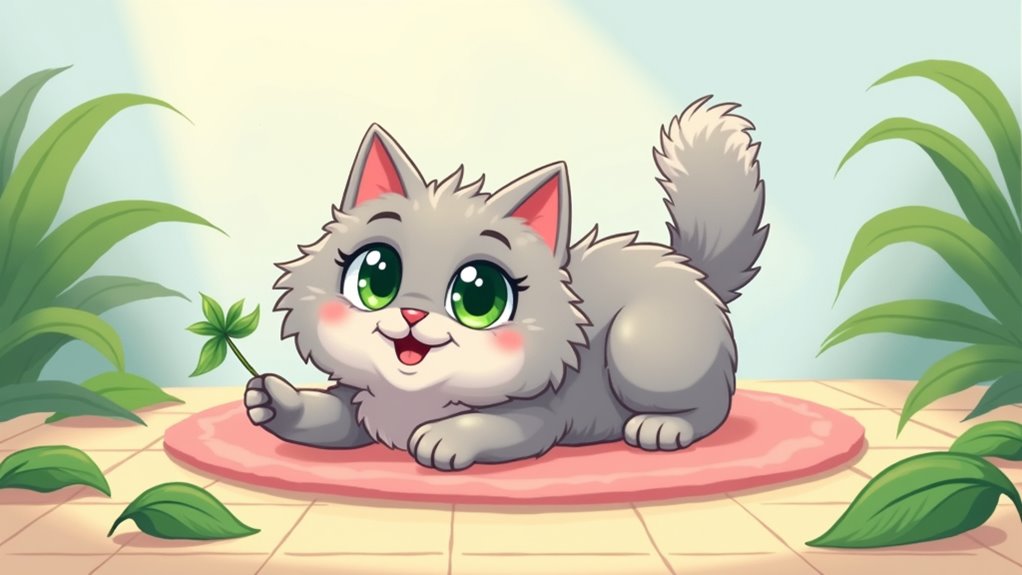
Introducing catnip to your cat can be an exciting experience. Catnip contains a substance called nepetalactone. This substance acts like a cat’s natural pheromones. It triggers fun reactions in many cats. Common behaviors include rolling, rubbing, and playful antics. These reactions can create a euphoric state that lasts for a few minutes.
Not every cat enjoys catnip. About 50-70% of cats respond to it. Genetics play a big role in this. Kittens under six months and older cats may not react. Their sensory systems are either still developing or declining.
Pay attention to your cat’s behavior with catnip. Each cat reacts differently. Some may love it, while others mightn’t care at all. If your cat seems overwhelmed or uninterested, consider limiting their access. You can always try again later. This way, your cat has a positive experience. Always keep their wellbeing in mind.
Forms of Catnip and Usage
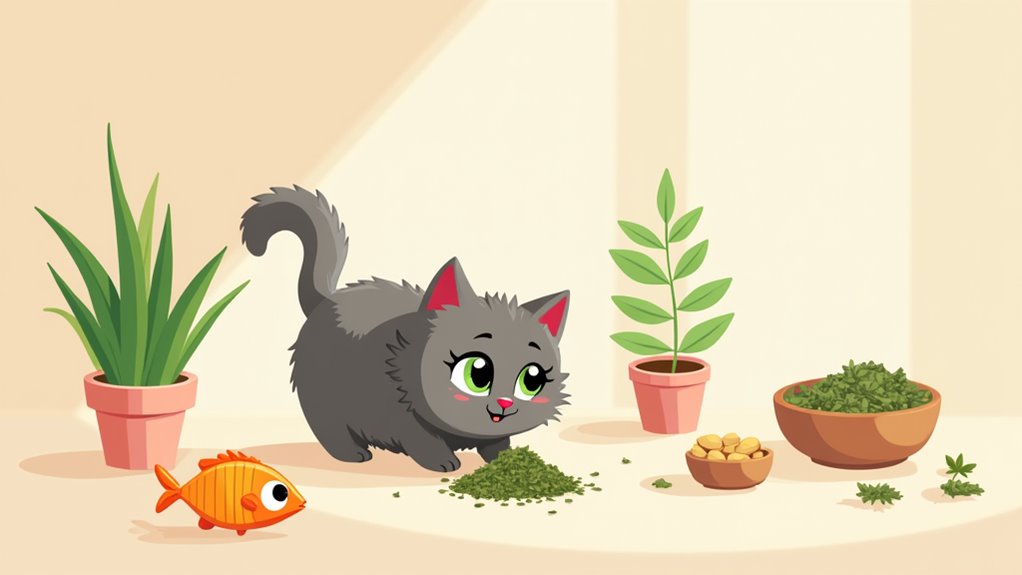
Catnip comes in different forms. Each type has special benefits for your cat. Knowing these varieties helps make playtime fun and keeps your cat happy.
| Form of Catnip | Usage Method |
|---|---|
| Dried Catnip | Sprinkle on toys or scratching posts |
| Fresh Catnip Plant | Grow indoors or outdoors for direct play |
| Catnip Spray | Apply to toys or bedding for stimulation |
Sprinkle dried catnip to encourage playful behavior. Cats love to roll and rub when they smell it. A fresh catnip plant ensures your cat can play with it often. Catnip spray is a great clean option. It works well, especially in homes with many cats.
Try other options like Silver Vine. Some cats may not respond to regular catnip. Experiment with these forms to see what your cat enjoys the most. This way, you ensure they have safe and fun experiences.
Benefits of Catnip for Cats
Catnip brings joy and excitement to your cat’s playtime. It can change how your cat acts in fun ways.
Here are some benefits of catnip:
- More Playful: Catnip can boost your cat’s energy. You’ll see them playing harder and chasing more.
- Calm and Relaxed: Catnip helps cats feel less anxious. It can calm their nerves and stop them from meowing too much or pacing around.
- More Affectionate: Catnip makes your cat feel happy. They may become more vocal and want to cuddle with you or rub against things.
Using catnip can create a happier, more playful atmosphere for your cat. It’s a simple way to improve their mood and behavior.
Limitations and Risks
Many cats love catnip, but it’s important to know the risks and limits. Here are key points to remember:
Possible Physical Reactions
- Mild Side Effects: Too much catnip can cause vomiting or diarrhea. Watch for signs of discomfort.
- Respiratory Concerns: Keep catnip dry. Moldy catnip can hurt your cat’s breathing.
Changes in Behavior
– Hyperactivity: Catnip can make cats very energetic for 10-15 minutes. Some may act aggressively, so keep an eye on them.
Usage Tips
- How Often: Use catnip every two weeks. Limit each session to 10-15 minutes to avoid tolerance.
- Quality Matters: Pick organic catnip. This choice helps avoid harmful pesticides and germs.
Frequently Asked Questions
Can Kittens Eat Catnip Safely?
Kittens can safely eat catnip in small amounts. It is important to watch how they react. Some kittens may get very excited or even aggressive. Start with a little bit to see how they respond. Always use safe amounts to prevent any tummy troubles. Catnip can be a fun treat for them. Just remember, not every kitten reacts the same way. Enjoy watching their playful side!
Is Dried Catnip Stronger Than Fresh Catnip?
Dried catnip is not stronger than fresh catnip. Fresh catnip has more nepetalactone. This makes it more potent. Over time, the potency of dried catnip decreases. This means it may not work as well for your cat. Fresh catnip is usually the best choice for maximum enjoyment. Cats often react more excitedly to fresh catnip. So, if you want your cat to have the best experience, fresh is the way to go.
How Often Can Cats Have Catnip?
Catnip is a fun treat for your furry friend. It’s best to give it two to three times each week. This keeps your cat happy and playful. Too much catnip can make them lose interest. Using it at the right time helps keep that excitement alive. Always watch how your cat reacts. Some cats love it, while others might not care as much. Keep it fun and safe!
Can Catnip Be Harmful to Older Cats?
Catnip is usually safe for older cats if used carefully. It can make them playful and happy. Watch how your senior cat reacts. Use a small amount at first. Too much catnip can upset their stomach or make them cranky. Always keep an eye on them. This way, you can enjoy the benefits without any problems.
Does Catnip Affect All Cat Breeds Equally?
Catnip does not affect all cat breeds the same way. Some breeds react strongly to catnip. Others show little or no interest. For example, Siamese and Abyssinian cats often love catnip. On the other hand, breeds like the Russian Blue may not care for it at all.
Individual cats can react differently too. Some cats might roll, play, or purr with joy. Others might just sniff and walk away.
This difference comes from genetics. Not all cats have the same sensitivity to the chemicals in catnip. About 50-75% of cats will respond to it. The ones that don’t might not have the right genes.
In short, if you have a cat, try giving them catnip. You might discover if they’re one of the lucky ones that enjoy it!
Conclusion
Catnip can be a fun treat for your cat. Most cats feel happy and playful after smelling or eating it. But not all cats react the same way. Some may not show any interest at all.
It’s smart to watch your cat closely. Start with just a little bit, like a pinch. See how your cat behaves after. This helps you know what’s right for them. Too much catnip can cause upset stomachs or other issues.
If you are unsure about giving catnip, talk to your vet. They can give you the best advice. Catnip can add joy to your cat’s life when used safely.
