
Can Cat Eat Flies
This post contains affiliate links. As an Amazon Associate, we earn from qualifying purchases.
Cats can eat flies, but caution is advised due to potential health risks. Flies may carry parasites and harmful chemicals that could affect your cat’s health. Although they offer some protein and nutrients, flies should not be a primary food source. For a deeper understanding of the risks and safety measures, further details will be provided later in the article.
Essential Facts in 30 Seconds
- Cats can eat flies, but there are risks involved.
- Risks include exposure to parasites and chemicals.
- Flies are high in protein and contain essential nutrients.
- Flies should not be the sole food source for cats.
- Eating multiple flies can lead to gastrointestinal issues.
- Kittens and sick cats are at higher risk for digestive problems.
- Chasing flies helps cats exercise and enhances their hunting skills.
- Monitor cats for signs of distress after consuming flies, such as vomiting or diarrhea.
Risks of Cats Eating Flies
Cats eating flies can pose several risks. One major concern is parasites. Flies can carry harmful protozoan parasites like *Isospora*. These parasites can cause diarrhea, especially in kittens or cats with weak immune systems. The risk from one fly is low, but eating many flies increases the chance of illness.
Another worry is chemical exposure. Flies often touch insecticides or herbicides. If your cat eats these flies, it might ingest toxins. Even small amounts can add up over time. Some chemicals, like permethrin, are very toxic.
To keep your cat safe, keep it indoors or watch it closely outside. Use fly screens to stop flies from getting in. Keep your home clean to reduce flies. Regular parasite prevention treatments can also protect your cat from infections.
Reasons Cats Chase and Consume Flies
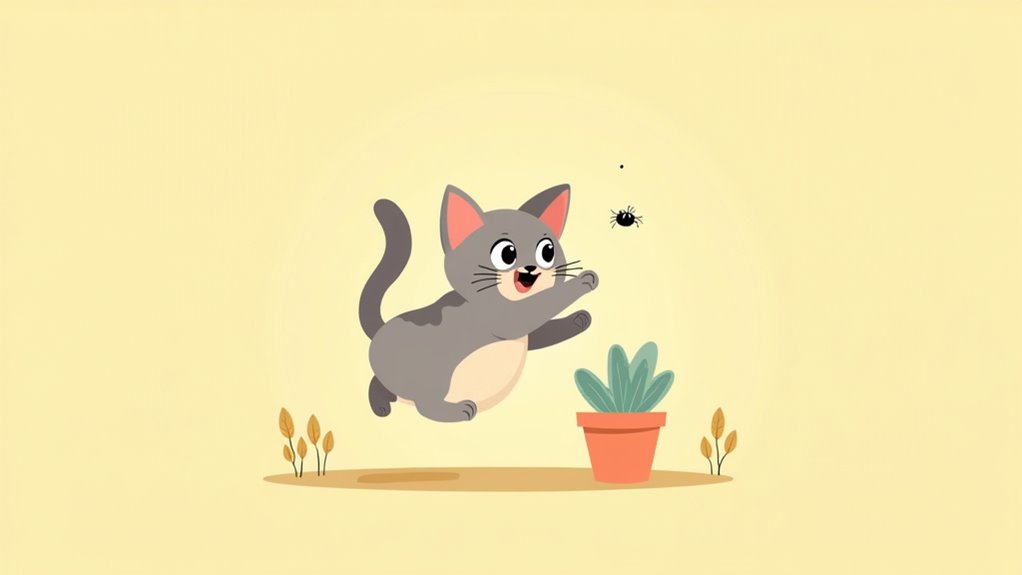
Cats chase and eat flies because their instincts push them to hunt. This behavior comes from their wild ancestors. Small, quick creatures like flies make them want to chase. The fast movements of flies look like real prey.
Chasing flies has many benefits for your cat:
- Brain Exercise: Catching flies keeps their mind active and sharp.
- Physical Activity: It helps them stay fit and agile.
- Improved Senses: Watching flies helps them see better and hear more clearly.
Cats don’t need flies for food. Hunting them gives cats focus and purpose.
Nutritional Value of Flies for Cats
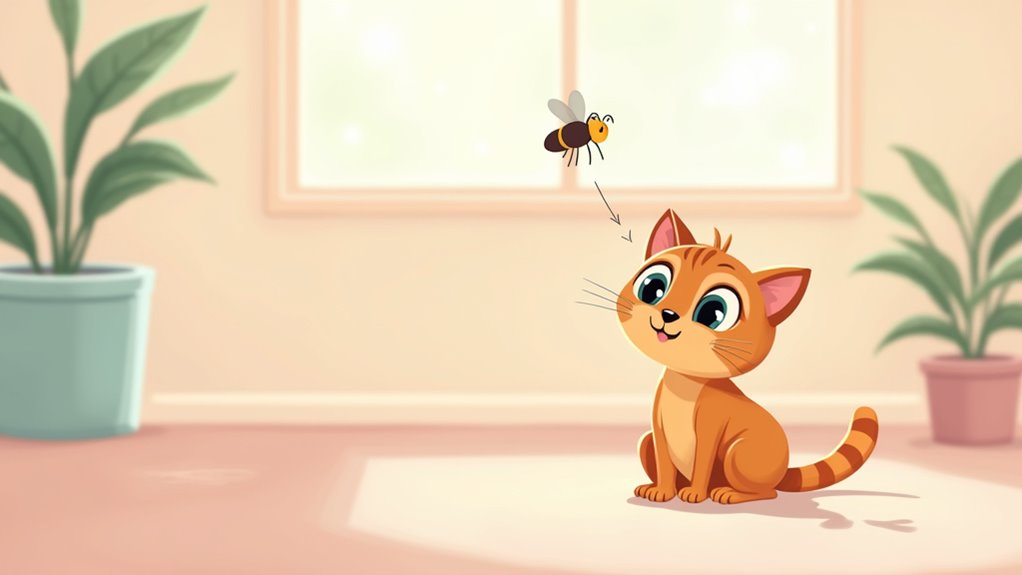
Understanding the nutritional value of flies for cats is important for pet owners. Flies can be part of a cat’s diet. They’re high in protein, with over 50% in their dry matter. The protein in insect meals, like black soldier fly larvae, is digestible. Cats can digest 69% to 83% of it.
Flies also have fat. They contain 16.7% to 35% fat. This fat gives essential fatty acids for your cat’s health.
Flies are rich in B vitamins and minerals like iron and zinc. These nutrients help with metabolism and overall health.
Even with these benefits, flies can’t be the only food for cats. Their small size means they offer limited nutrients. For a balanced meal, mix flies with other protein sources or cat food.
Always ask your veterinarian for advice on your cat’s diet!
Safety Recommendations for Cat Owners
Flies can provide some nutrition for your cat, but there are risks. Here are safety tips to keep your cat healthy.
Fly Prevention
- Keep it Clean: Regularly clean up waste and food spills to keep flies away.
- Use Screens: Put screens on windows and doors to block flies from entering.
- Engage Your Cat: Give toys and activities to keep your cat busy and reduce hunting instincts.
Monitor and Act
- Watch for Signs: Look for vomiting, diarrhea, or distress after your cat eats flies. Contact a vet right away.
- Check Health Regularly: Observe your cat for 24-48 hours after it eats flies.
Chemical Safety
- Store Insecticides Safely: Keep insect sprays in safe places to prevent accidental poisoning.
- Use Pet-safe Products: Choose insect control options that are safe for pets to reduce risks.
Behavioral Insights on Cats and Hunting Flies
Watching your cat chase flies is more than just fun. This behavior shows their strong hunting instincts. Young cats, especially those under five, hunt more often, especially in warm weather. Insects are more active during this time.
Cats learn from the unpredictable movements of flies. This practice sharpens their reflexes and stalking skills. Chasing flies keeps them mentally engaged. It also helps reduce boredom and satisfies their need to hunt.
You might see your cat use the “seek, stalk, pounce” method. They often bat at the flies in the air.
Flies don’t provide much nutrition. It’s important to watch your cat outside. Make sure they don’t eat anything harmful while playing. Their natural instincts are strong, and it’s fun to see them in action!
Frequently Asked Questions
Can Cats Get Sick From Eating Flies Regularly?
Cats can get sick from eating flies regularly. Eating flies might cause stomach problems. Symptoms include vomiting and diarrhea. It’s important to watch your cat’s health closely. If you notice any signs of illness, call a vet. Flies can carry diseases that may harm your cat. Keeping your home clean can help reduce fly presence. Feeding your cat a balanced diet also supports its overall health. Always prioritize your cat’s well-being.
Are Certain Types of Flies More Dangerous for Cats?
Certain fly species are dangerous for cats. Botflies are a major threat. They lay eggs in open wounds. This can lead to serious infections. Infections can cause pain and complications. It’s important to watch your cat closely. Look for signs of fly-related problems. Keep your cat healthy and safe from these pests. Regular check-ups with a vet can help too. Always keep your cat’s environment clean. This reduces the risk of flies. Stay informed about these dangers to protect your furry friend.
How Can I Discourage My Cat From Eating Flies?
Discouraging your cat from eating flies is important for their health. First, give your cat fun toys that look like real prey. These toys can keep your cat busy and distracted. Next, set up fly traps around your home. This helps catch flies before your cat can get them.
Try different types of toys. Feather wands and small balls can be great. Play with your cat often. This helps them use their energy on toys instead of flies. Keep your home clean to reduce fly attraction. Close windows and doors when possible.
These steps can help protect your cat and make your home more enjoyable.
What Should I Do if My Cat Eats a Fly?
If your cat catches a fly, stay calm. First, check for any signs of trouble. Is your cat acting strange? Keep an eye out for vomiting or drooling. These could mean something is wrong.
Watch your cat closely for a while. If you notice any bad symptoms, get veterinary help fast. It’s important to keep your cat healthy and safe. Most cats can handle a fly, but it’s always better to be sure. Your vet can give the best advice.
Do Flies Have Any Toxins That Can Harm Cats?
Flies can carry harmful toxins for cats. Pesticides are a major concern. Cats may get sick if they eat flies exposed to these chemicals. Look out for signs of illness in your cat. Symptoms can include vomiting or drooling. It’s crucial to keep your cat safe from flies. Clean areas where your cat plays. Reduce fly exposure to protect your furry friend. Always consult a vet if you notice anything unusual. Taking these steps can help keep your cat happy and healthy.
Conclusion
Cats often chase and catch flies. They see them as fun toys or tasty snacks. But flies can carry germs. These germs can make your cat sick. It’s important to be careful.
Watch your cat’s behavior closely. If they catch a fly, gently stop them. Offer safe treats instead. There are many healthy snacks for cats. These can satisfy their hunting instincts without the risks.
Keeping flies away helps too. A happy cat is a healthy cat. Choose safe snacks to keep your furry friend safe and satisfied!
