
Can Cat Eat Guava
This post contains affiliate links. As an Amazon Associate, we earn from qualifying purchases.
Guava is not toxic to cats, but it requires careful preparation. To serve it safely, remove the seeds and wash the fruit thoroughly. Cut it into small pieces, no larger than a dime, and limit treats to 1-2 times per week to prevent any digestive issues. Because guava is high in fiber, it can upset a cat’s stomach, so be vigilant for any signs of vomiting or diarrhea. It’s important to remember that cats are primarily carnivores, and fruit should only be a small part of their diet. For those interested in learning more about safe treats for their feline friends, additional details will follow.
Essential Facts in 30 Seconds
- Guava is non-toxic to cats if prepared correctly.
- Remove seeds and wash the fruit before serving.
- Serve guava in small pieces, no larger than a dime.
- Limit guava to 1-2 times a week.
- High fiber content may cause digestive upset; watch for discomfort.
- Cats require a meat-based diet; guava should be an occasional treat.
- Consult a veterinarian before adding guava to your cat’s diet.
Safety of Guava for Cats
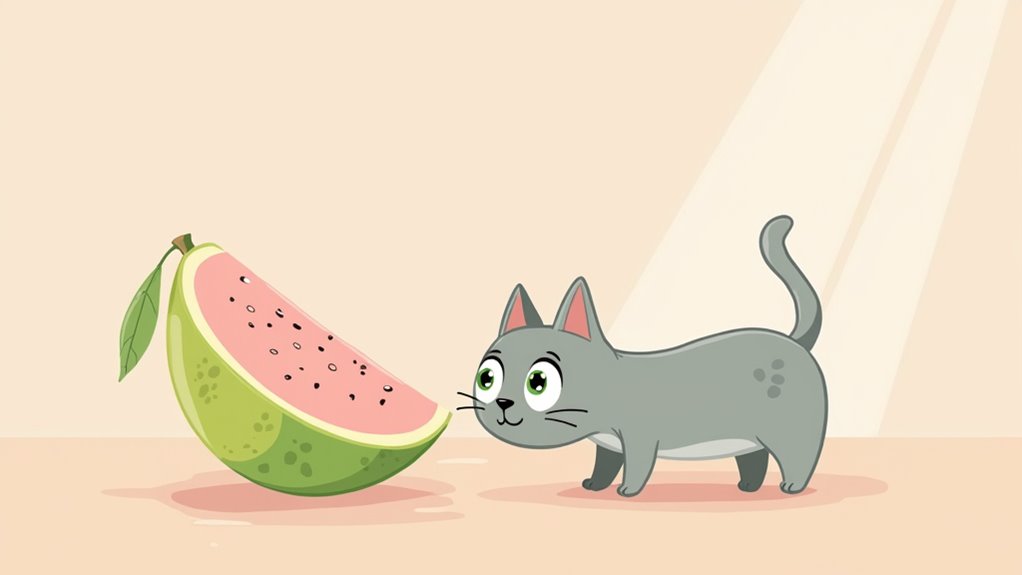
Letting your cat nibble on guava can be safe, but it has risks. Guava isn’t toxic, but it must be prepared properly. Always remove seeds and wash the fruit well before serving.
Potential Risks:
- Digestive Upset: Too much guava may cause vomiting or diarrhea. Watch for bloating or loss of appetite.
- Constipation: Pectin in guava can lead to constipation if given in large amounts.
Safe Feeding Practices:
- Offer small pieces, no bigger than a dime. Limit it to 1-2 times a week. Always consult your vet first.
- After the first serving, watch your cat for 24 hours for any bad reactions. Cats lack enzymes to effectively digest plant materials, so it’s important to monitor their response.
If your cat vomits or shows other issues, stop feeding guava and call your vet. Always consider your cat’s digestive health before trying new foods.
Nutritional Aspects of Guava for Cats
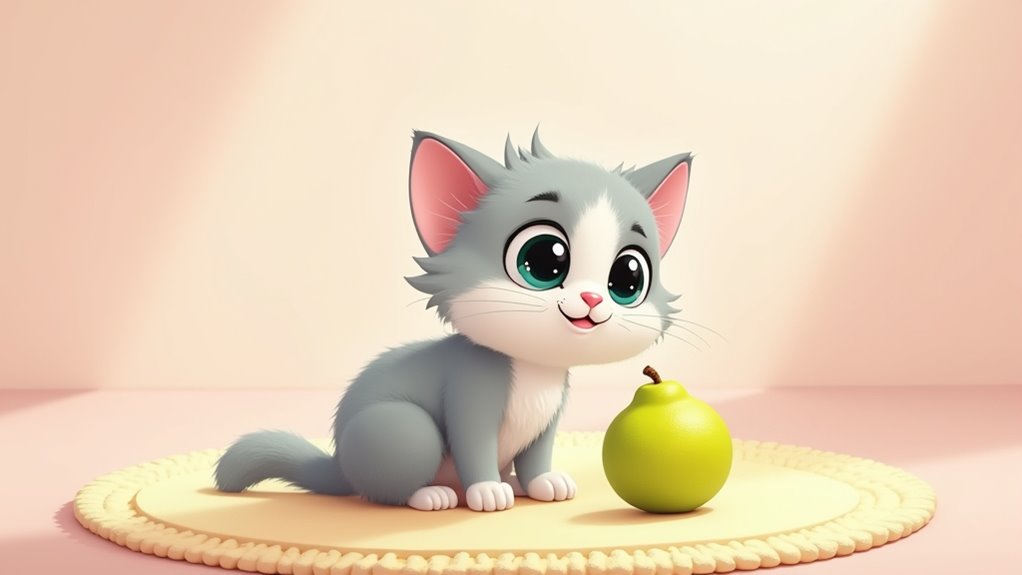
Understanding guava’s nutrition for cats is important, especially if you want to add it to their diet. Guava has some nutrients that can help, but remember that cats need meat first.
Here are some facts about guava:
- Vitamins: Guava has Vitamin A. This vitamin helps with vision and supports the immune system.
- Antioxidants: Lycopene in guava fights oxidative stress. It protects your cat’s cells.
- Fiber: Guava contains pectin. This can help with digestion, but too much may upset their stomach.
- Potassium: This mineral is vital for muscle and nerve function.
These nutrients can be good for your cat, but moderation is essential.
Introduce guava slowly. Watch how it affects their digestion. Always focus on a balanced, protein-rich diet for your cat’s health.
Potential Health Risks
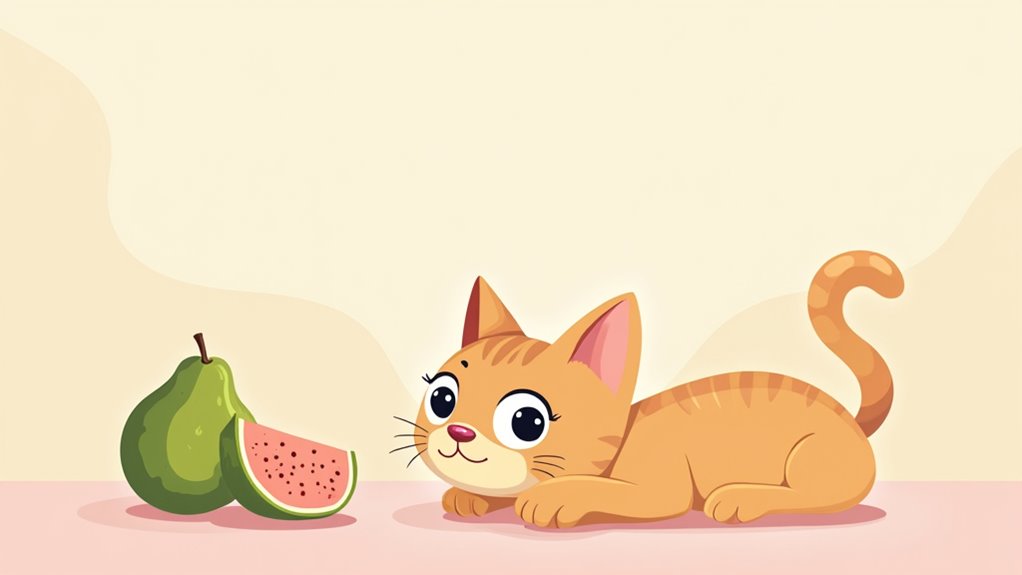
Cats can have health risks from eating guava. It’s important to know these risks.
Digestive Upset
Guava has a lot of fiber. Too much can cause diarrhea or vomiting. Watch for signs like bloating, stomach pain, and loose stools.
Guava seeds can be a choking hazard. They might also cause blockages in the intestines.
Sugar Risks
Guava contains natural sugars. A half cup has about 7.3 grams. This sugar can upset your cat’s stomach. It may cause gas, bloating, or diarrhea.
Over time, high sugar can lead to obesity, diabetes, and dental problems. This is especially true for overweight or diabetic cats.
Stop giving your cat guava if you see vomiting, diarrhea, or tiredness. Always check with your vet if you’re worried.
Keep guava away from your cat to keep them safe.
Appropriate Serving Recommendations
To ensure your cat enjoys guava safely, follow these serving tips:
- Portion Size: Offer small pieces, no bigger than a dime to 1 inch. Start with a tiny chunk to see how your cat reacts.
- Serving Frequency: Limit guava treats to 1 or 2 times a week. This helps prevent any tummy issues.
- Choking Hazards: Always remove seeds and peel. Cut guava into small, manageable pieces to avoid choking.
- Diet Balance: Treats like guava should be just 2% of your cat’s total diet.
Watch your cat closely after the first serving. Look for any signs of discomfort.
If you notice anything unusual, stop giving guava and talk to your vet. Remember, guava is a fun treat, not a daily food!
Cat Behavior and Guava Palatability
Guava mightn’t be the best treat for your cat. Cats are obligate carnivores. This means they need meat for important nutrients. Their taste buds don’t sense sweetness. So, guava’s sugary flavor won’t attract them much.
Some cats may notice guava because of its strong smell. They might sniff it out, but that doesn’t mean they want to eat it. The fruit’s texture can also be strange for them. This often leads to them rejecting it.
Giving guava to your cat can cause stomach issues. Diarrhea or constipation are possible risks. This can make your cat avoid guava even more.
Watch your cat closely after trying new foods. Signs of discomfort, like vomiting or changes in behavior, mean you should stop giving guava.
Always focus on your cat’s natural diet. Meat is what they really need, not fruit.
Frequently Asked Questions
Can Guava Help With My Cat’s Hydration?
Guava does not provide significant hydration for your cat. While it has some water, it can’t replace fresh water. Cats need fresh water and animal proteins for proper hydration. Treat guava as a special snack, not a main source of hydration. Always keep a bowl of clean water available for your cat.
What Other Fruits Are Safe for Cats?
Cats can eat certain fruits safely. Apples, bananas, blueberries, and strawberries are good choices. Always remove seeds before giving fruit to your cat. Seeds can be toxic. Fruits can add vitamins to your cat’s diet. But they should not be the main part of their meals. Treat fruit as an occasional snack. Always watch for any signs of upset stomach after trying new foods. Keep your cat healthy and happy with safe fruit options!
Can Guava Treat Any Cat Health Issues?
Guava can help support your cat’s health. It boosts their immune system and aids digestion. Think of guava as a useful supplement. It’s not a main food. A balanced diet is crucial for your cat’s well-being. Always consult with a vet before adding new foods. Keep your cat healthy and happy!
How Should I Store Leftover Guava?
To store leftover guava, keep it in the fridge. Use an airtight container to keep it fresh. For a longer shelf life, slice the guava and freeze it. Wrap each slice well to avoid freezer burn. This way, the guava will keep its flavor. Enjoy your guava later without worrying about spoilage!
Is Guava Better Than Commercial Cat Treats?
Guava has some good nutrients like fiber and antioxidants. But cats really need protein. They love treats that are high in protein. So, it’s best to balance treats according to what your cat likes. Look for options that meet their taste and health needs. Remember, happy cats need yummy treats!
Conclusion
Guava can be a fun snack for your cat. A small slice, about a quarter inch thick, is enough. This keeps them curious without upsetting their stomach. Watch how your cat reacts to it. Some cats have sensitive tummies. Not all fruits are safe for cats. Always choose safe treats for your furry friend. Nature has plenty of yummy snacks!
