
Can Cat Eat Kidney Beans
This post contains affiliate links. As an Amazon Associate, we earn from qualifying purchases.
No, cats should not eat kidney beans. These beans contain phytohemagglutinin, a toxin that can be harmful to cats, even in small amounts, leading to symptoms like vomiting and diarrhea. It’s important to remember that cats are obligate carnivores, meaning they thrive on a diet primarily made up of animal protein and do not require beans for nutrition. For those interested in a deeper understanding of this topic, further details and safe food options will follow.
Essential Facts in 30 Seconds
- Raw or undercooked kidney beans are toxic to cats, causing vomiting and diarrhea.
- Cats are obligate carnivores and need meat for proper nutrition; plant foods are not suitable.
- If feeding kidney beans, they must be soaked and thoroughly cooked to reduce toxins.
- Serving kidney beans should be rare due to cats’ difficulty in digesting plant matter and fiber.
- Always consult a veterinarian before introducing new foods to a cat’s diet.
Understanding Kidney Beans and Their Safety for Cats
Cats shouldn’t eat kidney beans. These beans have a toxin called phytohemagglutinin. This toxin can harm cats, even in small amounts. Raw or undercooked kidney beans can cause vomiting and diarrhea.
Cats are obligate carnivores. They need meat for good health. Plant foods like kidney beans don’t meet their needs.
Never feed your cat raw kidney beans. If you want to offer cooked beans, make sure they’re plain and fully cooked. No added salt or spices allowed.
Keep in mind that cooked kidney beans don’t give cats the amino acids they require. Their high fiber can also cause tummy troubles. Digestive issues can arise from both raw and cooked beans.
Always talk to your vet before trying new foods. A balanced diet with lots of meat is best for your cat’s health.
Nutritional Content of Kidney Beans
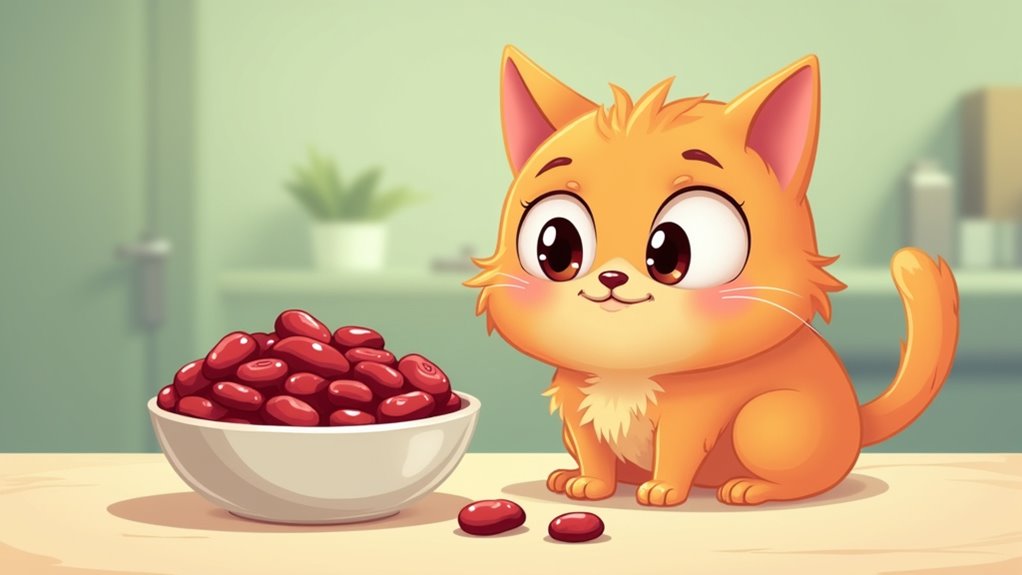
Kidney beans are full of nutrients that are great for humans. They aren’t safe for cats. Here’s a simple breakdown of their nutrition and benefits:
- Protein: Kidney beans have about 7-9 grams of protein in a half-cup when cooked. This helps support plant-based diets.
- Dietary Fiber: Each serving has around 6.4-8 grams of fiber. This meets 29-30% of daily fiber needs and helps gut health.
- Minerals: These beans provide iron (2-2.6 mg), magnesium (40 mg), and potassium (500 mg). These minerals are important for many body functions.
- Vitamins: They’re rich in folate (115 mcg), which is key for DNA and cell function.
Kidney beans are nutritious for people but can upset a cat’s stomach. Keep these beans away from your cat’s food.
Always choose foods that match their dietary needs.
Digestive Considerations for Cats
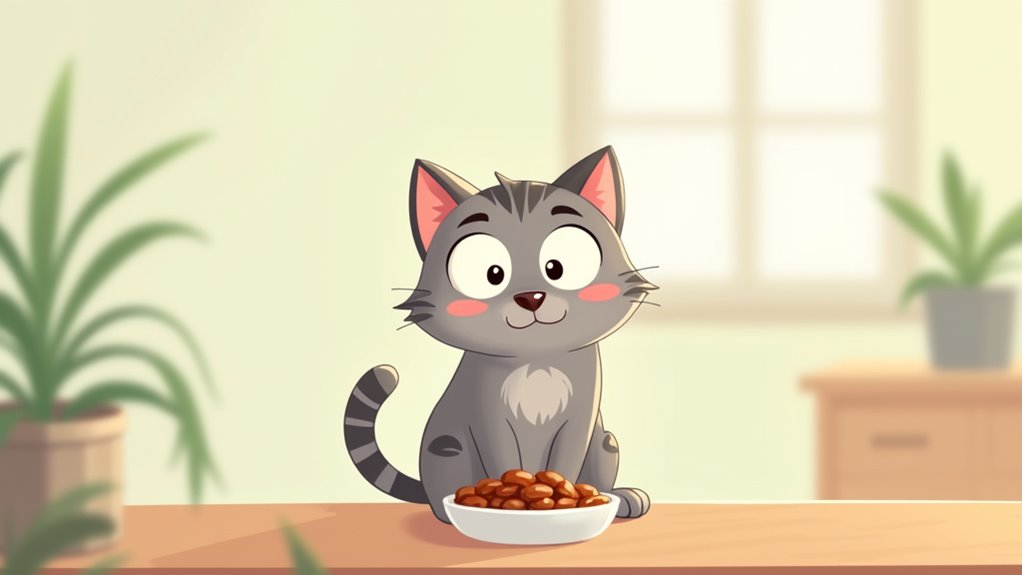
Understanding your cat’s digestive system is important for their health. Cats are obligate carnivores. This means they need animal protein. They do not digest plant material well. For example, kidney beans can upset their stomachs.
Here is a simple comparison:
| Digestive Aspect | Cats | Kidney Beans |
|---|---|---|
| Digestive Tract Length | Short | Longer than a cat’s |
| Fiber Adaptation | Low | High |
| Protein Source | Animal-derived | Plant-based |
| Enzymatic Capacity | Limited for carbs/fiber | Too much for cats |
| Symptoms of Distress | Gas, bloating, diarrhea | Possible with eating beans |
Even cooked kidney beans can cause discomfort. Watch your cat closely if you try new foods. Always consider their unique dietary needs. Stick to what keeps them happy and healthy.
Feeding Guidelines for Kidney Beans
Feeding kidney beans to your cat needs careful steps for safety. Follow these guidelines for the best results:
1. Preparation Methods: Soak dried kidney beans for 5 hours or overnight. This helps reduce toxins. Boil them for 30 minutes to make them safe.
Slow cooking also helps make them easier to digest.
2. Portion Control: Give kidney beans in small amounts. Cats find plant foods hard to digest. Start with a tiny bit to see how your cat reacts.
3. Serving Frequency: Serve kidney beans rarely. Too many can upset your cat’s stomach.
4. Dietary Balance: Keep kidney beans as a rare treat. They shouldn’t replace meat in your cat’s diet.
Always check with your vet before adding kidney beans to your cat’s meals.
Keep an eye out for any bad reactions, like gas or vomiting. Safety is key!
Comparing Kidney Beans With Other Legumes
Kidney beans stand out among legumes for their nutrition. They provide about 15.3 grams of protein in each cooked cup. Black beans are close behind with 15.2 grams. Navy and lima beans have a bit less protein.
These beans are also high in fiber, with 13.1 grams per cup. This fiber helps your digestion and keeps blood sugar levels stable. Kidney beans contain important vitamins and minerals too, like folate and iron. These nutrients support your overall health.
Lentils and split peas are great for protein too. But their vitamins and minerals may differ from those in kidney beans.
Kidney beans are a smart choice for plant-based protein. They’re low in fat and have no cholesterol. Pair them with whole grains for a complete amino acid profile.
Always cook kidney beans well to avoid any toxic effects. This way, you enjoy safe and healthy meals.
Frequently Asked Questions
Can Kittens Eat Kidney Beans Safely?
Kittens can eat kidney beans, but only in small amounts. Make sure the beans are fully cooked. They should not replace important kitten food. Kittens need high-quality animal protein for healthy growth and development. Always talk to your vet before adding new foods to their diet. Keep your kitten safe and healthy!
Are Canned Kidney Beans Safe for Cats?
Canned kidney beans are not the best food for cats. They do have some nutrients, but they aren’t ideal for feline diets. Cats thrive on animal proteins. These proteins give them the energy and nutrients they need. Beans can be a treat, but only once in a while. Always choose cat food that focuses on meat. It’s the best way to keep your furry friend healthy.
How Should I Introduce Kidney Beans to My Cat?
Introduce kidney beans to your cat by preparing them properly. Cook plain kidney beans until they are soft. Avoid adding salt or spices. Start by giving your cat a small amount. Watch for any tummy troubles, like upset stomach or diarrhea. If your cat enjoys them and has no issues, you can offer kidney beans as an occasional treat. Always remember, beans should not replace your cat’s regular food. Keep it simple and safe for your furry friend!
What Are the Signs of Kidney Bean Toxicity in Cats?
Watch your cat closely. Signs of kidney bean toxicity can show up quickly. Common symptoms include vomiting, being tired, and irritation in the mouth. If your cat has these signs, act fast. Serious reactions can happen. Seizures and trouble breathing are possible. Get your cat to a vet right away. Keeping an eye on their behavior can save their life. Always be aware of what your cat eats.
Can Cats Be Allergic to Kidney Beans?
Cats can have allergies to kidney beans. This can lead to stomach problems like vomiting and diarrhea. Some cats may also have skin issues, such as itching. It’s important to talk to your vet if you suspect your cat has an allergy. They can help with the right tests and treatment. Keep your cat safe and healthy by being aware of what they eat.
Conclusion
Kidney beans are safe for cats if cooked properly. Raw or undercooked beans can cause stomach problems. Always cook kidney beans thoroughly before serving. Offer only small amounts to your cat. It’s better to stick to foods made for cats. Always check with your vet before adding new foods to your cat’s meals. A balanced diet keeps your cat healthy and happy. Choose safe options over risky treats for your furry friend.
