
Can Cat Eat Lettuce
This post contains affiliate links. As an Amazon Associate, we earn from qualifying purchases.
Yes, your cat can eat lettuce, but only in small amounts. Varieties like romaine and leaf are safe to offer as an occasional treat. It’s important to wash the leaves to remove any pesticides and to serve only small pieces to avoid choking hazards. Keep an eye out for any digestive issues, such as diarrhea or constipation, that may arise if they consume too much. Remember, lettuce should never substitute their main meat-based diet. Further details and guidelines on safe treats for your cat are available if you’re interested.
Essential Facts in 30 Seconds
- Lettuce is safe for cats in small amounts; romaine and leaf lettuce are non-toxic.
- It provides hydration due to high water content but should not replace a meat-based diet.
- Offer as an occasional treat and remove tough parts to avoid choking hazards.
- Excessive consumption can cause gastrointestinal issues like diarrhea or constipation.
- Monitor for adverse reactions after introducing lettuce into your cat’s diet.
Safety of Lettuce for Cats
Lettuce is safe for cats in small amounts. Varieties like romaine and leaf lettuce are non-toxic. Offer it as an occasional treat. Always wash lettuce well to remove pesticides. Cut away tough parts to avoid choking.
Lettuce has a lot of water, which helps keep cats hydrated. Still, don’t give too much at once. Too much lettuce can cause stomach problems like diarrhea or constipation. Start with a small piece to see how your cat reacts.
Cats have different tastes. Some may like the crunchy texture, while others may ignore it. Watch for any signs of trouble, like vomiting or tiredness. Stop giving lettuce if this happens.
Nutritional Value of Lettuce for Cats
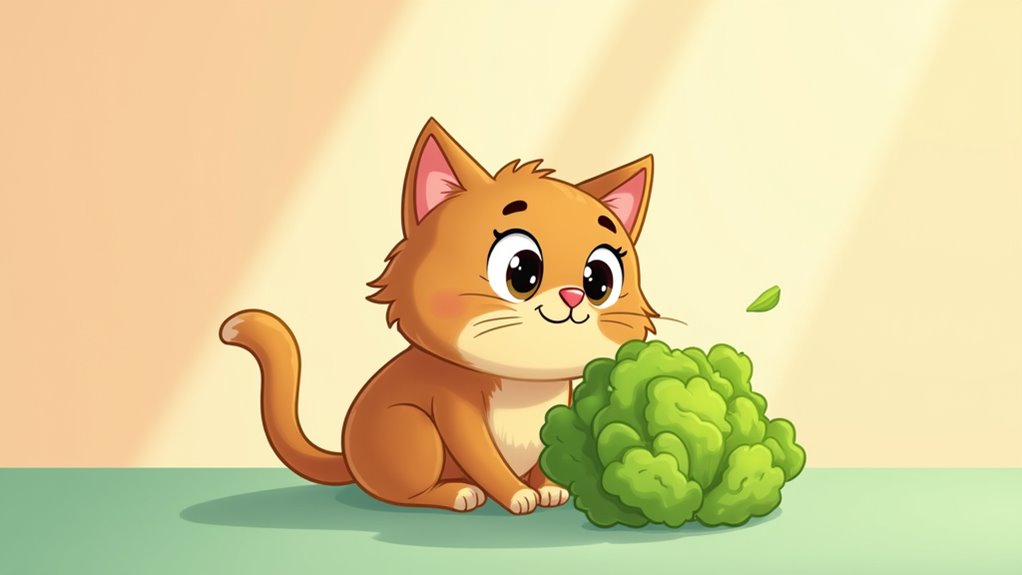
Lettuce can offer some nutrition for cats, but it has limits. It has a few vitamins and minerals, but cats still need meat for a complete diet. Here are some important points about lettuce’s nutritional value:
- Vitamins: Lettuce has vitamins A, C, and K. Vitamin A helps with vision and the immune system. Vitamin K is important for blood clotting.
- Minerals: It has small amounts of calcium, potassium, magnesium, phosphorus, and iron. These minerals aren’t as easily absorbed as those from meat.
- Hydration: Lettuce is mostly water, about 95%. This can help keep your cat hydrated, especially if they don’t drink much.
- Fiber: Lettuce offers some fiber that can help with digestion. But too much fiber might stop your cat from absorbing other nutrients.
Additionally, while lettuce can provide some hydration, it should be noted that cats are obligate carnivores, meaning their diet must primarily consist of meat.
Always remember, lettuce should only be a small part of your cat’s diet.
Reasons Cats May Eat Lettuce
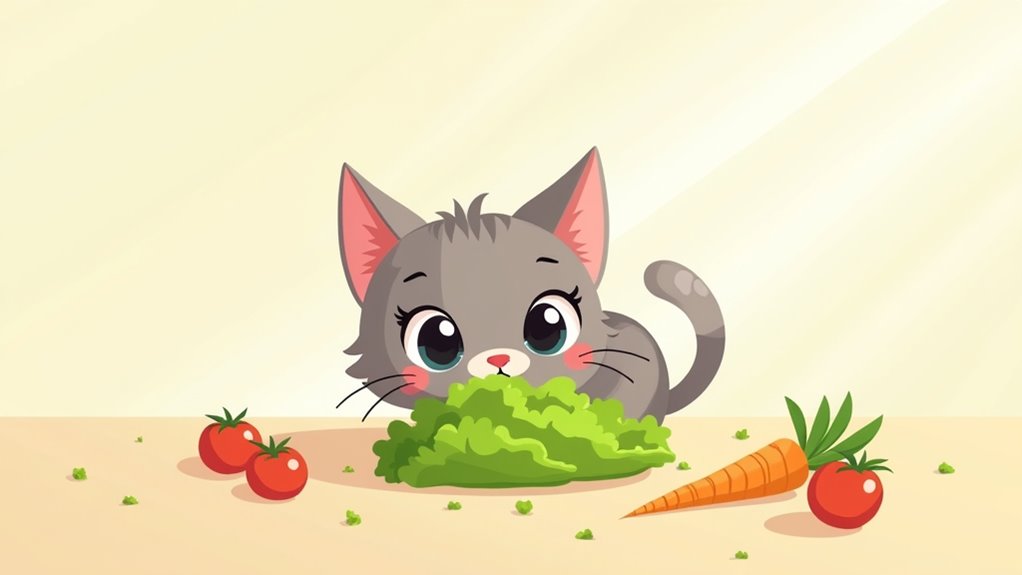
Cats nibble on lettuce for different reasons. Their curiosity drives them to explore everything around them, including plants.
Lettuce can also help with hydration. Cats sometimes don’t drink enough water. The high water content in lettuce gives them extra fluids.
The crunchy texture of lettuce is fun for cats. It engages their senses and makes snacking enjoyable.
Wild cats ate plants for better digestion. Lettuce shouldn’t replace their main food but can add variety. Small amounts are safe and can be a nice treat.
Keep these tips in mind:
- Introduce lettuce slowly.
- Watch for any stomach problems.
- Always provide fresh water.
Health Risks and Side Effects
Lettuce may seem like a safe snack for your cat, but it can pose health risks. Here are some important points to consider:
- Gastrointestinal Upset: Too much lettuce can upset your cat’s stomach. This can lead to diarrhea or constipation because of its high water and fiber content.
- Nutritional Deficiency: Lettuce doesn’t provide key nutrients. Cats need taurine and vitamin A for good health, and lettuce lacks both.
- Potential Toxicity: Lettuce contains lactucarium. While not toxic, it can act as a mild sedative. Large amounts might cause discomfort.
- Choking Hazard: Big pieces of lettuce can be a choking risk. This is especially true for cats that eat quickly.
Keep these points in mind before sharing lettuce with your feline friend. Always prioritize their health and well-being.
Feeding Recommendations for Lettuce
Feeding lettuce to your cat can be fun. Remember, moderation is important. Keep the serving small. Offer just a few leaves once or twice a week. This helps prevent digestive issues. Cats need meat as their main food. Lettuce should not replace their regular diet.
Here are some types of lettuce and their benefits:
| Lettuce Type | Nutritional Benefits | Suggested Serving Size |
|---|---|---|
| Iceberg | Hydration, low in calories | 1 small leaf |
| Green Leaf | Vitamins, fiber, low in calories | 1-2 leaves |
| Romaine | Minerals, low in calories | 1 small leaf |
| Butter Lettuce | Iron, vitamins A, C, and K | 1-2 leaves |
| All Varieties | Safe in small amounts | 1-2 leaves |
Always wash lettuce well before giving it to your cat. Introduce it slowly and watch for any bad reactions. Enjoy treating your cat with this crunchy snack!
Frequently Asked Questions
Can Cats Be Allergic to Lettuce?
Cats usually do not have allergies to lettuce. Most food allergies in cats come from proteins in their cat food. Focus on giving your cat high-quality proteins. These are better for their health than leafy greens like lettuce. Always choose foods that meet their nutritional needs. Cats thrive on meat-based diets. Keep their diet simple and healthy for the best results.
What Types of Lettuce Are Safe for Cats?
Romaine, green leaf, and butter lettuce are safe for cats. These types of lettuce keep your cat hydrated. They also provide some nutrients. Offer these veggies in moderation. Too much lettuce might upset your cat’s stomach. Always watch how your cat reacts. Enjoy sharing these healthy treats with your furry friend!
How Often Can I Feed My Cat Lettuce?
Feed your cat lettuce a few times a week. Start with small pieces. This gives your cat a fun treat. Keep it special. Lettuce should not replace their regular food. It adds variety without losing nutrition. Some cats enjoy the crunch. Others may not care for it. Watch for any reactions. Always ensure fresh lettuce. Avoid any dressings or extras. Your cat’s health is important.
Can Kittens Eat Lettuce Safely?
Kittens can eat lettuce safely, but only in small amounts. It’s not a substitute for their regular kitten food. Lettuce has some water and fiber, which can help with hydration. But too much lettuce can upset their stomachs. Always watch for any signs of digestive issues. A balanced diet is key for healthy growth. Focus on high-quality kitten food for the best nutrition. Lettuce can be a fun treat, but keep it limited.
What Should I Do if My Cat Refuses Lettuce?
Cats can be picky eaters. If your cat doesn’t want lettuce, that’s okay. Respect their choices. Try offering other greens like spinach or kale. These options can be healthier for them too.
Focus on giving your cat high-quality protein. Cats need this for strong muscles and energy. Make sure their main diet has enough meat or fish.
If your cat keeps refusing food, it’s wise to talk to a vet. They can help find out if something else is wrong. Remember, your cat’s health is the most important thing.
Conclusion
Cats can eat lettuce, but only sometimes and in small amounts. About 15% of cats like munching on greens. Too much lettuce can upset their stomach. Always wash the leaves well. Cut them into small pieces to avoid choking. Cats need a diet full of high-quality protein. If you have questions about new foods, ask your vet for advice.
