
Can Cat Eat Lilies
This post contains affiliate links. As an Amazon Associate, we earn from qualifying purchases.
Lilies are highly toxic to cats, and even a small amount can be life-threatening. All parts of the lily plant, including petals and pollen, contain harmful substances that can lead to severe kidney damage. Symptoms such as vomiting, drooling, and lethargy may appear within hours of ingestion. If you suspect your cat has consumed lilies, it’s crucial to seek veterinary assistance immediately, as prompt treatment within the first two hours significantly increases the likelihood of recovery. For those interested in more details about keeping your cat safe, further explanations will follow.
Essential Facts in 30 Seconds
- Lilies are extremely toxic to cats; all parts of the plant are harmful.
- Even small amounts can cause severe kidney damage in cats.
- Symptoms of lily poisoning include vomiting, excessive drooling, lethargy, and increased thirst.
- Prompt veterinary care is crucial to prevent acute kidney failure after ingestion.
- Being aware of toxic plants like lilies can help avoid accidental poisoning in cats.
Understanding the Toxicity of Lilies to Cats
Lilies are beautiful plants, but they can be very dangerous for cats. True lilies (Lilium spp) and daylilies (Hemerocallis spp) are the main types that are harmful.
Every part of these flowers—stems, leaves, petals, pollen, and even the water in vases—contains toxins. These toxins can cause serious kidney damage in cats.
Cats are especially sensitive to these plants. Even a tiny amount can make them sick. They often get toxins by chewing on the lily parts or licking pollen off their fur.
The exact toxin isn’t known, but it can cause kidney injury in less than a day. Without quick treatment, this can lead to kidney failure. Immediate veterinary care is crucial if ingestion occurs.
To keep your cat safe, don’t keep any lilies at home or in your garden. It’s the best way to protect your furry friend.
Signs and Symptoms of Lily Poisoning
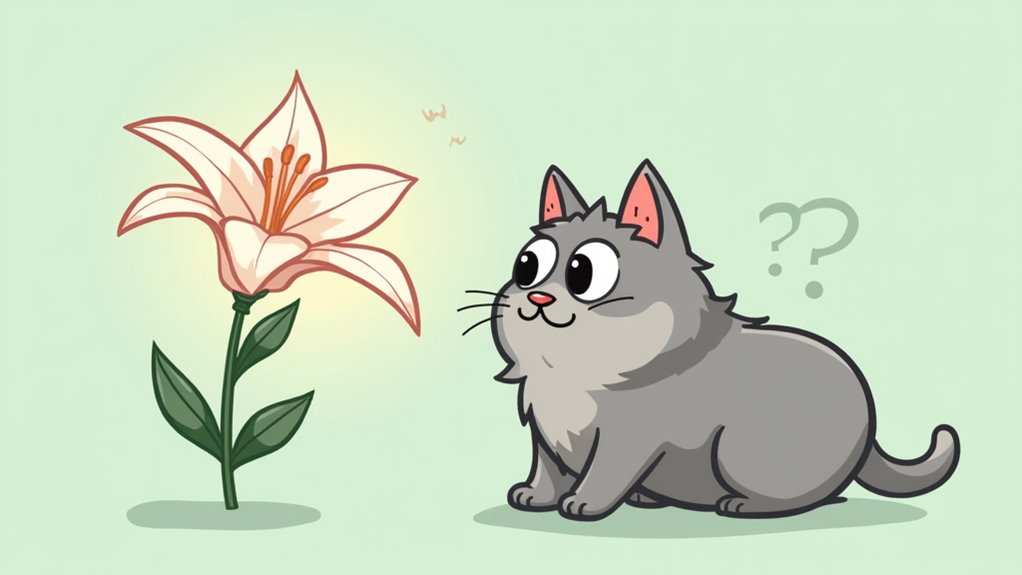
Recognizing the signs of lily poisoning in cats is crucial for their safety. Quick action can save your pet’s life.
Watch for these key symptoms:
- Vomiting, often within 1 to 3 hours
- Excessive drooling or foaming at the mouth
- Lethargy or less activity
- Increased thirst and urination
Notice any of these signs? Act quickly. Early treatment can prevent severe kidney damage and other serious issues.
Take your cat to an emergency vet right away. They’ll provide the necessary care.
Remember, there’s no specific antidote for lily poisoning. Supportive care, like IV fluids, is vital.
Stay alert to these symptoms. Your quick response can greatly help your furry friend recover. Act fast for their well-being!
Progression and Timeline of Poisoning

Understanding how lily poisoning affects cats is important for every pet owner. This timeline shows how quickly symptoms can worsen.
| Time Frame | Symptoms |
|---|---|
| 0-2 Hours | Vomiting, nausea, drooling, lethargy |
| 2-12 Hours | Decreased appetite, diarrhea, kidney stress |
| 12-24 Hours | Increased thirst, frequent urination, weakness |
| 24-72 Hours | Anuria, severe dehydration, neurologic signs |
| 3-7 Days | Risk of death without treatment |
Early signs may seem to get better at first. But they can quickly turn serious. Kidney damage starts around 12 hours after exposure. This can lead to big problems. Without treatment, the risk of death rises between 3 to 7 days. Quick action is key. It greatly boosts the chances of saving your cat. Always keep an eye on your cat for any signs of distress.
Diagnosis of Lily Poisoning
Act quickly if you think your cat ate lilies. Check their exposure history. Look for signs like vomiting or weakness. These can show up within two hours.
Take your cat to the vet. The vet will check for clinical signs. They may run tests to see if the kidneys are damaged. This helps them decide on the best treatment.
Exposure History Assessment
To diagnose lily poisoning in your cat, gather a complete exposure history. This assessment is important for your vet.
Here are some key details to collect:
- Look for any chewed plant parts or lily bits in vomit.
- Report where your cat had access to lilies, at home or other places.
- Bring a sample or a photo of the suspected lily for proper identification.
- Note the timing and amount of lily ingested and the type of lily.
This information helps your vet understand the risk and prognosis.
Providing timely and accurate details can improve your cat’s treatment options. Early detection is vital for a positive outcome.
Clinical Signs Evaluation
Recognizing the signs of lily poisoning in cats is vital. It helps in getting quick treatment and better recovery chances. Within two hours after eating lilies, watch for vomiting, depression, and loss of appetite.
Look for drooling, oral pain, and unusual tiredness. These signs can appear early and may last.
After 12 to 24 hours, increased thirst and more urination show kidney problems. As the kidney damage worsens, you may notice serious signs like confusion and seizures after 24 hours.
Do a careful health check on your cat. If you see any of these signs, get to a vet right away. Spotting symptoms early can save your cat’s life.
Left untreated, lily poisoning can lead to severe kidney failure or death within a week.
Diagnostic Tests Overview
Diagnosing lily poisoning in cats begins with gathering a detailed history of exposure.
It’s important to find physical evidence of the poisoning. Look for:
- Chewed lily pieces or plant material in vomit.
- Known exposure to lilies along with clinical signs.
- Any evidence brought to the vet to avoid further exposure.
- Signs of kidney pain during the physical exam.
Laboratory tests play a key role in assessing kidney health.
Blood tests can show high levels of creatinine and blood urea nitrogen. These indicate kidney injury.
Urinalysis may show low urine concentration. Imaging tests help check for kidney damage.
No specific test exists for lily toxin.
Diagnosis depends on matching symptoms, exposure history, and lab results.
Timely consultation with your vet is essential for accurate treatment.
Treatment Options and Prognosis
Cats that eat lilies need help right away. Contact your vet immediately. The first step is to induce vomiting within 2-6 hours. A vet must do this; it’s not safe to try at home.
After vomiting, vets give activated charcoal. This helps to absorb any remaining toxins.
IV fluid therapy is crucial. This treatment usually lasts at least 48 hours. It helps keep the kidneys working. Anti-nausea medications can ease symptoms and reduce stress on the kidneys.
How quickly treatment starts is very important. If treatment begins within 2 hours, the outlook is excellent. Full recovery is likely.
But, if treatment starts between 6-18 hours, the prognosis becomes guarded. This means there’s a higher risk of acute kidney failure.
After 24 hours, things get worse. There’s a high chance of irreversible kidney damage and possible death. Early action is vital for your cat’s survival.
Preventing Lily Poisoning in Cats
Prevent lily poisoning in cats by educating everyone in your home about the risks.
Remove all lilies from your space.
Consider safe plant alternatives, like Peruvian lilies.
Always watch your cat around plants.
Even a little pollen from lilies can be dangerous.
Take action now to keep your cat safe.
Safe Plant Alternatives
Safe plant alternatives protect your cats from dangerous lilies.
Cat-friendly plants keep your home safe and beautiful. Here are some great non-toxic flowers:
- Christmas cactus: Bright blooms in winter, no toxicity risks.
- Orchids: Lovely, safe flowers that last long.
- Spider plant: Easy to grow, completely non-toxic.
- Bromeliads: Colorful and tropical, safe for cats.
These plants add beauty while preventing lily poisoning.
Always check plant types and use trusted sources to avoid toxic varieties.
Education and Awareness
Understanding the dangers of lilies is vital for cat owners. All parts of the lily plant are toxic to cats. Keep lilies out of your home and garden to ensure your cat’s safety. Talk to your family and friends about the risks of lilies.
Prevention Tips:
- Remove any lilies from flower arrangements right away.
- Watch your cat closely, especially in spring when lilies bloom.
- Inform visitors about the dangers of lilies.
If your cat shows any symptoms, get veterinary help within 18 hours. This can greatly improve their chances of survival. Quick treatment can prevent serious kidney problems.
Visit NoLiliesForKitties.com for more information on lily toxicity. Being alert can save your cat’s life.
Frequently Asked Questions
Are All Types of Lilies Toxic to Cats?
Not all lilies are harmful to cats. Some types are safe. But true lilies and daylilies are very dangerous. These plants can cause serious health problems for your cat.
For safety, keep your cat away from these plants. If your cat eats any part of a true lily or daylily, act quickly. Contact your vet right away.
Can Cats Be Allergic to Lilies Without Poisoning?
Cats can be allergic to lilies without getting poisoned. This is quite rare but possible. Allergies can cause sneezing or skin irritation. Watch your cat closely if they come near lilies. Any strange behavior or reactions could mean an allergy. It’s important to keep lilies away from your furry friend. Always consult a vet if you’re unsure. Keeping your home safe for your pet is essential.
What Should I Do if My Cat Licks Lily Pollen?
Act quickly if your cat licks lily pollen. First, remove the pollen from its fur. Use mild soap and water to clean it gently. After that, contact your veterinarian. They can give you advice and help monitor your cat.
Lily pollen is very dangerous for cats. It can cause serious health issues. Symptoms may include vomiting, loss of appetite, or lethargy. Keep an eye on your cat for any signs of trouble.
Always be cautious with lilies around pets. It’s best to keep these flowers out of your home. Make sure your cat cannot reach them. Your pet’s safety is important.
Are There Safe Flowers for Cats to Have at Home?
You can safely have flowers like roses and sunflowers in your home. These flowers are pet-friendly and will not harm your cat. Enjoy the beauty they bring without any worries. Keep your living space vibrant and safe for your furry friend. Decorate your home with confidence!
How Quickly Should I Contact a Vet After Exposure?
Contact a vet right away after your pet has been exposed. This quick action is vital. Look for signs like vomiting or extreme tiredness. These can mean trouble. Early help can prevent serious kidney damage. It also boosts your cat’s chance to heal. Don’t wait. The sooner you act, the better the outcome.
Conclusion
Keeping lilies away from your cat is very important. Lilies are toxic to cats. Just like a child might touch a hot stove, a curious cat might explore these flowers. This curiosity can lead to serious health problems. Signs of lily poisoning include vomiting, lack of appetite, and lethargy. If you think your cat ate any part of a lily, get veterinary help right away. Your cat counts on you to protect them from harmful plants. Create a safe environment by choosing non-toxic flowers for your home and garden.
