
Can Cat Eat Lima Beans
This post contains affiliate links. As an Amazon Associate, we earn from qualifying purchases.
Cats can eat lima beans, but it carries some risks. Uncooked beans contain linamarin, which can release cyanide and potentially harm your cat. If you choose to give them to your cat, it’s essential to wash, soak, and boil the beans for at least 30 minutes to reduce toxins. However, even with proper preparation, lima beans may still upset your cat’s stomach, leading to gas or diarrhea. It’s important to serve them plain, without any seasonings. For safer treat options, consider chicken or salmon. For those interested in more details on what foods are safe for cats, further information will follow.
Essential Facts in 30 Seconds
- Lima beans can be toxic to cats if not properly cooked due to harmful compounds.
- Fully cooking lima beans makes them safer for cats to eat.
- Lima beans do not provide essential nutrients like taurine that cats need.
- Feeding too many lima beans may lead to digestive issues in cats.
- Healthier treat options include cooked chicken, turkey, or fish for better nutrition.
Understanding Lima Beans and Their Safety for Cats
Feeding your cat lima beans needs careful thought. Lima beans can be toxic if not prepared correctly. Uncooked beans contain linamarin, which can release cyanide. Raw or undercooked beans also have lectins. These can upset your cat’s stomach and cause digestive problems.
To keep your cat safe, follow these steps:
- Wash and Soak: Rinse the beans well and soak them.
- Cook Fully: Boil the beans until they’re soft. This helps remove harmful compounds.
- Serve Plain: Give them to your cat without any spices or sauces.
Even with safe preparation, watch your cat closely after feeding them. Signs of trouble include drooling, restlessness, or a sore stomach. If you see these signs, call your vet right away. Additionally, remember that cooked beans are safe for consumption, while raw beans should always be avoided.
Nutritional Value of Lima Beans for Felines
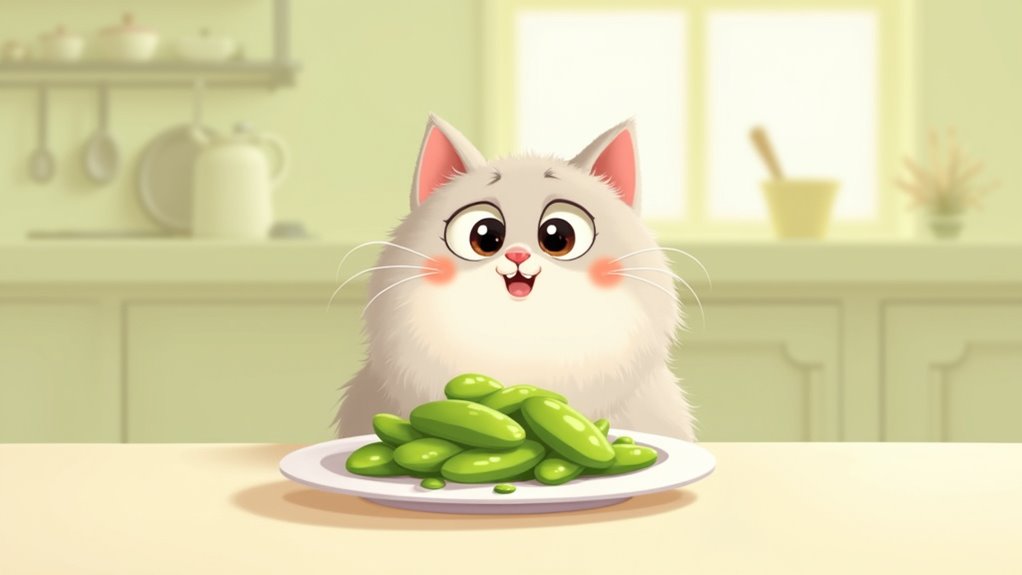
Lima beans have some fiber and nutrients, but they aren’t great for cats. They don’t have important amino acids, like taurine. Taurine is vital for your cat’s health.
Think of lima beans as a treat, not a main food. They don’t provide much nutrition for your feline friend. Feeding them too much can cause stomach issues.
Always prioritize a balanced diet for your cat. Stick to food made for cats. Treats like lima beans should be rare.
Keep your cat healthy and happy with proper nutrition.
Nutritional Content Overview
Lima beans are not a common food for cats. Yet, they have some nutritional aspects to consider. Here’s a quick look at their content and what it means for your cat.
| Nutrient | Amount per 100g | Relevance to Cats |
|---|---|---|
| Protein | 6-8 grams | Plant protein, not easily absorbed |
| Carbohydrates | Complex carbs | Difficult to digest, may upset stomach |
| Vitamins & Minerals | Small amounts | Not very important for cats |
Lima beans were once a popular food for people. For cats, their nutritional value is low. You can give your cat lima beans sometimes, but make sure they are cooked well. Serve them in small amounts to prevent digestive problems.
Fiber and Nutrients
Feeding your cat lima beans can be interesting. It’s important to know about their fiber and nutrients.
Lima beans have a lot of dietary fiber. This fiber can help with digestion and regular bowel movements. But too much fiber can upset your cat’s stomach. So, keep it small.
Lima beans also have some vitamins and minerals. They contain folate and magnesium. Yet, these nutrients don’t meet your cat’s needs for meat-based amino acids. Cats don’t absorb nutrients from lima beans well. Their bodies work best with animal proteins.
If you want to give your cat lima beans, make sure to cook them well. Serve only a small amount to prevent any stomach issues.
Proper Preparation and Feeding Guidelines
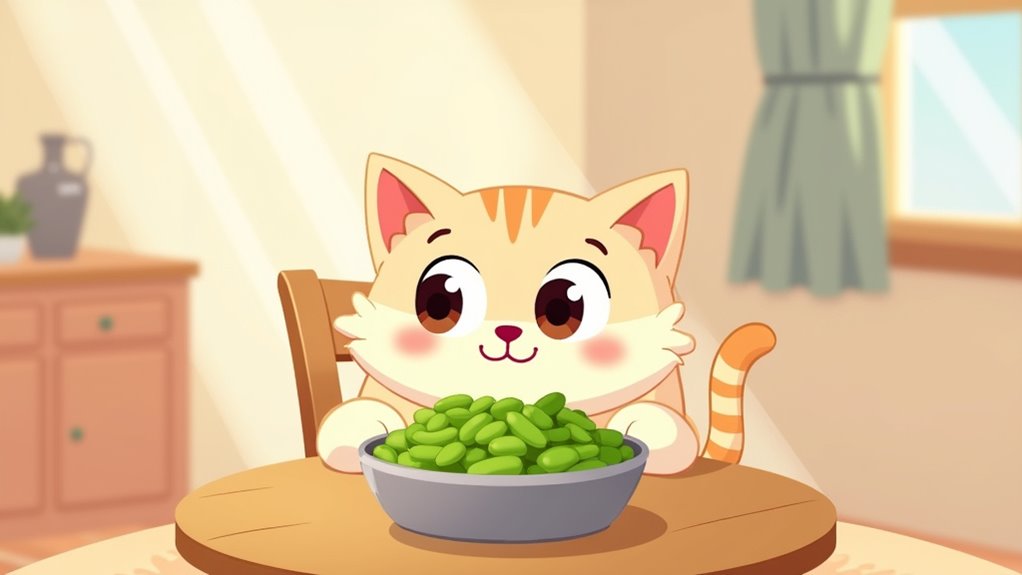
Feeding lima beans to your cat requires careful preparation.
Always cook the beans well. This helps remove harmful toxins.
Serve only small amounts as a special treat. Too much can upset their stomach.
Keep your cat’s health in mind. Follow these simple guidelines for safety.
Enjoy treating your feline friend!
Cooking Lima Beans Safely
To keep your cat safe while cooking lima beans, follow these easy steps:
- Wash the beans well. This removes dirt and any unwanted residues.
- Soak the beans in water for a few hours. Soaking softens the beans and helps reduce toxins.
- Throw away the soaking water. This water contains toxins and anti-nutrients that are harmful.
- Boil the beans for at least 30 minutes. This ensures they’re soft and safe to eat.
- Serve the beans plain. Don’t add oils, salt, or seasonings. These can be dangerous for your cat.
Serving Size Recommendations
Serving lima beans to your cat can be safe and fun. Follow these simple steps to ensure your cat enjoys this treat without any worries.
| Aspect | Recommendation |
|---|---|
| Serving Size | Limit to 1-2 lima beans. |
| Frequency | Offer this as a rare treat. |
| Preparation | Cook the beans well and serve them plain. |
| Portion Control | Cut the beans into small pieces. |
| Watch for Reactions | Keep an eye out for any upset stomach. |
Risks of Feeding Lima Beans to Cats
Feeding lima beans to cats can be risky. These beans may seem harmless, but they can cause serious health problems. Here are the main issues to know:
- Raw lima beans have linamarin. This can turn into cyanide and lead to poisoning.
- Beans can upset a cat’s stomach. They may cause gas or diarrhea.
- Cooked beans often have harmful seasonings. Ingredients like onion and garlic are toxic to cats.
- Cats need meat for proper nutrition. Regularly feeding beans can lead to poor health.
- Too many beans can change a cat’s behavior. They might lose their appetite or start vomiting.
To keep your cat safe, don’t feed them lima beans. Watch for any signs of illness if they eat some. Always contact your vet if you have concerns. Protect your furry friend’s health!
Alternatives to Lima Beans for Cat Treats
Safe and healthy alternatives to lima beans for your cat include several tasty options.
Protein-Rich Choices:
Cooked chicken or turkey gives your cat lean protein. It boosts energy and keeps them active. Green peas can also be a beneficial supplement to a primarily meat-based diet.
Cooked salmon is another great choice. It has omega-3 fatty acids for a shiny coat. Just remember to limit salmon due to mercury.
Nutritious Vegetables:
Cooked carrots or pureed pumpkin help with digestion. They also provide essential vitamins. Lightly steaming or boiling these vegetables can enhance their digestibility.
Pureed broccoli is full of antioxidants and fiber. This supports overall health.
Fruits for Treats:
Blueberries are a delicious, low-calorie treat. They’re rich in antioxidants.
Seedless watermelon is refreshing and hydrating for your kitty.
Hydrating Options:
Cucumbers and celery have high water content. They’re great for keeping your cat hydrated. Always introduce new foods slowly and in small amounts. These healthy alternatives can improve your cat’s nutrition. Treats like shrimp can also be a tasty addition to your cat’s diet, ensuring they stay happy and healthy with these tasty treats!
Veterinary Recommendations for Feeding Human Foods to Cats
Sharing human food with your cat can be fun. But it’s important to do it safely. Here are some simple rules for feeding your cat human foods:
- Keep human food to only 10% of your cat’s daily calories.
- Offer small amounts of cooked, plain vegetables like carrots and peas.
- Give deboned meats without any seasoning or extra ingredients.
- Always check with your vet before adding new foods.
- Watch for any bad reactions like vomiting or tiredness.
Keeping these tips in mind helps your cat stay healthy while enjoying a taste of your meals.
Frequently Asked Questions
Can Cats Eat Lima Beans Every Day?
Feeding your cat lima beans every day is not a good idea. While lima beans have some fiber, they lack essential nutrients for cats. Cats need a diet rich in meat to stay healthy. Too many lima beans can upset your cat’s stomach. This can lead to digestive issues. Moderation is important to keep your cat happy and healthy. Always focus on a balanced diet for your furry friend.
What Are the Symptoms of Lima Bean Poisoning in Cats?
Cats can get sick from eating lima beans. Watch for signs like restlessness, rapid breathing, and excessive drooling. Vomiting is also a common symptom. Lima bean poisoning can harm your cat’s health. It may cause weakness and even seizures. Untreated, it can lead to serious problems. Be alert for these symptoms to keep your cat safe. Always consult a vet if you suspect poisoning. Quick action can make a big difference.
Are Frozen Lima Beans Safe for Cats?
Frozen lima beans may not be the best choice for your cat. They can be harmful if not cooked properly. Cats can have digestive problems from raw or undercooked beans. If you decide to give them to your cat, make sure they are well-cooked. Serve only small amounts. Always watch for any signs of discomfort after your cat eats them. Safe options for cats are better. Focus on foods specifically made for them.
Can Kittens Eat Lima Beans?
Lima beans are not safe for kittens. They can upset your kitten’s stomach and cause digestive problems. Kittens need a diet rich in nutrients to grow strong and healthy. Focus on kitten food that provides the right vitamins and minerals. Stick to safe treats like cooked chicken or fish. Keep your kitten happy and healthy by avoiding risky foods. Always choose options that support their growth and well-being.
How Many Lima Beans Can I Safely Feed My Cat?
You can safely give your cat 2-3 cooked lima beans. This treat should be rare. Always watch for any bad reactions. Lima beans should not be a main part of your cat’s meals. Remember to keep it in moderation. A little can be fun, but too much can be harmful. Stick to small amounts to keep your cat safe and healthy.
Conclusion
Lima beans may look safe, but they can be risky for cats. These beans contain compounds that could upset your cat’s stomach. A curious cat might sniff and nibble, but it’s better to keep them away. Some cat-safe snacks include cooked chicken or plain pumpkin. Always check with your vet before adding new foods to your cat’s meals. Their health and happiness depend on it.
