
Can Cat Eat Poppy Seeds
This post contains affiliate links. As an Amazon Associate, we earn from qualifying purchases.
Poppy seeds are toxic to cats and should never be fed to them, as even small amounts can harm their central nervous system. Symptoms of poisoning include fatigue, unusual behaviors, and gastrointestinal issues like vomiting. If your cat ingests poppy seeds, it is crucial to contact your vet immediately. For their safety, store poppy seeds securely and opt for cat-safe plant options. Further details on symptoms, treatments, and prevention will follow for those looking for more information.
Essential Facts in 30 Seconds
- Poppy seeds are toxic to cats due to harmful alkaloids.
- They can affect a cat’s central nervous system.
- Even small amounts can cause fatigue, vomiting, and unusual behaviors.
- Cats are more sensitive to these toxins than other animals.
- Keep poppy seeds and plants out of cats’ reach.
- Contact a veterinarian immediately if ingestion is suspected.
Understanding Poppy Seeds and Their Toxicity to Cats
Poppy seeds may seem safe, but they can harm your cat. These seeds come from the opium poppy flower. This flower has alkaloids that can affect your cat’s central nervous system. Even tiny amounts can cause problems.
Mature poppy seeds usually have low opiate levels. Yet, they might still have harmful residues from harvesting. Cats are more sensitive to these substances than other animals.
To keep your cat safe, avoid poppy seeds and their plants. Here are some simple tips:
- Never give your cat baked goods with poppy seeds.
- Don’t grow poppy plants at home.
- Watch for signs of illness if your cat eats any.
Your cat’s well-being is important. Take these steps to protect them!
Symptoms of Poppy Seed Poisoning in Cats
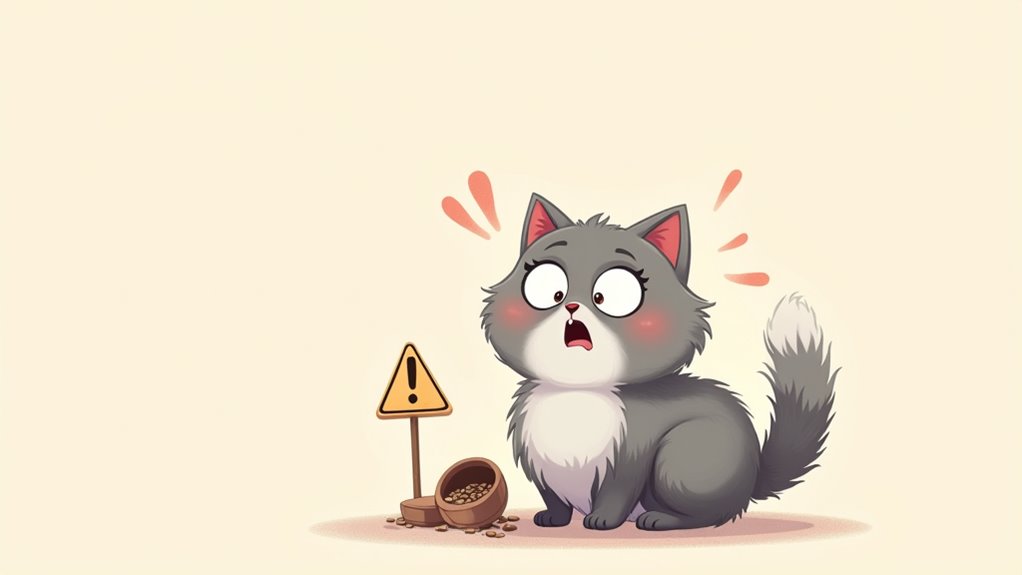
Poppy seeds can seriously harm cats. Symptoms show up quickly and can be quite alarming.
First, you might see changes in behavior. Your cat may seem very tired or suddenly very active. Watch for signs like dilated pupils or staring into space. These indicate problems with their nervous system.
Vocal sounds or odd behaviors can also happen. After the initial signs, gastrointestinal issues may follow. Vomiting is common as the cat’s body tries to rid itself of toxins. Look for nausea, upset stomach, or diarrhea. A drop in appetite is usual too, especially after eating the seeds. Finding any plant parts in vomit can confirm they ate something harmful.
Symptoms can worsen fast. Acting quickly is crucial. Contact your veterinarian right away if you notice these signs. Timely care can prevent serious health issues for your cat.
Risk Factors and Safety Considerations
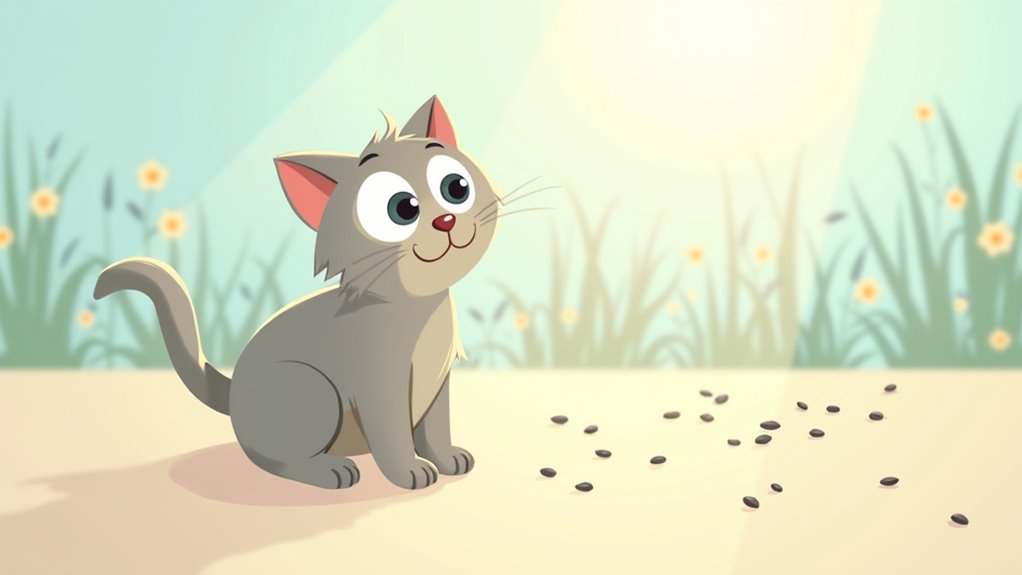
Cats have a special metabolism that makes them sensitive to poppy seeds. These seeds contain harmful substances like morphine and thebaine. Even small amounts can be dangerous. The risk increases if a cat eats baked goods with poppy seeds or touches any part of the poppy plant.
To keep your cat safe, follow these tips:
- Store poppy seeds safely. Keep all foods with poppy seeds out of reach.
- Avoid non-food grade seeds. These may have higher levels of harmful substances.
- Watch your cat’s health. Cats with less weight or health issues may react more strongly.
- Act quickly if your cat eats poppy seeds. Get veterinary help to avoid serious problems.
Always put your cat’s safety first. Choose foods that are safe for pets, and stay aware of potential dangers.
Treatment Options for Poppy Seed Toxicity
Poppy seed toxicity can harm your cat. Quick action is essential for safety. First, remove any poppy seeds from your cat’s mouth. This helps limit toxin absorption.
Next, contact your veterinarian or an emergency animal hospital right away. Don’t try to make your cat vomit. This can make symptoms worse or cause choking.
Treatment Options:
- Supportive Care: Your vet may give activated charcoal. This helps bind toxins in the stomach.
- IV Fluids: These keep your cat hydrated and help with blood flow.
- Symptom Relief: Medications can help with vomiting or seizures.
Monitoring:
Watch your cat closely. Check their heart rate and breathing. Look for signs of confusion or seizures.
Regular check-ups are important during recovery. Your quick response can make a big difference!
Preventive Measures for Cat Owners
Keep your cat safe from poppy seeds by taking important steps at home and in your garden.
Start with poppy plant removal. Make sure to check and remove all poppy plants and seeds from areas your cat can reach.
Store baked goods with poppy seeds in sealed containers. Place them out of your cat’s reach. Avoid using poppy seed dressings near your feline friend.
Teach everyone in your home about the dangers of poppy seeds. Regularly check your garden for poppy seedlings.
Choose cat-safe plants like catnip, cat grass, or lavender instead of poppies. These plants are safe and can grow well in your garden.
For outdoor cats, keep a close eye on them, especially in gardens or parks.
Always have contact information for an emergency vet handy. Quick access can help if your cat accidentally eats something harmful.
Your attention can greatly improve your cat’s safety!
Frequently Asked Questions
Can Cats Eat Foods Containing Poppy Seeds?
Cats should not eat poppy seeds. These seeds can be toxic to them. Even a tiny bit can cause serious health issues. Symptoms of toxicity include weakness, slow breathing, and even more severe reactions. It’s important to keep all foods with poppy seeds away from your cat. Always check ingredients before sharing any food with them. Keeping your cat safe is what matters most.
Are All Types of Poppy Seeds Toxic to Cats?
Poppy seeds can be harmful to cats. Not all poppy seeds have the same level of toxicity, but risks still exist. It’s important to keep an eye on your cat’s exposure to these seeds. If you think your cat ate some, contact a vet for advice. Cats can react differently to various foods. Always prioritize their safety and health. Stay informed about what foods are safe for your furry friend.
How Much Poppy Seed Is Harmful to Cats?
Even a small amount of poppy seeds can harm cats. Poppy seeds are toxic to felines. No safe amount exists for cats. It’s best to keep poppy seeds away from your pet. Symptoms of toxicity can include vomiting, lethargy, and even more severe issues. Protect your cat’s health by avoiding all poppy seeds. Always choose safe foods for your furry friend. Your cat’s well-being is important. Make sure to check what foods are safe for them.
What Should I Do if My Cat Eats Poppy Seeds?
Your cat eating poppy seeds is serious. Contact an emergency vet right away. Watch for signs like drooling or being very tired. Do not make your cat vomit unless the vet tells you to. Acting fast can help keep your cat safe and healthy. Remember, quick action is very important.
Are There Safe Alternatives to Poppy Seeds for Cats?
Explore safe herbs for cats like valerian. These options are fun and safe. You can also use seeds like pumpkin and flaxseeds. Many cat owners want safe plants for their pets. In fact, 70% of them look for these alternatives. Choosing the right plant can keep your cat healthy and happy. Always prioritize your pet’s safety.
Conclusion
Poppy seeds can be very harmful to cats. Even a small amount may cause serious health problems. Cats might show signs like tiredness or seizures. It’s important to act fast. If your cat eats poppy seeds, call the vet right away. Keeping your home safe is essential for your cat’s health. Always check for things that could be dangerous. Stay alert and protect your furry friend!
