
Can Cat Eat Spinach
This post contains affiliate links. As an Amazon Associate, we earn from qualifying purchases.
Cats can eat spinach, but it should be done with caution. Spinach contains beneficial vitamins and fiber, but it also has calcium oxalate, which can lead to urinary stones in susceptible cats. To ensure your cat’s safety, limit spinach to just 1-2 raw leaves or small portions of cooked spinach per week, avoiding any additives. It’s important to monitor your cat for any symptoms such as vomiting or straining to urinate. For those interested in a deeper understanding of the risks and benefits, further details will follow.
Essential Facts in 30 Seconds
- Cats can eat spinach in moderation but it shouldn’t replace their protein-rich diet.
- Spinach has beneficial nutrients but may lead to urinary issues due to high calcium oxalate levels.
- Raw spinach carries more risk; cooked spinach is safer with lower oxalate levels.
- Introduce spinach slowly and watch for negative reactions like vomiting or difficulty urinating.
- Consult a veterinarian if serious symptoms occur after spinach consumption.
Safety of Spinach for Cats
Feeding your cat spinach can be a tricky choice. Spinach has vitamins and fiber, but it can also cause health problems. This is especially true for cats with urinary tract issues.
Risks to Consider:
- Calcium Oxalate: Spinach has calcium oxalate. This can cause kidney or bladder stones in some cats.
- Watch for Symptoms: Signs to notice include straining to urinate, vomiting, or being very tired.
Safe Ways to Feed Spinach:
- Portion Size: Give small amounts only as a treat now and then.
- Preparation: Cook spinach lightly to lower oxalate levels. Wash it well to remove dirt and chemicals.
Keep an Eye on Your Cat:
Watch your cat after eating spinach. If you see any bad reactions, contact your vet right away. Knowing these risks and following safe feeding tips helps you make good choices for your cat’s health.
Nutritional Value of Spinach for Cats
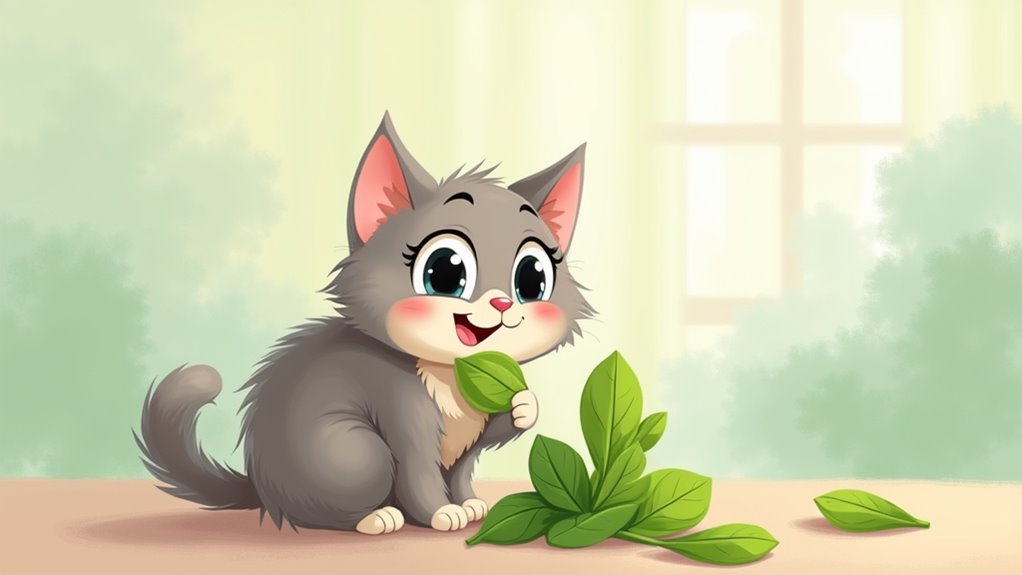
Spinach can be a healthy treat for your cat, but let’s look at its nutritional value. Spinach contains many important nutrients that can help your cat stay healthy. Here are some of the main nutrients found in spinach:
| Nutrient | Benefits | Importance |
|---|---|---|
| Vitamins | A, K, B6, B2, E, C | Supports vision, boosts the immune system, and helps red blood cells |
| Minerals | Iron, Magnesium, Calcium, Potassium | Helps with oxygen transport, muscle function, and strong bones |
| Dietary Fiber | Aids digestion and helps manage weight | Supports gut health and keeps your cat feeling full |
Offering spinach in small amounts can add good nutrients to your cat’s diet. It provides vitamins and minerals that work alongside their main protein needs. Remember, cats mainly need animal proteins. Spinach should not be the main part of their meal. Always talk to your vet before adding new foods to your cat’s diet.
Raw Spinach Considerations
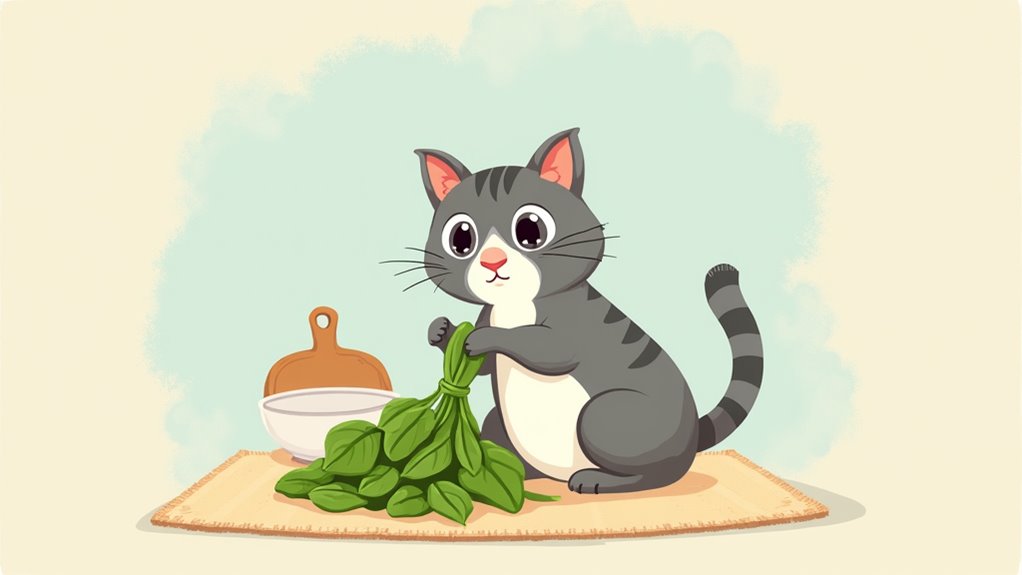
Raw spinach can be a fun treat for your cat. Yet, it’s important to think about the risks. Small amounts are usually safe for healthy cats. But spinach has a lot of calcium oxalate. This can cause urinary crystals or stones, especially in cats with kidney or bladder problems.
Serving Sizes and Feeding Frequency
- Give raw spinach in tiny amounts, like 1-2 leaves per week. This keeps oxalate levels low.
- Watch your cat after feeding it. Some cats might get an upset stomach.
Precautions
- Always wash spinach well to remove dirt and pesticides.
- Introduce spinach slowly to see if your cat reacts badly.
Cooked Spinach Considerations
Cooked spinach is a safer choice for cats than raw spinach. Cooking reduces oxalate levels, which can be harmful. Here are some key points to keep in mind:
- Steaming or sautéing is best. These methods keep more nutrients than boiling.
- Serve small portions. Bite-sized pieces help prevent choking and digestion issues.
- No additives. Avoid oil, salt, or spices. These can be bad for your cat.
- Introduce slowly. Start with a tiny bit and watch for any reactions.
Cooked spinach can offer vitamins and minerals. Treat it as an occasional snack.
Always check with your vet before adding it to your cat’s meals, especially if your cat has health issues. Keeping it in moderation helps keep your cat healthy and happy!
Risks Associated With Spinach in Cats
Adding spinach to your cat’s diet comes with risks. Spinach has oxalates. These can lead to urinary or kidney stones. This is especially true for cats with urinary problems. Even a little spinach can be harmful if your cat has a history of bladder issues.
Raw spinach can also upset your cat’s stomach. It may cause irritation, vomiting, or diarrhea if they eat too much. The tough texture might even be a choking hazard.
To reduce these risks, feed your cat cooked spinach in small amounts. Keep an eye out for any bad reactions. Signs like trouble urinating or loss of appetite are serious. If you see these symptoms, call your vet right away.
Frequently Asked Questions
Can Kittens Eat Spinach Safely?
Kittens can safely eat small amounts of spinach. This vegetable has some nutrients that can be good for them. Spinach is low in calories and can add variety to their diet. It is important to be careful because spinach contains oxalates. These can cause problems in larger amounts. Always check with your vet to make sure spinach works for your kitten’s diet. They can help you find the right balance of foods. Remember, a healthy diet is key for your kitten’s growth.
How Often Can I Give Spinach to My Cat?
Spinach can be a fun treat for your cat. Offer it rarely, like a special dessert. Keep it to about 10% of their daily food. Spinach has some health benefits, but too much can cause issues. Always chop it up well before giving it. Monitor your cat for any bad reactions. Enjoy giving your cat this tasty green once in a while!
Can Spinach Replace Vegetables in Cat Food?
Spinach cannot replace other vegetables in cat food. It has some good nutrients, but cats need meat for protein. Spinach can help add some vitamins, but it can’t take the place of important foods. Cats are carnivores. Their bodies are designed to get nutrients from animal products. They need these nutrients to stay healthy and strong. Always make sure your cat’s diet includes the right balance of meat and vegetables. This keeps them happy and healthy.
Do Cats Like the Taste of Spinach?
Cats do not usually enjoy spinach. Most cats love meat. Their taste buds crave protein. Spinach can be healthy, but it’s not their favorite. Cats are obligate carnivores. This means they need meat for proper nutrition. Some might nibble on greens out of curiosity. Yet, it’s rare for them to seek out spinach.
Adding a little spinach to their diet can be okay. It offers vitamins and fiber. But don’t expect your cat to beg for it. Focus on providing high-quality meat instead. This ensures your cat stays happy and healthy. Remember, a cat’s diet should mainly consist of animal-based foods. Spinach can be an occasional treat, but meat is key.
What Are Signs of Spinach Intolerance in Cats?
Vomiting, diarrhea, or scratching after eating spinach may mean your cat is intolerant. Pay close attention to how their digestion reacts. Signs of discomfort are important. Spinach has some benefits, but it’s not worth risking your cat’s health. Always prioritize their comfort and well-being. If you notice any of these signs, consider removing spinach from their diet. Consult your vet for the best advice on your cat’s nutrition. Keeping them healthy and happy is what matters most.
Conclusion
Cats can eat spinach, but caution is needed. Spinach contains oxalates. These can be harmful to your cat’s health. Always introduce new foods slowly. Offer spinach in small amounts. Watch for any signs of trouble. If your cat feels unwell, call the vet right away. Spinach may look like a safe treat. Yet, weigh the benefits and risks before sharing it with your furry friend.
