
Can Cat Eat Tuna
This post contains affiliate links. As an Amazon Associate, we earn from qualifying purchases.
Cats can eat tuna, but it should only be given in moderation. While tuna is high in protein and omega-3 fatty acids, it can also contain mercury, which poses serious health risks. It’s recommended to limit the serving size to just 1 teaspoon, once or twice a week, and ensure it’s canned tuna packed in water without added salt or spices. Overconsumption can lead to nutritional imbalances and conditions like mercury poisoning. For those interested in more details and safe feeding practices, further information will be provided later in the article.
Essential Facts in 30 Seconds
- Cats can have tuna as an occasional treat, up to once or twice a week.
- Use plain tuna packed in water, avoiding oils and seasonings.
- Limit tuna to 10% of daily caloric intake to maintain nutritional balance.
- Be aware of mercury levels in larger tuna species, which can be harmful.
- Watch for signs of mercury poisoning, like lethargy and coordination issues.
Nutritional Benefits of Tuna for Cats
Tuna is a great food for cats. It offers many nutritional benefits.
First, tuna is high in protein. This helps your cat build strong muscles and stay healthy. It also supports their immune system.
Tuna contains omega-3 fatty acids. These are good for your cat’s coat. They keep it shiny and healthy. Omega-3s also help with brain health. This can keep your cat sharp and alert.
Choose the right type of tuna. Look for canned tuna in water. Make sure it has no added salt or spices. Serve it as an occasional treat, not a daily meal. Too much tuna can lead to health problems. Limiting tuna intake to about once a week is advisable to avoid health risks.
Buy tuna from sustainable brands. This helps protect our oceans and fish populations.
Treat your cat with this tasty fish, but do it wisely. Your cat will enjoy it, and you’ll support their health.
Health Risks Associated With Tuna Consumption

Tuna might seem like a fun snack for your cat, but it has serious risks. Tuna often contains high levels of mercury. This can poison your cat and damage their nervous system. High mercury can lead to health problems over time. Additionally, high mercury content in tuna can cause symptoms of poisoning such as lethargy and lack of coordination.
Too much tuna can cause other issues too. Cats may not get enough nutrients if they eat only tuna. This can result in conditions like pansteatitis. Pansteatitis can make your cat very sick. Additionally, relying solely on tuna can create nutritional imbalances that affect your cat’s health.
It’s best to limit tuna in your cat’s diet. Focus on balanced cat food to keep them healthy. Always consult with your vet for the best choices for your furry friend.
Mercury Toxicity Concerns
Feeding your cat tuna can be risky due to mercury toxicity. Mercury can cause serious health problems. Larger tuna species, like bluefin, often have high mercury levels. Bluefin tuna can have more than 0.5 ppm of mercury.
Some canned tuna can also be dangerous. About 20% of tested cans show mercury levels that are concerning.
To keep your cat safe, pay attention to where the tuna comes from. Choose brands that test for mercury. Smaller tuna species, like skipjack, are safer options.
Limit your cat’s tuna intake to protect its health from mercury’s harmful effects. This way, you can ensure a healthier diet for your furry friend.
Nutritional Deficiencies Risks
Cats love the taste of tuna, but too much can harm their health. Tuna doesn’t have all the important vitamins and minerals. This can affect how well your cat absorbs nutrients.
Over time, a diet heavy in tuna can lead to serious health problems. These problems can include muscle weakness, brain issues, and skin problems.
Nutritional Risks:
- B Vitamins: Low amounts can cause weakness and seizures.
- Calcium: Not enough can hurt bones and teeth.
- Linoleic Acid: A shortage can lead to dry skin and itching.
- Vitamin K: A lack can cause bleeding issues.
To keep your cat healthy, mix tuna with a balanced diet. This way, your feline friend gets all the nutrients they need for good health.
Pansteatitis and Fat Imbalance
Eating too much tuna can cause pansteatitis in cats. This condition, also known as yellow fat disease, is painful. It happens when cats eat too many unsaturated fatty acids and not enough vitamin E. Symptoms include lethargy, fever, and painful fat lumps.
To keep your cat healthy, offer a balanced diet. Here are some good food options:
- Chicken: Lean and full of protein.
- Turkey: Another excellent source of protein.
- Commercial cat foods: Made to meet all of your cat’s nutritional needs.
Tuna as an Occasional Treat
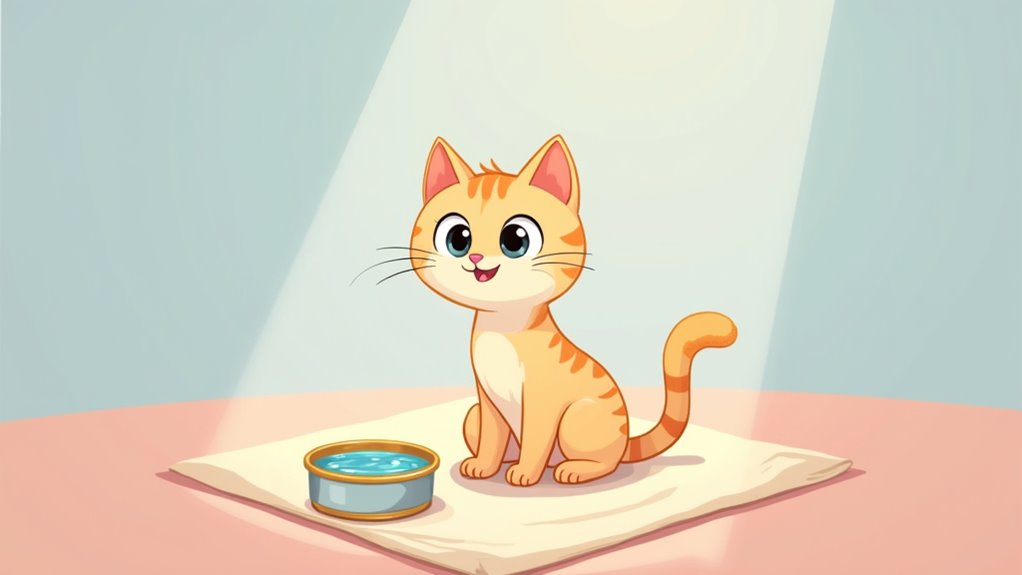
Tuna is a yummy treat for your cat. It has high-quality protein and omega-3 fatty acids. These nutrients help keep your cat healthy. Omega-3 fatty acids benefit skin, coat, and overall health in cats.
Be careful not to give too much tuna. Feeding too much can cause problems like nutritional imbalances or mercury poisoning.
Serve only 1-2 teaspoons of tuna. Do this once or twice a week.
This way, tuna stays a special reward, not a main food. Additionally, tuna lacks essential nutrients needed for a balanced diet, so it’s important to ensure your cat receives a variety of foods.
Nutritional Benefits of Tuna
Tuna is a popular fish for both humans and cats. It offers many nutritional benefits. This fish has high-quality protein. Protein helps build and keep strong muscles. Cats need protein for energy and recovery.
Tuna is also packed with omega-3 fatty acids. These healthy fats support a shiny coat. They also help keep the heart and kidneys healthy. Tuna contains important vitamins and minerals too. B12 and selenium are good for overall health.
Tuna has low carbohydrates, which helps keep blood sugar levels healthy. It can be a tasty treat for your cat.
But remember, it shouldn’t replace their regular food. Tuna should only be a special addition to a balanced diet. Treat your cat with care and keep their health in mind!
Risks of Overfeeding Tuna
Cats love tuna, but overfeeding it can be harmful. Many cats find tuna delicious, but too much can cause big health problems. Here are some risks to know:
- Mercury Poisoning: Tuna can have high levels of mercury. Eating it often may hurt your cat’s brain and nerves.
- Missing Nutrients: Tuna doesn’t have all the vitamins cats need. Too much tuna can lead to health issues.
- Painful Inflammation: Tuna has a lot of fat. Without enough vitamin E, it can cause painful swelling.
- Picky Eaters: Cats may get addicted to the taste of tuna. They might refuse their regular food.
To keep your cat healthy, look for other treats. Keep an eye on how often you feed them tuna.
Ideal Serving Recommendations
Feeding your cat tuna can be a tasty treat. It’s best to do this in moderation. Offer tuna once or twice a week. This helps avoid nutritional problems. A safe amount is about 1 teaspoon of plain, cooked tuna. It shouldn’t make up more than 10% of your cat’s daily calories.
Here’s a quick look at how much tuna is safe based on your cat’s weight:
| Cat Weight | Max Tuna Serving |
|---|---|
| 5 lbs | 0.4 ounces |
| 10 lbs | 0.7 ounces |
| 15 lbs | 1.0 ounces |
| 20 lbs | 1.3 ounces |
Prepare tuna simply. No oils or seasonings are needed. Treat it as a special snack, not a meal.
Behavioral Implications of Feeding Tuna
Many cat owners think tuna is a tasty treat. It can change your cat’s behavior. Feeding tuna may lead to some worrying signs.
Tuna-fed cats often vocalize less. This means they show less interest in playing or interacting. They also spend more time lying on the floor. This shows they’re less active. Regular tuna eating can make cats picky about food.
Tuna doesn’t have all the nutrients cats need. This can cause them to feel tired and irritable.
Even if your cat loves tuna, it can cause bad changes in behavior and health. Instead of making tuna a regular food, offer a mix of healthy foods. This helps keep their energy up and their mood happy.
Special Toxicity Concerns
Tuna might look like a tasty treat for your cat, but it can be harmful. The biggest worry is mercury. This poison builds up in your cat’s body over time. Larger fish, like albacore tuna, have more mercury than smaller ones.
| Mercury Sources | Health Risks |
|---|---|
| Tuna (larger species) | Methylmercury bioaccumulation |
| Commercial cat foods | May have high mercury levels |
| Environmental sources | Rare exposure possible |
| Human-prepared tuna | Risk from additives and spices |
| Chronic consumption | Can cause malnutrition and allergies |
Signs of mercury poisoning include wobbly walking, shaking, and vision problems. Keep your cat safe by ensuring their diet has less than 10% tuna. Always check that tuna in cat food comes from safe sources and has been tested for mercury. Chocolate toxicity can also pose a risk to your cat’s health, so it’s essential to be mindful of what they consume. Your cat’s health is very important!
Recommendations for Feeding Tuna to Cats
Tuna can be a tasty treat for your cat. It’s important to be careful about how much you give.
Here are some simple tips for feeding tuna to your cat:
- Keep tuna to 10% of your cat’s daily food. This helps keep their diet balanced.
- Always pick tuna in natural spring water. Avoid oil or brine.
- Give tuna as a special treat. Once or twice a week is best.
- Watch how your cat reacts. Make sure there are no bad effects.
These steps will help keep your cat healthy while enjoying tuna.
Frequently Asked Questions
Can Kittens Eat Tuna Safely?
Kittens can eat tuna, but only sometimes and in small amounts. Tuna should not be the main food. It lacks some important nutrients that kittens need to grow strong. Too much tuna can cause health problems. It’s best to give your kitten balanced food made for their age. Always check with your vet before adding new foods to their meals. This keeps your kitten healthy and happy.
Is It Safe to Cook Tuna for Cats?
Cooking tuna for cats may not be the best choice. Even if it seems safe, there are risks. Tuna can have high levels of mercury. Too much mercury can harm your cat’s health.
Tuna also lacks some important nutrients cats need. Feeding it too often can cause nutritional imbalances.
It’s better to stick to low-mercury options. Treat tuna as a rare snack, not a meal. This way, your cat stays healthy and happy. Always consult your vet for the best diet choices for your pet.
How Often Can I Give My Cat Tuna?
You can give your cat tuna one or two times each week. This treat can help keep your cat hydrated. But be careful. Tuna can have high mercury levels. Too much mercury is not safe for cats.
Tuna also lacks some nutrients that cats need. A diet too rich in tuna can cause imbalances. Always balance tuna with other cat foods. Consider high-quality cat food for daily meals. Your cat will appreciate the variety. Keep their health in mind. Moderation is key!
Are There Alternative Fish Options for Cats?
Safe fish options for cats include wild salmon, sardines, and cod. These fish are packed with nutrients. They provide essential fatty acids and proteins. These nutrients help keep your cat healthy.
Wild salmon is rich in omega-3 fatty acids. It supports a shiny coat and healthy skin. Sardines are small but mighty. They offer a lot of nutrition in tiny packages. Cod is another great choice. It has a mild flavor that many cats enjoy.
Diversifying your cat’s diet can be fun. Mix in these fish options to keep meals interesting. Your cat will love the variety!
Can Tuna Cause Allergic Reactions in Cats?
Tuna can indeed cause allergic reactions in cats. Many cats may show signs like itching or stomach problems. These reactions happen because some cats are sensitive to tuna. It is not toxic, but it can make your cat uncomfortable. Always watch for symptoms if your cat eats tuna. If you see any signs of an allergy, consult your vet. They can help you decide what is best for your pet’s diet. Keep your cat happy and healthy by being careful with their food choices.
Conclusion
Tuna can be a tasty treat for your cat. It’s important to give it in moderation. Think of tuna like a special snack. Too much can harm your cat’s health. Limit tuna to occasional bites, not daily meals.
Cats need a balanced diet with different nutrients. Too much tuna can lead to health problems. Some cats may become addicted to it. A varied diet keeps your cat happy and healthy. Enjoy sharing tuna, but remember to be careful. Your cat’s health is more important than a tasty fish treat.
