
Can Cat Eat Weed
This post contains affiliate links. As an Amazon Associate, we earn from qualifying purchases.
Cats should never eat weed, as it is toxic and can lead to serious health issues. Symptoms of marijuana exposure in cats include coordination problems, extreme tiredness, confusion, dilated pupils, drooling, vomiting, and changes in heart rate. Ingesting cannabis, especially in the form of edibles, can even result in neurological problems or seizures. It is crucial to store marijuana safely and inform others about these risks. For those interested in a deeper understanding, further explanation and treatment options will be provided later in the article.
Essential Facts in 30 Seconds
- Cats should not consume weed due to potential health risks and toxicity.
- Ingesting marijuana can cause vomiting, agitation, and confusion in cats.
- THC can severely affect cats because of their unique brain receptors, leading to neurological issues.
- Edibles might contain harmful ingredients, increasing toxicity risks.
- Immediate veterinary help is essential if a cat ingests marijuana to prevent worsening health conditions.
Understanding Marijuana Toxicity in Cats
Marijuana can be very dangerous for cats. They can get sick from eating plant materials or edibles. Cats have special receptors that react to THC, the active ingredient in marijuana. This can cause serious problems in their brain function.
Here are some important points:
- Ingestion Risks: Cats might eat marijuana if left alone, especially outside.
- Metabolism: THC can build up in body fat, like in the liver and brain. It mainly breaks down in the liver. The effects can last up to 72 hours.
- Symptoms: Cats react differently to THC than dogs do. They can show dangerous signs of distress.
Keep your cat safe by being aware of these risks. Always watch your cat closely. Store marijuana products out of reach. Your pet’s safety is important.
Symptoms of Marijuana Exposure in Felines
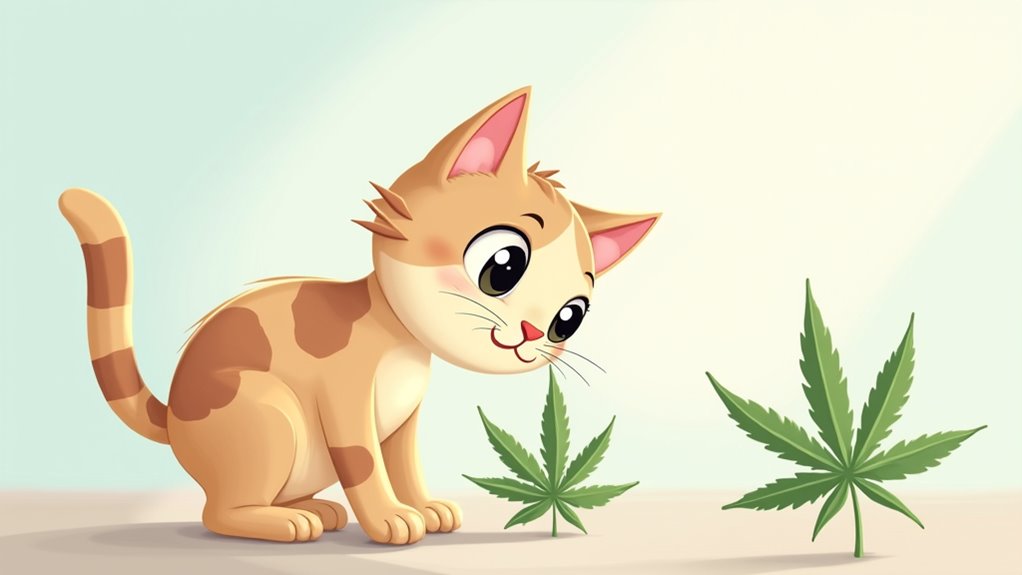
Marijuana exposure in cats can cause serious problems. Recognizing the signs early helps your pet recover faster. Look for coordination issues like ataxia. Your cat might stagger or have trouble walking. Agitation, extreme tiredness, or confusion can also happen.
Physical signs include dilated pupils and drooling. Vomiting and losing control of urine are common too. You may see changes in your cat’s heart rate, which can be very different from normal.
Trembling, shivering, or seizures are serious signs of severe exposure. Symptoms usually show up within 30 to 90 minutes after exposure. They can last for hours or even days.
Get veterinary help right away if you think your cat has been exposed to marijuana. Acting fast is important for better recovery and to check for other serious health issues.
Risks and Potential Outcomes of Ingestion

Understanding the risks of cats eating marijuana is crucial for their safety. The effects of cannabinoids can be serious. Here are three important risks to know:
- Neurological Issues: THC changes how the brain works. This can cause unsteady movements, confusion, and sometimes seizures. Quick veterinary help is essential to avoid worsening conditions.
- Gastrointestinal Distress: Eating marijuana can cause nausea and vomiting. This can lead to dehydration. Constant vomiting needs immediate medical care.
- Toxic Edibles: Many cannabis treats have dangerous ingredients like chocolate or xylitol. These make the situation worse and can confuse diagnosis.
Monitor your cat closely. Seek veterinary help if you think they’ve ingested marijuana. Quick action is vital for your cat’s health and safety. Don’t wait—act fast!
Common Ways Cats Are Exposed to Cannabis
Cats face serious health risks from cannabis exposure. One big danger is eating cannabis-infused foods. Cats may bite into brownies or gummies left out. These treats often contain toxic ingredients like chocolate and THC, which can poison them.
Outdoor exposure also creates risks. Cats love to explore. They might find discarded marijuana or nibble on homegrown plants. Curiosity leads them to chew on dried leaves or buds. This can cause stomach problems or THC ingestion.
Second-hand marijuana smoke can make your cat high. This is especially dangerous in small spaces. Concentrated products, like oils or dabs, are even riskier. They contain high levels of THC.
Keep cannabis secured and watch your cat’s environment to reduce these dangers.
Treatment and Preventative Measures for Cat Owners
Cannabis can harm cats. It’s important for pet owners to act fast if their cat eats marijuana or its products. Here’s what to do and how to prevent it:
- Take Immediate Action: Call a vet or poison control right away. They may make your cat vomit or give activated charcoal to reduce THC absorption.
- Watch for Symptoms: Keep an eye on your cat’s heart rate, breathing, and temperature. Look for severe symptoms like seizures or extreme agitation. These need urgent care.
- Prevent Future Accidents:
- Store cannabis products safely out of your cat’s reach.
- Teach family members and guests about the risks.
- Dispose of cannabis waste properly to keep it away from your cat.
Stay alert and keep your feline friend safe!
Frequently Asked Questions
Can Cats Get High From Marijuana Plants?
Cats can get high from marijuana plants. This can lead to strange behavior in cats. They might become lazy, confused, or overly sensitive. It’s important to keep marijuana away from your cat. This helps avoid any chance of poisoning. Always watch what your pet has access to. Keeping your home safe is key.
Are There Any Safe Marijuana Products for Cats?
Safe marijuana alternatives exist for your cat. CBD oil is one option. It supports health without the high from THC. Look for products made just for pets. These should have very little THC. Always check with your vet before trying something new. Your cat’s safety is the most important thing.
How Long Does Marijuana Stay in a Cat’s System?
Marijuana can stay in a cat’s system for hours or even days. It depends on their metabolism and how much they were exposed to. THC, the active part of marijuana, can build up in fatty tissues. This means that effects might last longer. Keep an eye on your cat if they accidentally ingest marijuana. Signs of trouble include lethargy, confusion, or trouble walking. If you notice these symptoms, contact a vet right away. Always be cautious about where you store marijuana products to keep your pets safe.
What Should I Do if My Cat Eats Hemp Seeds?
Your cat might eat hemp seeds by accident. Keep an eye on them for any tummy troubles. Hemp seeds can be good because they have omega fatty acids. But they can also cause some issues for cats.
Make sure your cat has plenty of water. Comfort them if they seem upset. Symptoms like vomiting or diarrhea may happen. If these get worse or don’t go away, call your vet. It’s better to be safe and get professional advice.
Is CBD Oil Safe for Cats?
CBD oil can be safe for cats. It may provide benefits like reducing anxiety or pain. Always follow dosage guidelines. A common dose is 2-4 mg per kg of your cat’s weight, given twice daily.
Before starting CBD oil, talk to your vet. They can help ensure it’s safe for your cat. Not all cats will respond the same way to CBD. Some may feel relaxed, while others might not notice much difference.
Look for high-quality products. Check for third-party lab tests to ensure purity. Avoid products with THC, as it can be harmful to cats.
Keep an eye on your cat after giving CBD oil. Watch for any changes in behavior or health. If you notice anything unusual, contact your vet right away.
CBD oil might be a helpful option for some cats, but safety comes first.
Conclusion
Sharing cannabis with your cat might seem fun, but it’s very dangerous. Marijuana can harm cats and cause serious health problems. Keep all cannabis products away from your furry friend. If your cat eats any, call a vet right away. Always store marijuana safely. Your cat’s health is very important. Protect them from harmful substances. Stay informed about what is safe for your pet.
