
Can People Eat Cat Food
This post contains affiliate links. As an Amazon Associate, we earn from qualifying purchases.
Eating cat food is not safe for humans due to its high protein and fat content, which can lead to stomach issues like nausea or diarrhea. Additionally, it lacks essential nutrients such as vitamin C and may pose long-term health risks, particularly to your kidneys because of elevated phosphorus levels. While it can provide temporary protein in emergencies, caution is advised. For those curious about the specifics and potential risks, further explanation and details will follow.
Essential Facts in 30 Seconds
- Cat food is designed specifically for cats and lacks necessary nutrients for humans, such as vitamin C.
- Eating cat food can cause digestive issues like nausea and diarrhea in humans.
- It may contain harmful bacteria and toxins, which can be risky for human health.
- While cat food can serve as a temporary food source in emergencies, it should not replace a proper human diet.
- Accidental tasting of cat food happens, but regular consumption should be avoided due to health risks.
Nutritional Composition of Cat Food
Understanding cat food is key for your pet’s health. Cat food mainly contains proteins, fats, and very few carbohydrates.
Adult cat food should have at least 26% protein. This protein comes from animal meats like chicken or salmon. Protein supports your cat’s growth and overall health.
Fats are also important. They should make up 20-40% of the food’s calories. Fats give your cat energy and help keep their coat shiny and healthy.
Cats are obligate carnivores. They need low carbohydrates, usually just 1-2% of their diet.
Key minerals like calcium, phosphorus, and potassium are vital. They help with bone and muscle health. Calcium levels should range from 1.5% to 3.1%.
Choosing high-quality cat food ensures your cat absorbs all the nutrients. Foods lacking important fatty acids, like linoleic acid, can affect your cat’s health. Hydration is crucial for overall health, so always ensure fresh water is available for your cat.
Always check labels to ensure your cat gets a balanced diet. A well-fed cat is a happy cat!
Human Digestibility and Safety Concerns
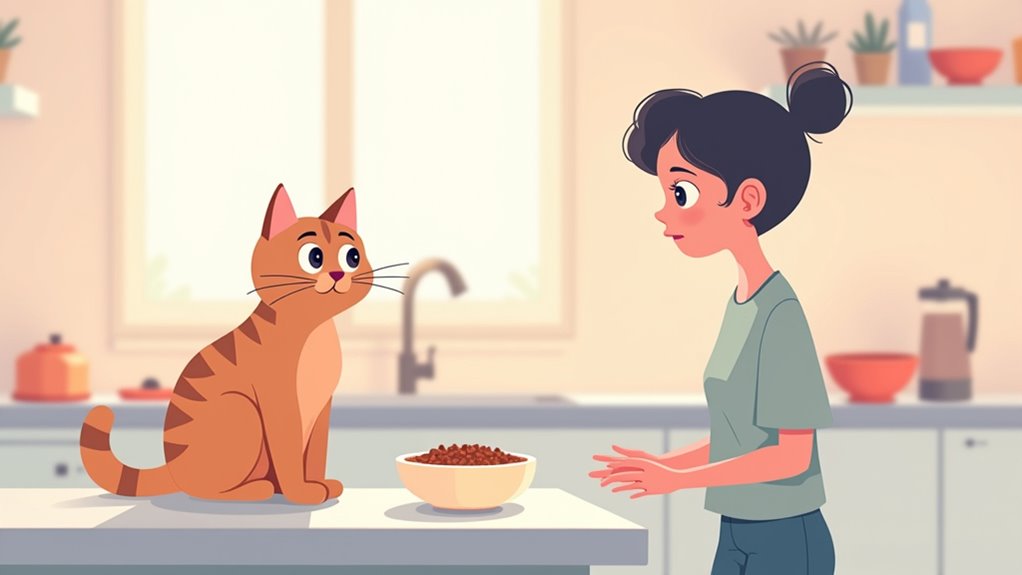
Cat food may seem like a quick snack, but it can be harmful to humans. Our bodies can’t digest the high protein and fat found in cat food. Eating it can lead to nausea, vomiting, and diarrhea.
Safety Points to Consider:
- Bacteria: Cat food often has harmful germs, like Salmonella. Eating it can cause serious sickness.
- Toxins: Some cat food may contain aflatoxins, which are very dangerous.
- Storage: If cat food isn’t stored properly, it can become unsafe.
In an emergency, if you must eat cat food, check the ingredients. Only eat a small amount.
Regularly eating cat food can lead to serious health problems, like nutrient shortages and stomach issues. Always choose human food for your meals!
Nutritional Differences: Cats Vs Humans
Cats and humans have very different dietary needs.
Cats thrive on high protein from animal sources. They need specific nutrients, like taurine, which humans don’t require.
On the other hand, humans need carbohydrates for energy. A wider variety of vitamins and minerals is also important for us.
Because of these differences, cat food isn’t suitable for human diets.
Choosing the right food is key for both cats and people.
Protein Requirements Comparison
Understanding protein needs is important for pet owners. Cats require more protein than humans. This is due to their nature as obligate carnivores. Here’s a clear comparison of protein requirements:
| Requirement | Cats (g/kg body weight) | Humans (g/kg body weight) |
|---|---|---|
| Minimum Protein | 1.5 | 0.8 – 1.0 |
| Lean Body Mass Requirement | 5.2 | N/A |
| Typical Diet Protein % | 30-45% | 10-35% |
| Vital Amino Acids | Taurine, Arginine | Varied |
| Health Risks | Muscle catabolism | N/A |
Cats need at least 1.5 grams of protein for each kilogram of their body weight. Humans only need about 0.8 to 1.0 grams. For lean body mass, cats need 5.2 grams. Humans do not have a specific requirement for this.
In their diets, cats usually get 30-45% of their food from protein. Humans get only 10-35% of their food from protein. Cats also need vital amino acids like taurine and arginine to stay healthy. Humans have a variety of amino acid needs.
Without enough protein, cats can lose muscle. This can lead to serious health issues. Understanding these differences helps keep both you and your cat healthy.
Carbohydrate Digestibility Discrepancies
Carbohydrate digestibility in cats is very different from that in humans. This difference can create confusion about what cats need to eat.
Cats have fewer enzymes, like amylase, to break down carbohydrates. This means they digest starches much less efficiently. Their ability to absorb carbohydrates is about twice as slow as dogs. Unlike humans, cats can’t adjust their enzyme levels based on how much carbohydrate they eat.
To help your cat digest carbohydrates better, try these tips:
- Cook and process carbohydrates. This can make them easier to digest.
- Select the right sources. Options like cassava or sweet potatoes can help your cat’s metabolism.
These steps can improve your cat’s digestion and overall health.
Essential Nutrient Variances
Cats and humans have different nutritional needs. This difference can cause health problems if not understood. Here are some important points.
Cats need a lot of protein. They require over 50% of their protein from animal sources. Humans need less protein and can get it from plants and animals.
Taurine is crucial for cats. They can’t make it on their own. Humans can produce taurine, so we don’t need it in our diet.
Cats also need specific vitamins and minerals. These nutrients aren’t always found in human diets. This can lead to nutritional gaps for cats.
Choosing cat food for yourself isn’t a good idea. Cat food is made for their needs, not for humans. Eating cat food can cause health issues.
It’s important to know these differences. Always talk to a healthcare professional before changing your diet.
Human-Grade Cat Food Attributes
Human-grade cat food must have whole meat ingredients and natural preservatives.
Whole meats give essential proteins. These proteins help keep your cat healthy.
Natural preservatives, like tocopherols, keep food safe. They avoid harmful chemicals.
Picking products with these qualities ensures a better diet for your cat. This food is so good, it could be safe for you too, in a pinch.
Whole Meat Ingredients
Whole meat ingredients are key in high-quality cat food. They give your cat essential nutrition.
Here are some benefits of whole meat:
- Balanced amino acids: Whole meats offer vital nutrients like taurine for heart health.
- Quality protein: This helps keep muscles strong. It’s important for carnivorous cats.
- Better digestion: Whole meat sources have fewer fillers. This means cats absorb nutrients more effectively.
Choosing cat food with whole meat ingredients ensures your feline friend gets the best.
Quality matters for their health and happiness.
Natural Preservatives Used
Natural preservatives are essential for safe and high-quality cat food. They keep food fresh without using harmful chemicals. This is important for your cat’s health.
Here are some common natural preservatives:
- Vitamin E (mixed tocopherols): This keeps oils from going bad.
- Rosemary extract: It works as a natural antioxidant.
- Ascorbic acid (vitamin C): It helps keep nutrients stable.
- Essential oils (like thyme or oregano): These can fight off germs.
Sourcing these ingredients carefully ensures they’re safe. Avoiding synthetic preservatives lowers the chance of allergies and stomach problems.
Cold-press methods and vacuum-sealed packaging also help keep the food fresh and nutritious. This way, your cat gets the best food possible.
Potential Health Risks of Eating Cat Food for Humans
Eating cat food can be harmful to humans. It doesn’t have the right nutrients for people. Here are some serious health risks to consider:
- Kidney Problems: Cat food often has too much protein and phosphorus. This can hurt kidneys, especially if someone already has issues.
- Liver Damage: Some cat foods may have aflatoxins. These can cause liver failure if eaten over time.
- Missing Nutrients: Cat food lacks important vitamins, like vitamin C. This can lead to health problems.
It’s best to stick to food meant for humans. Our bodies need different nutrients to stay healthy.
Situations Where Humans Might Eat Cat Food
There are a few situations where humans might eat cat food. Here are some examples:
| Situation | Description | Cautionary Note |
|---|---|---|
| Survival Scenarios | In emergencies, cat food can provide protein and calories. | It’s made for cats, so be careful. |
| Experimental Curiosity | Some people try cat food out of curiosity. | Only taste small amounts. |
| Accidental Consumption | You might accidentally taste cat food while feeding your pet. | This usually happens by mistake. |
| Cultural Factors | Rare cultural practices may involve tasting pet food. | These practices need thoughtfulness. |
| Nutritional Supplement | Human-grade cat food can serve as protein in a pinch. | Don’t let it replace regular meals. |
Always think about your health first.
Frequently Asked Questions
Is Cat Food More Expensive Than Regular Human Food?
Cat food usually costs more than regular human food. Premium wet and fresh cat foods are often the most expensive. Many commercial cat foods have higher prices per calorie than common human meals.
For example, a can of cat food may cost $1 while a typical meal for humans might be only 50 cents. Some owners pay for special diets for their cats, like grain-free or organic options. These can be even pricier.
Most cat owners want to give their pets the best. They look for high-quality ingredients. This can mean spending more on cat food. In short, expect to pay more for cat food compared to normal human food.
What Flavors Are Commonly Found in Cat Food?
Dreaming of a gourmet cat dinner? Expect flavors like chicken, turkey, and fish. Cat food often uses real meats. This makes meals tasty and healthy for your feline friend.
Many brands also add vegetables. Carrots and peas are common. Some even include grains like rice. These ingredients help give cats energy.
Cats love strong flavors. They enjoy tuna and salmon. These fish flavors are very popular.
Look for high-quality brands. They use fresh ingredients. Your cat deserves the best! Treat them to a delicious and nutritious meal.
Can Humans Survive on Cat Food Long-Term?
Humans cannot survive on cat food for a long time. Cat food does not have the right nutrients that people need. It lacks important vitamins and minerals. Relying on it can lead to health problems.
Cat food is made for cats, not for humans. Cats need different things in their diet. For example, they require more protein and fat. People need a balance of protein, carbs, and healthy fats.
Eating cat food regularly can cause serious issues. People may face deficiencies and other health risks. It is best to stick to human food for a healthy diet.
Choosing a variety of foods helps keep the body strong. Fruits, vegetables, grains, and proteins are essential. A balanced diet keeps you healthy and full of energy.
Are There Any Health Benefits to Eating Cat Food?
Eating cat food has some health risks. It’s not made for humans. Cat food may have good ingredients, but it lacks balance for our diet. Regularly eating it can harm your health.
Some cat foods use safe ingredients. However, they don’t provide the nutrients we need. Humans need different vitamins and minerals than cats. Relying on cat food can lead to serious health issues.
In short, while it might seem okay to taste cat food, it’s best to stick to human food for a healthy diet. Always choose food designed for people. Your body will thank you.
How Is Cat Food Made and Processed?
Cat food is made with care and attention. Quality ingredients are key. First, manufacturers source meats, grains, and vegetables. These ingredients are then blended together. The mixing process ensures every bite is nutritious.
Next, the mixture goes through extrusion. This means it gets cooked and shaped into kibble or wet food. After that, the food is dried to keep it fresh. This step helps lock in flavors and nutrients.
Strict pet food regulations keep everything safe. Each batch is tested to meet health standards. This way, your cat enjoys tasty and healthy meals. Always choose cat food that looks good and smells fresh. Your furry friend deserves the best!
Conclusion
Cat food may look like an easy snack, but it’s not safe for people. It doesn’t have the nutrients that humans need. Eating it can lead to health problems. Remember, a balanced diet is key for staying healthy. Focus on foods that give you energy and help you grow. Make wise choices for your meals!
