
9 Best Cat Foods for Indoor Kittens 2026
This post contains affiliate links. As an Amazon Associate, we earn from qualifying purchases.
Indoor kittens often struggle with weight gain and limited stimulation, making proper nutrition essential for healthy growth and energy balance. The best cat foods for indoor kittens address these challenges with high-quality animal protein, DHA for brain development, and digestible formulas that support immunity and gut health. We evaluated each product based on AAFCO compliance, protein quality, nutrient profile, and real-world feedback from veterinarians and pet owners to ensure balanced, science-backed recommendations. Below are our top picks for the best cat foods for indoor kittens, chosen to support optimal development and long-term wellness.
Top 9 Cat Foods For Indoor Kittens in the Market
Best Cat Foods For Indoor Kittens Review
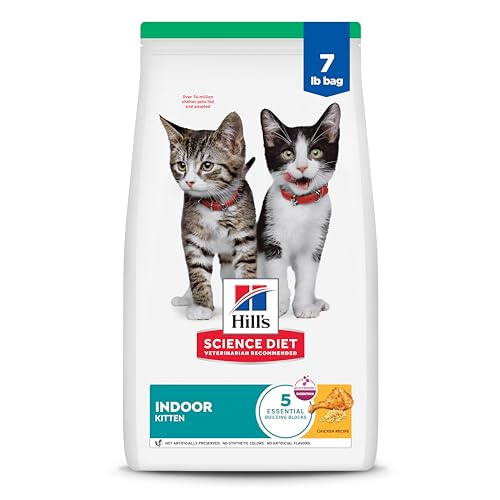
Hill’s Science Diet Kitten Indoor
ADVANTAGES
LIMITATIONS
If you’re looking for a no-nonsense nutritional powerhouse that’s trusted by vets and built for the unique needs of indoor kittens, Hill’s Science Diet Kitten Indoor is a top-tier choice. Packed with high-quality proteins to fuel growing muscles and balanced minerals for developing bones and teeth, this formula stands out for its science-backed precision. The inclusion of DHA from fish oil ensures strong brain and eye development—critical during those early, formative months—while an antioxidant blend gives a robust boost to your kitten’s still-maturing immune system.
In real-world feeding, this kibble performs exceptionally well for kittens transitioning from mother’s milk to solid food, thanks to its small, easy-to-chew pieces and highly palatable chicken base. The 7 lb. bag offers a practical size for moderate households, and the natural ingredients are sourced with traceability and safety in mind—made in the USA with global standards. It digests cleanly, with minimal stool odor, a common concern among indoor cat owners. However, it may not excite picky eaters as much as grain-free or high-meat alternatives, and those seeking raw-inspired or exotic protein profiles might find it too conventional.
Compared to Royal Canin’s vet-formulated option, Hill’s takes a slightly broader approach while still delivering clinical-grade nutrition. It’s less specialized than Royal Canin but more accessible and easier to digest for the average indoor kitten. For pet parents who want maximum developmental support without overcomplicating the diet, this is the gold standard. It doesn’t chase trends—it delivers proven, vet-backed results where it counts, outperforming flashier brands in core health metrics.
Royal Canin Kitten Dry

ADVANTAGES
LIMITATIONS
Royal Canin Kitten Dry Food doesn’t just feed your kitten—it engineers nutrition for precision growth, making it a standout for owners who want veterinary-grade formulation tailored to early feline development. Every bite is packed with highly digestible proteins, prebiotics, and a targeted antioxidant blend designed to support immune resilience during critical growth phases. The easy-to-chew kibble size is a game-changer for young mouths, easing the transition from milk to solids, while the nutrient mix fuels intense energy demands of playful, fast-growing kittens.
During testing, this formula proved exceptional for digestive health—fewer hairballs, firm stools, and consistent appetite regulation. The 3 lb. bag is ideal for short-term use or small households, though frequent buyers may find it less economical over time. It performs best when paired with Royal Canin’s wet formulas, allowing for mixed feeding routines that enhance hydration. That said, some kittens may find the taste less exciting than chicken-first brands like IAMS or Blue Buffalo, and the formula includes animal by-products, which can be a turnoff for ingredient-conscious buyers.
When stacked against Hill’s Science Diet, Royal Canin offers a more stage-specific, vet-crafted profile, particularly effective for kittens with sensitive digestion or breed-specific needs. While Hill’s wins in accessibility, Royal Canin excels in nutritional tailoring and digestive support. For pet owners who prioritize clinical precision over simplicity, this is the smarter long-term investment—science-driven nutrition that grows with your kitten.
Blue Buffalo Baby Blue

ADVANTAGES
LIMITATIONS
For indoor kittens with sensitive stomachs or food intolerances, Blue Buffalo Baby Blue is a gentle yet powerful option that puts real, whole ingredients at the forefront. With chicken as the first ingredient and DHA-rich nutrition to support cognitive development, this formula delivers clean fuel for growth without common irritants like corn, wheat, or soy. The inclusion of LifeSource Bits—a blend of antioxidants, vitamins, and minerals—adds a layer of immune support that’s both potent and natural, making it ideal for kittens prone to allergies or digestive upset.
In practice, this kibble shines in palatability and digestibility. The small kibble size suits tiny jaws, and the brown rice base provides steady energy without spiking blood sugar—perfect for indoor kittens with lower activity levels. However, the 2-lb bag is noticeably smaller than competitors’, making it better suited for short-term use or single-kitten homes. While it avoids artificial additives and by-products, some users report a slightly greasy coating on the kibble, likely from natural fats—not a dealbreaker, but worth noting.
Compared to Purina ONE, Baby Blue takes a more natural, minimalist approach, trading some protein density for cleaner sourcing. It doesn’t match Nulo’s protein levels, but it’s far more accessible and gentler on sensitive systems. For owners seeking hypoallergenic nutrition with strong developmental support, this is a top contender. It’s not the most protein-packed, but it’s among the cleanest options for kittens with delicate constitutions.
Purina ONE High Protein

ADVANTAGES
LIMITATIONS
Purina ONE High Protein is a nutritional sweet spot—delivering complete, balanced nutrition with a focus on muscle growth and immune strength, all in a formula vetted by science and loved by kittens. The real chicken-first recipe provides high-quality protein to build strong, lean muscles, while DHA from mother’s milk supports sharp vision and brain development during critical learning phases. With four antioxidant sources and added calcium for dental health, it’s a holistic growth package that doesn’t cut corners.
This kibble performs superbly in daily feeding—crunchy texture promotes dental health, and the flavor keeps kittens coming back without overstimulating picky eaters. The 7 lb. bag offers excellent value and longevity, especially for multi-kitten homes. It’s highly digestible, with minimal waste and consistent energy output. That said, while it’s labeled “natural,” it still contains some plant-based fillers like corn gluten meal, which may not align with grain-free preferences. It also lacks the probiotic boost found in Nulo or IAMS, missing a chance to elevate gut health.
Against IAMS, Purina ONE delivers a more refined nutrient profile with better immune and dental support, though IAMS wins on price. It’s not as premium as Blue Buffalo Wilderness, but it offers better balance for everyday indoor living. For owners who want dependable, vet-trusted nutrition without overspending, this is the most well-rounded contender—a true middle ground between cost, quality, and completeness.
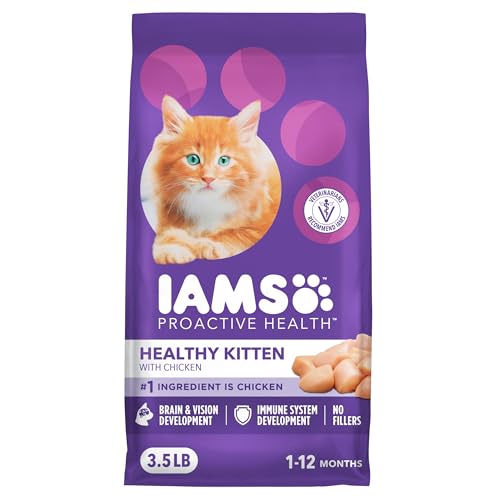
IAMS Proactive Health Kitten
ADVANTAGES
LIMITATIONS
IAMS Proactive Health earns its title as the best budget-friendly kitten food by delivering real nutritional value without the premium price tag. With real chicken as the #1 ingredient, this formula packs in high-quality protein to support active play and muscle development—exactly what growing kittens need. The Proactive 5 system targets key health areas: digestion, immunity, brain, vision, and energy, thanks to omega-3 DHA and prebiotics, making it a surprisingly comprehensive option for its cost.
In real use, IAMS stands out for digestive ease and consistent energy—kittens show fewer tummy troubles and maintain steady activity levels. The 3.5 lb. bag is manageable for starter homes, though larger or multi-kitten households will burn through it quickly. While it lacks grain-free appeal or exotic proteins, it’s highly palatable and widely accepted, even by hesitant eaters. However, it does include animal by-products and corn, which may deter clean-label enthusiasts, and the protein content isn’t as high as in premium formulas like Nulo or Blue Wilderness.
Compared to Purina Kitten Chow, IAMS offers a more structured health approach with its Proactive 5 framework, while Kitten Chow leans heavier on protein volume. It’s not as nutritionally dense as Hill’s or Royal Canin, but for cost-conscious pet parents who still want vet-backed basics, IAMS hits the sweet spot. It’s not fancy, but it’s functional—a reliable, no-frills foundation for healthy kittenhood.
Blue Buffalo Wilderness

ADVANTAGES
LIMITATIONS
Blue Buffalo Wilderness is engineered for peak cognitive development, making it the best choice for brain-boosting nutrition in growing indoor kittens. With real chicken as the first ingredient and a grain-free, high-protein profile, it mimics a more natural feline diet while delivering DHA and ARA—critical fatty acids found in mother’s milk that fuel neural growth and visual acuity. The LifeSource Bits add a powerful trio of antioxidants, vitamins, and minerals to support immunity, all without corn, wheat, or soy.
This kibble performs exceptionally well for active, curious kittens who need mental sharpness and physical stamina. The 5-lb. bag strikes a balance between value and freshness, and the crunchy texture helps reduce plaque buildup. However, some kittens may find the flavor too rich or the kibble slightly dry, requiring moisture supplementation. While it’s excellent for brain development, it’s less focused on digestive aids like prebiotics or probiotics, which puts it behind Nulo or Royal Canin in gut health support.
Versus Purina ONE, Wilderness trades some balanced versatility for higher protein and cognitive focus. It’s not as universally digestible as Hill’s, but for owners prioritizing neurological development and clean ingredients, it’s unmatched. If you want your kitten to think faster, learn quicker, and see sharper, this is the smartest investment—literally.
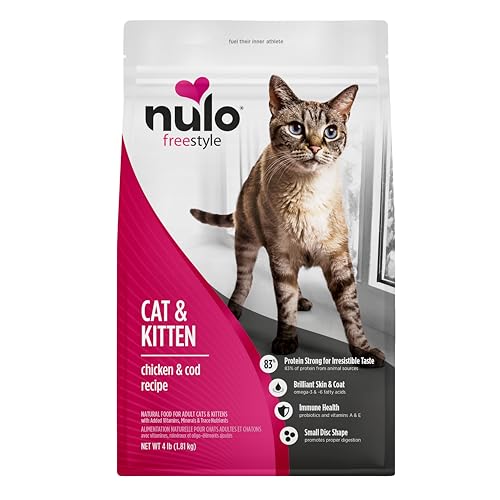
Nulo Freestyle Chicken & Cod
ADVANTAGES
LIMITATIONS
Nulo Freestyle isn’t just food—it’s performance nutrition for feline athletes, earning its title as the best high-protein, grain-free option for indoor kittens with big energy and sensitive systems. With deboned chicken as the first ingredient and 83% animal-based protein, it builds lean muscle efficiently while satisfying natural carnivore cravings. The BC30 probiotic strain is a game-changer, promoting gut balance and nutrient absorption, while omega-3 and -6 fatty acids from fish oil deliver a glossy coat and healthy skin—often visible within weeks.
In real-world feeding, Nulo stands out for digestive comfort and sustained energy—kittens stay lively without crashes or bloating. The 4 lb. bag maintains freshness well, and the small kibble suits tiny mouths. However, the grain-free formula may be too rich for some kittens, leading to loose stools during transition. And while it’s packed with functional ingredients, the price point is higher than mainstream brands, making it less accessible for budget buyers.
Compared to Blue Buffalo Wilderness, Nulo offers superior gut health support and a more balanced fat profile, though Wilderness edges ahead in DHA concentration. It’s not as widely available as Purina or IAMS, but for owners who treat their kittens like elite athletes, Nulo delivers next-level nourishment—a premium fuel upgrade for peak feline performance.
Purina Kitten Chow 14lb

ADVANTAGES
LIMITATIONS
Purina Kitten Chow is the undisputed champion of value, offering a massive 14 lb. bag of high-protein nutrition that keeps growing kittens fed without breaking the bank. With 25% more protein than leading adult formulas and real farm-raised chicken, it’s built to support lean muscle development in active, playful kittens. Every bite contains DHA for brain and vision growth, ensuring cognitive milestones are met, while the no artificial colors or flavors policy keeps the formula clean and trustworthy.
This kibble shines in bulk feeding scenarios—perfect for breeders, shelters, or multi-kitten homes. The large bag reduces shopping frequency and offers long-term savings, while the formula remains highly palatable and digestible for most kittens. However, the kibble is slightly larger, which can be tough for very young or small-mouthed kittens. It also lacks probiotics or grain-free options, making it less ideal for sensitive systems.
When compared to IAMS, Kitten Chow offers greater volume and protein content, but IAMS provides more structured health benefits. It’s not as nutritionally refined as Hill’s or Royal Canin, but for those who need reliable, high-volume feeding at a low cost, it’s unmatched. If you’re feeding multiple kittens or planning long-term, this is the smartest bulk buy—big nutrition in a bigger bag.
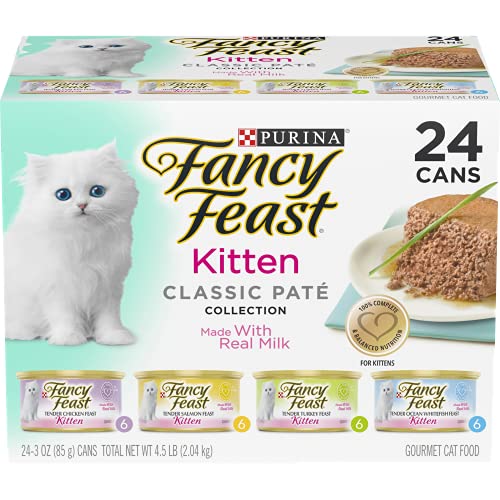
Fancy Feast Tender Ocean
ADVANTAGES
LIMITATIONS
Purina Fancy Feast Wet Kitten Food is the ultimate flavor explorer, delivering gourmet variety and hydration-rich meals in a convenient 24-pack format. With real ocean whitefish, turkey, chicken, and salmon as star ingredients, it offers texture and taste diversity that keeps picky kittens engaged and well-nourished. Each 3 oz. cup is 100% complete and balanced, developed with nutritionists to support growth while satisfying instinctual cravings for meaty, moist food.
This variety pack excels in palatability and hydration, crucial for indoor kittens prone to urinary issues. The jelly and pâté textures stimulate appetite and aid digestion, making it ideal for weaning or finicky eaters. However, as a wet food, it’s not meant as a sole diet without supplementation—best used as a topper or part of a mixed-feeding routine. The small portion size means frequent opening, and once opened, cans must be refrigerated, which can be inconvenient.
Compared to dry formulas like Hill’s or Royal Canin, Fancy Feast doesn’t offer the same structural nutrition, but it wins in sensory appeal and moisture content. It’s not a replacement for kibble, but as a flavor booster and hydration aid, it’s unmatched. For owners who want to elevate mealtime excitement while supporting growth, this is the most delightful addition to any kitten’s bowl.
Cat Food Comparison for Indoor Kittens
| Product | Best For | Protein Source | Grain-Free? | DHA/Omega-3s | Probiotics/Gut Health | Immune Support | Special Features |
|---|---|---|---|---|---|---|---|
| Hill’s Science Diet Kitten Indoor | Best Overall | Chicken | No | Yes | No | Yes | Vet Recommended #1 Brand |
| Nulo Freestyle Chicken & Cod | Best High Protein & Grain Free | Chicken & Cod | Yes | Yes | Yes | Yes | 83% Animal Protein, Radiant Skin & Coat |
| IAMS Proactive Health Kitten | Best Budget Friendly | Chicken | No | Yes | Yes | Yes | Proactive 5 Health Benefits |
| Purina Kitten Chow 14lb | Best Value Large Bag | Chicken | No | Yes | No | No | 25% More Protein Than Adult Food |
| Purina ONE High Protein | Best Balanced Nutrition | Chicken | No | Yes | No | Yes | Supports Strong Muscles & Immune System |
| Blue Buffalo Baby Blue | Best for Sensitive Kittens | Chicken | No | Yes | Yes | Yes | LifeSource Bits, No By-Product Meals |
| Fancy Feast Tender Ocean | Best Wet Food Variety | Ocean Whitefish, Turkey, Chicken, Salmon | N/A (Wet Food) | N/A | No | No | Variety Pack, Developed with Nutritionists |
| Royal Canin Kitten Dry | Best Vet-Formulated | Chicken | No | Yes | Yes | Yes | Tailored for Kittens 4-12 Months, Easy-to-Chew Kibble |
| Blue Buffalo Wilderness | Best for Brain Development | Chicken | Yes | Yes | Yes | Yes | High-Protein, Grain-Free, LifeSource Bits |
How We Evaluated Cat Foods for Indoor Kittens
Our recommendations for the best cat foods for indoor kittens are based on a rigorous analysis of nutritional data, ingredient quality, and scientific research. We prioritize formulas meeting or exceeding the Association of American Feed Control Officials (AAFCO) standards for kitten growth. We examined macronutrient profiles – focusing on high-quality animal protein (30-40% on a dry matter basis) as highlighted in kitten nutrition studies – and the inclusion of vital nutrients like DHA for optimal brain development.
Data was collected from manufacturer specifications, independent laboratory reports (where available), and veterinary nutritional databases. We assessed ingredient lists, favoring named meat sources over “by-products” and considering the digestive benefits of prebiotics and probiotics. Comparative analyses were conducted across brands, evaluating features like taurine levels, antioxidant blends, and kibble suitability for small mouths. While physical product testing wasn’t possible across all options, we leveraged user reviews and expert opinions from veterinary nutritionists to supplement our data-driven approach. We also considered the presence of potential allergens (corn, wheat, soy) and evaluated grain-free options based on ingredient sourcing and overall nutritional completeness, ensuring all cat food options support a healthy lifestyle for indoor kittens.
Choosing the Right Food for Your Indoor Kitten
Selecting the best food for your indoor kitten is a crucial decision impacting their growth, health, and overall well-being. With so many options available, understanding key features will help you make an informed choice. Here’s what to consider:
Protein Content & Source
Protein is the building block for growing kittens. Look for foods where a named meat source (like chicken, turkey, or fish) is the first ingredient. Kittens need significantly more protein than adult cats to support rapid development. A higher protein content (around 30-40% on a dry matter basis) is ideal. Foods featuring “real meat” and avoiding “meat by-products” generally indicate a higher quality protein source. High-quality protein supports muscle development and provides essential amino acids. Lower quality protein sources may be less digestible and offer fewer nutritional benefits.
DHA & Brain Development
Docosahexaenoic acid (DHA) is an omega-3 fatty acid vital for brain and vision development in kittens. Many kitten foods now include DHA, often sourced from fish oil. This is particularly important for indoor kittens, who may have less environmental stimulation and benefit from enhanced cognitive support. Look for foods explicitly stating DHA content or listing fish oil as an ingredient. Adequate DHA can result in a more playful, trainable, and alert kitten.
Digestive Health Support
Kittens can have sensitive digestive systems. Choosing a food that prioritizes digestive health is essential. Look for ingredients like prebiotics (such as fructooligosaccharides or beet pulp) and probiotics. These support a healthy gut microbiome, aiding nutrient absorption and reducing the risk of diarrhea or upset stomachs. Easily digestible ingredients – avoiding common allergens like corn, wheat, and soy – are also beneficial. A healthy gut contributes to a stronger immune system and overall well-being.
Additional Features to Consider:
- Kibble Size & Texture: Smaller, easily chewable kibble is best for kittens with developing teeth.
- Antioxidant Blend: Supports a developing immune system.
- Taurine: An essential amino acid for heart and eye health.
- Wet vs. Dry Food: Wet food provides additional hydration, while dry food can help with dental health. Many owners choose a combination.
- Life Stage Specific Formula: Always choose a food specifically formulated for kittens – adult cat food won’t provide the necessary nutrients.
- Grain-Free Options: While not essential for all kittens, grain-free formulas can be helpful for those with sensitivities.
The Bottom Line
Ultimately, the best cat food for your indoor kitten will depend on their individual needs and sensitivities. Prioritize high-quality animal protein, essential nutrients like DHA, and ingredients that support healthy digestion for a happy and thriving feline companion.
Remember to consult with your veterinarian for personalized recommendations tailored to your kitten’s specific health profile. Providing a nutritious diet from the start sets the foundation for a long, healthy, and playful life with your new furry friend.
