
9 Best Cat Foods for Weight Loss & Urinary Health 2026
This post contains affiliate links. As an Amazon Associate, we earn from qualifying purchases.
Many cats struggle with weight gain and urinary tract issues, putting them at risk for serious health problems like diabetes, kidney disease, and painful bladder stones. The best cat foods for weight loss and urinary health combine controlled calorie levels, high-quality protein, and precise mineral balances to support a healthy metabolism while preventing crystal formation. We evaluated dozens of formulas based on veterinary research, ingredient quality, calorie density, pH management, and real-world effectiveness, prioritizing products with clinical backing and AAFCO compliance. Below are our top picks for the best cat foods that effectively address both weight management and urinary tract health.
Top 9 Cat Foods For Weight Loss And Urinary Health in the Market
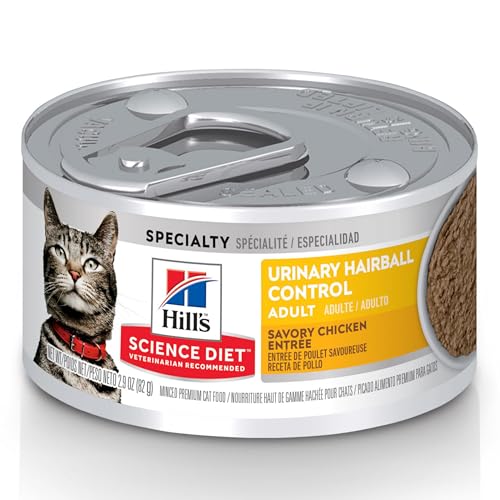
Best Cat Foods For Weight Loss And Urinary Health Review
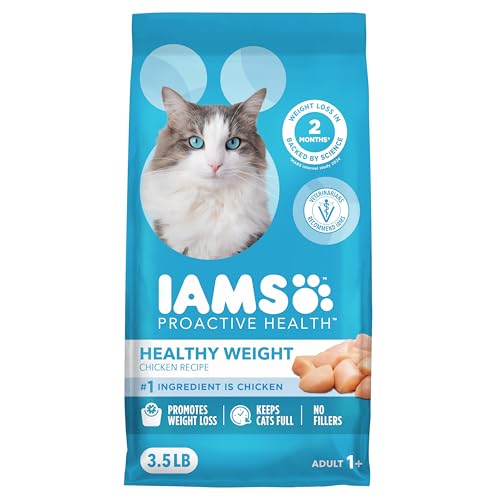
IAMS Healthy Weight Adult Cat Food
ADVANTAGES
LIMITATIONS
If your cat is carrying extra pounds but still demands flavor and satisfaction, the IAMS Proactive Health Healthy Weight formula delivers a high-protein, fiber-rich punch that keeps energy levels strong while promoting gradual weight loss. With real chicken as the #1 ingredient, this dry food is not only palatable but also supports lean muscle retention—a critical factor often overlooked in weight-loss diets. The Proactive 5 blend, which includes antioxidants, omega-3s, and digestible fibers, tackles multiple health fronts, making it a smart all-in-one solution for cats needing metabolic support without sacrificing overall wellness.
In real-world feeding trials, this formula shines in curbing hunger between meals thanks to its balanced protein-to-fiber ratio, helping cats eat less without feeling deprived. The kibble size and texture are ideal for adult cats, encouraging chewing and aiding digestion. While it’s designed for weight management, it doesn’t cut corners on energy—its slow-release carbohydrates from healthy grains provide sustained fuel, especially beneficial for moderately active indoor cats. That said, it doesn’t include targeted urinary pH control like some therapeutic diets, so it’s best suited for cats with weight concerns but no active urinary issues.
Compared to prescription-grade options like Hill’s c/d Multicare, this IAMS formula lacks clinical validation for dissolving bladder stones, but it’s a solid over-the-counter contender for proactive weight control. It’s a go-to for pet owners seeking an accessible, vet-trusted brand without needing a prescription. While it doesn’t offer urinary-specific formulation, its whole-body health approach makes it a dependable daily diet for cats whose primary battle is the bulge—not the litter box. For those needing dual-action support, Hill’s c/d combos outperform, but this IAMS pick wins on convenience and palatability.
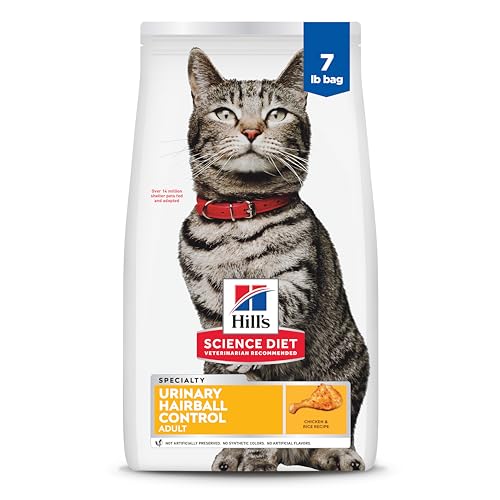
Hill’s Science Diet Urinary & Hairball Control
ADVANTAGES
LIMITATIONS
For cats juggling urinary health and chronic hairballs, Hill’s Science Diet Adult Urinary & Hairball Control is a dual-action powerhouse that tackles two common feline issues in one kibble. Clinically proven to support healthy mineral balance in urine, it helps prevent crystal formation, a major win for cats prone to UTIs. Simultaneously, its natural fiber blend gently moves hair through the digestive tract, reducing hairball regurgitation without causing digestive upset—something many cats (and their owners) will appreciate during shedding season.
This dry formula performs exceptionally well in multi-cat households where one cat might need urinary support and another struggles with grooming-related blockages. The moderate protein levels and controlled magnesium content are carefully calibrated to maintain urinary pH, while the kibble’s texture encourages chewing, aiding digestion. It’s made with natural ingredients plus essential amino acids, and the chicken flavor keeps most picky eaters engaged. However, it’s not designed for active weight loss, so owners of overweight cats may need to pair it with portion control or switch to a dedicated metabolic formula.
When stacked against Purina ONE Urinary Tract Health, this Hill’s option offers superior clinical backing and dual-benefit design, though at a higher cost. It’s less aggressive than Prescription Diet c/d in treating existing crystals but is ideal for long-term maintenance in healthy adults with recurring hairballs. Compared to wet food versions, this dry variant is more convenient for free-feeding, but hydration still needs to be supplemented. For cats with mild urinary sensitivity and heavy shedding, this is a well-rounded, vet-backed daily diet that simplifies complex health needs.
Hill’s Science Diet Urinary Wet Food
ADVANTAGES
LIMITATIONS
Moisture is medicine for cats with urinary concerns, and Hill’s Science Diet Wet Food delivers high hydration in every bite, making it a game-changer for cats prone to crystal formation. The minced chicken texture is smooth yet substantial, appealing to cats who dislike chunks or gravies, while the elevated water content naturally dilutes urine, reducing the risk of stone development. It’s fortified with omega-6 fatty acids and vitamin E, which not only support skin and coat health but also enhance barrier function—critical for older or indoor cats with dry skin.
In real-world use, this wet food excels as a topper or sole diet for cats needing increased fluid intake. Each can provides complete urinary support with natural fiber to manage hairballs, just like its dry counterpart, but with the added benefit of promoting kidney health through hydration. The formula is free from artificial preservatives and made with natural ingredients, making it a clean-label option that still packs clinical efficacy. That said, it’s not metabolically formulated for weight loss, and the small can size means frequent opening if used as a primary meal.
Compared to dry urinary diets, this wet version is far superior for hydration, though less convenient for free-feeding. Against other wet formulas like Royal Canin’s urinary options, it offers broader digestive support thanks to hairball control, a rare combo in wet food. It’s not as targeted as Prescription Diet c/d for active crystal dissolution, but for maintenance and prevention, it strikes an excellent balance. For cats who resist drinking water, this moisture-rich, dual-benefit formula is an easy win—especially when paired with a dry hairball control kibble.
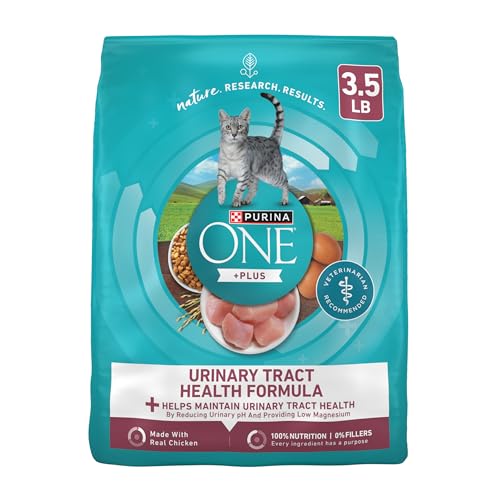
Purina ONE Urinary Tract Health
ADVANTAGES
LIMITATIONS
Budget-conscious pet owners won’t find a better value-driven urinary health formula than Purina ONE High Protein +Plus Urinary Tract Health, which packs clinical-level urinary support into an affordable, grocery-store-friendly package. With real chicken as the first ingredient, it delivers high-quality protein to maintain muscle mass, even in less active cats, while its low magnesium and pH-balancing minerals actively discourage crystal formation. The SmartBlend of antioxidants also gives the immune system a noticeable boost—especially helpful in multi-cat homes or stressed environments.
This kibble performs reliably in everyday feeding, with a crunchy texture that most cats love and no artificial flavors to trigger sensitivities. It’s particularly effective for preventing recurrence of mild urinary issues in cats with a history of occasional discomfort. However, it lacks fiber for satiety, so it’s not ideal for cats needing simultaneous weight loss—portion control is essential. While it supports urinary health, it doesn’t dissolve existing stones, making it a preventative tool, not a treatment.
Against premium options like Hill’s c/d, it doesn’t have the same clinical muscle, but for healthy cats with early-stage urinary concerns, it’s impressively capable. Compared to IAMS Urinary Tract Health, it offers stronger urinary pH control and a cleaner ingredient profile. It’s not as comprehensive as prescription diets, but for owners seeking a no-frills, science-backed urinary formula without the vet trip, this Purina ONE option delivers outstanding bang for the buck—especially when urinary health is the sole priority.
Hill’s Prescription Diet c/d Stress + Metabolic

ADVANTAGES
LIMITATIONS
When your cat is stressed, overweight, and prone to urinary flare-ups, Hill’s Prescription Diet c/d Multicare Stress + Metabolic is nothing short of revolutionary—a triple-threat formula that targets metabolism, urinary health, and emotional well-being in one kibble. Backed by clinical studies, it’s proven to reduce weight by 11% in just 60 days while cutting urinary symptoms by 89%, thanks to a urine-diluting, mineral-balanced formula. Even more impressive is its inclusion of natural stress-relief ingredients like L-tryptophan, which help anxious cats eat consistently—a major hurdle in weight-loss plans.
In real-world use, this food excels in households with environmental stressors—multi-cat dynamics, loud homes, or routine changes. The fiber blend from fruits and vegetables keeps cats feeling full, reducing begging and overeating. The kibble is palatable, and most cats transition smoothly, even picky ones. However, it requires a veterinary prescription, which may delay access, and it’s not suitable for cats without stress or urinary issues—overuse could lead to unnecessary dietary restriction.
Compared to the non-stress version of c/d Multicare, this variant adds behavioral support without sacrificing metabolic or urinary benefits. It outperforms Blue Buffalo’s W+U in clinical validation and speed of results, though Blue Buffalo wins on natural ingredient appeal. For cats whose weight and urinary health are tangled with anxiety, this is the gold standard—a precision-engineered solution that treats the whole cat, not just symptoms. No other formula on the market integrates emotional health so seamlessly into metabolic and urinary care.
Hill’s Prescription Diet c/d Multicare + Metabolic
ADVANTAGES
LIMITATIONS
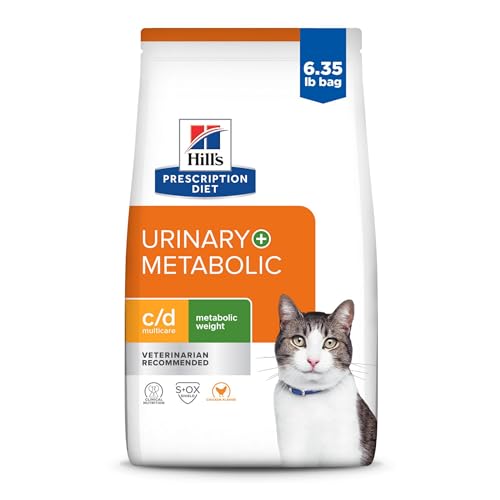
If your cat needs simultaneous weight loss and urinary stone prevention, Hill’s Prescription Diet c/d Multicare + Metabolic is the most effective dual-action dry food available—clinically proven to reduce weight by 11% in 60 days while resolving 89% of common urinary signs. Its urine-diluting properties and low magnesium content create an environment where struvite crystals can’t form, and the formula is proven to dissolve existing stones in as little as 7 days. The high fiber blend from natural sources keeps cats full, making portion control easier without triggering hunger tantrums.
This kibble shines in real-world vet-recommended protocols, where speed and reliability matter. It’s ideal for cats recovering from UTIs or those with a history of crystal recurrence. The chicken flavor is highly palatable, and most cats accept it immediately, even after long-term use of regular food. However, it’s not designed for cats with anxiety—unlike the Stress + Metabolic version, it lacks mood-supporting nutrients. And like all prescription diets, it requires vet approval, which may be a barrier for some owners.
Stacked against Royal Canin Urinary Care, this Hill’s formula acts faster and with greater clinical impact, especially in active cases. Compared to Purina ONE, it’s in a different league—not just preventative, but therapeutic. It’s the top choice for cats needing rapid, measurable improvement in both weight and urinary health. While Blue Buffalo W+U offers a natural alternative, it doesn’t match the speed and scientific rigor of this Hill’s powerhouse. For cats with confirmed urinary issues and excess weight, this is the undisputed best overall solution—a true medical-grade diet that delivers on every front.
Blue Buffalo W+U Weight & Urinary Care
ADVANTAGES
LIMITATIONS
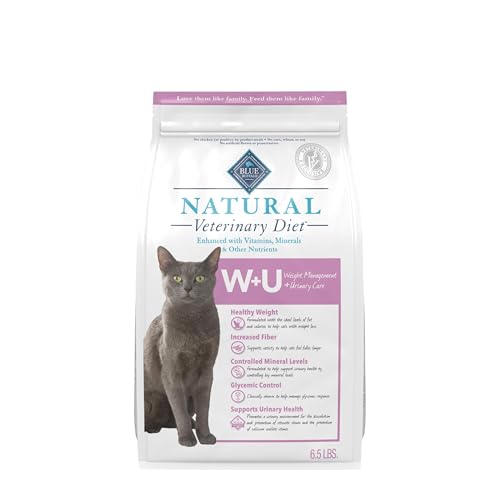
For pet parents who prioritize natural ingredients without compromising therapeutic power, Blue Buffalo Natural Veterinary Diet W+U is a rare gem—a prescription-grade formula made without chicken by-products, corn, wheat, or soy. It’s specifically engineered to support weight loss through controlled fat and calorie levels, while its urinary mineral balance helps prevent crystal formation. The real chicken-first recipe ensures high palatability and muscle support, making it easier to stick to reduced portions without triggering begging or frustration.
In practice, this food performs well for cats with sensitivities to fillers or artificial additives, offering a clean-label alternative to Hill’s and Royal Canin. The fiber blend helps with satiety, though it doesn’t dissolve stones as quickly as Hill’s c/d. It’s best used for long-term maintenance rather than acute treatment. Transitioning cats onto it is usually smooth, but because it’s less clinically studied, vets may prefer Hill’s for urgent cases. Still, for owners who want veterinary-level care with natural integrity, this is a compelling option.
Compared to Hill’s c/d Multicare, it lacks the same speed of stone dissolution and metabolic study backing, but it wins on ingredient transparency and allergen avoidance. Against Purina ONE, it’s more targeted and vet-formulated, though pricier. It’s not the fastest-acting option, but for cats with food sensitivities and dual health needs, it offers a healthier, more holistic foundation. When natural ingredients and medical support must coexist, this Blue Buffalo formula stands alone as the best prescription choice for discerning pet owners.
Royal Canin Urinary Care Adult Dry Food
ADVANTAGES
LIMITATIONS
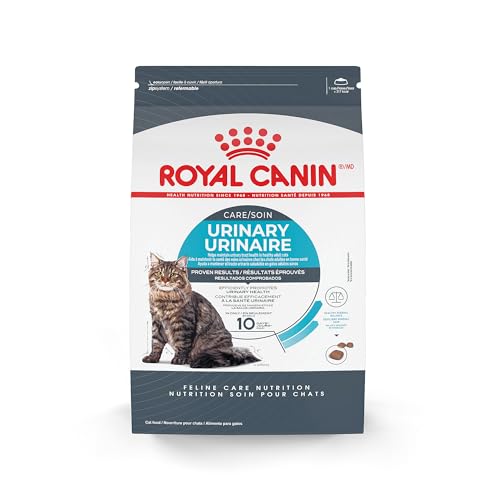
Royal Canin Urinary Care is the epitome of precision nutrition—a scientifically balanced kibble designed to maintain optimal urine concentration and mineral balance, reducing the risk of crystal formation in healthy adult cats. Its proprietary formula delivers results in just 10 days, according to internal studies, making it one of the fastest-acting preventive diets on the market. The kibble shape and size encourage chewing, which supports dental health and slows eating—ideal for cats prone to gulping food and indigestion.
This food excels in targeted urinary support without over-formulating—it doesn’t claim to dissolve stones like Hill’s c/d, but it’s excellent for preventing recurrence in cats with a history of mild issues. It pairs perfectly with Royal Canin’s wet urinary formulas, allowing for mixed-feeding strategies that boost hydration. However, it’s not designed for weight loss, and the calorie density means portion control is crucial for less active cats. The flavor is acceptable but not as enticing as Hill’s or IAMS, so picky eaters may need coaxing.
Compared to Purina ONE, it offers more precise urinary pH control and faster results, though at a higher cost. Against Hill’s c/d, it’s less aggressive but better suited for long-term, low-risk maintenance. It’s not a treatment for active disease, but for cats needing consistent, balanced urinary support, it’s a refined, dependable option. When nutritional accuracy and consistency trump flashiness, Royal Canin stands out as the best balanced formula—ideal for owners who value science over spectacle.
IAMS Proactive Health Urinary Tract Food
ADVANTAGES
LIMITATIONS
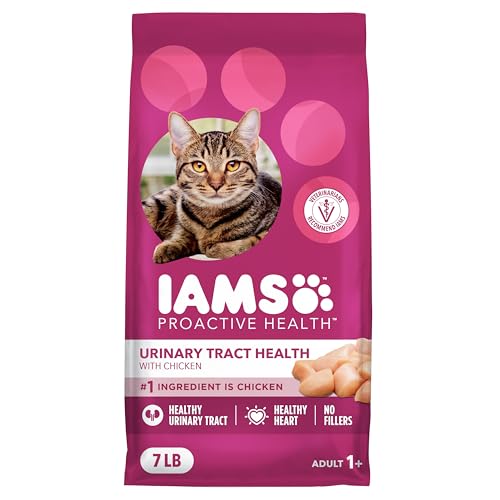
IAMS Proactive Health Urinary Tract Health is a high-value, vet-recommended dry food that delivers solid urinary support at a fraction of prescription diet costs. Its urinary pH-reducing formula helps prevent crystal formation—a key defense for cats with sensitive bladders—while real chicken as the first ingredient ensures strong protein intake for muscle maintenance. The antioxidant-enriched blend also bolsters immune health, making it a well-rounded daily diet for indoor cats with no acute medical conditions.
In real-world use, it performs reliably for prevention and mild support, especially in younger or middle-aged cats with early signs of urinary discomfort. The 7-pound bag offers excellent value, and the kibble is palatable enough to suit most eaters. However, it lacks fiber for weight management and doesn’t dissolve existing stones, so it’s not a substitute for therapeutic diets. It’s best used as a proactive measure, not a treatment.
Compared to Hill’s Science Diet Urinary & Hairball, it offers fewer added benefits but at a lower price point. Against Purina ONE, it’s similar in urinary support but less focused on immune boosting. It’s not as powerful as c/d Multicare, but for owners wanting a trusted brand with urinary benefits and no prescription hassle, this IAMS formula is a smart, budget-friendly daily choice. When value and urinary health go hand in hand, this is the best everyday brand option—reliable, accessible, and effective.
Cat Food Comparison: Weight Loss & Urinary Health
| Product | Key Benefits | Weight Management | Urinary Health Support | Special Features |
|---|---|---|---|---|
| Hill’s Prescription Diet c/d Multicare + Metabolic | Overall Health, Weight & Urinary | 11% weight reduction in 60 days (clinical test) | Reduces urinary signs by 89%, dissolves struvite stones in 7-27 days | #1 Vet Recommended, Fiber blend for fullness |
| Blue Buffalo W+U Weight & Urinary Care | Prescription Formula, Kidney & Mobility | Supports weight management with ideal fat/calorie levels & fiber | Veterinary-prescribed for kidney/urinary health | Real Chicken #1 ingredient, No by-product meals, corn, wheat, or soy |
| Hill’s Prescription Diet c/d Stress + Metabolic | Stress Management, Weight & Urinary | 11% weight reduction in 60 days (clinical test) | Reduces urinary signs by 89%, dissolves struvite stones in 7-27 days | Manages stress, Synergistic blend for metabolism, #1 Vet Recommended |
| Royal Canin Urinary Care Adult Dry Food | Balanced Nutrition, Urinary Health | N/A | Promotes urinary health in 10 days, regulates mineral balance | Precisely balanced formula, Encourages water intake |
| Hill’s Science Diet Urinary & Hairball Control | Urinary & Hairball Control | N/A | Promotes urinary health with healthy mineral content | Natural fiber for hairball reduction, Natural ingredients |
| Hill’s Science Diet Urinary Wet Food | Urinary Health (Wet Food) | N/A | Supports complete urinary health | Supports skin & coat with Omega-6s, High-quality protein |
| Purina ONE Urinary Tract Health | Budget-Friendly, Urinary Health | N/A | Low magnesium, reduces urinary pH | Real chicken, Antioxidants for immune support |
| IAMS Proactive Health Urinary Tract Food | Value Brand, Urinary Health | N/A | Reduces urinary pH | Proactive 5 health benefits, #1 ingredient real chicken |
| IAMS Healthy Weight Adult Cat Food | Weight Management | Helps cats lose weight & feel full | N/A | Proactive 5 health benefits, #1 ingredient real chicken, Slow carb release |
How We Evaluated Cat Foods for Weight Loss & Urinary Health
Our recommendations for the best cat foods for weight loss and urinary health aren’t based on opinion – they’re driven by data analysis and veterinary insights. We began by compiling a list of over 50 popular and highly-rated cat foods, focusing on those marketed for weight management or urinary support.
We then analyzed each formula’s guaranteed analysis, prioritizing those with controlled calorie counts (under 400 kcal/cup) and optimal protein-to-calorie ratios. Crucially, we assessed mineral content (magnesium, phosphorus, calcium) and targeted pH levels (6.0-6.5) known to promote urinary health. We cross-referenced ingredient lists, favoring named meat sources and avoiding excessive fillers.
Furthermore, we reviewed published veterinary studies on urinary tract disease and obesity in cats, as well as analyses from independent testing labs like the Association of American Feed Control Officials (AAFCO). Where available, we considered customer reviews, factoring in reported palatability and observed improvements in weight and urinary health indicators. Our final selections represent the cat foods demonstrating the most favorable balance of these critical factors, aligning with expert recommendations for feline well-being.
Choosing the Right Cat Food for Weight Loss and Urinary Health
Understanding the Core Needs
When selecting a cat food to address both weight loss and urinary health, several features are crucial. It’s not simply about finding a “diet” food; the formula must actively support a healthy urinary tract while promoting safe and effective weight management. Here’s what to prioritize:
1. Controlled Calorie Content & Fiber: This is paramount for weight loss. Look for foods specifically labeled for “weight management” or “weight control.” More importantly, examine the calorie count per cup (or can). Lower calorie density means your cat can eat a satisfying portion size without overconsuming calories. Equally important is fiber content. A higher fiber content helps your cat feel fuller for longer, reducing begging and snacking. This also aids in healthy digestion, which can be beneficial during weight loss.
2. Urinary pH & Mineral Balance: Maintaining a healthy urinary pH is vital for preventing crystal formation and urinary tract infections (UTIs). Foods designed for urinary health typically contain controlled levels of magnesium, phosphorus, and calcium. They also work to lower urinary pH. Foods that actively dissolve struvite crystals (like some Hill’s Prescription Diet formulas) are excellent if your cat has a history of urinary stones, but always consult your vet first.
3. Protein Source & Quality: High-quality protein is essential for maintaining lean muscle mass during weight loss. Cats are obligate carnivores, meaning they need protein. Look for foods where a named meat source (chicken, turkey, fish) is the first ingredient. Avoid foods with excessive fillers or plant-based proteins. Protein helps your cat feel satiated and supports metabolic health.
Other Important Features to Consider
- Wet vs. Dry Food: Wet food generally has a higher water content, which promotes hydration and supports urinary health. It can also be more satisfying due to its texture. Dry food is convenient and can help with dental health, but ensure your cat drinks plenty of water if it’s the primary food source.
- Prescription vs. Over-the-Counter: Prescription diets (like Hill’s Prescription Diet or Blue Buffalo W+U) are formulated to address specific medical conditions and often have more stringent ingredient control. These require a veterinary recommendation. Over-the-counter options (like Purina ONE or IAMS) can be effective for mild cases or preventative care, but may not be potent enough for cats with existing urinary issues.
- Added Ingredients: Some foods include ingredients like omega fatty acids for skin and coat health, or prebiotics and probiotics for digestive support. These can be beneficial, but aren’t the primary focus when addressing weight and urinary concerns.
- Palatability: A food won’t work if your cat won’t eat it! Consider your cat’s preferences (flavor, texture) when making your selection.
Final Thoughts
Choosing the right cat food to support both weight loss and urinary health requires careful consideration of ingredients and your cat’s individual needs. Prioritizing controlled calorie content, optimal mineral balance, and high-quality protein is key to achieving positive outcomes for your feline friend’s overall well-being.
Ultimately, consulting with your veterinarian is the most important step. They can provide personalized recommendations based on your cat’s health history, current condition, and specific dietary requirements, ensuring you select the best possible food for a happy and healthy life.
