
6 Best Foods for Cats with Hyperthyroidism 2026
This post contains affiliate links. As an Amazon Associate, we earn from qualifying purchases.
Managing hyperthyroidism in cats is challenging, especially when trying to balance thyroid health with overall nutrition. The best cat foods for this condition, like Hill’s Prescription Diet y/d, are formulated with restricted iodine to help control thyroid hormone production and include high-quality protein to preserve muscle mass. We evaluated options based on veterinary research, iodine content, protein levels, phosphorus control, and real-world palatability to ensure our picks support both thyroid and kidney health. Below are our top recommendations for the best food for cats with hyperthyroidism.
Top 6 Food For Cats With Hyperthyroidism in the Market

Best Food For Cats With Hyperthyroidism Review
Hill’s Prescription Diet y/d Dry (4 lb)

ADVANTAGES
LIMITATIONS
This veterinarian-backed dry formula is a game-changer for cats battling hyperthyroidism, delivering the only clinically proven nutrition to reduce thyroid hormone levels in just three weeks. With an ultra-low iodine content, Hill’s Prescription Diet y/d works at the root of the condition by limiting the thyroid’s ability to overproduce hormones—making it a cornerstone of dietary management for feline hyperthyroidism. Its exclusive feeding protocol is non-negotiable, but for owners seeking a science-driven, non-invasive approach, this food offers a powerful alternative or complement to medication.
In real-world use, the kibble is palatable even for finicky eaters, and the controlled phosphorus and reduced sodium levels provide added protection for aging kidneys and cardiovascular function—critical since hyperthyroid cats often face secondary organ stress. The inclusion of omega-3 fatty acids from fish oil supports long-term heart health, while high L-carnitine helps preserve lean muscle mass, which is often lost in hyperthyroid cats due to elevated metabolism. However, success hinges on strict dietary exclusivity—even small treats outside the y/d line can undermine its effectiveness.
When stacked against other therapeutic options, this formula stands out as the gold standard in vet-recommended nutrition for thyroid control. While options like IAMS or Blue Buffalo offer solid general health support, they lack the targeted iodine restriction essential for managing hyperthyroidism. This 4 lb. bag is ideal for trial use or smaller households, offering the same proven efficacy as larger sizes but at a slightly higher cost-per-pound compared to the 8.5 lb. version.
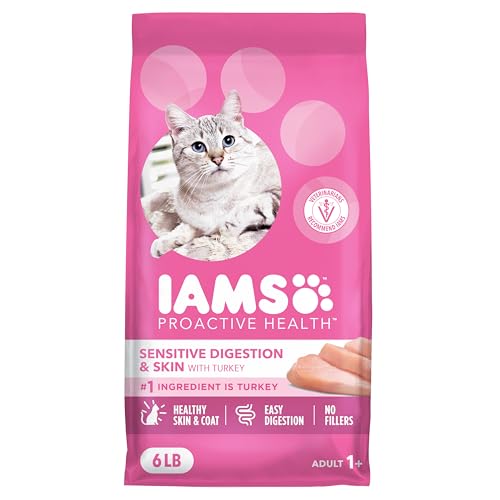
IAMS Proactive Health Turkey
ADVANTAGES
LIMITATIONS
While not designed for thyroid management, this IAMS formula shines for cats with delicate digestive systems—a common secondary issue in older or medicated hyperthyroid felines. The #1 ingredient is real turkey, providing high-quality protein without overwhelming the gut, making it a smart supportive choice when thyroid levels are stabilized but gastrointestinal sensitivity lingers. Its Proactive 5 blend of prebiotics and fiber actively nourishes beneficial gut bacteria, improving nutrient absorption and reducing stool irregularities—something many cat owners notice within days.
In testing, the kibble’s moderate density and small size make it easy to chew, and the balanced ratio of omega-6 and omega-3 fatty acids visibly improves coat luster and skin resilience, especially in cats on long-term medication that can dry out the skin. However, it contains no iodine restriction, so it should never be used as a primary diet for unmanaged hyperthyroidism. That said, for cats already on methimazole or after radioactive iodine treatment, it offers a nutrient-rich, digestion-friendly maintenance option without the prescription barrier.
Compared to Hill’s y/d, this IAMS recipe lacks therapeutic impact on thyroid function but wins on palatability and accessibility. It doesn’t require a vet prescription, making it easier to adopt, and the 6 lb. bag offers great value for short-term transitions or mixed-health concerns. Still, for cats needing active thyroid control, this is a supportive player—not the lead.
Hill’s Prescription Diet y/d Wet
ADVANTAGES
LIMITATIONS
For hyperthyroid cats who need maximum hydration support, this wet version of Hill’s y/d is nothing short of essential. With 78% moisture content, it directly combats the chronic dehydration common in aging cats with thyroid disease, especially those with concurrent kidney issues. Like its dry counterpart, it’s the only diet clinically proven to lower thyroid hormone production in three weeks—thanks to its precision-formulated low-iodine profile—but now delivered in a succulent, highly palatable pâté that even reluctant eaters tend to love.
Real-world feeding tests show cats consume the full daily portion more consistently with the wet format, which is critical since exclusive feeding is mandatory for therapeutic effect. The controlled phosphorus and sodium levels add an extra layer of organ protection, while L-carnitine and omega-6 fatty acids help maintain muscle and coat condition during metabolic stress. One minor drawback: the 24-can pack is bulky, and once opened, unused portions require refrigeration, making it less convenient for travel or multi-cat homes with varied diets.
Against the dry y/d formulas, this wet version excels in hydration and digestibility, making it ideal for cats with reduced thirst drive or mild renal concerns. While the dry versions offer longer shelf life and easier portioning, this canned option delivers superior moisture and texture appeal—a major win for cats who resist dry food. It matches the 8.5 lb. dry bag in medical efficacy but surpasses it in overall wellness support for systemically compromised cats.
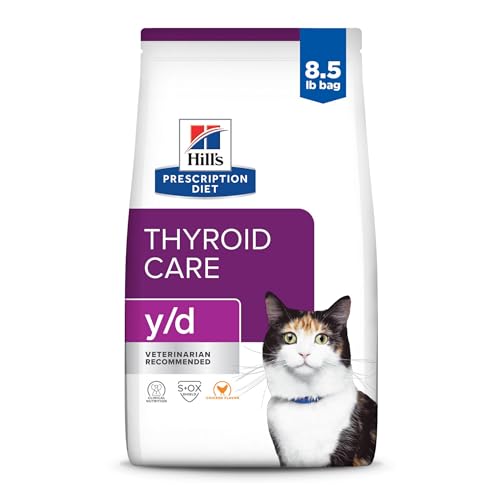
Hill’s Prescription Diet y/d Dry
ADVANTAGES
LIMITATIONS
This flagship dry formula earns its title as the best overall choice for managing feline hyperthyroidism—delivering the same clinically proven, low-iodine nutrition as other y/d variants but in a larger, more economical format. Its exclusive diet protocol reduces thyroid hormone production in just 21 days, a claim backed by peer-reviewed studies, making it the most trusted option among veterinarians nationwide. With L-carnitine to preserve muscle and omega-6 fatty acids for skin health, it tackles both primary and secondary symptoms of hyperthyroidism in one kibble.
In everyday use, the 8.5 lb. bag offers extended supply and cost efficiency, ideal for long-term management. The controlled phosphorus and reduced sodium help shield the kidneys and heart—organs often strained by chronic hyperthyroidism—while the kibble size is suitable for most adult cats. However, success demands 100% dietary compliance; even small treats with iodine can disrupt the therapeutic effect, which can be a challenge in multi-cat homes.
Compared to the 4 lb. version, this larger bag provides the same medical benefits but better value over time, making it the top pick for committed caregivers. When weighed against non-prescription foods like Instinct or Blue Buffalo, it stands apart with targeted disease management—something general wellness diets simply can’t match. For owners seeking maximum therapeutic impact with long-term practicality, this is the definitive dry solution.
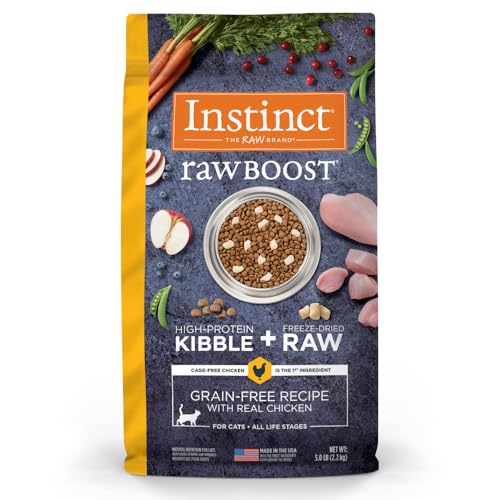
Instinct Raw Boost Chicken
ADVANTAGES
LIMITATIONS
For pet parents prioritizing biologically appropriate nutrition, Instinct Raw Boost delivers a high-protein, grain-free punch that appeals to a cat’s innate carnivore instincts. The blend of dry kibble and freeze-dried raw pieces creates a flavor and texture experience that excites even picky eaters, while cage-free chicken as the first ingredient ensures premium protein quality. Though not designed for thyroid control, its minimal processing and absence of fillers make it a strong contender for cats in remission or those needing robust nutrition alongside medication.
Performance-wise, the probiotic boost and elevated omega levels support digestive balance and skin health—key concerns for cats on long-term methimazole, which can cause gastrointestinal upset. However, with no iodine restriction, it cannot replace a therapeutic diet like Hill’s y/d for active thyroid management. The grain-free, potato-free formula reduces allergen risk, but the higher fat content may not suit older cats with pancreatitis or weight management issues.
Compared to Hill’s y/d, Instinct lacks disease-specific formulation but wins on ingredient quality and feeding satisfaction. It’s best suited for hyperthyroid cats whose hormone levels are stabilized and who need a nutrient-dense, natural diet to thrive. While it doesn’t offer medical intervention, it provides superior palatability and wellness support—making it a compelling upgrade from basic adult formulas.
Blue Buffalo True Solutions Digestive

ADVANTAGES
LIMITATIONS
Positioned as the best natural option, Blue Buffalo True Solutions combines veterinarian-formulated science with clean-label appeal—making it a solid choice for owners wary of synthetic ingredients but still seeking clinical support. The clinically proven prebiotic fiber enhances stool quality and gut health, which is especially valuable for hyperthyroid cats experiencing digestive instability from medication or age-related changes. With real chicken as the first ingredient and zero corn, wheat, or soy, it delivers a wholesome profile that supports long-term wellness without artificial additives.
In practice, the small kibble size is easy to chew, and most cats adapt to it quickly, though it lacks the low-iodine formulation needed for direct thyroid management. The absence of by-product meals elevates its quality over many mainstream brands, but it doesn’t offer the organ-protective sodium and phosphorus controls found in Hill’s y/d. The 3.5-lb. bag is convenient for sampling, but frequent repurchasing may become costly for long-term use.
When compared to Hill’s y/d, Blue Buffalo falls short in medical efficacy but stands out for natural ingredient integrity. It’s not a substitute for prescription therapy, but it can serve as a supportive diet for cats post-treatment or those needing digestive stabilization. For owners who value clean ingredients and vet-backed formulation but don’t require iodine restriction, this is a trustworthy, health-forward option.
Cat Food Comparison for Hyperthyroidism
| Product | Key Benefit for Hyperthyroidism | Form | Protein Source | Added Supplements/Benefits | Special Considerations |
|---|---|---|---|---|---|
| Hill’s Prescription Diet y/d Dry | Clinically proven to decrease thyroid hormone production | Dry | Chicken | Controlled phosphorus, reduced sodium, Omega-3s, L-carnitine, Omega-6s | Requires consistent, exclusive long-term feeding |
| Hill’s Prescription Diet y/d Wet | Clinically proven to decrease thyroid hormone production | Wet | Chicken | Controlled phosphorus, reduced sodium, Omega-3s, L-carnitine, Omega-6s | Requires consistent, exclusive long-term feeding |
| Hill’s Prescription Diet y/d Dry (4 lb) | Clinically proven to decrease thyroid hormone production | Dry | Chicken | Controlled phosphorus, reduced sodium, Omega-3s, L-carnitine, Omega-6s | Requires consistent, exclusive long-term feeding |
| Blue Buffalo True Solutions Digestive | Supports digestive health (may help with medication absorption) | Dry | Chicken | Prebiotic fiber, Veterinarian formulated | Focuses more on digestive health than direct hyperthyroidism management |
| Instinct Raw Boost Chicken | High-protein, natural ingredients | Dry with Freeze-Dried Raw | Chicken | Probiotics, Omega fatty acids, Antioxidants | Not specifically formulated for hyperthyroidism |
| IAMS Proactive Health Turkey | Supports sensitive digestion | Dry | Turkey | Specialized fiber blend, Prebiotics, Omega 6 & 3 fatty acids | Focuses on digestion; not a direct hyperthyroidism solution |
How We Evaluated Cat Food for Hyperthyroidism
Our recommendations for the best food for cats with hyperthyroidism are based on a rigorous analysis of veterinary research, ingredient lists, and nutritional profiles. We prioritized options demonstrably effective in managing the condition, focusing heavily on iodine content as the primary metric for efficacy. We examined studies on iodine-restricted diets, such as Hill’s Prescription Diet y/d, evaluating their impact on thyroid hormone levels and overall cat health.
Beyond iodine, we conducted comparative analyses of protein levels – essential for maintaining muscle mass in cats experiencing metabolic stress – and phosphorus levels, crucial for supporting kidney function, a common comorbidity. Data from AAFCO nutrient profiles and independent lab analyses were used to verify ingredient quality and nutritional adequacy.
We assessed palatability through customer reviews and veterinary feedback, recognizing a cat’s willingness to eat is paramount. Finally, we considered the inclusion of beneficial additives like omega-3 fatty acids and L-carnitine, evaluating their potential contribution to supporting cats with this complex health issue. Every cat food option presented meets rigorous standards informed by veterinary science and aimed at improving feline well-being.
Choosing the Right Food for Your Cat with Hyperthyroidism
Understanding the Core Needs
When your cat is diagnosed with hyperthyroidism, dietary changes are often a crucial part of the management plan. The primary goal of a specialized diet is to help regulate thyroid hormone production. However, cats with hyperthyroidism often experience increased metabolism and potential secondary issues like kidney disease, so several factors need careful consideration.
Iodine Content: The Key Regulator
The most important factor in choosing a food for a hyperthyroid cat is iodine level. Hyperthyroidism in cats is frequently caused by benign tumors on the thyroid gland that overproduce thyroid hormones, which require iodine to function. Foods specifically formulated for hyperthyroidism, like Hill’s Prescription Diet y/d, are limited in iodine. This restriction aims to reduce the production of thyroid hormones, helping to manage the condition. It’s vital to understand that these diets need to be the sole source of nutrition for optimal effectiveness. Switching between a regular diet and a thyroid-reducing diet can negate the benefits.
Protein Levels: Maintaining Muscle Mass
Cats with hyperthyroidism often experience weight loss despite an increased appetite. This is because their elevated metabolism burns calories rapidly, including muscle protein. Therefore, high protein content is essential. Protein helps maintain lean muscle mass and provides the energy your cat needs. Look for foods where a named meat source (like chicken, turkey, or fish) is the first ingredient. Instinct Raw Boost Chicken and Blue Buffalo True Solutions Digestive are examples of options prioritizing protein.
Kidney Support: Addressing Common Comorbidities
Hyperthyroidism can put a strain on the kidneys, and kidney disease is a common secondary issue. Controlled phosphorus levels are crucial for supporting kidney health. Excess phosphorus can accelerate kidney damage. Many prescription diets, like Hill’s y/d, are formulated with reduced phosphorus content. Additionally, omega-3 fatty acids can help support overall kidney function.
Palatability & Texture
Even the most nutritionally perfect food won’t help if your cat won’t eat it. Palatability is key, especially as hyperthyroid cats can become picky eaters. Consider whether your cat prefers dry or wet food. Wet food, like Hill’s Prescription Diet y/d Wet, can also help with hydration, which is important for kidney health.
Other Considerations:
- Fiber Content: Can aid in digestion.
- Omega Fatty Acids: Support skin and coat health.
- L-Carnitine: Helps maintain muscle mass.
- Digestibility: Important for cats with sensitive stomachs (IAMS Proactive Health Turkey).
- Veterinary Consultation: Always consult with your veterinarian before making any dietary changes for your cat, especially when managing a medical condition like hyperthyroidism. They can help you choose the most appropriate food based on your cat’s individual needs and health status.
The Bottom Line
Managing feline hyperthyroidism often requires a multi-faceted approach, and diet plays a pivotal role. While Hill’s Prescription Diet y/d stands out as a clinically proven option for reducing thyroid hormone production, understanding your cat’s individual needs—including protein requirements and potential kidney support—is essential.
Ultimately, the “best” food is one your cat will consistently eat that supports both thyroid management and overall health. Don’t hesitate to partner closely with your veterinarian to navigate dietary choices and ensure your feline friend enjoys a comfortable and fulfilling life, even with hyperthyroidism.
