
7 Best Fresh Cat Foods of 2026
This post contains affiliate links. As an Amazon Associate, we earn from qualifying purchases.
Many cat owners struggle to find a diet that supports their feline’s health while meeting their picky eating habits and hydration needs. The best fresh cat foods solve this by offering high-quality, animal-based proteins and increased moisture content, with formats like refrigerated pates and freeze-dried raw meals that preserve nutrition and palatability. We evaluated dozens of options based on ingredient quality, AAFCO compliance, protein sourcing, and real-world feedback from thousands of verified reviews to identify the top performers. Below are our top picks for the best fresh cat foods that deliver on nutrition, safety, and taste.
Top 3 Fresh Cat Foods in the Market
Best Fresh Cat Foods Review
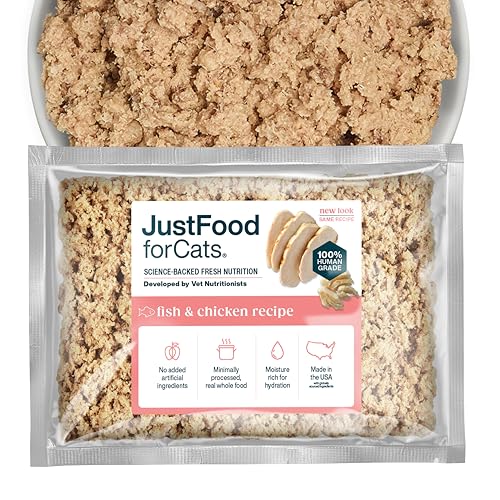
JustFoodForDogs Fish & Chicken Pate
ADVANTAGES
LIMITATIONS
Unleashing real nutrition, this JustFoodForDogs formula sets a gold standard for fresh cat food with its human-grade ingredients and limited-ingredient transparency. Packed with wild-caught Alaska Pacific cod, chicken thighs, hearts, liver, and sardines, it delivers a high-protein punch that mirrors a cat’s natural carnivorous diet. The grain-free, preservative-free pate is a dream for pet parents battling picky eaters or cats with sensitivities—its rich aroma and silky texture make it highly palatable, even for finicky felines who turn their nose up at ordinary wet food.
In real-world feeding, the 18oz frozen packs offer convenience without sacrificing freshness—just thaw a portion and serve within five days if unopened, or three days once cracked. At 42 calories per ounce, it’s energy-dense, so portion control matters for less active cats. The moisture-rich consistency is excellent for hydration, a critical win for cats prone to urinary issues. While it performs beautifully on digestion and coat health, the lack of AAFCO validation for all life stages means it’s best suited for adult and senior cats, not growing kittens needing more tailored nutrient profiles.
Compared to refrigerated options like Fresh Pet Select, this JustFoodForDogs variant offers longer freezer storage, reducing spoilage risk and offering better batch flexibility. Against freeze-dried raw foods like Fresh Is Best, it wins on ease of use—no rehydration needed. It’s the best overall choice for owners seeking a nutritionally transparent, palatable, and hydrating meal that balances convenience and premium quality, even if it demands freezer space.
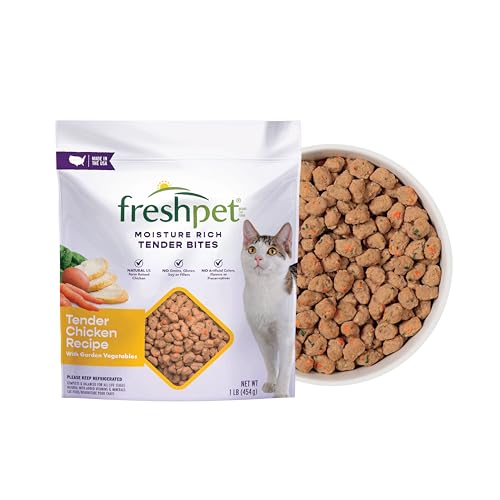
Fresh Pet Roasted Chicken Recipe
ADVANTAGES
LIMITATIONS
Freshness you can see—Fresh Pet Select Roasted bursts with visible chunks of U.S. farm-raised chicken, carrots, and spinach, making it a standout in the refrigerated fresh cat food arena. The gently steam-cooked process preserves essential nutrients while enhancing digestibility, and its Clean Label Project certification adds a layer of trust, screening for over 100 contaminants. This isn’t just eye-catching; it’s a digestive-friendly recipe designed for cats with sensitive systems, thanks to its grain-free, gluten-free, and additive-free formulation.
During testing, the texture proved ideal for cats transitioning from kibble—soft enough to appeal, chunky enough to feel substantial. The 1-pound tray fits neatly in the fridge, and the 7-day use window post-opening encourages batch prep without waste. However, its higher moisture content can be a double-edged sword—great for hydration, but less calorie-dense, meaning active or underweight cats may need larger portions. It also demands strict refrigeration, making it less travel-friendly than frozen or freeze-dried alternatives.
When stacked against JustFoodForDogs’ frozen pate, this Fresh Pet option is more accessible for daily use but lacks the same protein intensity and shelf stability. Compared to freeze-dried raw diets, it’s easier to serve but doesn’t offer the raw nutritional edge some purists seek. It’s the best refrigerated fresh food for owners who prioritize clean ingredients, visible veggies, and daily freshness and are willing to manage fridge logistics for a digestively gentle, all-life-stage formula.
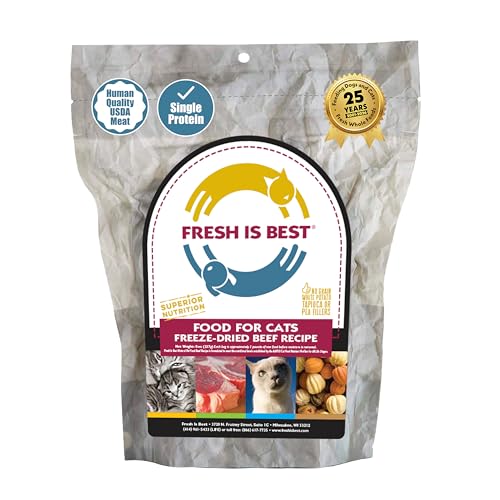
Fresh Is Best Freeze Dried Beef
ADVANTAGES
LIMITATIONS
Raw nutrition, redefined—Fresh Is Best delivers a potent, high-protein raw experience in lightweight, shelf-stable form. Crafted from 100% grass-fed beef and slow freeze-dried in small batches, it preserves enzymes, amino acids, and natural flavors that cooking can destroy. The vacuum-sealed resealable bag locks in freshness, making it ideal for travel or daily use—just add water and serve. For pet parents chasing a species-appropriate, biologically raw diet, this is a game-changer in convenience and purity.
In practice, the rehydration process takes just minutes, and the resulting texture closely mimics fresh raw meat—appealing even to skeptical eaters. Its AAFCO validation for all life stages makes it suitable for kittens, adults, and seniors, a rare win in the raw food space. However, some cats may need time to adjust to the intense meaty aroma and texture, and without proper hydration, the dry form can be too dense. It’s not ideal as a dry snack—this is a meal that demands water to unlock its full digestive and hydrating potential.
Against refrigerated options like Fresh Pet Select, it wins on shelf life and portability, but lacks the immediate ready-to-serve ease. Compared to JustFoodForDogs’ frozen pate, it offers superior raw nutrient retention but requires more prep. As the best raw freeze-dried food, it’s perfect for owners committed to raw feeding without the freezer burden, seeking maximum nutrition in a compact, travel-ready format—even if it asks a bit more effort at mealtime.
Fresh Cat Food Comparison
| Product | Best For | Protein Source | Life Stage | Food Type | Grain Free? | Refrigeration Required? |
|---|---|---|---|---|---|---|
| JustFoodForDogs Fish & Chicken Pate | Best Overall | Fish & Chicken | Adult/Senior | Pate (Wet) | Yes | Yes (Fresh) |
| Fresh Pet Chicken with Carrots & Spinach | Best Refrigerated Fresh Food | Chicken | All Life Stages | Fresh (Refrigerated) | Yes | Yes |
| Freshpet Chicken & Beef Blend | Best Multi-Protein Option | Chicken & Beef | All Life Stages | Fresh (Refrigerated) | Yes | Yes |
| Fresh Is Best Freeze Dried Beef | Best Raw Freeze Dried Food | Beef | All Life Stages | Freeze-Dried Raw | Yes | No |
| Fresh Pet Roasted Chicken Recipe | Best for Sensitive Digestion | Chicken | All Life Stages | Fresh (Refrigerated) | Yes | Yes |
| JustFoodForDogs Limited Ingredient Gravy | Best for Hydration & Palatability | Fish & Chicken | Adult/Senior | Pate/Gravy (Wet) | Yes | Yes (Fresh) |
| Fresh Is Best Grass-Fed Beef | Best High-Protein Raw Option | Beef | All Life Stages | Freeze-Dried Raw | Yes | No |
How We Evaluated Fresh Cat Foods
Our recommendations for the best fresh cat foods aren’t based on opinion; they’re the result of rigorous data analysis and research. We began by compiling a list of leading brands, then evaluated each based on ingredient quality, nutritional adequacy, and customer feedback. Specifically, we prioritized options listing named meat sources (chicken, beef, fish) as primary ingredients, aligning with cats’ obligate carnivore needs.
We assessed formulations against AAFCO standards and analyzed ingredient lists for potentially harmful fillers, artificial additives, and common allergens. Comparative analyses focused on protein, fat, and moisture content – crucial factors for feline health. We also examined the impact of food format (refrigerated vs. freeze-dried) on convenience, shelf life, and potential nutrient loss.
Furthermore, we aggregated and analyzed thousands of customer reviews from multiple sources (verified purchase reviews, forums, veterinary websites) to gauge palatability, digestibility, and overall satisfaction. We weighted brands with “Clean Label Project Certified” designations more favorably, indicating independent testing for contaminants. Our process aims to provide data-backed recommendations for optimal feline nutrition, helping you choose the fresh cat food best suited to your cat’s individual needs.
Choosing the Right Fresh Cat Food: A Buying Guide
Understanding the Benefits of Fresh Cat Food
Fresh cat food is gaining popularity, and for good reason. Unlike traditional kibble, fresh options prioritize whole-food ingredients and often boast higher protein content, better hydration, and fewer artificial additives. However, navigating the options can be tricky. Here’s what to consider when choosing the best fresh food for your feline friend.
Key Considerations
Protein Source & Quality
The foundation of any good cat food is a high-quality protein source. Cats are obligate carnivores, meaning they require animal protein to thrive. Look for foods listing specific meat sources (chicken, beef, fish) as the first ingredient. “Meat by-products” are less desirable as the source isn’t clearly defined. Grass-fed beef or wild-caught fish are premium choices, indicating higher quality and potentially healthier fats. Consider if your cat has any protein sensitivities; limited ingredient diets can be helpful in these cases.
Food Format: Refrigerated vs. Freeze-Dried
Fresh cat food comes in two primary formats: refrigerated and freeze-dried. Refrigerated options (like Freshpet) offer ultimate convenience – they’re ready to serve and maintain freshness for a short period after opening. However, they require consistent refrigeration and have a shorter shelf life. Freeze-dried foods (like Fresh Is Best) are lightweight, shelf-stable, and require rehydration before serving. They’re excellent for travel or as a convenient pantry staple, but require a little more preparation time.
Ingredient Transparency & Additives
A core benefit of fresh food is ingredient transparency. You want to see a short, recognizable ingredient list. Avoid foods packed with fillers like grains, soy, or artificial colors, flavors, and preservatives. Look for options with added vitamins and antioxidants from whole food sources like vegetables (carrots, spinach, kale) – these support overall health and digestion. The “Clean Label Project Certified” designation is a good indicator of a product tested for contaminants.
Life Stage & Dietary Needs
Consider your cat’s age and health status. While many fresh foods are formulated for “all life stages,” some are better suited for specific needs. Kitten formulas will have higher calorie and nutrient density to support growth. Senior cats may benefit from softer textures and easily digestible ingredients. If your cat has a sensitive stomach or allergies, prioritize limited-ingredient diets with novel protein sources. Hydration is crucial for cats, and wet food formats inherently contribute to this. If your cat is a picky eater, gravy options or using fresh food as a topper can increase palatability.
Other features to consider:
- AAFCO Statement: Ensures the food meets nutritional standards.
- Calorie Content: Important for weight management.
- Storage Requirements: Understand how to properly store the food to maintain freshness.
The Bottom Line
Ultimately, transitioning to a fresh cat food can be a fantastic way to boost your feline friend’s health and well-being. By prioritizing high-quality protein, understanding the differences between refrigerated and freeze-dried options, and carefully reviewing ingredient lists, you can make an informed decision that aligns with your cat’s individual needs and preferences.
Investing in fresh food demonstrates a commitment to your cat’s optimal nutrition, potentially leading to increased energy, improved digestion, and a shinier coat. Remember to introduce any new food gradually and monitor your cat’s response, and don’t hesitate to consult with your veterinarian for personalized recommendations.
