
Can Cat Eat Aloe Vera
This post contains affiliate links. As an Amazon Associate, we earn from qualifying purchases.
Aloe vera is toxic to cats and should not be ingested. Consuming it can result in vomiting, diarrhea, and even neurological symptoms such as tremors or irritability due to harmful compounds like saponins and anthraquinones. Even a small amount can lead to serious health issues. If you suspect your cat has ingested aloe, it’s crucial to contact your vet immediately to prevent complications. For those interested in a deeper understanding, further details about symptoms and treatments will follow.
Essential Facts in 30 Seconds
- Cats should not eat aloe vera due to its toxic compounds.
- Ingestion can cause vomiting, diarrhea, and lethargy in cats.
- Aloe vera contains harmful saponins and anthraquinones.
- Immediate veterinary care is necessary if a cat ingests aloe vera.
- Keep aloe plants out of reach and choose cat-safe plants for safety.
Understanding Aloe Vera Toxicity in Cats
Aloe vera is a popular houseplant, but it can be dangerous for cats. This succulent has harmful compounds called saponins and anthraquinones.
These can upset your cat’s stomach. Even small bites of aloe can cause vomiting and diarrhea.
While aloe vera has many benefits for humans, keeping your cat safe is more important. Moreover, cats are not built to handle aloe vera like humans do.
Key Points:
- Toxic Compounds: Saponins and anthraquinones.
- Symptoms of Toxicity: Vomiting, diarrhea, and risk of dehydration.
- Prevention: Keep aloe plants out of your cat’s reach. Look for safe plant options instead.
If you think your cat has eaten aloe, see a veterinarian right away. Fast action can help manage symptoms and avoid serious health problems.
Keep your furry friend safe!
Symptoms of Aloe Poisoning in Cats
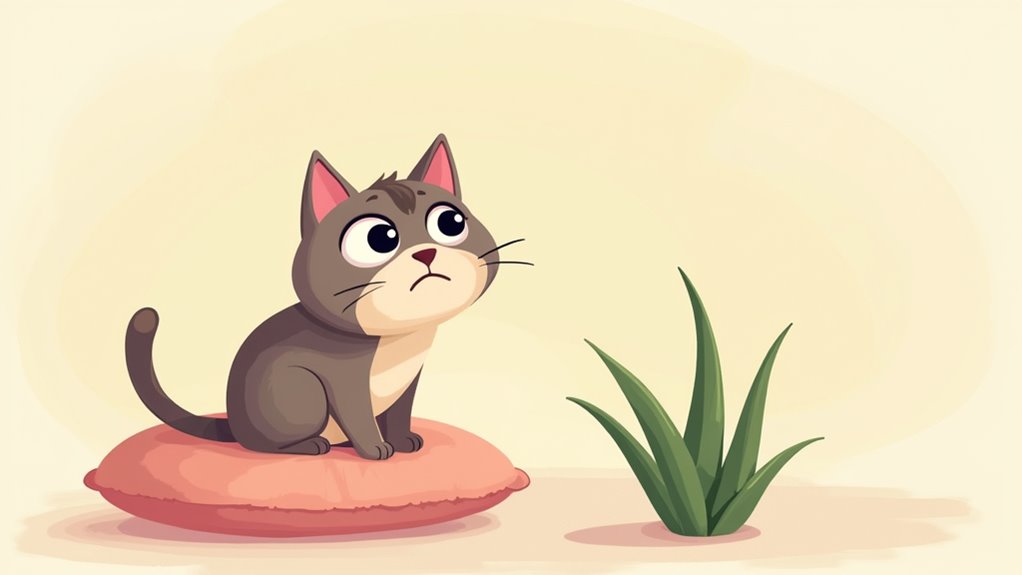
Watch for neurological symptoms in your cat. Signs like lethargy, tremors, or unusual irritability can indicate aloe poisoning.
Identifying these symptoms quickly is crucial. Seek veterinary care right away if you notice any of these signs.
Fast treatment helps prevent serious complications and keeps your cat healthy. Your cat’s safety is very important. Don’t wait; take action now!
Toxic Compounds Found in Aloe
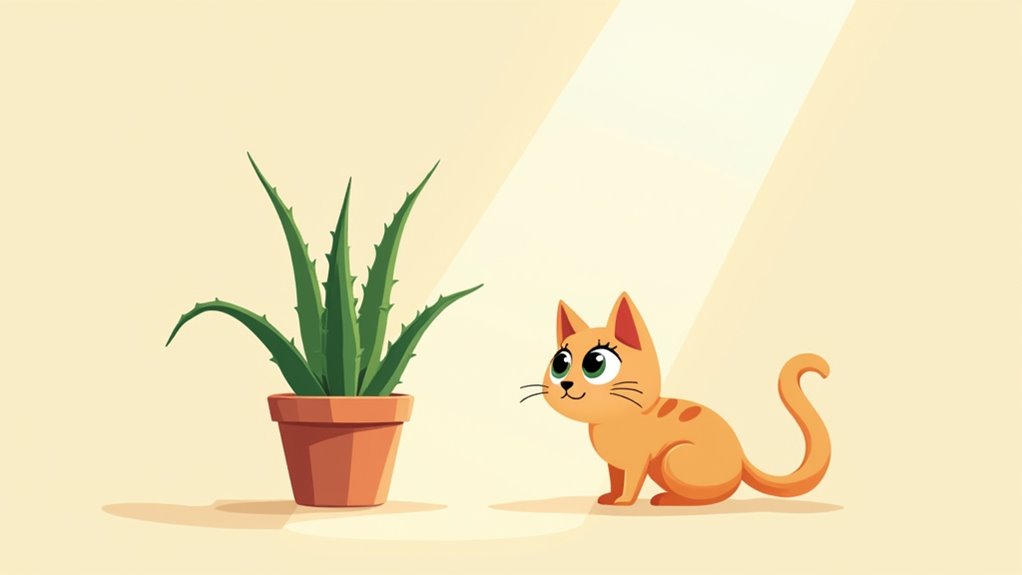
Understanding the toxic compounds in aloe is key to keeping your cat safe. Aloe vera has saponins and anthraquinones. Both are harmful to cats.
Saponins: These compounds can irritate your cat’s stomach. This might lead to vomiting and diarrhea. You may notice your cat acting tired or uncomfortable after eating aloe.
Anthraquinones: Found in the gel of aloe leaves, these compounds can act like a laxative. They may cause severe diarrhea and stomach pain. Your cat might also show signs like tremors and changes in urine color.
Both saponins and anthraquinones upset your cat’s digestion. Even tiny amounts of aloe gel can be dangerous.
To keep your cat safe, avoid having aloe plants in your home.
Watch for signs if you think your cat ate aloe. Seek veterinary help right away. Taking these steps helps ensure your cat stays healthy and happy.
Veterinary Treatment for Aloe Ingestion
Aloe vera can be harmful to cats. Quick action is essential for their safety. Remove any remaining aloe from their reach. Watch for signs like vomiting, diarrhea, or tiredness. Contact your vet or an emergency clinic right away for help.
Emergency Response Steps:
- Contact Vet: Tell them how much aloe your cat ate and any symptoms.
- Inducing Vomiting: The vet might recommend this to stop more toxins from being absorbed.
- Monitoring: Keep an eye on your cat for at least 24 hours.
- Treatment Options: Be ready for possible hospitalization, IV fluids, or medicines for nausea.
The vet will check your cat thoroughly to see how serious it is. Quick action can really help your cat recover and stay healthy.
Preventing Aloe Exposure in Your Home
Keeping your cat safe at home means preventing aloe exposure. Start by removing any aloe vera plants. This is the best way to protect your furry friend.
If you want plants, choose cat-safe options like spider plants or Boston ferns. These won’t harm your cat.
To keep your cat away from plants, use some effective strategies:
- Place plants high: Use shelves or hang them.
- Create barriers: Fencing works well for outdoor plants.
- Use deterrent sprays: Vinegar or citrus can make plants less appealing.
- Restrict rooms: Keep plants in areas your cat doesn’t visit.
Watch your cat’s behavior around plants. Notice any unusual interest? Act quickly.
It’s important to keep your home safe from toxic plants like aloe. Your cat’s health depends on it.
Frequently Asked Questions
Can Cats Eat Aloe Vera Gel Safely?
Aloe vera gel can be safe for your cat’s skin. It helps soothe minor irritations. But be careful. If your cat eats it, they might have stomach issues. This can cause vomiting or tiredness. Always watch your cat closely after applying it. Using aloe vera on your cat is possible, but safety comes first. Keep it out of their reach to prevent eating. Your cat’s health is important, so take precautions.
Are There Any Aloe Vera Products Safe for Cats?
Aloe vera products can be safe for cats. Some brands make special formulas just for pets. These products help keep your cat’s skin healthy and hydrated. They do not have the harmful effects of raw aloe. Always check the label for safety before using any product. Make sure it’s made for cats. This way, you can help your furry friend stay happy and healthy.
How Much Aloe Can Cause Toxicity in Cats?
Aloe can be harmful to cats. Even a small bite can cause issues. Symptoms of aloe toxicity include vomiting, diarrhea, and lethargy. The more aloe your cat eats, the more severe the symptoms can become. It’s best to keep aloe plants away from your furry friend. Always choose safety first when it comes to your cat’s health.
What Should I Do if My Cat Licks Aloe?
Aloe is not safe for cats. If your cat licks aloe, watch for problems. Look for symptoms like vomiting or being tired. Act quickly if you notice any issues.
Keep all toxic plants out of your cat’s reach. It’s important to create a safe environment. If your cat shows any signs of sickness, call a vet right away. They can help you understand what to do next. Always keep your furry friend safe and healthy.
Can Aloe Poisoning Be Fatal to Cats?
Aloe poisoning is dangerous for cats. Cats can suffer from aloe vera toxicity. Signs include lethargy and vomiting. These symptoms can lead to serious health issues. Always prioritize your cat’s health. If you suspect aloe poisoning, call your vet right away. Quick action can save your furry friend’s life. Aloe is toxic to cats. Keep aloe plants out of reach. Awareness can prevent accidents and keep your pet safe. Be cautious and watch for signs of illness. Take care of your cat’s well-being.
Conclusion
Aloe vera is not safe for cats. This plant contains toxic compounds. These can lead to serious health problems. Common symptoms of aloe poisoning include vomiting and diarrhea.
Keep aloe vera plants out of your cat’s reach. If you think your cat has eaten aloe, contact your vet right away. Taking quick action can help protect your pet’s health.
Creating a safe space for your furry friend is important. Always be watchful for harmful plants. Your cat’s safety comes first!
