
Can Cat Eat Bean Sprouts
This post contains affiliate links. As an Amazon Associate, we earn from qualifying purchases.
Yes, cats can eat bean sprouts, but caution is necessary. These sprouts offer nutrients such as vitamins C, calcium, and iron. However, it’s important to cook them properly to eliminate harmful bacteria like *Salmonella* and *E. coli*. Begin with just ½ teaspoon once a week, ensuring it never exceeds 10% of their overall diet. Watch for any allergic reactions, such as itching or digestive issues. Cooking the sprouts makes them safer and easier to digest. For more details on safe varieties and feeding tips, continue reading!
Essential Facts in 30 Seconds
- Cats can eat cooked bean sprouts to avoid harmful bacteria.
- Safe types include alfalfa, cooked Brussels, mung bean, and pea sprouts.
- Introduce bean sprouts gradually, starting with ½ teaspoon weekly.
- Limit bean sprouts to 10% of the cat’s overall diet.
- Monitor for allergic reactions like scratching, vomiting, or behavior changes.
Nutritional Benefits of Bean Sprouts for Cats
Bean sprouts are a great way to boost your cat’s diet. These little greens offer many important vitamins and minerals.
They’re full of vitamin C, which helps keep your cat’s immune system strong. This is especially useful for cats with liver problems.
Bean sprouts also contain calcium for strong bones. Iron helps produce red blood cells, which is key for healthy oxygen levels in your cat’s body. The high fiber in bean sprouts aids digestion and can help with constipation.
To add bean sprouts to your cat’s meals, try these simple ideas:
- Offer them as a treat once in a while.
- Mix a small amount into your cat’s regular food.
- Always cook the sprouts to avoid any germs.
With these tips, bean sprouts can be a healthy addition to your cat’s diet.
Risks of Feeding Bean Sprouts to Cats
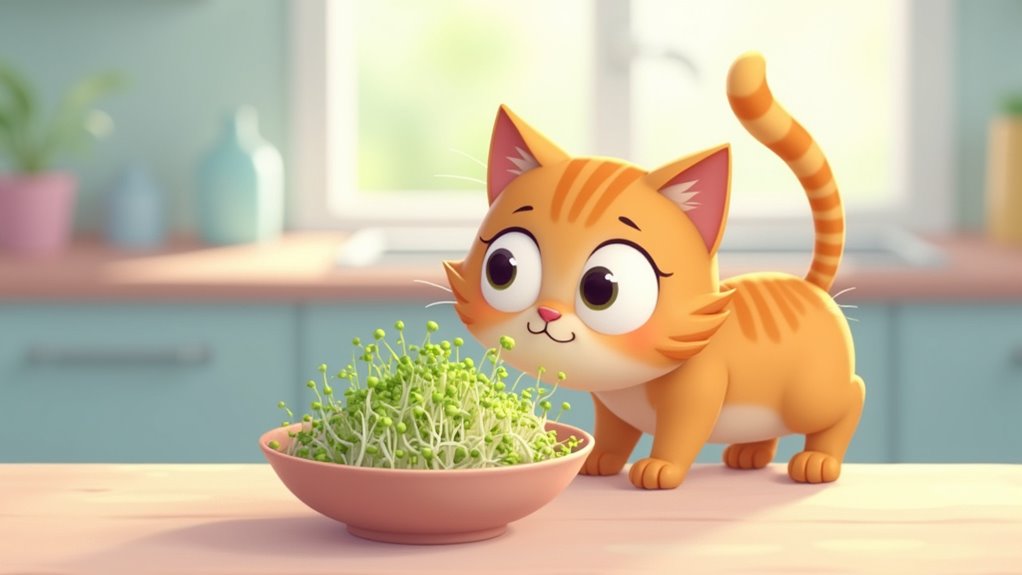
Feeding bean sprouts to your cat can be risky. Proper preparation and portion sizes are important.
Bacterial Risks
Bean sprouts can carry harmful bacteria like *Salmonella* and *E. coli*. They grow well in warm, wet places. Always wash sprouts with vinegar and boil them. This helps kill bacteria.
Digestive Upset
Cats have sensitive stomachs. New foods may cause vomiting or diarrhea. Watch your cat after giving sprouts. If they seem lethargic or stop eating, see a vet.
Nutritional Imbalance
Keep bean sprouts to about 10% of your cat’s diet. Too many can lead to protein deficiencies. A balanced diet is key for a healthy cat.
Choking Hazards
Cut sprouts into small pieces. This prevents choking, especially in kittens. Always prioritize safety during feeding.
Allergy Risks
Some cats may be allergic to bean sprouts. Look for signs like itching or strange behavior. Stop feeding them if you notice these signs. Always ask your vet for advice.
Safe Sprouts for Feline Consumption
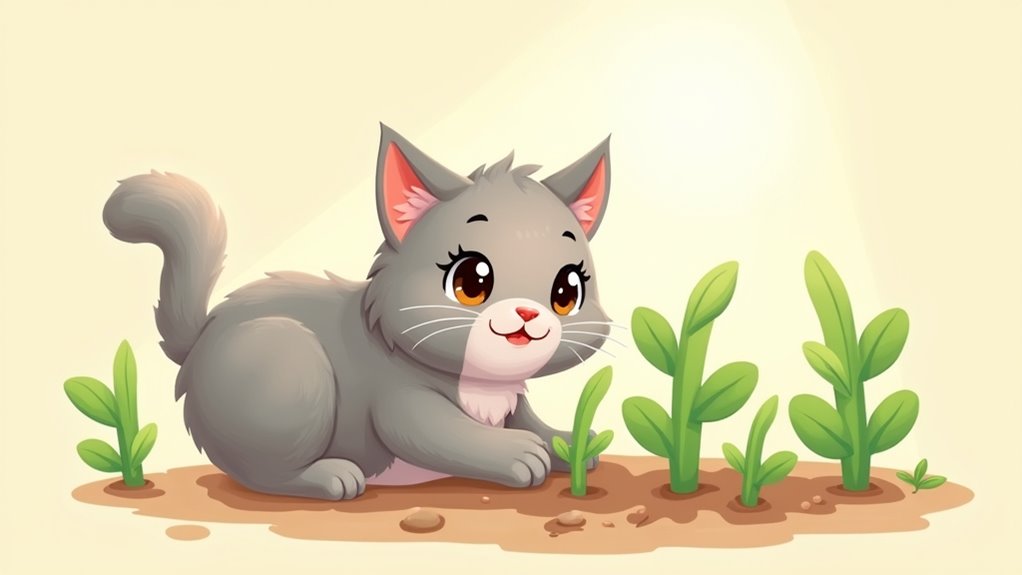
Safe sprouts for your cat include a few tasty options. Alfalfa sprouts are at the top of the list. They’re safe and packed with nutrients. Give them in small amounts.
Cooked Brussels sprouts are also good. They offer vitamins and fiber. Just serve them occasionally.
Mung bean sprouts can be safe too. Clean and cook them well. Always be cautious with these.
Don’t forget pea sprouts. They must be cooked to lower the risk of bacteria.
These sprouts can add variety to your cat’s diet. Always watch for any signs of allergies or upset stomach. Bean sprouts are generally safe for cats when introduced in moderation. Enjoy feeding your furry friend!
Feeding Recommendations and Portion Control
Portion control is very important for your cat’s health. Introducing new foods like bean sprouts should be done carefully. Start with a small amount, like half a teaspoon. This helps you check if your cat likes them.
You can slowly increase the amount to one teaspoon every week or two. Remember, bean sprouts should only be a special treat. Here are some guidelines:
| Portion Size | Feeding Frequency | Notes |
|---|---|---|
| ½ teaspoon | Once a week | Watch for any reactions |
| 1 teaspoon | Every two weeks if okay | Do not feed daily |
| Limit to 10% of diet | Only as a treat | Avoid nutrient problems |
| Avoid large amounts | Give rarely | Stop digestive issues |
| Keep it clean | Serve plain | No spices or extras |
Do not feed bean sprouts too often. They have low protein. Always watch your cat for any bad reactions. Talk to your vet before adding new foods to their diet.
Cooking vs. Raw Bean Sprouts for Cats
Bean sprouts can be a tasty treat for cats.
Raw bean sprouts may have harmful bacteria. Bacteria like *Salmonella* and *E. coli* can make your cat very sick.
Cooking bean sprouts gets rid of these risks. It also keeps important nutrients. Cooked bean sprouts are easier for your cat to digest.
Always choose cooked bean sprouts for your furry friend’s safety and health.
Bacterial Contamination Risks
- Potential Illness: Raw sprouts can make cats sick. They may vomit or have diarrhea.
- Contamination Statistics: About 0.7% of commercial mung bean sprouts contain *Salmonella*.
- Preparation Matters: Cooking or boiling sprouts can kill harmful bacteria. It makes them safer to eat.
Always wash sprouts well before serving.
If you serve them raw, use a vinegar spray for extra safety.
Cooking is the best way to lower the risk of bacteria when feeding bean sprouts to your cat.
Nutrient Retention Benefits
Raw bean sprouts can be a healthy treat for your cat, but there are important factors to consider. Nutrient retention is key. Let’s look at how raw and cooked bean sprouts compare.
| Nutrient Type | Raw Bean Sprouts | Cooked Bean Sprouts |
|---|---|---|
| Vitamins | High in vitamins A, C, K | Retains A and K, loses C |
| Fiber Benefits | High fiber, aids digestion | Softer fiber, easier to digest |
| Antioxidant Properties | Rich in antioxidants | Some antioxidants diminished |
Raw bean sprouts are packed with vitamins, especially A, C, and K. They also provide plenty of fiber, which helps digestion. The antioxidants in raw sprouts support your cat’s overall health.
Cooking bean sprouts changes things. Cooking keeps vitamins A and K but reduces vitamin C. It makes fiber softer, which can help with digestion. Cooking also lowers the risk of bacteria, which is important for your cat’s safety.
Finding the right balance is essential. You can offer raw bean sprouts for their nutrients or cook them for safety and easier digestion. Both options can fit into your cat’s diet. Choose what works best for your furry friend!
Digestibility and Safety
Understanding how to safely feed bean sprouts to your cat is important. Raw sprouts can be risky for their health. Here are some key points to consider:
- Bacterial Risks: Raw sprouts may carry harmful bacteria like *Salmonella* and *E. coli*. These can make cats sick.
- Digestive Problems: Cats don’t have the enzymes to digest raw plant fibers. This can lead to upset stomachs.
- Cooking Helps: Boiling bean sprouts kills bacteria. It also softens the fibers, making them easier for your cat to digest.
Always cook bean sprouts before giving them to your cat.
Watch for any signs of stomach issues after they eat. By following these steps, you can safely enjoy bean sprouts while keeping your cat healthy.
Monitoring Your Cat’s Reaction to Bean Sprouts
Introduce bean sprouts to your cat’s diet slowly.
Watch for any changes in digestion. Signs like vomiting or diarrhea within 24 hours can show discomfort. These reactions may mean your cat can’t handle bean sprouts well.
Keep an eye out for allergic reactions too. Unusual scratching or swelling may happen.
If you notice these symptoms, contact your vet right away. It’s always best to be safe. A vet can help you decide if bean sprouts are right for your cat.
Observe Digestive Changes
Monitoring your cat’s reaction to bean sprouts is important for their digestive health. Keep a close eye on how they respond to this new food.
Here’s how to track any digestive changes:
- Onset Timing: Write down when symptoms show up, usually a few hours after eating.
- Frequency Tracking: Count how often your cat vomits or has diarrhea. This helps you see how bad it is.
- Stool Assessment: Check for any changes in the stool. Look for loose stools or mucus.
These steps help you understand your cat’s tolerance to bean sprouts. If symptoms last longer than 24 to 48 hours, call your vet.
When your cat returns to normal eating habits, it usually shows their digestive system has adjusted well.
Watch for Allergic Reactions
Watch your cat closely after giving them bean sprouts. Allergies can show up in many ways.
Check for excessive scratching, biting, or grooming, especially on the face, ears, and belly. Skin lesions or hair loss may appear from these actions. Your cat might also have stomach issues like vomiting or diarrhea.
Signs of tiredness or less eating can indicate an allergic reaction. If you notice any of these symptoms, see your veterinarian right away. Quick action helps keep your cat healthy and happy.
Frequently Asked Questions
Can Bean Sprouts Replace Regular Cat Food?
Bean sprouts cannot replace regular cat food. They do have some nutritional benefits. They can help with digestion too. But cats need animal protein to stay healthy. This is crucial for their survival. Use bean sprouts as an occasional treat, not as a main food. Cats thrive on a balanced diet that includes meat. Keep your feline friend happy and healthy with proper cat food. Always stick to what’s best for them.
Are There Any Specific Brands of Bean Sprouts for Cats?
Critter Sprouts has pet-friendly mixes like “Cat Grass.” These options can be fun for your cat. Bean sprouts are not very nutritious, but they can add variety to your pet’s diet. A little change can make mealtime more exciting. Always remember, high-quality cat food is essential. It keeps your cat healthy and happy. Focus on giving your cat the best nutrition.
How Often Can I Give My Cat Bean Sprouts?
You can give your cat bean sprouts once or twice a week. This adds some fun to their diet. Cats need a balanced diet, so always focus on animal proteins. Treats like bean sprouts should not replace their main food. Always make sure the bean sprouts are fresh and clean. Keep an eye on how your cat reacts. Some cats may love them, while others may not. Remember, a healthy cat is a happy cat!
Can Kittens Eat Bean Sprouts Safely?
Kittens can safely enjoy bean sprouts as a treat. Serve them in small amounts. Always wash the sprouts well or cook them. This helps prevent any health issues. Remember, a balanced diet is key for your kitten. Focus on providing high-quality cat food as their main meal. Bean sprouts are a fun addition but not a replacement for proper nutrition. Keep your little one happy and healthy!
What Should I Do if My Cat Refuses Bean Sprouts?
Cats can be picky eaters. If your cat doesn’t want bean sprouts, that’s okay. Every cat has its own likes and dislikes. Respect their choices.
Try offering other vegetables. Cat grass is a good option. Cooked zucchini can also be tasty for them. Mix small bits of bean sprouts with their favorite foods. This can help them get used to the new taste.
Be patient. Cats may need time to accept new foods. Don’t force them. Keep mealtime fun and stress-free. Your cat will appreciate it.
Conclusion
Bean sprouts can be safe for cats in small amounts. They provide some nutrition like vitamins and fiber. But, there are risks. Some cats might have trouble digesting them. Always introduce new foods slowly. Watch how your cat reacts.
Look for any signs of upset stomach or allergies. If anything seems off, stop giving them bean sprouts right away. Your cat’s health is the most important thing. Talk to your veterinarian before changing their diet. It’s the best way to keep your furry friend healthy and happy.
