
Can Cat Eat Beans
This post contains affiliate links. As an Amazon Associate, we earn from qualifying purchases.
Cats can eat some beans, but caution is necessary. Toxic varieties like raw kidney beans can cause vomiting or diarrhea in cats, while safe options include well-cooked green beans or pinto beans served plain and without seasoning. It’s best to limit their intake to less than a tablespoon, once or twice a week, to prevent digestive issues. Always consult your vet before making any dietary changes. Further details and considerations for your cat’s health will follow.
Essential Facts in 30 Seconds
- Some beans, like green beans, black beans, and pinto beans, can be safe for cats if cooked properly.
- Raw beans, especially kidney beans, are toxic to cats and should be avoided.
- Beans must be served plain, without spices, salt, or seasoning, for safety.
- Limit bean servings to less than a tablespoon, 1-2 times a week, to avoid digestive issues.
- Consult a veterinarian before adding beans or new foods to your cat’s diet.
Toxicity of Beans for Cats
Many people love beans, but some can be very dangerous for cats. Beans like cacao and coffee have methylxanthines. These can cause serious health problems. Watch for signs like vomiting, diarrhea, fast heart rate, or seizures.
Be careful with seasoned or processed beans. They often have harmful ingredients like onions, garlic, or xylitol. These can be very risky for your cat. Additionally, some beans, like certain legumes, can be toxic when raw and should always be fully cooked before offering them.
Castor beans are especially dangerous. Even a tiny bit can be deadly. Symptoms can appear within 12 to 48 hours. This may lead to kidney failure and seizures. Additionally, while some beans like garbanzo beans are not toxic, they are not ideal for cats due to their plant-based proteins which cats cannot efficiently digest.
If your cat eats any toxic beans, get help from a vet right away. Don’t try to make them vomit at home. Always talk to a professional.
Keeping your cat safe means knowing these dangers.
Nutritional Value of Beans
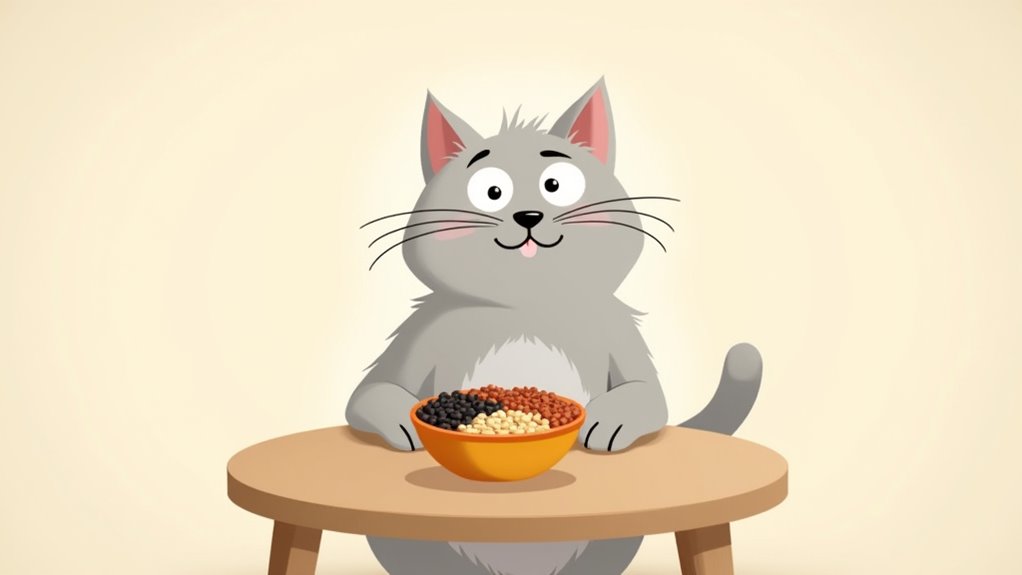
Feeding your cat requires knowing the right foods. Beans can provide some benefits, but they aren’t enough on their own.
Beans offer plant-based protein. This protein doesn’t have all the important amino acids cats need. One missing amino acid is taurine. Taurine is vital for your cat’s health.
Beans also contain vitamins. They’ve B6 and A. These vitamins help with metabolism and eyesight.
The fiber in beans is good for digestion. It helps keep your cat’s bowel movements healthy.
Even with these benefits, beans can’t replace meat. The protein in beans is harder for cats to use. Animal protein is more effective for their needs.
Always talk to your vet before adding beans to your cat’s diet. Your cat’s health should always come first.
Safe Types of Beans for Cats
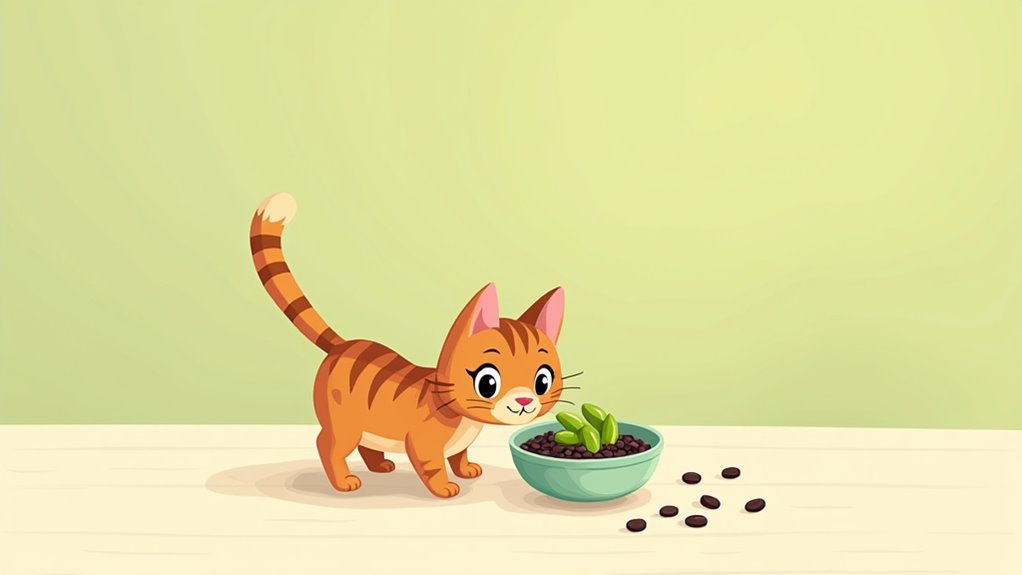
Cats can enjoy some types of beans as treats. Safe options include green beans, black beans, pinto beans, lima beans, and white beans like navy beans. Always serve them well-cooked. Cats are obligate carnivores, so their primary diet should consist of meat, making plant-based foods non-essential.
Green beans are especially popular with cats. They can munch on these as a fun snack. Black, pinto, and lima beans are safe too. Just make sure to cook them thoroughly. Avoid using spices or anything else that could be harmful.
To prepare beans, boil or soak them to remove toxins. This makes them safe for your cat. Steer clear of canned beans. They often have added salt, which is bad for pets. Beans shouldn’t replace your cat’s normal food. Give them in small amounts and only as an occasional treat.
Remember these key points:
- Safe beans: Green, black, pinto, white, and lima beans.
- Cooking methods: Boil or soak them. No spices allowed.
Additionally, moderation is key when offering beans to your cat, as excessive consumption can lead to digestive issues.
Always check with your vet before adding new foods to your cat’s diet.
Digestive Considerations When Feeding Beans
Feeding beans to cats can cause digestive issues. Cats are obligate carnivores. Their bodies aren’t built for plant foods. This can lead to problems such as:
- Diarrhea and vomiting: Beans have high fiber. This can upset your cat’s stomach.
- Gas and bloating: Cats may struggle to digest beans, causing discomfort.
- Pancreatic strain: Eating too many beans can lead to pancreatitis, a serious condition.
Cats need animal protein to stay healthy. Beans provide lower-quality protein that’s hard for them to digest. Raw or improperly cooked beans can also have toxins.
Always serve plain, fully cooked beans without any seasonings.
Keep an eye on your cat after giving new foods. Look for signs of distress. If you notice any problems, contact your vet. By being careful, you can help your cat stay healthy and happy.
Feeding Guidelines for Cats and Beans
Cats can have beans as a special treat. It’s best to do this carefully and in small amounts. Offer less than a tablespoon of cooked beans. Limit this to one or two times a week.
Feeding Frequency Guidelines:
- 1-2 times a week: Beans aren’t a daily food.
- Cooked Only: Serve beans plain and cooked. Don’t add spices or salt.
Safety Precautions:
- Avoid Canned Beans: They can have harmful salt.
- Skip Raw Beans: Raw beans, like kidney beans, can be toxic.
Veterinary Consultation:
Talk to your vet before changing your cat’s diet. They can give you advice to keep your cat healthy. Additionally, be cautious as digestive issues may arise from feeding beans.
Alternatives to Beans in a Cat’s Diet
Many cat owners seek alternatives to beans in their pets’ diets. High-quality protein sources are excellent choices. Cooked chicken or fish can provide essential nutrients. These proteins help keep your cat healthy and maintain a good weight. Additionally, it’s important to remember that cats are obligate carnivores and require a meat-based diet for optimal health, as they thrive on protein-rich foods.
Safe vegetables, like carrots and pumpkin, are also beneficial. They support digestion and boost overall health. Adding these options can make meals more enjoyable for your feline friend. Keep your cat’s meals varied and nutritious for the best results.
High-Quality Protein Sources
High-quality protein sources are vital for your cat’s health. Beans lack essential amino acids, which cats need.
Choose these protein-rich foods to support your cat’s well-being:
- Egg Whites: They’re easy to digest and full of important amino acids. Additionally, they can be a good source of essential nutrients that contribute to your cat’s overall health.
- Chicken Breast: This lean meat helps keep your cat strong and healthy.
- Fish: Fish is loaded with omega-3 fatty acids that boost overall health.
These options ensure your cat gets the nutrients necessary for growth and energy. Additionally, incorporating treats like chicken gizzards can provide essential vitamins and minerals that further enhance your cat’s diet.
Cats need at least 26% crude protein in their diet. Always check food labels to make sure they meet AAFCO standards.
Nutrient-Rich Cat Foods
Beans may seem like a healthy choice for your cat, but they don’t have the nutrients cats need. Instead, focus on foods that give your cat the right amino acids and vitamins for good health.
Great Choices:
- Lean Meats: Cooked chicken or turkey provides lots of protein.
- Fish: Cooked fish offers omega-3 fatty acids for a shiny coat.
- Eggs: Cooked eggs are rich in protein and amino acids.
- Commercial Cat Foods: Pick AAFCO-approved brands for a balanced diet.
Why These Foods Matter:
These options ensure your cat gets vital vitamins and minerals. This supports their overall health. Additionally, chicken breast is a great source of protein and can be a nutritious treat for your cat when prepared correctly.
Choosing these nutrient-rich foods can greatly improve your cat’s well-being. Always talk to your vet before changing your cat’s diet.
Safe Vegetable Options
Adding safe vegetables to your cat’s diet is a smart choice. These veggies provide important nutrients without the risks of beans. Here are some cat-friendly options:
- Steamed Broccoli: This fiber-rich veggie helps with digestion.
- Cooked Carrots: They’re full of vitamins and safe when boiled or steamed.
- Green Beans: A tasty, low-calorie snack that’s easy to digest.
Prepare these vegetables by washing them well and cooking them until soft. Start with small amounts, like 1-2 teaspoons. This helps avoid any stomach issues.
Moderation is important for your cat’s health. Explore these nutritious options for a balanced diet!
Frequently Asked Questions
Can Kittens Eat Beans Safely?
Kittens can eat beans safely in small amounts. Beans should be plain and well-cooked. Always prioritize kitten food that offers essential nutrients. Kittens need animal-based proteins for strong growth. Beans cannot replace these important proteins. Remember, keep beans as an occasional treat. Monitor your kitten for any signs of upset stomach after eating beans. Always provide fresh water. Balance their diet for healthy development.
What Symptoms Indicate Bean Toxicity in Cats?
Cats can show signs of bean toxicity. Watch for symptoms like vomiting, diarrhea, tremors, or a fast heartbeat. These signs often mean your cat has eaten harmful beans.
Stay alert for severe symptoms. If you notice any, contact your vet right away. It’s important to act quickly. Keeping your cat safe means knowing what foods are dangerous. Always check what beans your cat can eat.
How to Introduce Beans to a Cat’s Diet?
To add beans to your cat’s diet, begin with small amounts. Choose plain, cooked green beans or black beans. Offer a tiny serving first. Watch how your cat reacts. Some cats may love them, while others may not. Only give beans as a treat, not every day. This helps your cat adjust to the new food. Always prioritize your cat’s health and comfort. If your cat shows any signs of upset stomach, stop giving beans. Always consult your vet for guidance on new foods for your cat.
Are There Any Health Benefits of Beans for Cats?
Beans can provide up to 25% of your cat’s daily fiber needs. They help with digestion and add important vitamins to your cat’s diet. Cats need meat for protein, so beans should not replace animal sources. Use beans as a small part of their meals. Always introduce new foods slowly. Monitor your cat for any signs of upset stomach. Beans can be a healthy addition, but moderation is key.
Can Beans Cause Allergies in Cats?
Beans can cause allergies in cats. Symptoms include excessive itching, vomiting, and skin irritation. These signs can be uncomfortable for your pet. It’s important to watch for any changes in their behavior or health. Cats can have food allergies just like people do. If you notice these symptoms, talk to your vet. They can help determine if beans or other foods are the problem. A vet can suggest the best diet for your cat to avoid allergies. Keeping your cat healthy and happy is the goal.
Conclusion
Some beans can be safe for cats, but caution is important. Not all beans are safe; some can even be toxic. Always introduce new foods slowly. Watch for any bad reactions. Consult your vet if you have questions about adding beans to your cat’s diet. A balanced diet is key for your cat’s health. Explore safe bean options or stick with regular cat food. Make the best choice for your feline friend.
