
Can Cat Eat Brown Rice
This post contains affiliate links. As an Amazon Associate, we earn from qualifying purchases.
Cats can eat brown rice in small amounts as an occasional treat, but it should not replace their main diet of animal protein. This grain provides quick energy and fiber, which can aid digestion. However, overindulgence can cause gas, bloating, or diarrhea. It’s recommended to serve less than a tablespoon a week, ensuring it’s fully cooked and free of spices. For optimal nutrition, mix it with lean meats. If your cat has digestive issues or allergies, consulting your vet is advisable. Further details and safe alternatives for your feline friend will be discussed later in the article.
Essential Facts in 30 Seconds
- Cats can eat brown rice in small amounts as an occasional treat.
- It should not be a regular part of their diet.
- Fully cooked brown rice provides fiber and carbohydrates.
- Limit servings to less than a tablespoon per week.
- Brown rice should not exceed 10% of daily calorie intake.
- Monitor for digestive issues or allergies in cats.
- Lean meats and vegetables are better dietary choices than brown rice.
Nutritional Benefits of Brown Rice for Cats
Brown rice can be a helpful addition to your cat’s diet. It offers some nutritional benefits, but use it wisely. This grain provides carbohydrates, mainly as starch. These carbs can give your cat a quick energy boost, especially after being sick.
Cats are obligate carnivores. They need very few carbs. Yet, the fiber in brown rice helps with digestion. It can also prevent constipation. A moderate amount of fiber can help control blood sugar levels and support a healthy gut. Small amounts of brown rice can be digested by cats, making it a suitable occasional treat.
Introduce brown rice slowly to avoid stomach upset. While it has some vitamins and minerals, it shouldn’t replace animal protein in your cat’s meals. Think of it as a supplement to improve nutrition.
Always talk to your vet before making big changes to your cat’s diet.
Potential Risks of Feeding Brown Rice
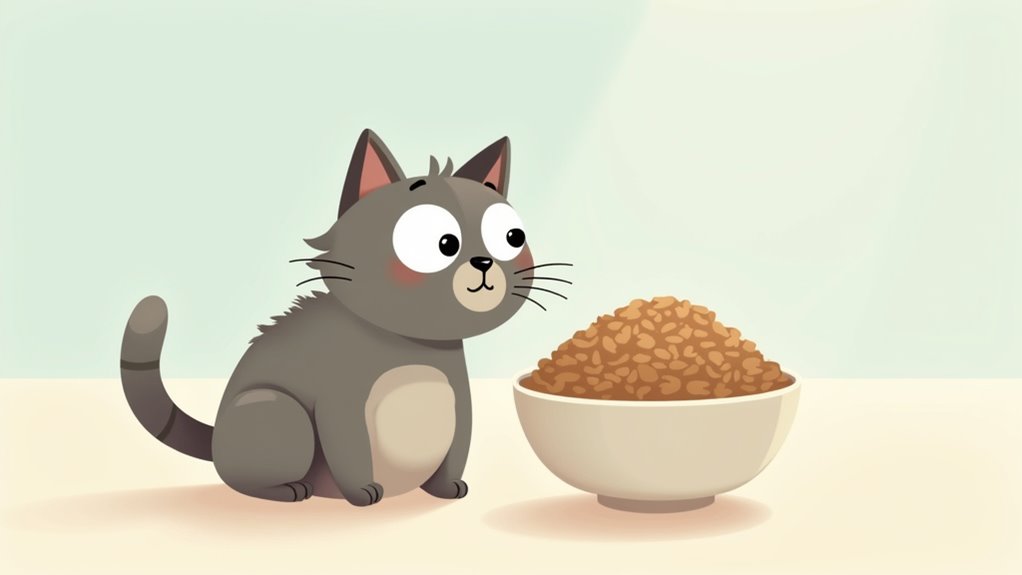
Adding brown rice to your cat’s diet can have risks. Brown rice has some benefits, but it can also cause digestive problems.
Cats are obligate carnivores, which means they need meat. They find it hard to digest high-fiber foods. This can lead to gas, bloating, or diarrhea.
Feeding too much brown rice may push out important proteins. This can increase the chance of obesity and other health issues. Be aware that some cats might be allergic to grains like brown rice. Signs of allergies include itching or vomiting. Always introduce new foods slowly. Watch for any bad reactions.
To keep risks low, cook brown rice fully and serve small amounts. Don’t add spices or onions; these can be toxic. Additionally, rice should complement a meat-based diet and not replace it to ensure your cat receives proper nutrition.
Recommended Serving Practices for Brown Rice

Serving brown rice to your cat needs care. Follow these simple tips to keep your cat healthy:
- Cook it Well: Always serve brown rice that’s fully cooked. Soft rice is easier for your cat to digest.
- Watch the Amount: Give less than a tablespoon of brown rice each week. This prevents tummy troubles. It should be no more than 10% of their daily calories.
- Add Protein: Mix the rice with chicken or fish. This makes it more nutritious and tasty for your cat.
- Treat, Don’t Overdo: Serve brown rice as a special treat. It shouldn’t be a regular part of their meals. It should support their main diet.
These easy steps will help keep your cat happy and healthy!
Alternatives to Brown Rice in a Cat’s Diet
Brown rice isn’t the only food option for your cat. There are many great alternatives that can help keep your cat healthy. Lean meats are top choices. Plain chicken, turkey, or fish like salmon provide important proteins. These meats help maintain muscle and support overall health. Always cook the meats without skin or bones. Avoid any added spices or sauces. Chicken provides essential proteins that are crucial for your cat’s overall health.
Vegetables can also be good for your cat. Cooked pumpkin, carrots, and sweet potatoes add fiber. Fiber helps with digestion. Serve these veggies in small amounts. Make sure they’re plain and don’t have oils or seasonings.
Fruits, like blueberries or peeled apples, can be a nice treat. They offer antioxidants, which are good for health. Stay away from fruits with seeds, as they can be harmful.
For a balanced meal in a pinch, mix cooked meats with a small amount of veggies. Remember, while brown rice is safe, it doesn’t provide the nutrients your cat needs. Lean meats and vegetables are much better choices.
Always talk to your vet before changing your cat’s diet. They can guide you to keep your feline friend happy and healthy. Additionally, introducing safe vegetables can provide your cat with added nutrients and variety in their diet.
When to Consult Your Veterinarian
Cats often hide their pain. Recognizing when your cat needs to see a vet is important. Watch for these signs:
- Frequent Vomiting: Vomiting more than once or twice a month should prompt a vet visit.
- Diarrhea with Vomiting: This is serious. Get your cat to the vet right away.
- Lethargy or Weight Loss: If your cat seems tired or loses weight suddenly, take action.
- Straining in the Litter Box: Difficulty using the litter box can mean gastrointestinal problems.
Excessive thirst, constant urination, or no appetite also signal a need for care. These could indicate diabetes or other health issues.
Trust your instincts. Always reach out to your vet when you notice changes in your cat’s health. Your pet deserves the best care possible.
Frequently Asked Questions
Can Kittens Eat Brown Rice Safely?
Kittens can eat brown rice safely, but only in small amounts. This grain is not very nutritious for them. Always cook the rice well before feeding it to your kitten. Offer it as a treat, not a main food. Too much brown rice can upset their stomach. Stick with a balanced diet to keep your kitten healthy.
How Should Brown Rice Be Prepared for Cats?
Prepare brown rice for your cat by cooking it well in plain water. Make sure it is soft. This helps with digestion. Serve small amounts as a treat. Brown rice has fiber, which is good. It should not replace meat in their diet. Cats need protein from meat to stay healthy. Always keep their main diet meat-based. Brown rice can be a fun addition, but don’t overdo it. Always watch for any allergic reactions. Happy feeding!
Is Brown Rice Better Than White Rice for Cats?
Brown rice has lots of nutrients. It can help with digestion for your cat. But it is not the best choice. White rice is easier for cats to digest. This makes white rice a better option overall. Cats often need simple foods. They may do better with easy-to-digest options. Always pay attention to how your cat reacts to food.
Can Cats Develop Allergies to Brown Rice?
Cats can have allergies to brown rice, but it’s not very common. Symptoms can include upset stomach or skin problems. If your cat shows these signs, it may have a sensitivity to rice. Take your cat to the vet for a check-up. They can help find out what’s wrong and what to do next. Keeping your cat healthy is important. Always pay attention to any changes in their behavior or health.
How Often Can I Give My Cat Brown Rice?
You can give your cat brown rice very rarely. Aim for less than a tablespoon each week. Brown rice may have some benefits, but too much can upset your cat’s stomach. Cats need a balanced diet that focuses on meat. Always prioritize their main food source. Treat brown rice as an occasional snack, not a regular meal. Keep your cat healthy and happy by sticking to this guideline.
Conclusion
Brown rice can offer some nutrition for your cat. It is important to be careful, though. Studies show about 30% of cats might have digestive problems with grains. Always introduce new foods slowly. Watch your cat for any bad reactions. If you are unsure about adding brown rice to their diet, ask your vet. Your cat needs a balanced diet that fits their needs. Keeping your cat healthy is the most important thing.
