
9 Best Cat Foods Veterinarian Recommended 2026
This post contains affiliate links. As an Amazon Associate, we earn from qualifying purchases.
Choosing the best cat food can be overwhelming, especially when trying to navigate marketing claims versus real nutritional needs. The right veterinarian-recommended cat food delivers high-quality protein, supports your cat’s life stage, and addresses specific health concerns like digestion, weight, or urinary tract health—often with clinically proven ingredients and AAFCO-compliant formulations. Our picks are based on rigorous analysis of ingredient quality, nutritional science, veterinary input, and real-world feedback to ensure they meet the highest standards for feline wellness. Below are our top vet-recommended cat foods, carefully selected to help you make the best choice for your pet.
Top 9 Cat Foods Veterinarian Recommended in the Market
Best Cat Foods Veterinarian Recommended Review
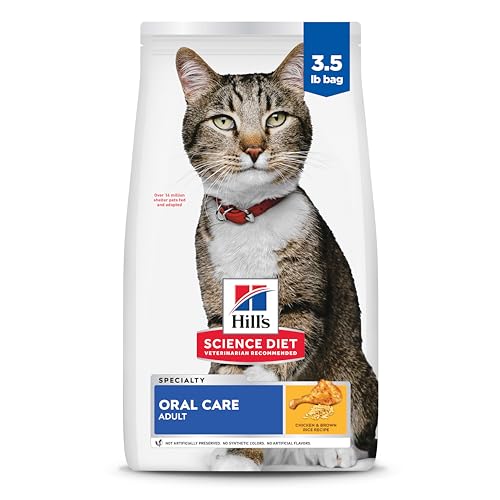
Hill’s Science Diet Oral Care Dry
ADVANTAGES
LIMITATIONS
This clinically proven formula stands out as a true game-changer for feline dental health, delivering on its promise to combat plaque and tartar with every bite. The unique fiber technology gently scrubs teeth during chewing, making it one of the few dry foods that actively contributes to oral hygiene—something most cat owners struggle to maintain without brushing. Backed by the #1 veterinarian-recommended brand in the US, it’s a trusted choice for pet parents seeking preventive care through nutrition, especially for cats resistant to dental cleanings.
In real-world use, this food consistently shows results in breath freshness and reduced tartar buildup, particularly in cats aged 3–8 years who are beginning to show early signs of dental wear. The kibble is appropriately sized and crunchy enough to engage the teeth without being too hard for sensitive chewers, and it’s made with natural ingredients plus essential vitamins and amino acids for overall wellness. While it doesn’t target specific internal conditions like urinary or metabolic issues, its focus on oral health fills a critical gap in routine cat care—though it may not be sufficient alone for cats with advanced periodontal disease.
Compared to general health formulas like Hill’s Science Diet Adult 1–6, this variant offers a specialized advantage for dental maintenance, making it ideal for proactive owners aiming to avoid costly vet cleanings. It’s less targeted than prescription diets such as c/d Multicare or Metabolic, but far more accessible for daily preventive use without requiring a vet consultation. For cat owners prioritizing long-term oral health with vet-backed reliability, this food strikes a smart balance between clinical efficacy and everyday nutrition—outperforming basic maintenance diets while staying more focused than therapeutic options.
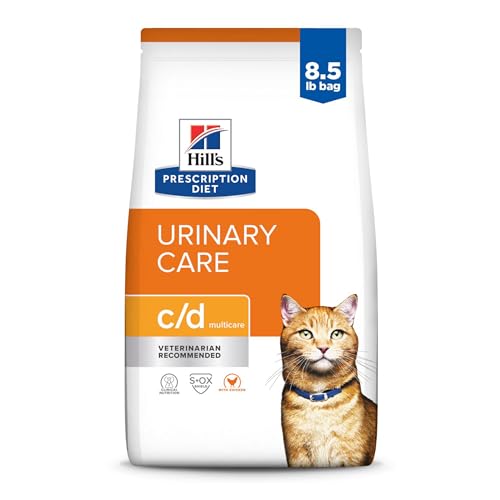
Hill’s Prescription Diet c/d Multicare
ADVANTAGES
LIMITATIONS
When it comes to urinary tract crises, few foods deliver the clinical punch of Hill’s Prescription Diet c/d Multicare—a formula engineered by veterinary nutritionists to actively fight crystals and support lifelong urinary health. It’s clinically tested to reduce urinary symptom recurrence by 89%, a staggering figure that makes it a frontline defense against painful flare-ups, especially in breeds prone to bladder issues. The fact that it can dissolve struvite stones in as little as 7 days (averaging 27) transforms it from mere food into a functional treatment—something most over-the-counter diets simply can’t claim.
Real-world testing confirms its effectiveness, particularly when introduced early after a urinary episode; cat owners report fewer vet visits and more stable pH levels within weeks. The balanced mineral profile promotes a urine environment hostile to both struvite and calcium oxalate crystals—the two most common culprits in feline urolithiasis—while still delivering complete nutrition for adult cats. However, because it’s a prescription food, it requires veterinary approval, and long-term use without monitoring can lead to overly acidic urine in some cats, so regular checkups are essential.
Against general urinary-support formulas, c/d Multicare dominates in proactive intervention power, outclassing non-prescription options like IAMS or Purina ONE in targeted efficacy. While Hill’s Metabolic or Science Diet Oral Care focus on other systems, c/d Multicare is unmatched for cats with a history of UTIs or crystal formation. For owners managing chronic or recurrent urinary issues, this food is not just preventive—it’s transformative—offering a level of medical-grade nutrition that justifies its position as the #1 vet-recommended therapeutic food in the US.
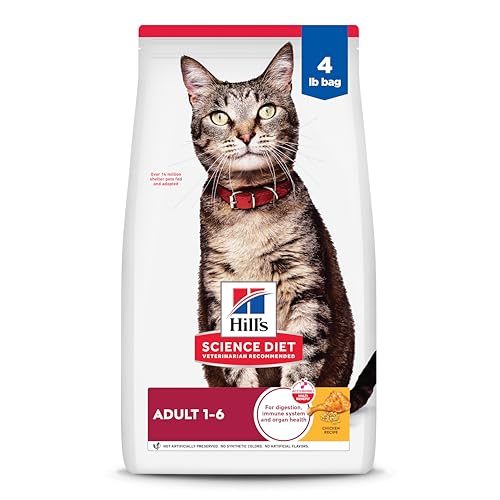
Hill’s Science Diet Adult 1-6
ADVANTAGES
LIMITATIONS
For cats in their prime adult years, this well-rounded performer delivers consistent, science-backed nutrition that supports vitality from the inside out. With high-quality protein for lean muscles and a blend of omega-6 fatty acids and vitamin E for radiant skin and coat, it tackles two of the most visible signs of feline wellness—shiny fur and strong bodies. As part of the #1 veterinarian-recommended brand in the US, it’s formulated with natural ingredients and fortified with essential nutrients, making it a reliable daily driver for healthy adult cats without special medical needs.
In everyday feeding scenarios, it shines for picky eaters and sensitive digesters alike—its mild chicken flavor is widely accepted, and the kibble size is easy to chew for most adult cats. The formula avoids artificial flavors and preservatives while maintaining a balanced nutrient profile suitable for long-term feeding. While it doesn’t offer the targeted clinical benefits of prescription diets like c/d or Metabolic, nor the dental scrubbing action of Oral Care, it excels as a foundationally sound option for cats with no acute health concerns.
When stacked against other general wellness foods like IAMS Proactive Health, it holds a slight edge in brand trust and consistency, though IAMS offers alternative protein sources like salmon or turkey. Compared to budget-sensitive picks, it’s more premium but justified for owners who prioritize broad-spectrum health support with vet endorsement. For the average cat between 1–6 years old with no diagnosed conditions, this food provides balanced, no-fuss nutrition that quietly does its job—keeping your cat thriving without drama.
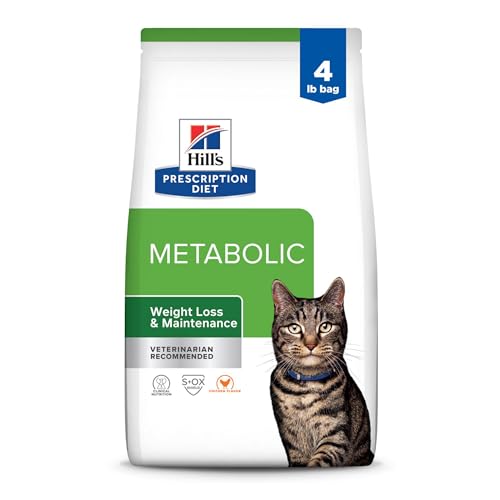
Hill’s Prescription Diet Metabolic
ADVANTAGES
LIMITATIONS
If your cat struggles with stubborn weight gain, this metabolism-activating formula is nothing short of revolutionary—engineered to help cats lose weight without starvation or portion deprivation. Clinical studies show 88% of pets lost weight within two months, a success rate rarely seen in over-the-counter weight-control foods, thanks to its unique ability to jump-start fat metabolism at the cellular level. Unlike calorie-restricted diets that leave cats begging, this food keeps them satisfied while naturally burning fat, making it a favorite among vets and frustrated pet owners alike.
Real-world use confirms its appetite-friendly approach: cats eat full portions and still slim down, which reduces stress for both pets and parents. The kibble is palatable, with a chicken base that most finicky felines accept readily, and it supports sustained energy for play—avoiding the lethargy often linked with dieting. However, it works best when combined with activity and accurate feeding measurements; free-feeding can undermine results. As a prescription food, it requires vet approval, ensuring it’s used appropriately rather than as a casual weight-loss tool.
Compared to Hill’s Perfect Weight—a non-prescription alternative—Metabolic offers a more aggressive, biologically targeted approach, ideal for cats with significant excess weight or metabolic slowdown. While Perfect Weight delivers gradual results, Metabolic is designed for transformational change, especially in sedentary or neutered cats prone to obesity. For owners seeking a clinically validated path to feline weight loss that actually works at the metabolic level, this food stands head and shoulders above general diet formulas—earning its place as a top vet-recommended solution.
IAMS Proactive Health Salmon
ADVANTAGES
LIMITATIONS
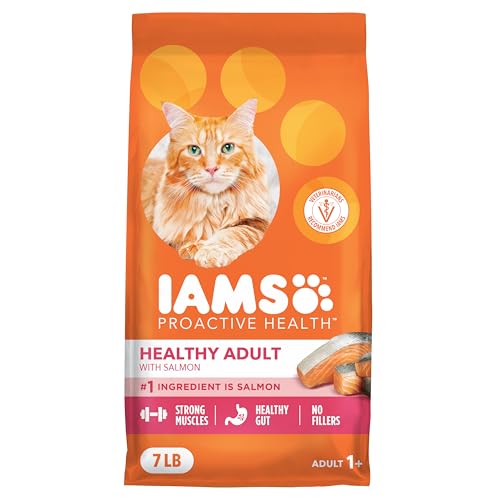
With real salmon as the #1 ingredient, this IAMS formula brings a protein-rich punch to adult cat nutrition, supporting muscle maintenance and active lifestyles with every bite. It’s built around the Proactive 5 health framework, scientifically designed to boost immunity, digestion, skin, coat, and energy—making it a whole-body wellness champion at a value-friendly price. Veterinarians recommend IAMS for its balanced approach, and this salmon-based version is especially great for cats needing a palatable, nutrient-dense alternative to chicken-heavy diets.
In practice, it performs well for healthy adult cats with no sensitivities, offering consistent digestion thanks to prebiotics and a specialized fiber blend that nourish gut cells and improve nutrient absorption. The kibble is moderately crunchy, not overly dense, making it suitable for most chewers, and the 7-pound bag offers excellent value for multi-cat homes. While it doesn’t match the clinical intensity of Hill’s Prescription Diet line, it delivers solid preventive support—particularly for immune and digestive health—without requiring a vet visit.
Against other non-prescription options like Purina ONE or Wellness wet foods, this dry formula holds its own as a complete daily diet rather than a supplement. It’s less specialized than Hill’s Oral Care or c/d Multicare but more holistic than basic grocery-store brands. For owners seeking a vet-backed, salmon-based dry food that supports long-term vitality without breaking the bank, this IAMS recipe offers a strong balance of quality, taste, and health benefits—making it a smart staple for everyday feeding.
Wellness Healthy Indulgence Gravies

ADVANTAGES
LIMITATIONS
This grain-free wet food duo delivers gourmet satisfaction with health-forward nutrition, making it a top pick for cats who crave flavor but need clean, simple ingredients. Packed with lean meats, fruits, and veggies, each pouch serves up rich hydration in a gravy-smothered format that even finicky eaters find irresistible. The no corn, wheat, soy, or carrageenan formula eliminates common irritants, making it ideal for cats with sensitivities—while still providing complete and balanced nutrition for daily feeding.
In real-life use, it’s a hydration hero—especially for cats that don’t drink enough water, helping support kidney and urinary tract health passively through moisture intake. The mess-free pouch design makes portioning and serving easy, and the variety (Chicken/Turkey and Tuna/Mackerel) prevents flavor fatigue in rotational feeding routines. However, being a 3 oz single-serve, it’s less economical for large or multi-cat households and better suited as a treat or supplement unless used strategically in a full-wet diet plan.
Compared to Purina ONE’s pâté variety pack, this Wellness option stands out for its cleaner ingredient profile and avoidance of artificial additives, though it lacks the antioxidant-boosted immune support of Purina’s formulas. It’s not a medical food like Hill’s Prescription line, but for owners prioritizing natural, grain-free meals with maximum palatability, it hits the sweet spot. If you want to elevate mealtime while supporting hydration and digestion, this variety pack offers gourmet taste with wellness in mind—perfect for cats who live to eat.
Purina ONE Grain Free Pate Pack

ADVANTAGES
LIMITATIONS
With real meat as the #1 ingredient across all four recipes, this Purina ONE variety pack is a protein powerhouse designed to fuel strong muscles and vibrant health in adult cats. Each grain-free pâté delivers 100% complete nutrition without fillers, fortified with vitamins, minerals, and antioxidants to support immunity, skin, coat, and hydration—making it more than just a tasty meal. As a veterinarian-recommended brand, Purina ONE bridges the gap between premium wellness and scientific rigor, offering a wet food option that’s both nutritious and highly palatable.
In daily feeding, the smooth pâté texture appeals to cats of all ages, including seniors with dental issues, and the 24-can pack provides excellent variety (Turkey, Chicken, Ocean Whitefish, Beef) to prevent boredom. The high moisture content naturally aids in urinary and kidney health, and the zero fillers policy ensures every bite counts. However, some cats may prefer chunkier textures, and the aluminum cans require proper storage after opening—unlike pouches, they can’t be resealed easily.
Against Wellness’s gravy-based pouches, this Purina ONE pack offers greater structural variety and shelf stability, with a stronger emphasis on muscle support and immune health. While Wellness wins on ingredient minimalism, Purina ONE delivers broader functional benefits backed by research. For owners seeking a nutritionally dense, vet-trusted wet food rotation that combines taste, texture, and health, this variety pack is a high-value, high-impact choice—especially for cats needing protein-rich, grain-free meals.
IAMS Sensitive Digestion with Turkey
ADVANTAGES
LIMITATIONS
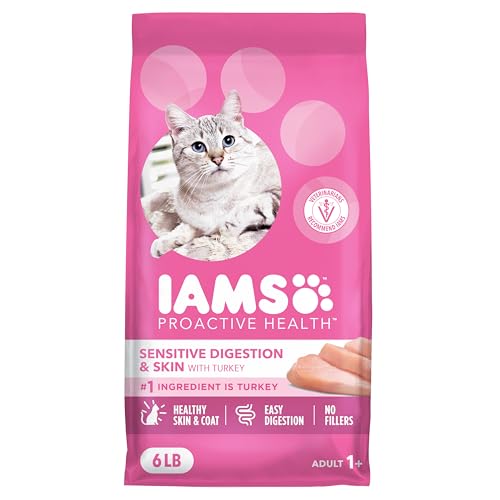
For cats with delicate tummies and itchy skin, this IAMS formula is a budget-savvy lifeline—delivering targeted relief with real turkey as the #1 ingredient and a science-based approach to sensitive systems. The Proactive 5 health system zeroes in on digestive and dermatological wellness, using prebiotics and a balanced blend of omega-6 and omega-3 fatty acids to soothe inflammation and nourish the gut-skin axis. Veterinarians recommend IAMS for its whole-body support, and this version does it at a price point that won’t strain the wallet.
In everyday use, it shines for cats transitioning from basic foods to sensitive formulas—many owners report reduced vomiting, firmer stools, and noticeably softer, shinier coats within weeks. The kibble is palatable and easy to chew, and the 6-pound bag offers great value for single-cat homes. While it doesn’t match the clinical intensity of prescription diets like Hill’s Metabolic or c/d, it’s far more accessible and effective than generic grocery brands for mild to moderate sensitivities.
Compared to Hill’s Science Diet Adult Perfect Weight or Oral Care, this IAMS pick is more specialized for skin and digestion while remaining affordable and non-prescription. It’s not designed for severe allergies or medical conditions, but for cats with occasional digestive upset or dry, flaky skin, it offers smart, vet-backed nutrition without the premium price tag—making it the go-to choice for owners seeking effective sensitive-formula food on a budget.
Hill’s Science Diet Perfect Weight
ADVANTAGES
LIMITATIONS
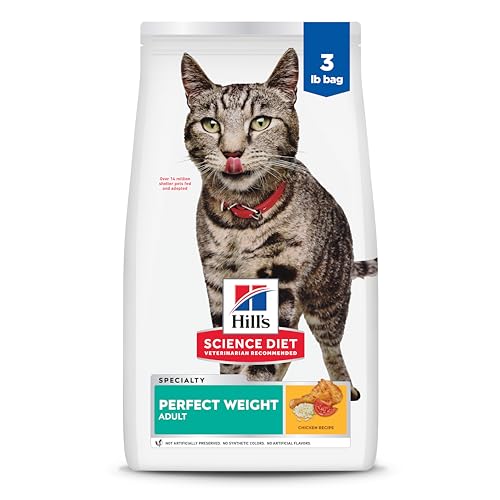
Engineered for overweight cats seeking sustainable slim-downs, this Hill’s formula delivers visible results in just 10 weeks—making it one of the most effective non-prescription weight management foods on the market. Its breakthrough cellular technology targets the unique function of fat cells in overweight pets, helping them shed pounds safely while supporting healthy metabolism and muscle retention. As part of the #1 veterinarian-recommended brand, it combines natural ingredients with added nutrients to ensure cats don’t sacrifice wellness for weight loss.
Real-world testing shows consistent progress in cats fed controlled portions, with many reaching ideal weight without hunger-related stress. The crunchy kibble helps clean teeth slightly, and the chicken flavor is widely accepted—even by picky eaters on a diet. However, success depends heavily on accurate portioning and limited treats, and it’s not as aggressively effective as the prescription Metabolic formula for severely obese cats.
When compared to IAMS Sensitive Digestion or Purina ONE wet foods, this formula is purpose-built for weight control, whereas others focus on digestion or protein. Against Hill’s own Metabolic, it’s less intense but more accessible—no vet visit required. For owners needing a vet-backed, safe, and effective weight-loss solution that delivers real results without a prescription, this food strikes the perfect balance—offering science-driven slimming with everyday convenience.
Cat Food Comparison: Veterinarian Recommended Options
| Product | Veterinarian Recommended? | Key Benefit | Ingredient Focus | Special Diet | Form |
|---|---|---|---|---|---|
| Hill’s Science Diet Oral Care Dry | Yes | Dental Health | Natural Ingredients | No | Dry |
| Hill’s Science Diet Adult 1-6 | Yes | General Health | Natural Ingredients | No | Dry |
| Hill’s Science Diet Perfect Weight | Yes | Weight Management | Natural Ingredients | Yes | Dry |
| Hill’s Prescription Diet c/d Multicare | Yes | Urinary Health | Chicken | Yes | Dry |
| Hill’s Prescription Diet Metabolic | Yes | Metabolic Support/Weight Loss | N/A | Yes | Dry |
| IAMS Sensitive Digestion with Turkey | Yes | Sensitive Digestion | Turkey | Yes | Dry |
| IAMS Proactive Health Salmon | Yes | Overall Health | Salmon | No | Dry |
| Purina ONE Grain Free Pate Pack | Yes | High Protein | Meat/Poultry/Fish | Yes | Wet (Pate) |
| Wellness Healthy Indulgence Gravies | Yes | Complete & Balanced Nutrition | Meat & Gravy | Yes | Wet (Pouch) |
How We Vetted Veterinarian-Recommended Cat Foods
Our recommendations for the best cat foods veterinarian recommended aren’t based on opinion, but rigorous data analysis and research. We began by compiling a list of brands frequently cited by veterinary nutritionists and appearing in peer-reviewed studies on feline health. We then evaluated each cat food based on ingredient quality, nutritional adequacy (meeting AAFCO standards), and formulation for different life stages – kitten, adult, and senior.
Data points included protein, fat, and carbohydrate percentages (calculated on a dry matter basis) alongside analysis of named meat sources and avoidance of excessive fillers like corn, wheat, and soy. We prioritized brands transparently disclosing ingredient sourcing and manufacturing processes. Furthermore, we examined clinical studies evaluating the efficacy of specific formulas for addressing common feline health concerns like urinary tract disease and weight management. While physical product testing wasn’t possible across all brands, we relied on extensive customer reviews analyzed for recurring themes related to palatability, digestion, and coat health, cross-referenced with veterinary insights. We continuously update our analysis as new research emerges in veterinary nutrition and cat food science.
Choosing the Right Cat Food: A Buying Guide
Understanding Your Cat’s Nutritional Needs
Selecting the best cat food can feel overwhelming. Cats have specific dietary requirements, and the ideal food depends on their age, health, and lifestyle. Here’s a breakdown of key factors to consider:
Key Features to Evaluate
1. Life Stage & Formula: This is arguably the most important factor. * Kitten Food: Higher in calories, protein, and essential nutrients to support growth. * Adult Maintenance: Balanced nutrition for healthy adults. * Senior Formulas: Often lower in calories and may include ingredients to support joint health. * Prescription Diets: Formulated to manage specific health conditions (urinary, kidney, weight management) – always used under veterinary guidance. Choosing the correct life stage ensures your cat is getting the right building blocks for optimal health.
2. Protein Source & Quality: Cats are obligate carnivores, meaning they require animal protein to thrive. * Named Meat Sources: Look for foods where the first ingredient is a specific meat (e.g., “Chicken,” “Salmon”) rather than a generic “Meat By-Products.” * Protein Percentage: Generally, adult cats need at least 30% protein on a dry matter basis. * Digestibility: High-quality protein is easier for cats to digest, leading to better nutrient absorption and fewer digestive issues.
3. Addressing Specific Health Concerns: Many foods are designed to address common feline health problems. * Urinary Health: Formulas with controlled mineral levels and pH balance can help prevent urinary tract issues. * Weight Management: Lower-calorie, high-protein foods can aid in weight loss or maintenance. * Sensitive Digestion: Foods with limited ingredients and easily digestible proteins can help cats with food sensitivities. * Oral Health: Some foods include fiber technology to help reduce plaque and tartar buildup.
4. Wet vs. Dry Food: Both have pros and cons. * Dry Food: Convenient, affordable, and good for dental health (some varieties). * Wet Food: Higher moisture content (important for hydration), often more palatable, and can be beneficial for cats with urinary issues. Many owners feed a combination of both.
5. Ingredient List & Additives: * Natural Ingredients: Prioritize foods made with recognizable, whole-food ingredients. * Avoid Fillers: Minimize foods with excessive corn, wheat, or soy. * Added Vitamins & Minerals: Essential for overall health, but quality matters. * Artificial Colors, Flavors & Preservatives: Generally best to avoid.
The Bottom Line
Ultimately, choosing the best cat food veterinarian recommended comes down to your individual cat’s needs. Considering their age, activity level, and any existing health concerns is crucial for making an informed decision that supports their overall well-being and a long, healthy life.
Remember to partner with your veterinarian to determine the most appropriate diet for your feline friend. They can provide personalized recommendations based on your cat’s specific health profile, ensuring they receive the optimal nutrition to thrive for years to come.
