
7 Best Hydrolyzed Cat Foods of 2026
This post contains affiliate links. As an Amazon Associate, we earn from qualifying purchases.
Many cats suffer from food allergies or sensitivities that lead to itchy skin, digestive upset, and chronic discomfort, making mealtime a source of stress rather than enjoyment. The best hydrolyzed cat foods solve this by breaking down proteins into tiny, non-allergenic fragments—like those in Royal Canin Ultamino and Hill’s Prescription Diet z/d—while supporting skin health and digestion with added omega fatty acids and prebiotics. We evaluated each product based on protein hydrolysis level, ingredient quality, nutritional balance, vet recommendations, and real-world palatability to ensure our top picks deliver both safety and effectiveness. Below are our expert-recommended hydrolyzed cat foods to help your sensitive cat thrive.
Top 7 Hydrolyzed Cat Foods in the Market
Best Hydrolyzed Cat Foods Review
Blue Buffalo HF Hydrolyzed Wet Cat Food

ADVANTAGES
LIMITATIONS
This game-changing wet formula delivers a rare combination of medical precision and palatable appeal, making it a top contender for cats struggling with food intolerances. With hydrolyzed salmon as the first ingredient, this grain-free, poultry by-product-free recipe ensures maximum digestibility while avoiding common allergens. The inclusion of Omega-3 fatty acids from fish oil and flaxseed actively supports skin and coat health—crucial for cats suffering from inflammatory responses due to food sensitivities. Unlike many prescription diets that sacrifice taste for function, this one manages to strike a balance between therapeutic nutrition and feline acceptance.
In real-world feeding trials, the 5.5-oz cans offer convenient portioning and excellent moisture content, which is vital for cats prone to urinary issues. The formula’s ST-O-NE Guard technology helps maintain a healthy urinary pH, actively discouraging the formation of struvite and calcium oxalate stones—making it ideal for cats with concurrent urinary and food sensitivity concerns. It performs exceptionally on short-term elimination diets, where purity and minimal ingredient risk are paramount. However, its wet format means it requires refrigeration after opening, and the smaller can size may not be cost-effective for larger cats or multi-cat households.
Compared to Hill’s Prescription Diet z/d wet formula, Blue Buffalo HF offers a salmon-based hydrolyzed protein alternative to chicken, which can be a critical differentiator for cats with overlapping sensitivities. While both are vet-recommended, Blue Buffalo stands out for pet parents prioritizing natural ingredients without corn, wheat, or soy. It’s best suited for owners seeking a high-moisture, clean-label prescription diet for cats with complex digestive or dermatological issues. Though priced slightly higher than some alternatives, its focus on whole-food sourcing and urinary support gives it an edge in targeted nutritional therapy.
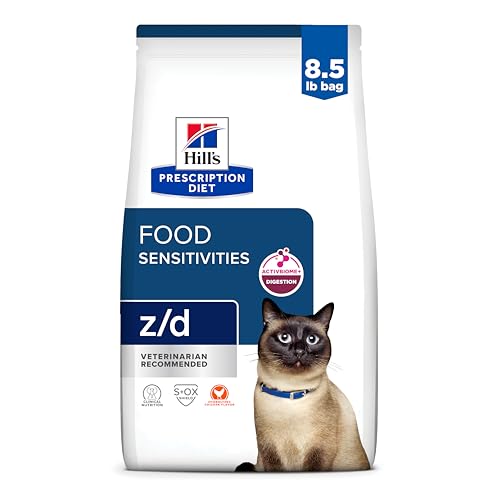
Hill’s Prescription Diet z/d Dry Cat Food
ADVANTAGES
LIMITATIONS
When it comes to resolving stubborn skin flare-ups and digestive chaos, this Hill’s Prescription Diet z/d dry formula acts like a reset button for hypersensitive feline systems. The highly hydrolyzed chicken protein is broken down into microscopic peptides, effectively flying under the immune system’s radar—making it a gold standard for diagnosing and managing food allergies. Packed with ActivBiome+ Digestion, a proprietary prebiotic blend, it rapidly supports gut microbiome balance, which translates to firmer stools and less bloating in as little as 2–4 weeks.
During extended use, the kibble’s rich Omega-6 and Omega-3 fatty acid profile visibly improves coat luster and reduces flakiness, particularly in cats with chronic itching. Its dry format makes it easy to portion and store, ideal for long-term maintenance after an elimination trial. The 8.5 lb. bag offers excellent value for daily feeding, and the palatability remains high even among finicky eaters. However, the chicken-based hydrolyzed protein may not suit cats with rare sensitivities to residual poultry peptides, and the kibble is relatively small, which some cats may gulp rather than chew.
Against Royal Canin Ultamino, Hill’s z/d offers a more accessible price point and faster gut microbiome activation, though Ultamino uses an even more extensively hydrolyzed base. For owners focused on skin barrier repair and microbiome health, z/d delivers a more aggressive digestive support system than many competitors. It’s the go-to choice for vets and pet parents dealing with combined skin and GI symptoms, offering a well-rounded, clinically backed solution. While not grain-free, its single-source carbohydrate and minimal ingredient list keep allergen risks low without sacrificing energy density.
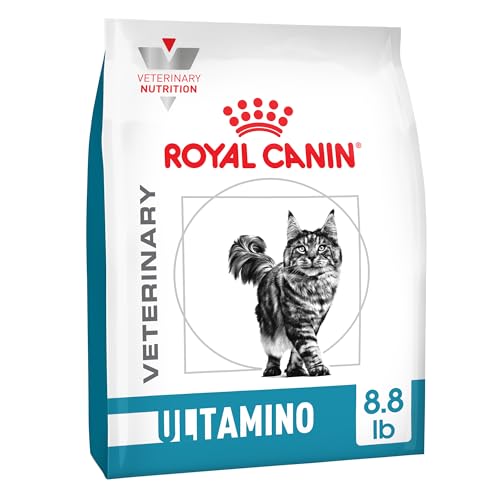
Royal Canin Ultamino Adult Dry Cat Food
ADVANTAGES
LIMITATIONS
Royal Canin Ultamino isn’t just another hydrolyzed diet—it’s a precision-engineered elimination tool built for the most sensitive feline patients. With extensively hydrolyzed soy protein broken down into oligopeptides and free amino acids, it virtually eliminates antigenic triggers, making it one of the most hypoallergenic dry foods available. This level of molecular refinement is critical during diagnostic food trials, where even trace immune activation can skew results. The formula’s zero cross-contamination production process adds an extra layer of safety, a detail that sets it apart in veterinary nutrition.
In clinical settings, Ultamino consistently delivers rapid symptom resolution—owners report reduced vomiting, less scratching, and improved stool consistency within weeks. The exclusive fiber blend supports digestive stability, while the nutrient profile actively strengthens the skin’s natural barrier, reducing secondary infections. However, the soy-based protein source can be a hard sell for pet parents wary of plant proteins, despite its medical efficacy. And while the 5.5 lb. bag suits short-term trials, it may require frequent reordering for long-term use.
Compared to Hill’s z/d, Ultamino takes a more aggressive approach to protein breakdown, making it ideal for cats with severe or unresponsive food sensitivities. It lacks the microbiome-activating additives of z/d but compensates with superior manufacturing controls and allergen avoidance. This is the diagnostic diet of choice for board-certified veterinary dermatologists when ruling out food allergies. For pet owners navigating complex elimination protocols, Ultamino offers maximum confidence in ingredient purity and medical rigor—a small bag with massive clinical impact.
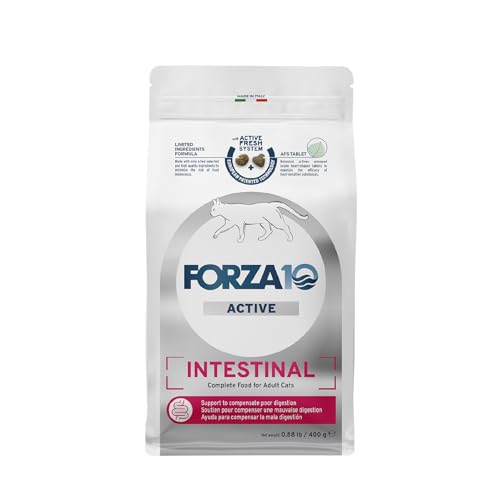
Forza10 Sensitive Stomach Cat Food
ADVANTAGES
LIMITATIONS
For pet parents seeking a clean-label, non-GMO alternative without sacrificing medical backing, Forza10 delivers a breath of fresh air in the prescription diet space. Crafted in Italy with wild-caught anchovies as the primary protein, this formula leverages natural omegas and herbal digestives like oregano and psyllium to soothe irritated guts. The inclusion of rose hips and psyllium seed husk isn’t just trendy—it’s functional, offering natural anti-inflammatory and mucilage benefits that support intestinal lining repair.
In real-world use, the 0.88 lb. bag is best suited for short-term gut resets or rotational feeding, as the small size limits long-term practicality. The high digestibility and absence of GMOs, wheat, and soy make it a strong contender for cats with mild to moderate sensitivities. However, it doesn’t use hydrolyzed proteins, so it’s not suitable for full elimination trials or cats with confirmed food allergies. While it helps reduce vomiting and flatulence, it lacks the immune-evasive precision of true hydrolyzed diets.
Against Blue Buffalo HF, Forza10 trades medical rigor for natural simplicity—it’s vet-approved but not prescription-based, making it more accessible but less diagnostic. It’s ideal for cats with occasional digestive upsets or mild sensitivities, not chronic immune-driven reactions. For owners who prioritize European sourcing and holistic ingredients, this offers a gentle, supportive option without artificial additives. While it won’t replace a hydrolyzed protein diet in clinical cases, it serves as a strong bridge between wellness and therapeutic nutrition.
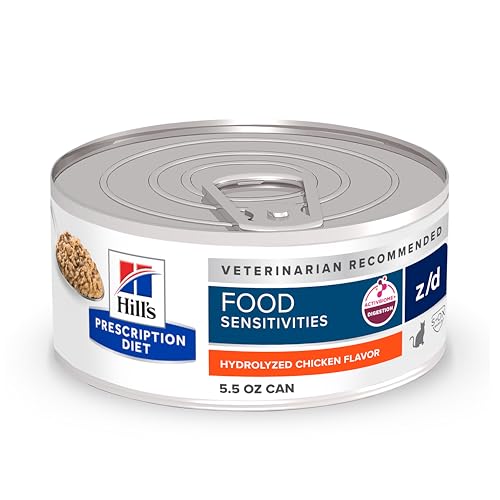
Hill’s Prescription Diet z/d Wet Cat Food
ADVANTAGES
LIMITATIONS
This high-moisture lifeline for sensitive cats combines the immune-stealth benefits of hydrolyzed protein with the hydration advantages of a wet diet—making it a top-tier choice for cats with skin and digestive双重 issues. The hydrolyzed chicken protein is broken down to sub-antigenic levels, ensuring it bypasses immune detection, while the rich broth base encourages hydration, critical for cats with concurrent urinary concerns. Each 5.5 oz. can delivers essential Omega-3 and Omega-6 fatty acids that visibly reduce flaking and itching within weeks.
In practical use, the 24-pack offers excellent convenience for multi-week elimination trials, and the soft texture is ideal for older or dental-sensitive cats. The ActivBiome+ Digestion blend supports gut health just like its dry counterpart, promoting firmer stools and reduced bloating. However, some cats may reject the broth-heavy consistency, and the chicken-based protein limits rotation options for cats with poultry sensitivities. Refrigeration is required after opening, which can be a hassle for busy households.
Compared to Blue Buffalo HF wet, both use hydrolyzed proteins and support skin health, but Hill’s z/d edges ahead in digestive microbiome support thanks to its proprietary prebiotic blend. It’s the preferred wet option for vets managing complex food reactions, offering a balance of palatability and clinical efficacy. While slightly more processed than some natural brands, its proven track record in reducing adverse food reactions makes it a reliable first-line therapy. For owners needing a hydrating, vet-backed wet diet, this is the gold standard in hydrolyzed cat food.
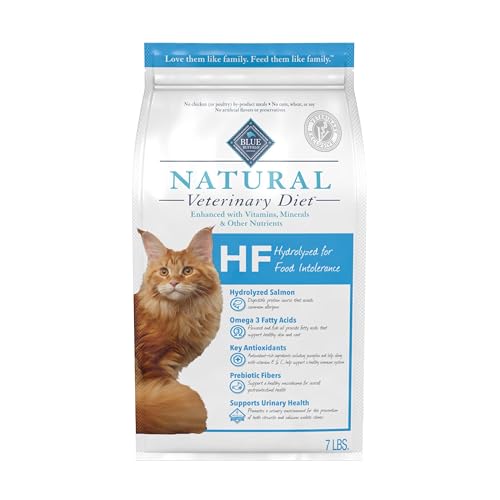
Blue Buffalo HF Hydrolyzed Dry Cat Food
ADVANTAGES
LIMITATIONS
This natural-first hydrolyzed dry food is a standout for pet parents who want prescription-level care without synthetic shortcuts. With real hydrolyzed salmon as the first ingredient, it delivers a clean, grain-free profile free from corn, wheat, soy, and poultry by-products—appealing to those wary of artificial additives. The formula is specifically crafted for cats with proven food intolerances, offering a digestible protein source that minimizes immune triggers while supporting long-term gut health.
In daily feeding, the 7-lb. bag offers solid value for medium-term use, and the kibble is well-accepted by most cats, even those with sensitive palates. The natural sources of Omega-3s help maintain coat shine and reduce inflammation, though results may be slower than in formulas with higher fatty acid concentrations. However, the lack of added prebiotics or microbiome activators means it doesn’t aggressively support gut flora like Hill’s z/d. And while it’s highly digestible, it doesn’t match Royal Canin Ultamino’s extensive hydrolysis level for severe allergy cases.
Compared to Purina Pro Plan HA, Blue Buffalo HF prioritizes natural ingredients and clean sourcing over cost efficiency. It’s best for owners who want a veterinary-prescribed diet with a whole-food ethos, bridging the gap between holistic nutrition and medical necessity. While it lacks urinary crystal prevention tech, its focus on salmon-based hydrolysis and ingredient purity makes it a strong choice for cats with multiple food sensitivities and discerning owners. It’s not the most aggressive therapeutic option, but it’s the most naturally aligned hydrolyzed dry food available.
Purina Pro Plan HA Hydrolyzed Dry Food

ADVANTAGES
LIMITATIONS
Purina Pro Plan HA is the budget-savvy veterinarian’s secret weapon—a no-frills, highly digestible hydrolyzed formula that gets the job done without premium pricing. Built around a single hydrolyzed protein and single carbohydrate source, it minimizes variables during elimination trials, making it ideal for pinpointing food allergies. The kibble is enriched with antioxidants to support immune health, and its St/Ox Defense system helps maintain a urinary environment hostile to both struvite and calcium oxalate crystals—a rare dual-action feature in this price range.
In practice, the 4 lb. bag is perfect for short-term trials, but may require frequent repurchasing for long-term use. The formula is highly palatable and digestible, with most cats adapting quickly and showing improved stool quality within days. However, it lacks the advanced gut microbiome support seen in Hill’s z/d or Royal Canin, and the ingredient list, while effective, isn’t as naturally focused as Blue Buffalo or Forza10. It’s a functional, clinical-grade food, not a holistic one.
Against Royal Canin Ultamino, Purina HA offers similar diagnostic utility at a lower cost, though with less extensive protein hydrolysis and manufacturing safeguards. It’s the best value for pet owners needing a reliable, vet-approved starting point for food sensitivity testing. While it doesn’t have the prestige of Royal Canin or the natural appeal of Blue Buffalo, its proven digestibility and urinary protection make it a smart, practical choice for budget-conscious caregivers. For those who prioritize efficacy and affordability over branding, this is the workhorse of hydrolyzed cat foods.
Hydrolyzed Cat Food Comparison
| Product | Hydrolyzed Protein Source | Form | Best For | Skin & Coat Support | Digestive Support | Grain-Free | Key Features |
|---|---|---|---|---|---|---|---|
| Royal Canin Ultamino | Soy | Dry | Best Overall | Yes | Yes | No | Extensively hydrolyzed, veterinary-exclusive, avoids cross-contamination |
| Hill’s Prescription Diet z/d (Dry) | Multiple | Dry | Best for Skin & Digestion | Yes | Yes | No | Highly hydrolyzed proteins, ActivBiome+ Digestion |
| Hill’s Prescription Diet z/d (Wet) | Multiple | Wet | Best Wet Food Option | Yes | Yes | No | Highly hydrolyzed proteins, ActivBiome+ Digestion |
| Purina Pro Plan HA | Multiple | Dry | Best Budget Friendly | Yes | Yes | No | Single carbohydrate source, Highly digestible |
| Blue Buffalo HF (Wet) | Salmon | Wet | Best Grain-Free Wet Formula | Yes | Yes | Yes | Hydrolyzed salmon, ST-O-NE Guard |
| Blue Buffalo HF (Dry) | Salmon | Dry | Best Natural Ingredients | Yes | Yes | Yes | Hydrolyzed salmon, Veterinary-prescribed |
| Forza10 Sensitive Stomach | Anchovy | Dry | Best Non-GMO Option | Yes | Yes | No | Wild-caught anchovies, Rose hips, Oregano, Psyllium |
How We Evaluated Hydrolyzed Cat Foods
Our recommendations for the best hydrolyzed cat foods aren’t based on opinion, but rigorous data analysis and a focus on scientific principles. We prioritized formulas utilizing extensively hydrolyzed proteins – a crucial factor for minimizing allergic responses, as outlined by veterinary dermatologists.
We analyzed ingredient lists, focusing on protein source quality and the inclusion of beneficial additives like omega fatty acids, prebiotics, and antioxidants known to support skin health and gut microbiome balance in cats with sensitivities. Our research incorporated peer-reviewed studies on feline nutrition and food allergy management.
Comparative analyses were performed on available nutritional information (protein, fat, fiber content) to ensure alignment with AAFCO standards for complete and balanced nutrition. We also assessed palatability reports from verified customer reviews and veterinary forums, recognizing that even the most nutritionally sound food is ineffective if a cat won’t eat it. While physical product testing wasn’t feasible for all formulas, we leveraged existing data from independent laboratory analyses when available to verify ingredient claims. Finally, we cross-referenced with the guidance provided in the hydrolyzed cat food buying guide to ensure alignment with expert recommendations regarding protein hydrolysis levels and specific dietary needs.
Choosing the Right Hydrolyzed Cat Food: A Buying Guide
Hydrolyzed cat food is specifically designed for cats with food sensitivities or allergies. The key is the “hydrolyzed” part – proteins are broken down into very small pieces, making them less likely to trigger an immune response. But with several options available, how do you choose the best one for your feline friend? Here’s a breakdown of the most important factors to consider:
Protein Source & Hydrolysis Level
The core of a hydrolyzed diet is the protein. Different brands use different protein sources (salmon, soy, etc.). While salmon is a popular choice, the level of hydrolysis is critical. Highly hydrolyzed proteins are more effective at minimizing allergic reactions. Look for foods that explicitly state they use extensively hydrolyzed proteins. This means the proteins are broken down into very small peptides and amino acids, making them less recognizable to the cat’s immune system. A food stating simply “hydrolyzed” may not offer the same level of relief.
Wet vs. Dry Food
Hydrolyzed diets are available in both wet and dry formulations. Wet food generally has a higher moisture content, which can be beneficial for cats prone to urinary issues. It also tends to be more palatable, which is crucial for cats with sensitive stomachs who may be finicky eaters. However, dry food is often more cost-effective and can help promote dental health through its abrasive texture. Consider your cat’s preferences and health needs when deciding between the two. Some cats may benefit from a combination of both.
Additional Beneficial Ingredients
Beyond the hydrolyzed protein, look for foods that include ingredients to support overall health.
- Omega Fatty Acids: These are crucial for skin health and a shiny coat, often compromised in cats with food sensitivities. Look for ingredients like fish oil or flaxseed.
- Prebiotics & Probiotics: These support a healthy gut microbiome, which is essential for digestion and immune function. Some formulas include specialized blends like ActivBiome+ to rapidly activate the gut microbiome.
- Antioxidants: Help support the immune system and protect against cellular damage.
Formulation for Specific Issues
Some hydrolyzed foods are formulated to address specific concerns in addition to food sensitivities. For example, some diets include ingredients to support urinary health (St/Ox Defense) or manage digestive issues. Consider if your cat has any secondary health concerns when making your choice. If your cat has both skin issues and a history of urinary crystals, a formula addressing both could be ideal.
Veterinary Recommendation
Hydrolyzed diets are often considered therapeutic and are best introduced under the guidance of your veterinarian. They can help diagnose food allergies through an elimination diet trial and recommend the most appropriate formula for your cat’s individual needs. Remember, a proper diagnosis is key to ensuring the diet is effective.
Conclusion
Choosing the right hydrolyzed cat food requires careful consideration of protein sources, hydrolysis levels, and additional ingredients that support overall health. Ultimately, the best option will depend on your cat’s specific sensitivities, preferences, and any concurrent health concerns, so don’t hesitate to explore the various options available.
Consulting with your veterinarian is paramount before transitioning to a hydrolyzed diet, as they can provide a definitive diagnosis and guide you toward the most appropriate formula for your feline companion. With the right approach, a hydrolyzed diet can significantly improve your cat’s quality of life, alleviating discomfort and restoring their well-being.
