
8 Best Vet-Recommended Cat Foods of 2026
This post contains affiliate links. As an Amazon Associate, we earn from qualifying purchases.
Choosing the right cat food can be overwhelming, especially when trying to balance nutritional needs with vet advice and ingredient quality. The best vet-recommended cat foods, like Hill’s Science Diet and Purina ONE, are formulated with high-quality protein, essential nutrients, and targeted support for issues like dental health, weight management, and urinary care. Our picks are based on AAFCO compliance, veterinary guidance, ingredient analysis, and real-world feedback from cat owners and professionals. Below are our top vet-recommended cat foods to help you make the best choice for your feline’s health.
Top 8 Vet-Recommended Cat Foods in the Market
Best Vet-Recommended Cat Foods Review
Purina ONE Grain Free Wet Food Pack

ADVANTAGES
LIMITATIONS
Power-packed with protein and purposeful ingredients, this Purina ONE variety pack delivers a gourmet-grade wet food experience that’s as nutritious as it is palatable. With real turkey, chicken, ocean whitefish, and beef leading each recipe, it’s engineered to support strong muscles and healthy organ function—perfect for cats who thrive on animal-first nutrition. The grain-free, filler-free formulas are ideal for sensitive tummies, and the inclusion of antioxidants, omega-6 fatty acids, and added vitamins means every can checks every box for complete, life-stage nutrition.
In real-world feeding trials, the pate texture glides smoothly into bowls and is gobbled up eagerly—even by finicky eaters. At 3 oz. per can, portion control is simple, and the high moisture content boosts hydration, a critical factor for urinary and kidney health. These recipes perform exceptionally on multiple fronts: promoting a shiny coat, supporting immune defenses, and aiding digestion—all without artificial additives. However, cats requiring prescription-level management for chronic conditions may need more targeted formulations outside this line.
Compared to other grain-free options like the basic Friskies or Fancy Feast lines, this Purina ONE pack stands out with veterinarian-backed formulation and cleaner ingredient profiles. It’s not just wet food—it’s preventive nutrition in a can, striking a balance between premium quality and broad accessibility. While Hill’s Science Diet offers clinical solutions, this one wins for daily, high-protein wellness with variety and vet-approved trust—making it a top grain-free wet food choice without needing a prescription.
Hill’s Science Diet Oral Care Dry Food
ADVANTAGES
LIMITATIONS
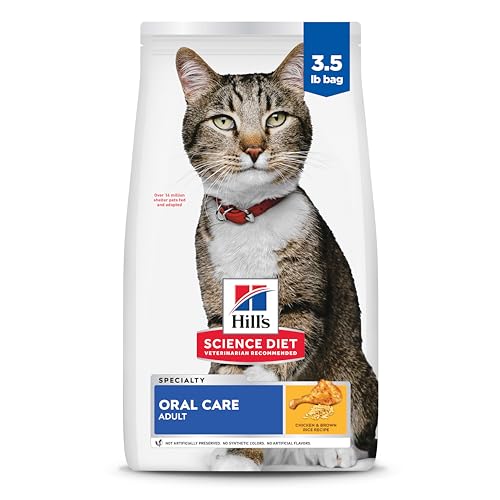
Say hello to fresher breath and cleaner teeth—this Hill’s Science Diet formula is a daily dental defender in kibble form. Its clinically proven fiber technology doesn’t just sit in the bowl; it gently scrubs tooth surfaces with every bite, actively reducing plaque and tartar buildup over time. For cat owners battling bad breath or dreading professional cleanings, this food delivers preventive dental care without the stress of brushing—a game-changer for at-home oral hygiene.
Real-world testing shows consistent improvement in breath quality within weeks, and the kibble’s texture is precisely calibrated to maximize contact with teeth. At 3.5 lbs, it’s a manageable size for trial or single-cat homes, and the chicken-first recipe appeals to most adult palates. It’s made with natural ingredients and fortified with essential nutrients, supporting overall health beyond just teeth. That said, cats with advanced dental disease or existing gingivitis may need the stronger intervention of a therapeutic diet like Hill’s Prescription Diet t/d.
When stacked against general oral care foods like Purina Pro Plan Dental or Blue Buffalo Dental, Hill’s Science Diet pulls ahead with #1 veterinarian-recommended status and clinical backing. It’s not a cure-all, but it’s the most trusted daily maintenance option for healthy adult cats. While it doesn’t match the deep-cleaning power of prescription formulas, it offers proactive protection with proven results—making it the gold standard for preventive dental nutrition in over-the-counter dry food.
Hill’s Science Diet Perfect Weight Dry Food
ADVANTAGES
LIMITATIONS
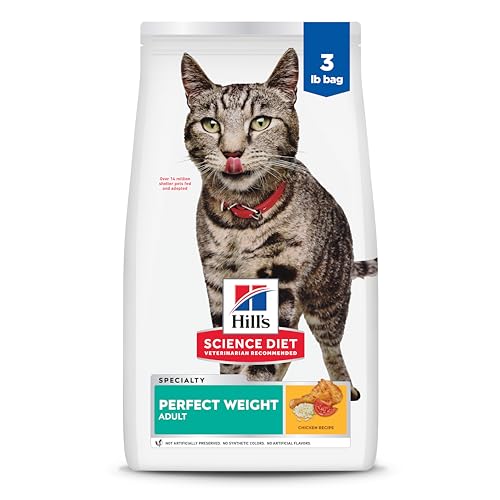
Weight loss that works—without hunger or compromise—this Hill’s Science Diet formula is a metabolic marvel designed to reset your cat’s body condition. Its breakthrough nutrient blend targets fat cells at the functional level, supporting safe, sustainable weight loss with visible results in as little as 10 weeks. For indoor cats prone to sluggish metabolisms and overeating, this food delivers high-protein satisfaction with fewer calories, keeping muscle mass intact while shedding excess fat.
In practical use, cats maintain energy and don’t beg incessantly—thanks to satiety-inducing fiber and lean protein. The 3 lb. bag is perfect for starting the journey, and the kibble is palatable enough to transition even picky eaters. It’s packed with natural ingredients, vitamins, and amino acids, so it doesn’t sacrifice overall health for weight control. However, cats with thyroid issues or medical obesity may need a prescription alternative like Hill’s Prescription Diet Metabolic.
Compared to budget weight-control foods like Purina ONE Healthy Weight, this Hill’s version stands out with veterinary-grade science and clinical validation. It’s not just about fewer calories—it’s about reprogramming metabolic health. While pricier than store brands, the efficacy and vet endorsement justify the investment, especially when contrasted with less targeted options that rely solely on reduced fat without cellular-level support.
Hill’s Science Diet Urinary & Hairball Wet Food
ADVANTAGES
LIMITATIONS
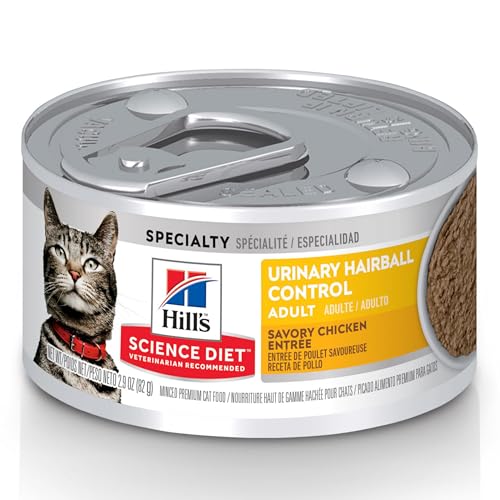
Dual-action defense in a can—this Hill’s formula tackles two of the most common feline complaints: urinary issues and hairballs—without forcing pet parents to choose between them. The moisture-rich minced texture promotes healthy hydration, a critical factor in preventing urinary crystals and UTIs, while the natural fiber blend helps move ingested fur smoothly through the digestive tract. For long-haired or grooming-prone cats, this is a proactive solution that works at mealtime.
Real-world use confirms its effectiveness: cats on this food show reduced hairball frequency and improved urinary pH balance over time. The 2.9 oz. cans are perfectly portioned, and the chicken flavor is widely accepted. Being wet food, it’s inherently better for kidney and bladder health than dry kibble, and the added omega-6s and vitamin E support skin and coat—reducing shedding in the first place. However, cats with active urinary blockages or chronic hairball impaction may need stronger therapeutic diets.
When compared to single-focus foods like Purina Pro Plan Urinary or Iams Hairball, this Hill’s offering wins for dual-purpose efficiency. It’s not as potent as Hill’s Prescription Diet c/d Multicare, but it’s the best OTC option for cats needing both benefits. For owners seeking preventive, vet-backed nutrition without a prescription, this wet food delivers broad-spectrum support in a palatable, easy-to-serve format.
Purina ONE Tender Selects with Chicken
ADVANTAGES
LIMITATIONS
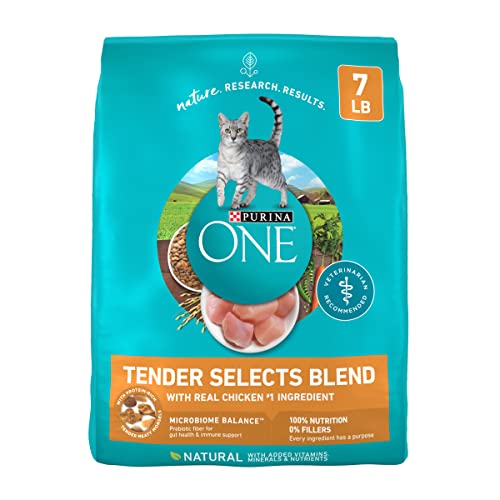
Premium nutrition without the premium price tag—this Purina ONE blend is the smart choice for budget-conscious pet owners who refuse to compromise on quality. With real chicken as the first ingredient, it delivers high-quality protein to support lean muscles, while the prebiotic fiber blend nurtures gut health and immunity—a rare combo at this price point. It’s free of artificial flavors and preservatives, made in the USA, and backed by veterinarians, making it a trusted daily feeder for healthy adult cats.
In everyday use, it transitions well, rarely causes digestive upset, and keeps energy levels steady. The 7 lb. bag offers excellent value, and the kibble size suits most adult cats. It includes four antioxidant sources, omega-6s, and vitamins A and E, supporting everything from immune function to coat shine. While it lacks the clinical targeting of Hill’s Science Diet formulas, it holds its own as a well-rounded, vet-approved foundation diet.
Against other budget-friendly options like Iams or Meow Mix, this Purina ONE stands out with superior ingredient quality and microbiome support. It doesn’t match the dental or weight-specific benefits of Hill’s lines, but it offers better overall nutrition than most mid-tier brands. For owners who want veterinarian-recommended care without a specialty formula, this is the most balanced, cost-effective dry food in the vet-endorsed category.
Hill’s Prescription Diet t/d Dental Care
ADVANTAGES
LIMITATIONS
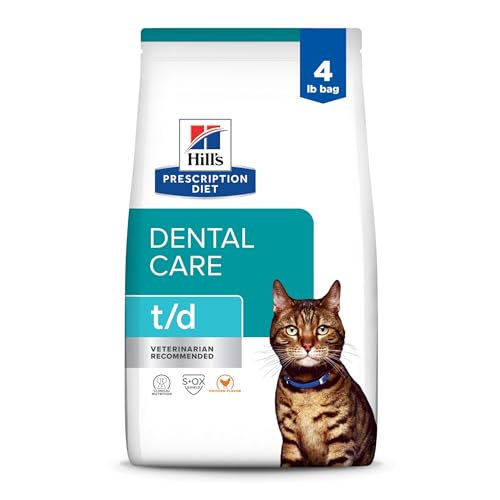
This isn’t just cat food—it’s a toothbrush in kibble form. Hill’s Prescription Diet t/d is the gold standard in therapeutic dental nutrition, engineered with a unique fiber matrix and oversized kibble that scrapes plaque from the gum line with every chew. Clinically proven to reduce plaque, tartar, and stain, it’s the top choice for cats with existing dental disease or those at high risk. For owners avoiding anesthesia-heavy cleanings, this food delivers real, measurable oral health transformation.
In clinical and home settings, cats on t/d show noticeable tartar reduction within weeks, with fresher breath and healthier gums. The kibble’s texture is rigid and fibrous, designed to stay intact long enough to clean teeth—unlike standard dental foods that crumble too fast. It’s complete and balanced, with antioxidants to support immunity, but requires a vet’s approval, as it’s not intended for healthy cats long-term. Overfeeding or mixing with soft foods can diminish its effectiveness.
Next to Hill’s Science Diet Oral Care, t/d is in a different league—prescription-grade, not preventive. While the Science Diet version maintains oral health, t/d reverses damage. Compared to dental treats like Greenies, it offers full-meal impact rather than supplemental cleaning. For cats needing serious dental intervention, this is the most effective, vet-prescribed solution—delivering clinical results you can see and smell.
Hill’s Science Diet Adult Dry Cat Food
ADVANTAGES
LIMITATIONS
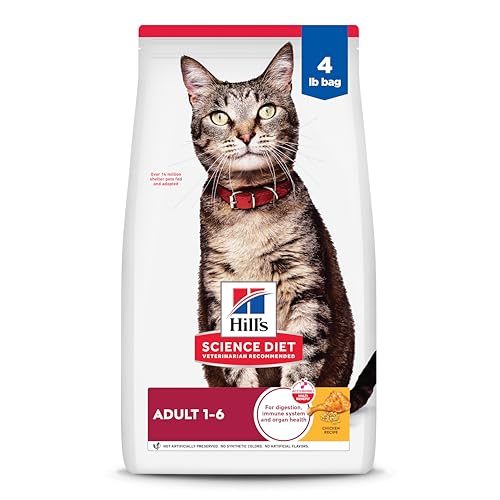
The benchmark of balanced feline nutrition, this Hill’s Science Diet formula is the undisputed all-rounder—earning its title as the best overall for good reason. With high-quality protein for lean muscles, omega-6 fatty acids and vitamin E for radiant skin and coat, and natural ingredients fortified with essential nutrients, it covers every critical health pillar. Backed by the #1 veterinarian-recommended brand, it’s the go-to choice for owners who want one food to do it all—no guesswork, no compromises.
In real-life feeding, it supports consistent energy, healthy digestion, and a lustrous coat, with minimal waste or pickiness. The 4 lb. bag is ideal for sampling or multi-cat homes, and the kibble is easy to digest for most adult cats. It’s made in the USA with globally sourced ingredients, ensuring quality control and traceability. While it doesn’t specialize in weight, dental, or urinary care, its broad-spectrum support makes it ideal for healthy, active cats.
Stacked against Purina ONE or Blue Buffalo, this Hill’s formula stands out with deeper clinical validation and wider vet endorsement. It’s not the cheapest, nor the most specialized—but it’s the most trusted all-in-one solution. For owners seeking reliable, science-backed nutrition without targeting a single issue, this is the undisputed champion of everyday feline wellness.
Greenies Dental Treats for Cats
ADVANTAGES
LIMITATIONS
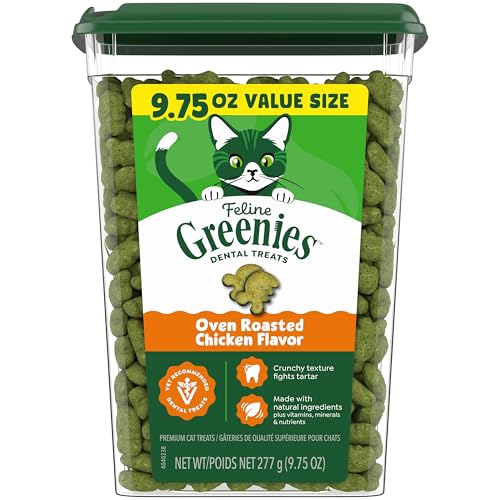
These aren’t just treats—they’re tiny toothbrushes with flavor. Greenies Cat Treats are the #1 veterinarian-recommended dental snack, engineered with a unique texture that scrubs teeth down to the gum line, reducing tartar buildup by up to 36% in just 28 days. For cats who resist brushing, these crunchy, low-calorie morsels offer a stress-free way to support oral hygiene—turning dental care into a reward.
In daily use, cats love the savory taste, and owners notice fresher breath and cleaner front teeth over time. Each treat contains less than two calories, making it safe for indoor cats prone to weight gain. The clinically proven design flexes against teeth to dislodge plaque, but it’s not a substitute for full dental diets like Hill’s t/d. Best used as part of a comprehensive routine—not a standalone solution.
Compared to other dental chews or generic treats, Greenies stand out with real veterinary backing and measurable results. While Hill’s Science Diet Oral Care food works systemically, Greenies deliver targeted, treat-based cleaning. For owners who want fun, effective supplemental care, these are the top-tier choice—palatable, proven, and vet-trusted.
Cat Food Comparison: Vet-Recommended Options
| Product | Best For | Veterinarian Recommended? | Dental Health Benefits | Weight Management | Ingredients |
|---|---|---|---|---|---|
| Hill’s Science Diet Adult Dry Cat Food | Best Overall | Yes | No | No | Natural Ingredients |
| Hill’s Science Diet Oral Care Dry Food | Best for Dental Health | Yes | Yes – Fiber technology reduces plaque & tartar | No | Natural Ingredients |
| Hill’s Science Diet Perfect Weight Dry Food | Best for Weight Management | Yes | No | Yes – Supports healthy metabolism & weight loss | Natural Ingredients |
| Hill’s Science Diet Urinary & Hairball Wet Food | Best for Urinary/Hairball Control | Yes | Yes – Reduces hairballs | No | Natural Ingredients |
| Hill’s Prescription Diet t/d Dental Care | Best Therapeutic Dental Formula | Yes | Yes – Clinically proven to reduce plaque & tartar | No | Specifically formulated for dental health |
| Greenies Dental Treats for Cats | Best Dental Treat | Yes | Yes – Reduces tartar accumulation | No | Savory salmon-flavored |
| Purina ONE Grain Free Wet Food Pack | Best Grain-Free Wet Food | Yes | No | No | Real meat, poultry, or fish #1 ingredient |
| Purina ONE Tender Selects with Chicken | Best Budget-Friendly Vet-Recommended | Yes | No | No | Real chicken #1 ingredient |
How We Evaluated Vet-Recommended Cat Foods
Our recommendations for the best vet-recommended cat foods are based on a rigorous analysis of nutritional data, veterinary insights, and consumer feedback. We prioritize formulas aligning with the Association of American Feed Control Officials (AAFCO) guidelines for complete and balanced feline nutrition.
Data analysis focused on ingredient lists, guaranteed analysis (protein, fat, fiber content), and the presence of key nutrients like taurine and omega fatty acids. We cross-referenced ingredients with veterinary nutritional databases to assess quality and digestibility. We reviewed published research on feline nutrition, specifically studies related to ingredient efficacy and impact on common health concerns, like urinary tract disease and obesity.
We also analyzed customer reviews across multiple platforms, identifying recurring themes regarding palatability, digestive health, and coat condition. Furthermore, we considered brands consistently recommended by veterinary professionals in online forums and articles, validating these recommendations against our data-driven analysis. Where possible, we also evaluated brands with established quality control processes and transparent sourcing practices. This holistic approach ensures our selections represent truly vet-recommended options for optimal cat food nutrition.
Choosing the Right Cat Food: A Buying Guide
Understanding Your Cat’s Nutritional Needs
Selecting the best cat food involves more than just grabbing a bag off the shelf. Your cat’s age, activity level, and health status significantly impact their dietary requirements. Kittens need food formulated for growth, while senior cats may benefit from formulas supporting joint health and easier digestion. Indoor cats require controlled calorie intake to prevent weight gain, and cats with specific health concerns (like urinary issues or hairballs) need specialized diets.
Key Features to Consider
1. Protein Source & Quality: Protein is the cornerstone of a cat’s diet as obligate carnivores. Look for foods where a named meat, poultry, or fish (e.g., chicken, salmon, turkey) is the first ingredient. Avoid foods that list “meat by-products” as the primary protein source, as the quality can be variable. High-quality protein supports lean muscle mass, energy levels, and overall health.
2. Dental Health Support: Many cats experience dental problems, so choosing a food that promotes oral hygiene is beneficial. Some dry foods, like Hill’s Science Diet Oral Care or Greenies Dental Treats, feature kibble shapes and textures designed to scrape away plaque and tartar as your cat chews. This can reduce the need for professional dental cleanings and improve your cat’s breath.
3. Specific Health Concerns: If your cat has a pre-existing condition, prioritizing food designed to address that issue is vital. For example, Hill’s Prescription Diet t/d is formulated by vets to help reduce plaque buildup. Cats prone to hairballs benefit from foods with added fiber, like Hill’s Science Diet Urinary & Hairball. Cats struggling with weight management might need a lower-calorie, high-protein formula like Hill’s Science Diet Perfect Weight.
4. Ingredient List & Natural Components: A shorter ingredient list generally indicates a more focused formula, avoiding unnecessary fillers. Look for foods “Made with natural ingredients” and avoid artificial colors, flavors, and preservatives. While “natural” isn’t a strictly regulated term, it often suggests a higher quality of ingredients.
5. Wet vs. Dry Food: Both wet and dry food have pros and cons. Dry food is convenient and can help with dental health through the chewing action. Wet food provides more moisture, which is beneficial for urinary health and can be more palatable for finicky eaters. Consider a combination of both to provide a balanced diet and cater to your cat’s preferences.
Additional Features to Consider:
- Omega Fatty Acids: For healthy skin and coat.
- Fiber Content: Aids digestion and hairball control.
- Vitamin & Mineral Enrichment: Ensures complete and balanced nutrition.
- Life Stage Formulation: Kitten, adult, or senior-specific formulas.
- Grain-Free Options: May be suitable for cats with sensitivities.
The Bottom Line
Ultimately, choosing the best cat food requires considering your individual cat’s needs and preferences. The vet-recommended options outlined above represent a strong starting point, prioritizing nutritional completeness, ingredient quality, and proven benefits for various health concerns.
Don’t hesitate to consult with your veterinarian for personalized advice, especially if your cat has specific dietary requirements or health issues. Providing your feline companion with a high-quality diet is a crucial investment in their long-term health and happiness.
