
Can Cat Eat Cat Grass
This post contains affiliate links. As an Amazon Associate, we earn from qualifying purchases.
Yes, your cat can safely eat cat grass, which is non-toxic and provides various health benefits. It is rich in vitamins A, B, and C, and contains fiber that aids digestion and helps with hairballs. For those interested in a deeper understanding, we will explore important considerations such as ensuring the grass is chemical-free, monitoring your cat’s behavior, and what to do if you notice persistent vomiting.
Essential Facts in 30 Seconds
- Cats can safely eat cat grass, as it is non-toxic.
- Cat grass offers vitamins A, B, and C and aids digestion with fiber.
- Some cats may vomit after eating cat grass, assisting with hairball removal.
- Monitor your cat’s consumption; excessive eating may signal dietary issues.
- Ensure cat grass is free from chemicals and pesticides for safety.
Safety and Toxicity of Cat Grass
Cat grass is safe for your cat. It’s usually non-toxic, so you can feel good about letting your feline friend enjoy it. Some cats might vomit after eating it. This can help them get rid of hairballs or other things they can’t digest.
To keep your cat safe, follow these tips:
- Grow your own cat grass. This way, it stays free from harmful chemicals and pesticides.
- Check for mold. Throw away any grass that looks sick or has mold. Moldy grass can upset your cat’s stomach.
- Remove toxic houseplants. Ensure your cat can’t reach plants like lilies, which are harmful.
If your cat keeps vomiting or seems uncomfortable, take them to the vet. By taking these steps, you can help your cat enjoy cat grass safely. Additionally, offering cat grass can provide essential fiber for digestion and improve your cat’s overall well-being.
Nutritional Impact and Dietary Role
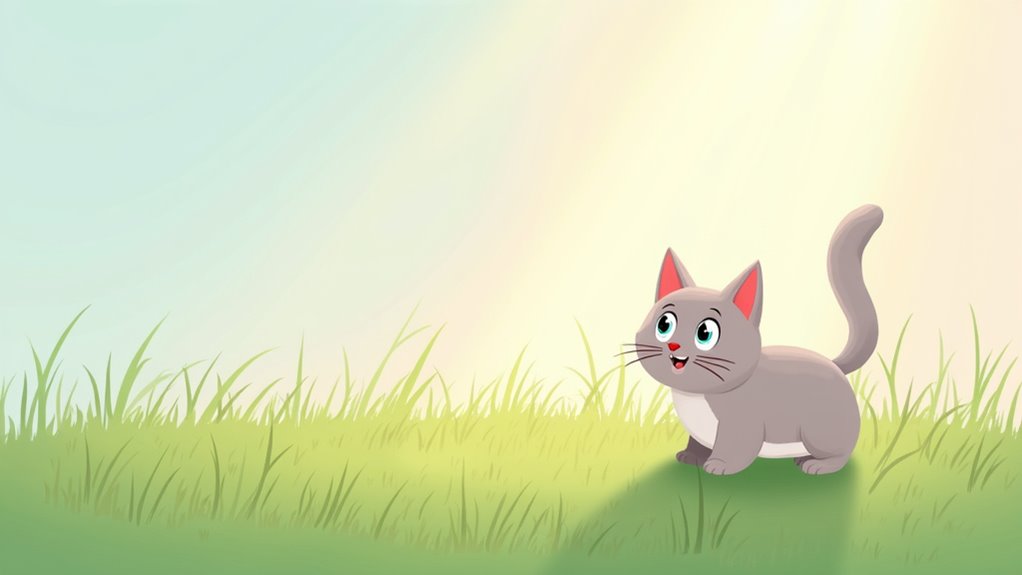
Cat grass is a tasty treat that offers many health benefits for your cat. It contains important vitamins like A, B, and C. These vitamins help your cat’s body work properly. Even though cats can’t digest cat grass completely, they still get some good nutrients from it.
The fiber in cat grass helps with digestion. It can make it easier for your cat to go to the bathroom. This fiber also helps reduce hairballs, which is a common problem for many cats.
Folic acid is another key nutrient in cat grass. It helps produce hemoglobin, which carries oxygen in the blood. This is important for keeping your cat’s organs healthy.
Cat grass also has antioxidants, like chlorophyll. These protect blood cells and support healthy circulation.
Adding cat grass to your cat’s diet can boost their overall health. It’s a simple way to give them extra nutrition. Consider including this green treat in your cat’s daily routine. Your feline friend will thank you!
Behavioral and Enrichment Benefits
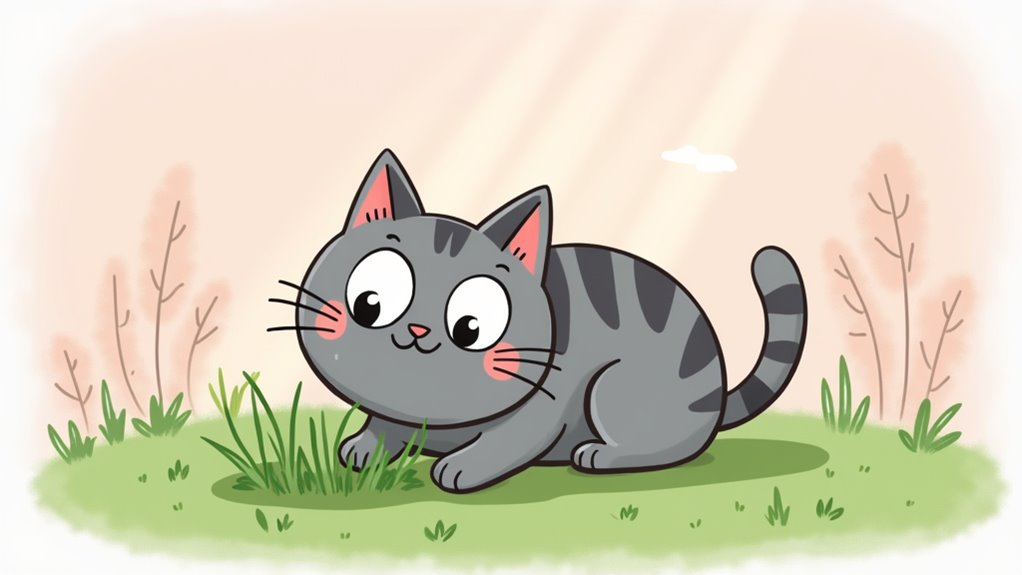
Providing cat grass for your cat taps into their natural instincts. Cats love to graze and chew. This green treat offers a safe way for them to nibble. It keeps them busy and happy.
Chewing on cat grass also helps reduce stress and boredom. It’s better than toxic houseplants, which can harm your pet. Cat grass makes your home safer and more enjoyable for your feline friend.
Plus, it adds fun to their daily routine. Give your cat this simple treat for better mental health and happiness.
Natural Grazing Instincts
Understanding natural grazing instincts helps meet your cat’s needs. Cats are solitary hunters. They prefer small meals throughout the day. On average, they eat about 8-10 times a day. This grazing habit keeps their energy steady and supports their metabolism.
To support this, try meal feeding with set portions. Free feeding can lead to obesity and health problems.
Make mealtime fun by scattering food or using interactive feeders. This simulates their natural foraging behavior. It keeps them engaged and happy.
Safe Plant Alternative
Indoor cats need safe plants like cat grass. These plants are good for their health and happiness.
Here are some reasons to use cat grass alternatives:
- Chewing Safety: Cat grass provides a safe place for chewing. This protects your furniture from damage.
- Boredom Buster: Cats love to play with grass. It keeps them curious and active.
- Foraging Fun: Grazing mimics how cats hunt in the wild. This helps keep their minds sharp.
- Stress Relief: Eating grass can calm nervous cats. It creates a soothing routine for them.
Cat grass is a great choice for your furry friend. It supports their natural instincts and adds joy to their indoor life.
Mental Well-Being Enhancement
Cat grass is a great way to boost your cat’s mental well-being. It taps into their natural instincts and offers fun enrichment. This green treat promotes mental stimulation and emotional balance.
Cats feel happier when they can explore and chew on cat grass. This helps ease stress and anxiety.
Here are some benefits of cat grass:
- Stress Relief: It helps reduce anxiety and stress behaviors.
- Mental Stimulation: Cats become curious and adventurous.
- Emotional Balance: It engages their instincts, making them feel good.
Place cat grass in different spots around your home. This encourages your cat to interact and play.
It not only entertains them but also keeps boredom away. A simple addition like cat grass can really improve your cat’s life.
Digestive Health Effects
Cat grass is important for your cat’s digestive health. It’s full of fiber.
Fiber helps prevent constipation. It also helps with hairballs. Hairballs can be uncomfortable for cats. Cat grass makes it easier for hairballs to pass through their system.
Adding cat grass to their diet can lead to better digestion. You may see fewer tummy troubles. Your cat will feel better overall.
Fiber and Digestion
Many cat owners don’t think much about their pet’s diet. Understanding fiber’s role in digestion is important for your cat’s health.
Fiber types in cat grass help digestive enzymes and support gut health. Here’s how fiber boosts your cat’s digestion:
- Promotes good bacteria growth, which helps the stomach.
- Acts as a mild laxative, making it easier for cats to poop.
- Improves stool quality and balances gut bacteria.
- Helps create short-chain fatty acids, which feed colon cells.
Adding cat grass to your cat’s diet can keep digestion smooth. It helps prevent constipation and supports gut health.
Offer it in moderation to avoid upsetting their stomach!
Hairball Management
Managing hairballs is important for your cat’s health. Cat grass can help reduce hairballs. When cats eat cat grass, they may vomit. This helps remove hair collected from grooming. This natural process cuts down on hairball buildup and eases stomach issues.
Watch out for too much vomiting after your cat eats cat grass. It could mean your cat has a sensitive stomach. Additionally, incorporating small amounts of basil into their diet can provide some nutritional benefits.
Adding cat grass to their diet can also give them important nutrients like folic acid. Remember to use it in moderation. Too much fiber can upset their stomach. Balance is key for good hairball management.
Gastrointestinal Regularity
Eating cat grass helps your cat’s digestive health. It supports regular bowel movements and keeps things balanced in the tummy. Here are some key benefits:
- Fiber Boost: Cat grass is full of fiber. It helps food move easily through the digestive system.
- Preventing Constipation: Eating cat grass can soften stools. This lowers the chance of constipation.
- Natural Laxative: It encourages bowel movements, making it easier for your cat to go.
- Gut Flora Support: Cat grass helps keep good bacteria in the gut healthy.
Cat grass can be great for digestion, but too much can upset your cat’s stomach. Keep an eye on how much they eat.
Enjoy the benefits of cat grass without any tummy troubles.
Precautions and Veterinary Considerations
Introducing cat grass into your cat’s diet can be a great idea. Make sure the grass is free from chemicals, like pesticides. Safe herbs can be beneficial when incorporated into their diet.
Too much grass could mean your cat has dietary issues. Always check with your vet for advice.
Watch for warning signs. Look for persistent vomiting, sneezing, or any changes in behavior. These could mean something is wrong.
If your cat eats a toxic plant, get veterinary help right away.
Keep harmful plants out of reach. Use small indoor trays for safe grass eating.
Remember, grass and treats should only make up less than 10% of your cat’s daily calories. After adding grass to their diet, keep a close watch. Additionally, be aware that some plants can be toxic to cats, so it’s important to ensure the safety of all plants in your home.
Contact your vet if you notice anything unusual.
Cultivation and Availability
Cultivating cat grass at home is rewarding and good for your cat. Follow these simple steps to get started with sourcing and planting cat grass.
- Choose Seeds: Use wheat, oats, barley, or rye seeds. Buy them from pet stores or online. Organic seeds are best to avoid chemicals.
- Select Soil: Use organic potting soil or moisture-retentive alternatives like vermiculite. Good drainage is important.
- Planting: Sow seeds about a quarter-inch deep. Space them an inch apart. Firm the soil lightly after planting.
- Water and Light: Keep the soil damp, but don’t let it get soggy. Place pots in bright, indirect sunlight for the best growth.
Growing cat grass is easy. Your cat will love it!
Frequently Asked Questions
Can Kittens Eat Cat Grass Safely?
Kittens can safely eat cat grass. It helps their digestion and can reduce hairballs. Cat grass has some nutritional benefits too. Always keep an eye on how much they eat. Too much can upset their stomach. A balanced diet is key for their health. Cat grass can satisfy their curiosity and provide a fun treat. It’s safe and enjoyable for your little furry friend!
How Often Should I Replace Cat Grass?
Replace cat grass every 2 to 3 weeks. Fresh grass is key for your cat’s health. It offers a tasty snack and keeps your cat interested. Lively greens make a big difference in their diet. Regularly changing the grass helps prevent mold and keeps it fresh. Your cat will love munching on new grass. Keep their environment fun and healthy with this simple task.
Can Other Pets Eat Cat Grass?
Many pets can enjoy cat grass! Dogs, for example, often like to nibble on it. This can help their digestion and improve their overall health. Watch how your pet reacts to cat grass. Make sure they feel good after eating it. Some pets may not like it, so it’s good to check. Cat grass can be a fun treat for your furry friends!
Is There a Specific Type of Grass for Cats?
Cats can enjoy specific types of grass, like wheatgrass, barley grass, and oat grass. These grasses help with digestion. They also reduce hairballs and support overall health. Cats naturally nibble on grass. It’s good for them. Each type has its own benefits. Wheatgrass is great for vitamins. Barley grass can help with inflammation. Oat grass is good for hydration. Offering these grasses to your cat can keep them happy and healthy. Consider growing some at home. It’s an easy way to provide a tasty treat for your feline friend.
Can Cat Grass Cause Allergies in Cats?
Cat grass can cause allergies in some cats. Symptoms to watch for include itching, hair loss, and skin lesions. These reactions may happen after your cat eats cat grass. It’s important to keep an eye on your pet. If you spot these signs, visit your vet. They can help you find out if cat grass is the cause. They will also suggest treatment options. Many cats enjoy cat grass, but some may not tolerate it well. Always monitor your cat’s health closely. Taking action early can help keep your furry friend happy and healthy.
Conclusion
Letting your cat enjoy cat grass can be a fun and healthy treat. Cat grass helps with digestion, which can make your kitty feel better. It also keeps their mind active and engaged.
Always pick non-toxic grass types for your cat. Not all grasses are safe, so do your research. It’s important to watch how much your cat eats. Too much cat grass can upset their stomach.
Keep an eye on your furry friend while they munch away. Enjoy the happy moments as they play with this tasty snack. Your cat’s health and happiness should always come first!
