
Can Cat Eat Clover
This post contains affiliate links. As an Amazon Associate, we earn from qualifying purchases.
Clover can be harmful to your cat, so it’s important to keep it out of reach. Ingesting clover may cause serious health issues, including kidney problems and gastrointestinal upset. Symptoms to watch for include vomiting, diarrhea, weakness, or unusual bleeding. If you suspect your cat has eaten clover, contact your vet immediately. For those interested in a deeper understanding, further details on preventing toxicity and safe plant options will follow. Keeping your cat healthy involves being informed about potential hazards in their environment.
Essential Facts in 30 Seconds
- Clover can be toxic to cats, leading to serious health issues like kidney infections and bladder stones.
- Symptoms of clover toxicity include vomiting, diarrhea, weakness, and neurological problems.
- Certain types, like white and red clover, pose specific risks when ingested in large quantities.
- Seek immediate veterinary help if you suspect your cat has eaten clover.
- Prevent toxicity by keeping cats away from clover plants and opting for safe alternatives.
Understanding Clover Toxicity in Cats
Clover may look harmless, but it can be toxic to cats. Eating clover can cause serious health problems. Clover contains calcium oxalate. This substance can bind calcium in the blood. It may create crystals in the urinary tract. These crystals can lead to painful kidney infections or bladder stones.
Watch for quick signs of trouble. Symptoms include:
- Abdominal pain
- Vomiting
- Diarrhea
- Excessive drooling
- Loss of appetite
- Lethargy
Suspect your cat ate clover? Act fast. Contact your vet right away. They may suggest treatments like decontamination and fluid therapy. This helps prevent kidney damage.
Types of Clover and Their Associated Risks
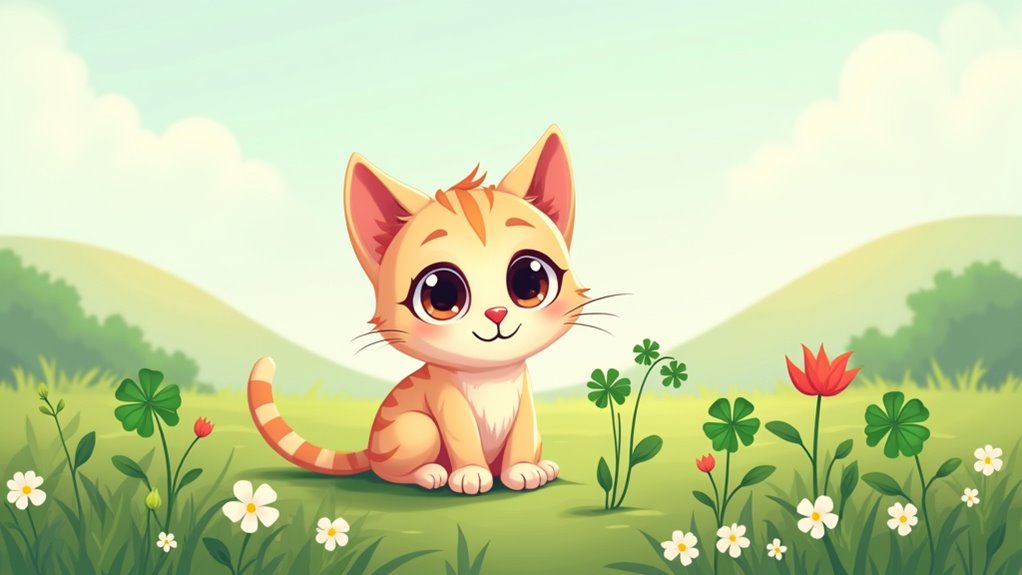
Clover varieties can be risky for cats. Arrowleaf clover has arrow-shaped leaves. It may cause mild issues if eaten in large amounts due to compounds like cyanogenic glycosides.
Ball clover has rounded yellow flowers. Eating too much can upset your cat’s stomach, but there isn’t much specific data on its toxicity.
White clover is often found in lawns. It can have phytoestrogens and low cyanogenic compounds. These can be harmful if your cat eats too much.
Red clover has bright red-purple flowers. It contains isoflavones that might affect hormones, but cats rarely eat it.
Clover can benefit soil and serve as forage for animals. Still, keep an eye on your cat’s clover exposure. This is especially important in rural or suburban areas where clover grows well.
Watch their habits to ensure their safety.
Symptoms of Clover Poisoning in Cats
Cats can show many signs if they eat toxic clover. It’s important for pet owners to be alert. Recognizing symptoms early can help your cat.
Signs to Watch For:
- Gastrointestinal Issues: Watch for vomiting, diarrhea, or a sore belly.
- Weakness and Lethargy: These signs may show blood problems or body weakness.
- Neurological Symptoms: Tremors or trouble walking can mean nervous system issues.
- Bleeding: Nosebleeds, bruises, or bleeding without injury are serious warning signs.
- Anemia Symptoms: Pale gums, fast heartbeat, and weakness may mean anemia.
Notice any of these symptoms? Act fast. Some effects can take days or weeks to appear.
Always talk to a vet if you think your cat has clover poisoning. Quick action can save your cat’s life.
Veterinary Diagnosis and Treatment Options
Clover poisoning in cats is serious. Recognizing symptoms is just the start. A proper veterinary diagnosis and treatment are crucial for your cat’s recovery. Quick action makes a big difference. Here’s what to expect:
- History and Symptoms: The vet will ask about what your cat ate and look for signs like vomiting or diarrhea.
- Diagnostic Imaging: X-rays or ultrasounds may show kidney damage or urinary tract problems.
- Blood Tests: These tests check for low calcium levels and measure kidney function. This information helps decide on treatment.
- Supportive Care: Treatment may include IV fluids and medications to help with symptoms.
Act fast to prevent complications. Don’t delay if you think your cat ate clover.
Keep a close eye on your cat during treatment. Follow-up visits ensure your cat is recovering well and help prevent future issues.
Preventing Clover Toxicity in Your Cat
Preventing clover toxicity in your cat requires careful attention and action. Start by managing the environment. Keep cats away from areas with clover or oxalis plants. Use fences or gates to limit access to these spots.
Consider replacing toxic plants with safe options like spider plants.
It’s also important to adjust your cat’s diet. Ensure they eat a balanced diet. This can help reduce their interest in non-food plants.
Get rid of any clover-containing items in your home, like hay and plant trimmings.
Check your indoor and outdoor spaces regularly for clover or similar plants. Watch for signs of ingestion, like vomiting or drooling. If you see any symptoms, see a vet right away.
Teach everyone in your home about plant dangers. Make sure they know the risks and place plants carefully.
Following these steps can lower the chances of clover toxicity in your cat.
Frequently Asked Questions
What Should I Do if My Cat Eats Clover?
Cats may eat clover sometimes. First, check how much clover was eaten. Watch for signs like vomiting or drooling. These could mean your cat is having a bad reaction. Remove any clover from your home to prevent more eating.
Contact your vet right away if you see any symptoms. Do not try to make your cat vomit. It can be dangerous. Always keep an eye on your cat after they eat something unusual. Your vet can give the best advice for your pet’s health.
Is All Clover Toxic to Cats?
Not all clover types are harmful to cats. Some clovers can cause problems. Your cat might vomit or have tremors after eating bad clover. Keep an eye on your furry friend. It’s best to keep them away from clover plants. Always prioritize their safety and health.
Can Cats Safely Eat Clover in Small Amounts?
Cats can safely eat small amounts of clover. Clover has vitamins and minerals that can benefit your cat. It’s a fun snack for them. Just keep an eye on how much they eat. Too much clover can upset their stomach or cause other issues. Always make sure it’s a small treat. This way, your cat can enjoy clover without any problems!
Are Dried Clover Products Safer for Cats?
Dried clover products may seem like a fun treat for cats. Yet, they can pose risks. These products contain calcium oxalates, which can be harmful. They can cause issues like stomach upset and other health problems. Always keep your cat’s safety in mind. Talk to a vet before giving your cat any new treats. It’s better to be safe than sorry!
What Alternative Plants Are Safe for Cats?
A garden can be a safe place for cats. Many herbs and greens are friendly for your furry friends. Catnip is a favorite. Cats love to roll in it and enjoy its scent. Cat thyme is another great choice. It’s safe and smells nice.
Wheatgrass is also a good option. It helps with digestion and is fun for cats to chew. Lemongrass has a fresh smell, and it’s safe too. These plants keep your cat happy and healthy. Create a pet-friendly garden with these safe plants. Your cat will thank you!
Conclusion
Clover may seem safe, but it can be harmful to your cat. Ingesting clover can lead to health issues. It’s important to watch your cat closely. Make sure they stay away from clover patches. Signs of trouble can include vomiting or loss of appetite. If you see these symptoms, call your vet right away. Keeping your cat safe is very important. A happy cat means a happy home!
