
Can Cat Eat Cocoa
This post contains affiliate links. As an Amazon Associate, we earn from qualifying purchases.
Cats cannot eat cocoa, as it is highly toxic to them. Cocoa contains theobromine and caffeine, which their bodies are unable to process. Even small amounts can lead to severe symptoms, such as vomiting, diarrhea, and tremors within the first hour. Quick treatment is essential; if you suspect your cat has ingested cocoa, contact your vet immediately. For further understanding of this issue and tips on how to keep your feline friend safe, continue reading.
Essential Facts in 30 Seconds
- Cats should not eat cocoa due to theobromine and caffeine toxicity.
- Even small amounts can lead to vomiting, diarrhea, and serious symptoms.
- Symptoms of chocolate poisoning in cats include nausea, drooling, and increased heart rate.
- Baker’s chocolate and cocoa powder are particularly dangerous for cats.
- Contact a veterinarian immediately if a cat consumes cocoa.
Understanding Cocoa and Its Components
Cocoa isn’t just chocolate. It’s a rich ingredient with many benefits and some risks. Knowing what cocoa contains is important. Cocoa powder has about 228 calories in every 100 grams. It also has 20 grams of protein and 58 grams of carbohydrates. Plus, it’s high in fiber, around 33 grams. This fiber helps with digestion.
Cocoa offers many health benefits. It’s full of minerals like magnesium, iron, and potassium. These minerals help your body work well. Cocoa also has flavonoids, especially flavan-3-ols. These act as strong antioxidants. They support heart health and can lower inflammation.
Be careful with cocoa. Some processing methods can reduce its good qualities. Theobromine and caffeine are also in cocoa. Too much of these can cause problems.
Enjoy cocoa, but do so in moderation. Watch how much you eat to get the good without the bad.
The Toxic Effects of Chocolate on Cats
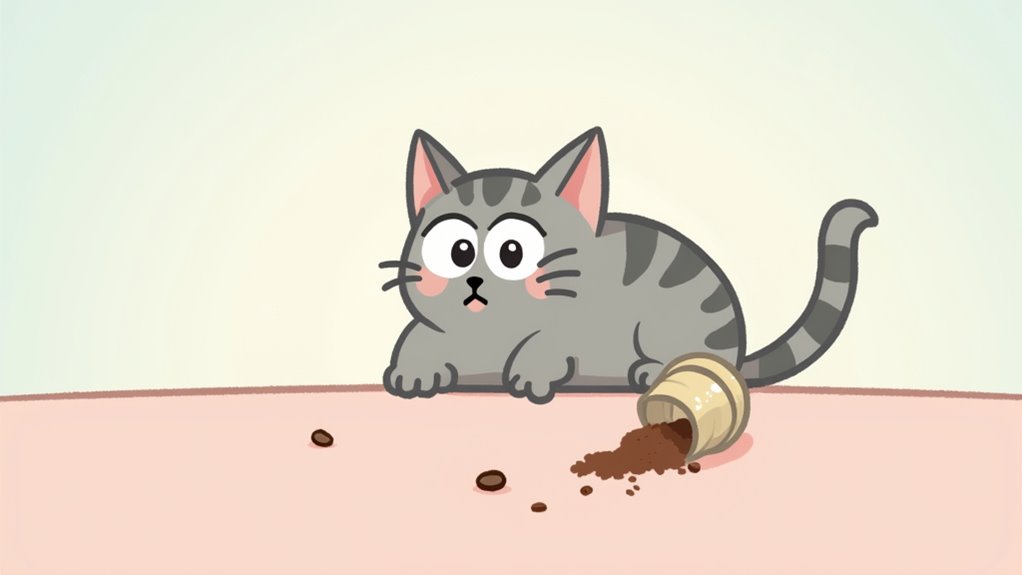
Chocolate is very dangerous for cats. It contains theobromine and caffeine. Cats can’t break these down well. Eating chocolate can make your cat sick.
Look for signs like vomiting or being restless. These symptoms can happen within the first hour. Thirsty cats may also have eaten chocolate. Watch for these early signs. Quick treatment is important.
Delaying help can lead to serious problems. Seizures can occur, and it can even be fatal. Always keep chocolate away from your cat. Even small amounts can cause symptoms like vomiting and diarrhea. Your pet’s health is worth it.
Why Chocolate Is Toxic
Chocolate is very dangerous for cats. It contains theobromine and caffeine. These substances are toxic for cats. They can’t break them down like humans do. This leads to serious health problems.
Dark chocolate and baker’s chocolate are the most harmful. Just 5.7 grams can poison a cat. Even a small amount of chocolate can be risky for your pet.
The effects can be severe. They can cause heart problems and affect the nervous system. Symptoms include seizures and irregular heartbeats.
Keep chocolate away from your cat. Always talk to a vet if you think your cat has eaten chocolate. Your pet’s safety is important.
Symptoms of Poisoning
Chocolate poisoning in cats can happen quickly. Symptoms can start within an hour after eating chocolate.
Watch for signs like excessive thirst, vomiting, and diarrhea. Restlessness or agitation may also occur early on. As the poisoning worsens, cats may have neurological effects. These can include tremors, muscle stiffness, and seizures in serious cases.
Increased heart rate and trouble breathing are serious signs. Take your cat to the vet right away if you notice these symptoms.
Symptoms of Chocolate Poisoning in Cats

Cats can face serious health risks after eating chocolate. Recognizing symptoms of chocolate poisoning is very important. Early signs usually show up within one hour.
Look for nausea, drooling, and vomiting. Your cat might also have diarrhea and eat less. Increased thirst and urination can happen too, as the body tries to remove toxins.
As the poisoning worsens, watch for muscle tremors or restlessness. Changes in behavior can also occur. Severe symptoms may lead to seizures or even coma. An increased heart rate and rapid breathing signal possible heart problems.
To prevent poisoning, keep a close eye on your cat for these signs. If your cat has persistent vomiting, seizures, or extreme agitation, get veterinary help right away.
Early action can greatly reduce the risk of serious problems. Stay alert and act quickly if you notice any warning signs.
Severity of Chocolate Ingestion Risks
Understanding chocolate ingestion risks is crucial for cat owners. Chocolate can harm your cat due to toxic substances like theobromine and caffeine. Cats can’t process these compounds well.
Here are important points to consider:
- Types of chocolate: Baker’s chocolate and cocoa powder are highly toxic. White chocolate is safer but still not good.
- Amount eaten: Even a little dark chocolate can be more dangerous than a lot of milk chocolate.
- Health factors: A cat’s weight and health matter. Smaller or sick cats are at higher risk.
- Toxicity levels: Symptoms can appear with doses under 15 mg/kg. Serious problems occur above 45 mg/kg.
Keep all chocolate out of reach. If you think your cat ate chocolate, call your vet right away. Quick action can help save your cat from serious harm.
Immediate Actions to Take if Your Cat Eats Cocoa
If your cat has eaten cocoa, act quickly to keep them safe. Follow these steps:
| Step | Action | Notes |
|---|---|---|
| 1. Emergency Response | Call a veterinarian or an emergency clinic. | Share details about the type of chocolate, how much, your cat’s weight, and when they ate it. |
| 2. Don’t Induce Vomiting | Don’t try home remedies. | Inducing vomiting can be risky without a vet’s help. |
| 3. Veterinary Consultation | Follow your vet’s advice carefully. | Getting help early is important, even if your cat seems fine. |
| 4. Monitor Symptoms | Watch for signs like seizures, tremors, or fast heartbeats. | These symptoms show serious toxicity. |
| 5. Follow-Up Care | Give any treatments your vet prescribes. | Keep an eye on your cat for any new symptoms. |
These actions can help ensure your cat gets the care they need.
How to Prevent Chocolate Exposure in Cats
Preventing chocolate exposure in cats is very important. Chocolate is toxic to them. Taking steps can keep your cat safe. Here are some easy ways to do this:
- Store chocolate safely: Put all chocolate in closed cabinets or sealed containers.
- Manage trash carefully: Use trash cans with tight lids. Clean up spills right away.
- Educate others: Tell family and visitors that chocolate is dangerous for cats.
- Distract your cat: Give them safe toys and treats. This keeps them busy and away from chocolate.
These simple steps can help protect your feline friend from chocolate poisoning.
Frequently Asked Questions
Can a Small Amount of Chocolate Harm My Cat?
A small amount of chocolate can harm your cat. Chocolate contains substances called theobromine and caffeine. Cats cannot process these well. Even a tiny bit can lead to vomiting, diarrhea, or seizures.
Symptoms may appear within hours after eating chocolate. Always watch for signs of distress. If your cat eats chocolate, contact a vet right away. Early action can save your cat’s life. Keep chocolate away from your pets to avoid these dangers. Prevention is the best way to keep your furry friend safe.
Are There Safe Chocolate Alternatives for Cats?
Cats love treats, but chocolate is dangerous for them. Thankfully, there are safe options. Carob is a great chocolate alternative for cats. It is sweet and tasty without harmful ingredients. Carob is safe and can be an occasional treat for your furry friend. Many pet owners choose carob to spoil their cats without worry. Always check the ingredients to make sure. Treat your cat to something special today!
What Should I Do if My Cat Licks Chocolate?
Chocolate is dangerous for cats. It can make them very sick. If your cat licks chocolate, call your vet right away. Symptoms can include vomiting, diarrhea, and trouble breathing. These signs can show up within a few hours. Watch your cat closely for any changes in behavior. Do not try home remedies. Only a vet can help your cat safely. Keep chocolate away from your pets in the future. Your cat’s health is the most important thing.
How Long Does Chocolate Toxicity Last in Cats?
Chocolate toxicity in cats acts like a storm. Symptoms can show up within four hours. They might stick around for up to 72 hours. During this time, keep a close watch on your cat. Look for any signs that get worse. Quick action can help your cat feel better. Always contact your vet if you notice any serious symptoms. Remember, chocolate is dangerous for cats. Stay alert and keep chocolate out of their reach.
Can Kittens Be More Affected by Chocolate Than Adult Cats?
Kittens are more affected by chocolate than adult cats. Their bodies are smaller and not fully developed. This makes them more sensitive to chocolate’s harmful effects. Kittens have a slower metabolism, which means they process chocolate less efficiently. The toxic compounds in chocolate, like theobromine, can quickly build up in their systems. Even a small amount of chocolate can be dangerous for them. Adult cats, while not safe from chocolate, can handle it better due to their size and maturity. Always keep chocolate away from kittens to keep them safe.
Conclusion
Cocoa is dangerous for cats. It contains theobromine, which is toxic to them. Even small amounts can cause serious health problems. Symptoms may include vomiting, diarrhea, or increased heart rate. If your cat eats cocoa, contact your vet right away. Always keep chocolate and cocoa far away from your pets. This simple action protects their health. A safe cat is a happy cat. Remember, prevention is the best way to keep your furry friend safe.
