
Can Cat Eat Nectarines
This post contains affiliate links. As an Amazon Associate, we earn from qualifying purchases.
Nectarines can be a safe treat for your cat if prepared properly. Always remove the pit, as it contains toxic compounds, and cut the fruit into small, bite-sized pieces to prevent choking. Offer nectarines sparingly, perhaps once every week or two, to avoid digestive issues, and monitor for any signs of allergies, such as vomiting or diarrhea. For those interested in more detailed information about feeding nectarines to cats and ensuring their safety, further explanation will follow.
Essential Facts in 30 Seconds
- Cats can eat nectarines in small amounts, but the pit must be removed to avoid toxicity.
- Nectarines offer hydration and contain vitamins A and C, which support cat health.
- The high sugar content can cause digestive issues if cats are overfed nectarines.
- Watch for allergic reactions like vomiting or diarrhea after giving nectarines.
- Consult a veterinarian before introducing new foods like nectarines to a cat’s diet.
Safety of Nectarines for Cats
Nectarines can seem like a tasty snack for your cat, but there are important safety concerns. Nectarine pits have cyanogenic compounds that can release cyanide, which is toxic. Always remove the pit completely. Cut the nectarine into small, bite-sized pieces. This helps prevent choking and digestive problems.
Not all cats will enjoy nectarines. Watch for signs of allergies, like vomiting or diarrhea, after giving this fruit.
It’s also important to wash the nectarine well to remove pesticides. Only give nectarines occasionally. They’ve high sugar content, which can lead to obesity or diabetes in cats. Remember that cats are obligate carnivores, so fruits should only be a small part of their diet.
Always prioritize your cat’s health and safety when considering new treats.
Nutritional Benefits and Considerations
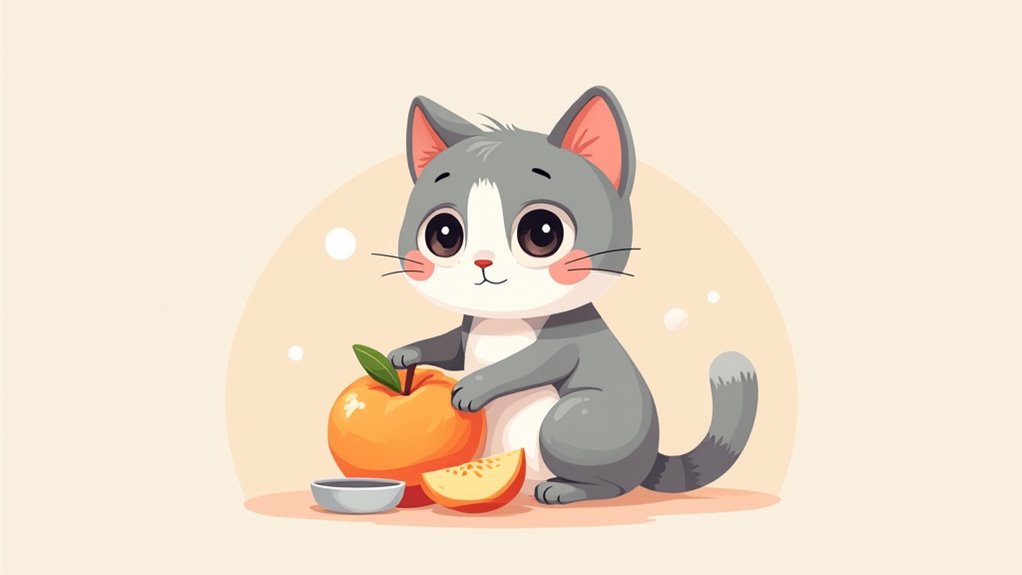
Nectarines can be a tasty treat for your cat. They contain a lot of water, about 85-88%. This helps keep your cat hydrated, especially in hot weather. Hydration is important for kidney health and can lower the risk of urinary tract infections.
Nectarines are also packed with vitamins. They’ve vitamin A and vitamin C. Vitamin A supports vision and skin health. Vitamin C is an antioxidant. It helps reduce stress in the body and boosts immunity. Cats can make some vitamin C on their own, but extra can be helpful. Fruits like nectarines should be offered as an occasional snack rather than a dietary staple.
Nectarines shouldn’t take the place of your cat’s regular food. A balanced diet with enough protein is essential. Offer nectarines as a treat, but do so in moderation. This adds some fun to their diet while still meeting their nutritional needs.
Risks of Nectarine Consumption
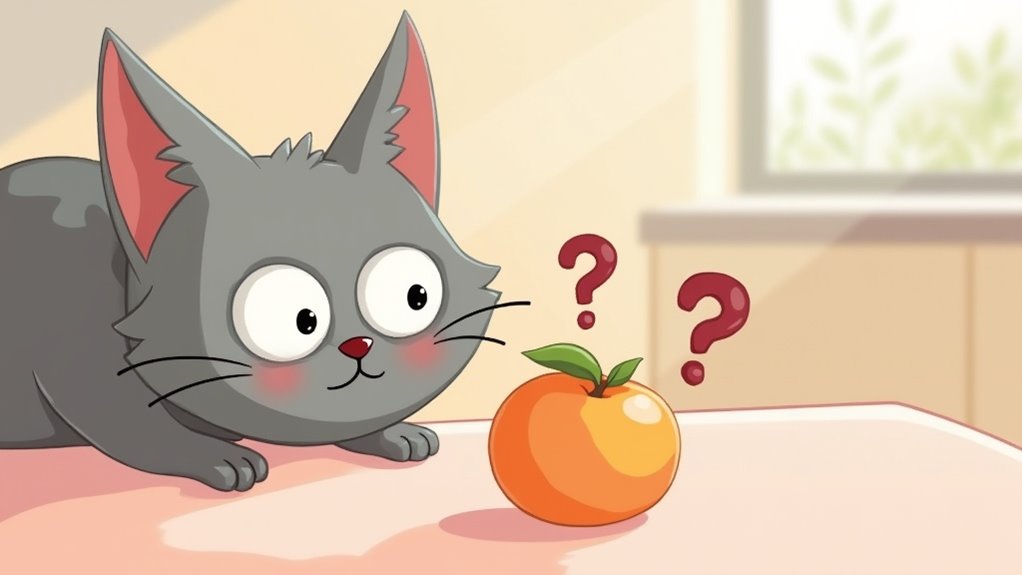
Nectarines can be risky for your cat. The pits are dangerous. They can cause choking or even poison your cat. This is because the pits contain cyanide.
Nectarines can also upset your cat’s stomach. Some cats may have allergic reactions to them.
Always watch for any bad signs after giving your cat new foods. It’s important to be careful. Always prioritize your cat’s health and safety.
Toxic Pit Hazards
Cats can get very sick from eating nectarine pits. These pits have cyanogenic compounds that turn into cyanide when digested. Even a little cyanide can hurt your cat. If a cat chews or crushes the pit, the danger increases a lot.
Nectarine pits are also a choking hazard. They’re hard and big. Large pieces of fruit or skin can cause choking too. Always take out the pits before giving your cat any nectarines. Cut the fruit into small pieces to make it safe.
Watch your cat after you introduce new foods. This helps you notice any bad reactions early. Keeping your cat safe is always the priority.
Digestive Upset Risks
Feeding your cat nectarines can lead to digestive upset. Nectarines have high sugar content. Cats struggle to process sugar well. This can cause issues like diarrhea and vomiting. Regularly giving nectarines may lead to chronic problems or gut inflammation.
Nectarines also contain fiber. A little fiber is good, but too much can cause trouble. Cats with fiber sensitivity may feel discomfort. Overfeeding the flesh or skin can irritate their digestive tract. This irritation may lead to loss of appetite.
It’s best to offer nectarines in small amounts. Always watch for signs of discomfort. Look for symptoms like lethargy or unusual posture. Taking these steps helps keep your cat healthy and happy.
Allergic Reaction Potential
Nectarines can be risky for cats due to allergies. While nectarines are safe to eat, some cats may have allergic reactions.
Watch for these signs of allergies:
- Vomiting or diarrhea
- Red or irritated skin, like hives
- Itchy or swollen mouth
Cats can mistake nectarine proteins for harmful substances. This mistake can cause allergic responses. Severe reactions, like anaphylaxis, are rare but serious. Always take any signs of an allergic reaction seriously.
Consult your vet right away if your cat shows symptoms after eating nectarines.
Keep a close eye on your cat, especially if they’ve eaten nectarines before. Repeated exposure can make allergies worse. Your cat’s health and safety always come first!
Feeding Recommendations for Cats
Feeding nectarines to your cat can be safe if done right. Always remove the pit, stem, and leaves. These parts can be toxic.
Cut the ripe flesh into small pieces, about the size of your fingertip. Limit treats to once every week or two. A tiny piece is enough. Too much can upset your cat’s stomach or lead to weight gain because of the sugar.
Keep an eye on your cat while they enjoy this fruit. Watch for signs of allergies like itching or stomach issues.
It’s wise to talk to your vet before adding nectarines to your cat’s diet.
Comparison With Other Stone Fruits
Nectarines share similarities with other stone fruits like peaches, plums, and apricots. They all have pits that can be harmful. The pits contain toxic compounds. Always remove the pits before giving these fruits to your cat.
The flesh of these fruits can provide some vitamins. Yet, it’s best to limit how often your cat gets these treats. They can cause health issues if eaten too much. Sugar and potential toxins are concerns.
Keep your cat’s diet balanced for their health.
Nectarines vs. Peaches
Nectarines and peaches share some similarities, but they’re quite different in many ways. Knowing these differences can help you pick the best fruit for your meals.
Nectarines have about 55 calories. Peaches have around 63 calories. The calorie difference is small, but it exists.
Nectarines are firmer and have smooth skin. Peaches are softer and have fuzzy skin. This affects how they feel when you bite into them.
Nectarines work well on the grill. They keep their shape and taste great. Peaches are perfect for baking. Their sweetness shines in pies and tarts.
The flavors also differ. Nectarines have a tangy sweetness. Peaches are sweeter and less tart. This can change how your dish tastes, so choose carefully.
Both fruits are healthy and delicious. Enjoy them fresh, in salads, or in desserts. Picking the right one can make your dish even better!
Toxicity of Stone Fruits
Stone fruits like nectarines, peaches, and cherries can be dangerous for pets. Their pits contain amygdalin, which changes into hydrogen cyanide. This can lead to serious health issues. Pets can show signs of cyanide poisoning. Symptoms include drooling, red gums, and trouble breathing.
Larger animals might chew on pits. Cats often swallow them whole. This reduces the risk, but it doesn’t remove it. Even a tiny piece of a broken pit can cause severe poisoning. This situation requires immediate attention.
All fruits from the *Prunus* family, like plums and apricots, have similar dangers.
Keep these fruits out of your pets’ reach to keep them safe. Always be careful with stone fruits to prevent harm to your furry friends.
Nutritional Value Comparison
Nectarines offer a tasty treat for your cat, but it’s important to know their nutritional value. They’re sweet and can be appealing to pets.
Here’s what you need to know about nectarines and other stone fruits like peaches, plums, and apricots:
- Nectarines have vitamins A and C. These vitamins help keep your cat’s immune system strong.
- All stone fruits, including nectarines, have pits. Pits contain amygdalin, which can be harmful.
- Nectarines have sugar. Too much sugar can lead to obesity or diabetes in cats.
Keep these points in mind to ensure your cat stays healthy while enjoying fruits.
Symptoms of Poisoning and Veterinary Guidance
Cats can get sick from eating nectarines or their pits. Watch for signs of poisoning. Early symptoms include oral irritation, drooling, and pawing at the mouth.
Be alert for stomach issues like vomiting and diarrhea, especially after they eat a pit.
In serious cases, cats may have trouble breathing, a fast pulse, or muscle twitching. Act quickly if you see these signs.
Here’s what to do:
- Contact your vet immediately.
- Expect tests. Your vet will likely do blood tests and toxicology screens.
- Get treatment. Your vet may help stabilize breathing and prevent dehydration.
Keep a close eye on your cat. Look for changes in behavior, breathing problems, or a blue tinge to their skin.
Knowing the signs early can save your cat’s life. Always have emergency contact information ready. It’s crucial to understand the risks nectarines pose to your pets.
Frequently Asked Questions
Can Cats Enjoy Nectarines as a Regular Treat?
Cats cannot enjoy nectarines regularly. This fruit has some good things, but it should be a rare treat. Cats mainly need meat for their health. Their bodies are designed for a meat-based diet. Too much fruit can upset their stomachs. Always focus on what keeps your cat healthy. Offer nectarines as a special snack, not a daily food. Stick to cat food for their main meals. It’s the best choice for your feline friend.
Are There Any Specific Cat Breeds That Love Nectarines?
No cat breed has a special love for nectarines. Cats don’t sense sweetness like humans do. Nectarines are more of a curiosity for them. Some cats might show interest, but this varies from cat to cat. It’s not about their breed. It’s just their unique personality at play. Always be cautious with new foods. Some fruits can be harmful to cats. Stick to safe treats that are good for their health.
How Should Nectarines Be Prepared for Cats?
Wash the nectarine well before giving it to your cat. Remove the pit completely. Cut the fruit into small, bite-sized pieces. This makes it easier and safer for your cat to eat. Always watch for any signs of allergies. Avoid adding sugar or seasonings. Keep it simple for your feline friend. Fresh fruit can be a fun treat!
Can Baby Cats Eat Nectarines Safely?
Baby cats can safely nibble on nectarines. Just be careful. Some cats may have fruit allergies. Always cut the fruit into tiny pieces. Never give them the pit, as it can be dangerous. Keep nectarines as a rare treat. Baby cats don’t handle sugary foods well. Their stomachs need healthy, balanced meals. Always watch how they react to new foods. This way, you can keep your furry friend happy and safe!
Are There Any Other Fruits Cats Can Eat?
Cats can eat some fruits safely. Apples, blueberries, and bananas are good choices. Feed these fruits in small amounts. Always avoid toxic fruits like citrus and cherries. Remove seeds and pits before giving fruits to your cat. Keep your cat healthy with these tasty treats!
Conclusion
Cats can eat nectarines, but only in small amounts. About 15% of cats have food sensitivities. This means even a little fruit can upset their stomach. Always remove the pit before giving nectarines to your cat. The pit contains cyanide, which is toxic. After giving your cat nectarines, watch for any strange behavior. Signs of trouble could mean a visit to the vet is needed. Always prioritize your cat’s health and safety.
