
Can Cat Eat Nutritional Yeast
This post contains affiliate links. As an Amazon Associate, we earn from qualifying purchases.
Cats can safely eat nutritional yeast in moderation, but it’s important to consult your veterinarian before introducing it to their diet. Start with just 1/4 teaspoon to monitor your cat’s reaction. Nutritional yeast is high in B vitamins and protein; however, excessive consumption can lead to phosphorus overload, which may result in serious health issues such as kidney problems. Watch for signs of allergic reactions, including vomiting or itching. For those interested, more detailed information on the effects of nutritional yeast on feline health will be provided later in the article.
Essential Facts in 30 Seconds
- Cats can consume nutritional yeast as a supplement, but it shouldn’t replace their balanced diet.
- Nutritional yeast is high in B vitamins and protein, aiding energy and tissue repair.
- Start with 1/4 teaspoon to monitor for any adverse reactions.
- Consult a veterinarian before introducing it, especially if your cat has health issues.
- Watch for signs of phosphorus overload, such as fatigue or digestive upset, and adjust intake if needed.
Understanding Nutritional Yeast and Its Composition
Nutritional yeast is a special type of yeast that can be a good addition to your cat’s diet. It comes from a yeast called *Saccharomyces cerevisiae*. This yeast grows on sugar-rich foods like molasses. After a few days, the yeast is heated and dried. This process makes it safe for cats to eat.
You can find nutritional yeast in flakes, granules, or powder. It has a light yellow color. Each tablespoon contains about 4.85 to 5 grams of protein. It also has important B vitamins, especially if it’s fortified.
Unlike baker’s or brewer’s yeast, nutritional yeast is inactive. It won’t cause fermentation in your cat’s stomach. The savory flavor of nutritional yeast makes it tasty.
Always talk to your vet before adding it to your cat’s food. Knowing where nutritional yeast comes from and how it’s made can help ensure it’s safe and healthy for your furry friend.
Safety Considerations for Cats
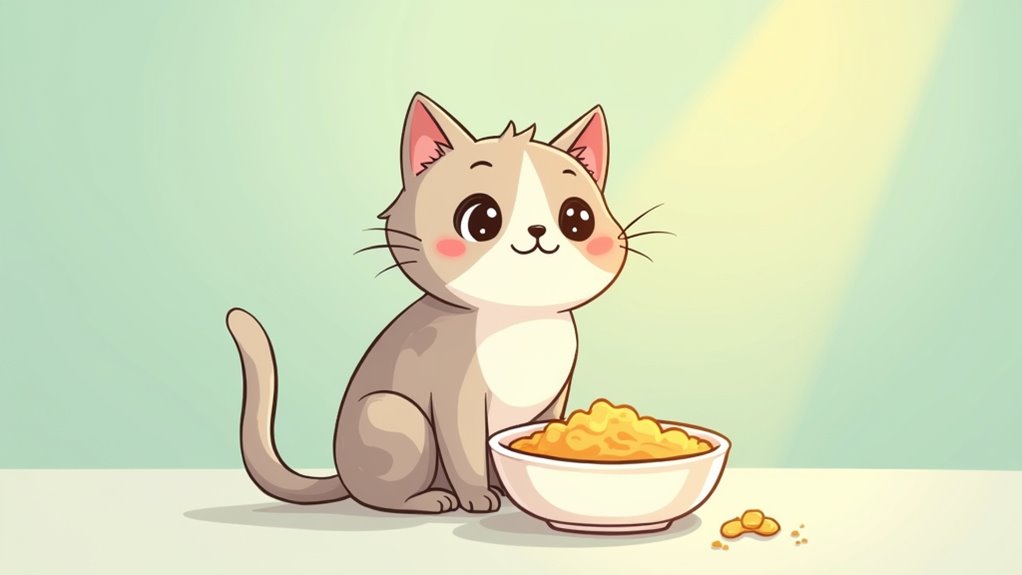
Understanding safety for your cat is important. Nutritional yeast can be a safe addition to their diet. Start with a small amount, like 1/4 teaspoon. Watch for any allergic reactions. Signs may include stomach upset or skin issues.
It’s wise to talk to your veterinarian before adding it to their food, especially if your cat has health problems.
Choose high-quality, non-GMO nutritional yeast. Avoid any that have harmful additives. Don’t use active or baking yeast. This type can cause serious health problems.
Remember, nutritional yeast is a supplement, not a main part of their diet. Too much can upset their stomach or lead to high phosphorus levels. This can hurt kidney function.
Follow these tips to safely add nutritional yeast to your cat’s meals and keep them healthy.
Nutritional Benefits of Nutritional Yeast

Nutritional yeast is a superfood for your health. It has many benefits that help people in their diets. This yeast is full of B vitamins. These vitamins give you energy and help your nerves work well.
Nutritional yeast is also a complete protein. This means it has all the protein your muscles need to stay strong.
The flavor of nutritional yeast is unique. It can make your meals taste better. You can sprinkle it on popcorn or mix it into pasta. It adds a cheesy taste without dairy.
Many people love using it in salads or soups too. Nutritional yeast is easy to use and very healthy. Additionally, it is safe for moderate consumption by cats, making it a potential treat for your furry friend.
Try it out in your meals! It’s a tasty way to get important nutrients.
Rich in B Vitamins
B Vitamins are essential for your cat’s health. Nutritional yeast is a great source of these vitamins. They help with energy, nerves, and skin health.
For instance, one tablespoon of nutritional yeast has about 1.32 mg of thiamine (B1). Thiamine helps turn carbs into energy. It also has 0.48 mg of riboflavin (B2), which is important for cell growth.
Pyridoxine (B6) is another B vitamin in nutritional yeast. It helps with amino acid metabolism and brain development.
Fortified nutritional yeast is rich in vitamin B12. This vitamin is crucial for making red blood cells. Cats that don’t eat animal products need B12. Always check the label to ensure you get fortified nutritional yeast. Not all brands include B12, so it’s important to choose wisely.
Source of Protein
B vitamins are important for your cat’s health. Protein is another key part of their diet.
Nutritional yeast is a great source of protein, containing about 50-53% protein by dry weight. Just one tablespoon gives your cat around 5 grams of protein.
This protein is complete. It has all the amino acids your cat needs. Nutritional yeast digests well, similar to meat proteins. It helps with tissue repair, boosts the immune system, and provides energy.
Low in fat and sodium, it works well in many diets. Always talk to your vet before adding new foods. Every cat has different needs.
Enhances Flavor Profile
Boost your cat’s appetite with nutritional yeast. This special ingredient can make meals more appealing. It contains glutamic acid, which enhances flavor. This helps picky eaters or sick cats enjoy their food more.
Here’s how nutritional yeast can help:
- Makes meals more desirable.
- Adds a natural umami taste.
- Encourages eating during tough times.
- Safe for digestion with no fermentation issues.
- Great for finicky eaters who need extra motivation.
Try adding nutritional yeast to your cat’s meals for a tasty boost!
Potential Risks and Side Effects
Nutritional yeast has benefits, but it also comes with risks for cats. One major concern is phosphorus overload.
Too much phosphorus can upset your cat’s mineral balance. This may weaken bones and increase the risk of kidney disease.
Some cats may also have allergies to nutritional yeast. Signs of an allergy include itching and stomach upset.
It’s important to watch your cat closely after adding this supplement to their diet. Always consult your vet before making changes to your cat’s nutrition.
Keeping your cat healthy should be the top priority.
Phosphorus Overload Concerns
Adding nutritional yeast to your cat’s diet can be risky. Phosphorus overload is a big concern. High phosphorus levels can harm your cat’s health, especially their kidneys.
Some risks include:
- Kidney function problems, even in healthy cats
- Faster progression of chronic kidney disease (CKD)
- Bone health issues
- Greater chance of urinary tract problems
- Loss of calcium from the body
It’s important to manage phosphorus carefully. This is especially true for older cats or those with kidney issues.
Keep track of their total phosphorus intake. Talk to your veterinarian about any needed dietary changes. Regular vet visits help keep your cat healthy and prevent phosphorus overload dangers.
Allergy Symptoms in Cats
Allergies can be a serious concern for your cat’s health. Nutritional yeast may trigger reactions. Watch for signs like itchy skin. This can cause scratching, redness, and irritation.
Some cats may also develop respiratory issues. Symptoms include sneezing, coughing, or wheezing.
Act quickly if you see these symptoms. Here are steps to take:
- Monitor: Keep track of your cat’s behavior and skin condition.
- Eliminate: Stop giving nutritional yeast right away.
- Consult: Talk to your vet about allergy testing and advice.
Quick action helps prevent severe reactions. Keeping your cat healthy and happy is the goal.
Recognizing Allergic Reactions in Cats
Recognizing an allergic reaction in your cat is important for their health. Watch for signs that show their immune system is reacting.
Excessive scratching or licking can cause irritation. Look for redness or rash on the skin. Vomiting or diarrhea may indicate stomach issues. Sneezing or coughing can suggest breathing problems. Increased tiredness or changes in behavior, like irritability, are also signs.
These symptoms can appear quickly. It’s crucial to monitor your cat closely if you see any of these signs. Allergies can worsen and lead to discomfort or infections.
Finding and addressing these issues early can greatly help your cat feel better. Keep track of when these reactions happen. This can help you spot specific allergy triggers. A better understanding can lead to a happier life for your furry friend.
Veterinary Guidance and Recommendations
Nutritional yeast can be a nice treat for your cat, but always talk to your vet first. Start with a small amount, like a quarter teaspoon. Watch for any negative reactions. High phosphorus levels can be dangerous, especially for cats with kidney problems.
| Consideration | Action | Reason |
|---|---|---|
| Start Small | Use a quarter teaspoon | Monitor for any bad reactions |
| Regular Vet Check-ups | Schedule visits | Catch any problems early |
| Individual Needs | Adjust feeding amounts | Fit diet to age and health |
Veterinarians say nutritional yeast should be a supplement, not the main food. Always choose high-quality, non-GMO products. Discuss any diet changes with your vet, especially if your cat has health issues. Keeping your cat healthy is the top priority.
Frequently Asked Questions
Can Nutritional Yeast Enhance My Cat’s Coat Condition?
Nutritional yeast can help make your cat’s coat healthier. It is rich in B vitamins and protein. These nutrients improve blood flow and help repair skin and fur. A shiny coat comes from good nutrition. Use nutritional yeast in moderation. Pair it with a balanced diet for the best results. Your cat will look and feel great!
How Should I Store Nutritional Yeast for My Cat?
Store nutritional yeast in a cool, dark place. A cupboard or pantry works well. Keep it in an airtight container. This protects it from moisture and air. Your cat deserves fresh, vitamin-rich food. Sealing it tight helps maintain its nutritional value. Remember to check the expiration date. Using it before that date ensures your cat gets the best benefits. Enjoy feeding your furry friend!
Can Kittens Eat Nutritional Yeast Safely?
Kittens can safely eat nutritional yeast. It offers benefits like B vitamins and protein. Start with small amounts. This helps to watch for any bad reactions. Nutritional yeast should not replace their balanced diet. Always ensure it adds value to what they eat. Kittens need a mix of nutrients for healthy growth. A little nutritional yeast can be a tasty treat for them. Just remember to keep it in moderation.
Is There a Recommended Serving Size for Cats?
The best serving size for cats is a quarter teaspoon per meal. Limit the number of meals to avoid health problems. Always watch how your cat reacts. Checking with a vet can help you adjust the serving size. Each cat is different, so personal advice is important. Keeping your cat healthy is key.
Can I Mix Nutritional Yeast With My Cat’s Food?
Mixing nutritional yeast with your cat’s food is a great idea! This tasty addition can boost nutrition. It also enhances the flavor and helps with digestion. Start with a small amount to see how your cat reacts. Nutritional yeast is safe for cats and can be a fun treat. Just remember to watch for any changes in their behavior or health. Enjoy making mealtime special for your furry friend!
Conclusion
Nutritional yeast can be good for your cat. It offers some health benefits. It contains vitamins, especially B vitamins. These can help with energy and overall health.
Introduce nutritional yeast slowly. This helps your cat adjust. Watch for any signs of allergies or upset stomach. Some cats may not react well to new foods.
Talk to your vet before adding it to your cat’s diet. Vets know what’s best for your pet’s health. Keeping your cat healthy is important. Balance in their diet is key.
