
Can Cat Eat Peppermint
This post contains affiliate links. As an Amazon Associate, we earn from qualifying purchases.
Peppermint is not safe for your cat and can be toxic. Cats lack the necessary liver enzymes to break down peppermint oil, which can lead to potential poisoning. Symptoms of exposure include excessive drooling, vomiting, and lethargy. Ingestion, skin contact, or inhalation can result in serious health issues such as liver damage and breathing problems. If you suspect your cat has been exposed, contact a veterinarian immediately and do not induce vomiting. For safe pet practices, it’s best to keep essential oils like peppermint away from your cat. Further details and explanations follow for those interested in a deeper understanding of this issue.
Essential Facts in 30 Seconds
- Cats should not eat peppermint as it can be toxic.
- They cannot metabolize phenols found in peppermint oil.
- Ingesting peppermint may cause liver damage, nausea, and seizures.
- Symptoms of poisoning include drooling, vomiting, lethargy, and muscle tremors.
- Both fresh peppermint and peppermint oil are harmful to cats.
- Consult a veterinarian if a cat has ingested peppermint or peppermint oil.
Understanding Peppermint and Its Effects on Cats
Many people enjoy the fresh scent of peppermint. Unfortunately, this scent can be dangerous for cats. Peppermint oil has phenols. Cats can’t break down these compounds well. They lack certain liver enzymes needed for this process. This means peppermint can lead to toxicity in cats.
Peppermint oil can harm your cat through ingestion, skin contact, or breathing it in. Even a small lick or a bit of skin exposure can cause serious problems. High concentrations are especially risky. Room sprays and candles can release harmful oils into the air.
To protect your cat, don’t use peppermint oil at home. Be careful with products that contain it. Always check with your veterinarian before using any essential oils around your pets.
Keeping your cat safe requires awareness and smart choices. Your cat’s health is important.
Signs of Peppermint Oil Poisoning in Cats
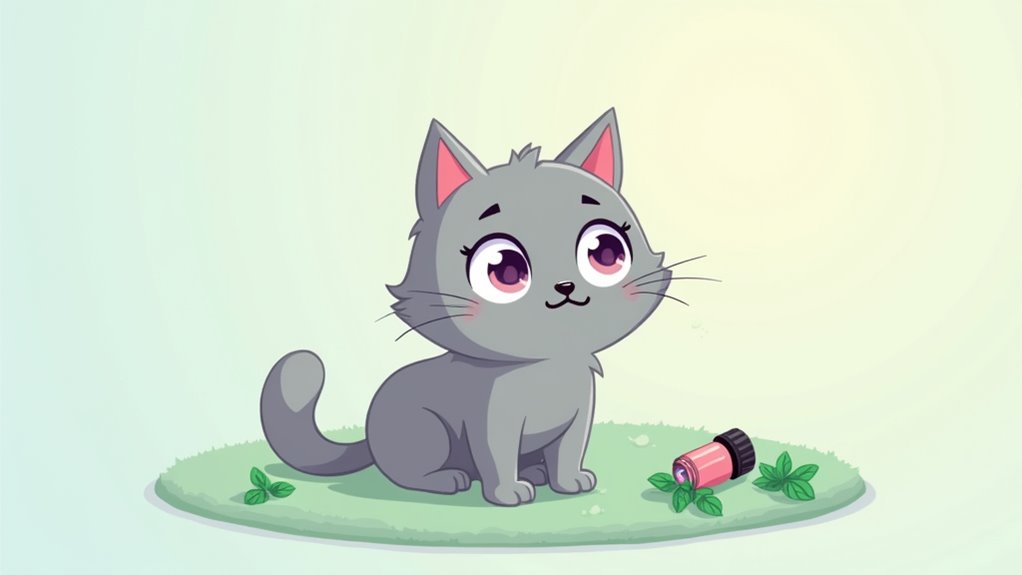
Signs of peppermint oil poisoning in cats can be serious. Watch for these symptoms:
- Excessive drooling from mouth irritation.
- Vomiting that may smell like peppermint.
- Lethargy or weakness shows your cat isn’t feeling well.
- Muscle tremors indicate possible neurological issues.
- Ataxia means your cat might walk unsteadily.
Respiratory and heart problems can also happen. Look for signs like labored breathing or a slow heartbeat.
Cats may paw at their mouths, showing discomfort. They might also refuse to eat.
For treatment, call your veterinarian right away. Bring any product packaging for help.
Your vet may suggest blood tests to check organ health. Quick action is vital for your cat’s recovery. Stay alert and act fast!
Routes of Exposure to Peppermint Oil
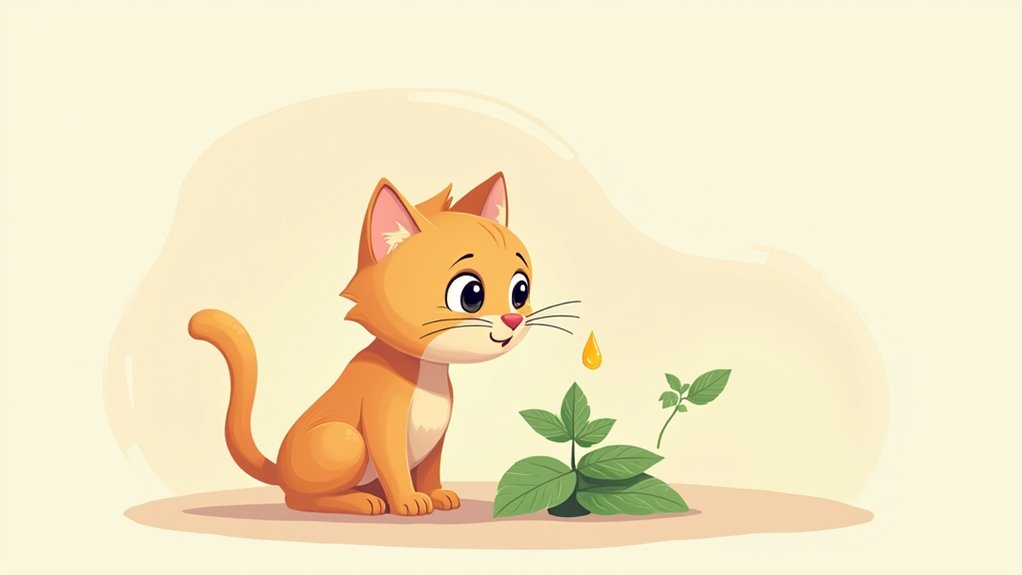
Understanding peppermint oil is important for your cat’s safety. There are many ways your cat can be exposed to it, and each carries risks.
| Route of Exposure | Effects on Cats |
|---|---|
| Ingestion | Can cause liver damage, nausea, and seizures. |
| Inhalation | May lead to breathing problems and stress. |
| Dermal (Skin) | Can cause skin irritation or burns. |
| Environmental Contact | Risks from dirty surfaces and vapors. |
| Indirect Contact | Grooming contaminated areas can lead to ingestion. |
Ingesting peppermint oil is very dangerous. Even small amounts can hurt your cat. Breathing it in can happen from diffusers, which can stress your pet. Keep peppermint oil products away from your cat. Always watch for any signs of exposure. Your cat’s safety is your responsibility.
Emergency Response for Peppermint Oil Exposure
Swift action is key if your cat shows signs of peppermint oil exposure. Recognizing symptoms can save your pet’s life. Follow these steps for emergency treatment:
- Contact a Professional: Call your veterinarian or the Pet Poison Helpline right away for help.
- Do Not Induce Vomiting: Don’t give activated charcoal or try to make your cat vomit. This can make things worse.
- Clean and Relocate: If peppermint oil is on your cat’s skin, wash it off with liquid dish soap. Then, move your cat to fresh air to help with breathing.
Getting prompt veterinary care is very important. Without treatment, peppermint oil can cause serious problems, like liver damage and breathing issues.
Act quickly to ensure your cat gets the care they need.
Safe Practices for Using Essential Oils Around Cats
Using essential oils around cats needs care. Many oils can harm them. It’s essential to ensure their safety. Here are simple practices to follow:
Safe Practices
- Avoid Direct Application: Don’t apply essential oils directly on your cat’s skin or fur.
- Dilute Properly: If you use oils, make sure they’re diluted to less than 1%. Always ask a vet before using any oil.
- Limit Diffuser Use: Use diffusers only a little. Make sure the area is well-ventilated and avoid ultrasonic diffusers.
- Store Safely: Keep all essential oils out of your cat’s reach. This prevents spills or ingestion.
Toxic Oils to Avoid
– Peppermint, eucalyptus, tea tree, cinnamon, clove, and wintergreen can cause serious health problems. Stay away from these.
Always keep your cat’s health first. Use essential oils safely. Their well-being matters most.
Frequently Asked Questions
Can Cats Safely Consume Peppermint Leaves or Tea?
Cats can nibble on fresh peppermint leaves, but it may cause stomach upset. Peppermint tea is too strong for cats and should be avoided. It can lead to health problems. Always check with your vet before giving your cat new foods. Keeping your cat safe is the top priority.
What Should I Do if My Cat Licks Peppermint Oil?
If a cat licks peppermint oil, take action quickly. Move your cat away from the oil. Wipe their mouth gently to remove any oil. Look for signs of peppermint toxicity. These signs include drooling, lethargy, or unusual behavior. Keep a close eye on your cat. If you notice any concerning symptoms, contact a vet right away. Peppermint oil can be harmful to pets, so it’s best to stay cautious. Always keep such oils out of reach. Taking these steps helps ensure your cat stays safe and healthy.
Are There Any Safe Alternatives to Peppermint for Cats?
Safe alternatives for your cat exist! Use cat-friendly herbs like catnip or catmint. These herbs are fun and safe for your furry friend. You can also try sunflower oil or vinegar-based solutions. They help keep your home smelling fresh. These options are great and won’t harm your cat. Enjoy a pleasant home without worries!
How Can I Tell if My Cat Is Allergic to Peppermint?
Cats can show signs of peppermint allergies. Watch for symptoms like trouble breathing or drooling. These may indicate a reaction. About 10% of cats have allergies. Keep an eye out for any changes in their behavior. Look for signs of discomfort or distress. It’s important to act quickly if you notice anything unusual. Taking note of these signs can help keep your cat safe and healthy.
Is Peppermint Oil Harmful if Used in Scented Candles Near Cats?
Peppermint oil in scented candles is harmful to cats. The strong scent can cause breathing problems. Cats can also get skin irritation from it. Always keep these candles out of your cat’s reach. Your cat’s safety is important. Use pet-friendly products instead. Look for candles made without harmful oils. This way, you keep your home safe and cozy for everyone.
Conclusion
Some people think peppermint is safe for cats. This belief can be misleading. Peppermint oil can harm cats. It can cause serious health problems. Symptoms may include vomiting and lethargy. If a cat eats peppermint, get help from a vet right away. Always store oils safely. Keep them out of reach from pets. Your cat’s safety comes first. Think carefully before using peppermint in your home.
