
Can Cat Eat Rabbit Food
This post contains affiliate links. As an Amazon Associate, we earn from qualifying purchases.
Cats should not eat rabbit food, as it lacks the essential nutrients they need. While rabbit meat can be a healthy addition to a cat’s diet due to its low fat and high protein content, it’s important to be cautious with wild rabbit meat due to potential disease risks and the danger of bones causing blockages. Introduce rabbit gradually to prevent stomach upset, and monitor for any signs of distress. For a safe option, consider high-quality, commercial rabbit cat food that meets nutritional standards. Further details on safely incorporating rabbit into your cat’s diet will follow.
Essential Facts in 30 Seconds
- Cats can eat rabbit meat as it provides lean protein.
- Rabbit meat is low in fat and cholesterol, aiding in weight management.
- Always cook rabbit meat thoroughly and avoid seasonings.
- Monitor your cat for any adverse reactions when adding rabbit to their diet.
- Opt for commercially prepared rabbit food that meets AAFCO standards for balanced nutrition.
Nutritional Benefits of Rabbit Meat for Cats
Rabbit meat is a great choice for cats. It has only 5.3% fat, making it perfect for weight management. Cats that need a lean diet can benefit from its low cholesterol.
This meat is packed with B vitamins, especially B12 and B3. These vitamins help with nerve function and energy.
Rabbit meat also contains important minerals like iron and potassium. These minerals support healthy blood and muscle function in cats.
Adding rabbit meat to your cat’s meals can boost their energy and make their coat shiny. It meets their need for meat and keeps them healthy.
Health Risks of Feeding Cats Rabbit Meat

Adding rabbit meat to your cat’s diet can bring health risks. It’s crucial to know these risks before making the switch.
Disease Risks:
Wild rabbits can carry diseases. Toxoplasmosis and Tularemia are two dangerous ones. These diseases can be fatal for your cat. Always buy rabbit meat from trusted suppliers. This helps reduce the chance of contamination.
Digestive Problems:
Rabbit bones can cause blockages. This can lead to serious health issues. Introducing rabbit meat suddenly may upset your cat’s stomach. Diarrhea and vomiting are common reactions.
Watch your cat closely after feeding rabbit. Catch any signs of distress early.
Cook rabbit meat thoroughly. Avoid adding any seasonings. Choosing high-quality, prepared rabbit meat can keep your cat safe.
Explore new dietary options carefully. Your cat’s health is the top priority.
Cats’ Hunting Behavior Related to Rabbits
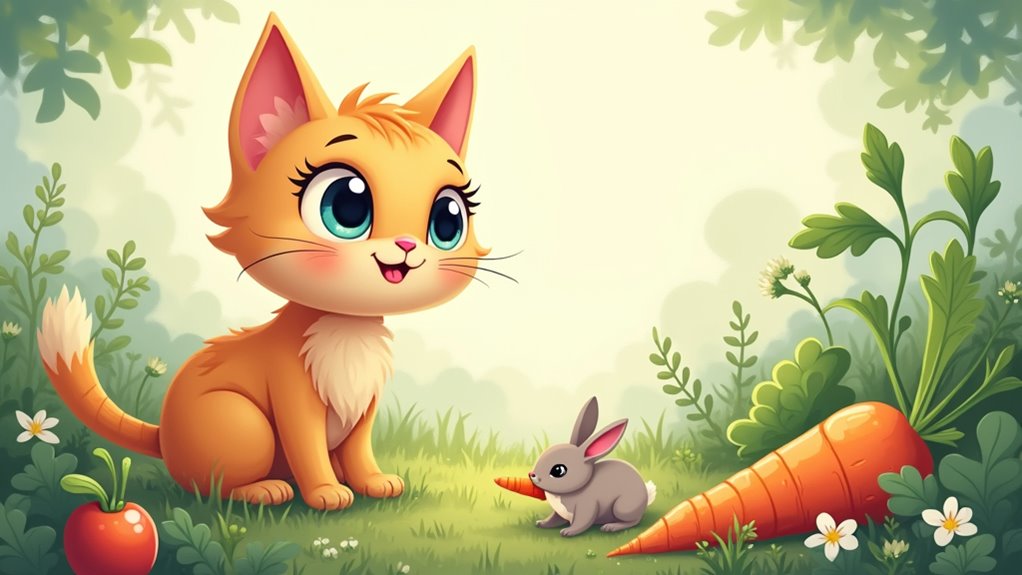
Cats have strong hunting instincts. They often chase rabbits, which can be both interesting and worrisome. Even well-fed domestic cats keep these natural behaviors. They hunt out of playfulness or curiosity.
Hunting Behavior Overview:
- Stalking Techniques: Cats crouch low and move slowly. Then, they sprint to catch fast rabbits.
- Time Commitment: Cats may spend 3-10 hours a day hunting. This shows how dedicated they are.
Risks of Prey Interaction:
- Opportunistic Feeding: Cats hunt whenever they see a chance, not just when hungry.
- Physical Limitations: Success depends on their size, age, and skill. Fast rabbits can be tricky.
Watch your cat’s hunting drive. It can cause stress for both your pet and any rabbits nearby. Understanding these behaviors can help keep everyone safe.
Commercial Rabbit Cat Food Considerations
Choosing the right commercial rabbit cat food is important. Focus on nutrition and ethics.
Look for brands that meet AAFCO standards. These standards ensure your cat gets the vitamins and minerals they need for good health.
Support companies that treat rabbits humanely. This shows they care about both pet health and animal welfare.
Healthy food helps your cat thrive, and ethical sourcing matters.
Do your research. Read labels carefully. Your cat deserves the best.
Nutritional Balance Assurance
Nutritional balance in rabbit cat food is key for your cat’s health.
These foods provide the right nutrients, especially from high-quality rabbit meat. Here are some important points to remember:
- Select a diet that meets AAFCO nutrient profiles. This ensures balanced nutrition.
- Ensure protein content is over 90% meat. This helps keep your cat’s muscles strong.
- Look for low carbohydrate levels. This is important for weight management, especially in older cats.
- Check for added supplements. Vitamins and cranberries boost overall health.
By focusing on these factors, your cat can enjoy a healthier life.
Meeting your pet’s specific needs means they get the best nutrition possible with every meal.
Ethical Sourcing Practices
Ethical sourcing practices ensure high quality and safety in rabbit cat food. Choose brands that care about their supply chains. These companies often use regulated farming and hunting methods. They focus on animal welfare and safety.
Look for brands that share clear sourcing information. They should provide details about farming conditions and how animals are treated. Regular audits help keep these brands honest. This builds trust in their claims of being ethical.
Rabbit protein that comes from responsible sources supports your cat’s health. It also helps the environment.
Make smart choices and make a positive impact!
Digestive and Allergy Implications
Feeding your cat rabbit food can have benefits and risks. Rabbit meat is a lean protein. It’s easier for cats to digest than chicken or beef. This makes it a good choice for some cats. Rabbit is also a novel protein. It’s less likely to cause allergies in cats with sensitivities.
Be careful with rabbit bones. They can cause blockages if not prepared properly. Always talk to your vet before adding rabbit to your cat’s diet. They can help monitor for any bad reactions.
Start with a small amount of rabbit to avoid upsetting your cat’s stomach. Watch for signs like vomiting or diarrhea. These may show that your cat has a sensitivity.
Cook the rabbit well and serve it plain. Raw or undercooked meat can carry harmful parasites.
Taking care of your cat’s health is important. Making informed choices about their diet helps keep them happy and healthy!
Precautions and Recommendations
Feeding your cat rabbit food can be safe with the right choices.
Select high-quality, commercially prepared rabbit food. This helps prevent health risks for your cat.
Always watch your cat after you introduce new foods. Signs of illness can appear, even with good options.
Take action if you see any changes in behavior or health. Keeping your cat healthy is the top priority.
Make informed choices to ensure their safety.
Safe Sourcing Practices
To keep your pets healthy, use safe sourcing practices for rabbit food. Follow these tips for the best results:
- Choose rabbit food from trusted brands only.
- Read ingredient labels for harmful additives or fillers.
- Store food in sealed containers and refrigerate it. This helps prevent bacteria growth.
- Avoid wild rabbit meat to lower disease risks.
These steps ensure your pets eat safe and nutritious food. Happy feeding!
Monitor for Illness
Monitoring your cat after it eats rabbit or rabbit-based food is very important. Early detection of illness can lead to better treatment.
Watch for signs like a decreased appetite, vomiting, or lack of energy. Excessive drooling or changes in how your cat urinates may signal problems.
Pay attention to your cat’s behavior. Excessive grooming or signs of anxiety can indicate distress.
Any signs of diarrhea, constipation, or pain in the belly need a vet’s attention right away. Unusual breathing or swollen lymph nodes also require immediate veterinary care.
Being alert helps keep your cat healthy and catch issues early.
Frequently Asked Questions
Can Kittens Eat Rabbit Meat Safely?
Kittens can eat rabbit meat safely. It is a great source of protein and important nutrients. Rabbit meat should always be cooked and unseasoned. This keeps it safe for your kitten. Buy rabbit meat from trusted suppliers. This helps avoid any health risks. Many pet owners find that their kittens enjoy the taste. Feeding rabbit meat can support your kitten’s growth. Just remember to introduce any new food slowly. This way, your kitten can adjust without any stomach problems. Always keep an eye on how they react to new food. Rabbit meat can be a healthy part of a balanced diet for kittens.
How Should Rabbit Meat Be Cooked for Cats?
Cooking rabbit meat for your cat is simple and safe. Start by cooking it well. This helps kill any harmful bacteria. Use a pan or an oven for cooking. Avoid adding seasonings or spices. Cats do not need extra flavors.
Once cooked, let the meat cool. Cut it into small, bite-sized pieces. This makes it easy for your cat to eat. Serve it fresh. You can mix it with their regular food if you like.
Rabbit meat is a good source of protein. It helps keep your cat healthy. Always check for any bones. Remove them to prevent choking.
Remember to introduce new foods slowly. Watch for any signs of allergies. If your cat has a sensitive stomach, consult your vet. Enjoy feeding your cat this tasty and nutritious meal!
Is Rabbit Meat Suitable for Senior Cats?
Rabbit meat is a great choice for senior cats. It is easy to digest and provides lean protein. This helps senior cats maintain their muscle and control their weight. Rabbit meat supports overall health too. Adding it to their diet can be very beneficial. It is tasty and nutritious, making it a good option for older felines.
Can Cats Be Allergic to Rabbit Meat?
Cats can be allergic to rabbit meat. This is not common, but it can happen. Imagine your cat, once full of life, now scratching a lot. This could be due to rabbit proteins.
Always watch your cat when you try new food. Signs of an allergy include itching, redness, or upset stomach. If you notice these signs, stop feeding rabbit meat right away. Consult your vet for help. They can guide you on the best diet for your cat.
Rabbit meat is often used in special diets. Some cats eat it because they have allergies to other meats. This makes it important to know if your cat reacts badly. Always prioritize your cat’s health.
How Much Rabbit Meat Should I Feed My Cat?
Feed your cat 2-3% of their body weight in rabbit meat each day. This lean protein is great for your cat’s health. It provides essential nutrients and supports their overall well-being.
For example, a 10-pound cat should get about 5-7 ounces of rabbit meat daily. Always cut the meat into small pieces. This makes it easier for your cat to eat.
Rabbit meat is low in fat and high in protein. It’s a good choice for a healthy diet. Remember to balance their meals with other foods. This helps keep their diet varied and nutritious.
Keep an eye on your cat’s weight. Adjust the amount of rabbit meat as needed. A healthy cat is a happy cat!
Conclusion
Cats can be curious about rabbit food, but it’s not the best choice for them. Cats need a diet rich in protein. About 70% of their food should come from meat. Rabbit food lacks the right nutrients for cats. Always check with your vet before adding new foods to their diet. Not all rabbit products are safe. Pay attention to labels. Keeping your cat healthy is the top priority. A balanced diet helps them stay happy and strong.
