
Can Cat Eat Sesame Seeds
This post contains affiliate links. As an Amazon Associate, we earn from qualifying purchases.
Yes, cats can eat sesame seeds in small amounts, but they should only be given occasionally. These seeds are non-toxic; however, they shouldn’t be a regular part of your cat’s diet. Offer only a pinch about once every 1-2 weeks and monitor for any signs of upset stomach or allergic reactions, such as itching. Always serve plain, roasted seeds, as whole seeds may pose a choking hazard. For those interested in safer alternatives for their feline friend, further details will follow in the article.
Essential Facts in 30 Seconds
- Sesame seeds are safe for cats but not recommended as a regular food.
- Overeating sesame seeds can lead to digestive upset in cats.
- Whole sesame seeds may pose a choking hazard; offer them roasted and plain.
- Introduce sesame seeds gradually and watch for allergies or digestive issues.
- Healthier treat alternatives include cooked eggs or freeze-dried chicken.
Understanding Sesame Seeds and Their Safety for Cats
Cats can safely eat sesame seeds. These seeds are non-toxic and don’t cause poisoning. Unlike onions or garlic, sesame seeds don’t have harmful compounds.
Still, they shouldn’t be a regular part of your cat’s diet. Too many seeds can upset their stomachs.
Key Points:
- Safe to Eat: No known bad effects on cats.
- Stomach Upset: Cats might vomit or get diarrhea if they eat too many seeds.
- Choking Risk: Whole seeds can be a choking hazard. Serve them roasted and plain.
While sesame seeds don’t offer big benefits, you can give them as a treat. A small amount once every 1-2 weeks is fine.
Always watch your cat for any bad reactions. Consult your vet before adding new treats to your cat’s diet. This helps keep your furry friend healthy.
Nutritional Value of Sesame Seeds for Felines

Sesame seeds can be a tempting treat for your cat. They contain about 18% plant-based protein. This protein isn’t enough for cats, as they need high-quality animal proteins for muscle growth and health.
These seeds also have healthy fats, which provide energy. But plant-based fats are different from the animal fats that cats need. Feeding too many sesame seeds can upset your cat’s stomach or lead to weight gain.
Sesame seeds have some vitamins like B6 and E. Cats don’t absorb these vitamins as well as from meat sources.
Even though sesame seeds contain minerals, cats typically get enough from their regular food.
In short, sesame seeds have some benefits. But they aren’t the best choice for your cat’s diet.
Guidelines for Feeding Sesame Seeds to Cats
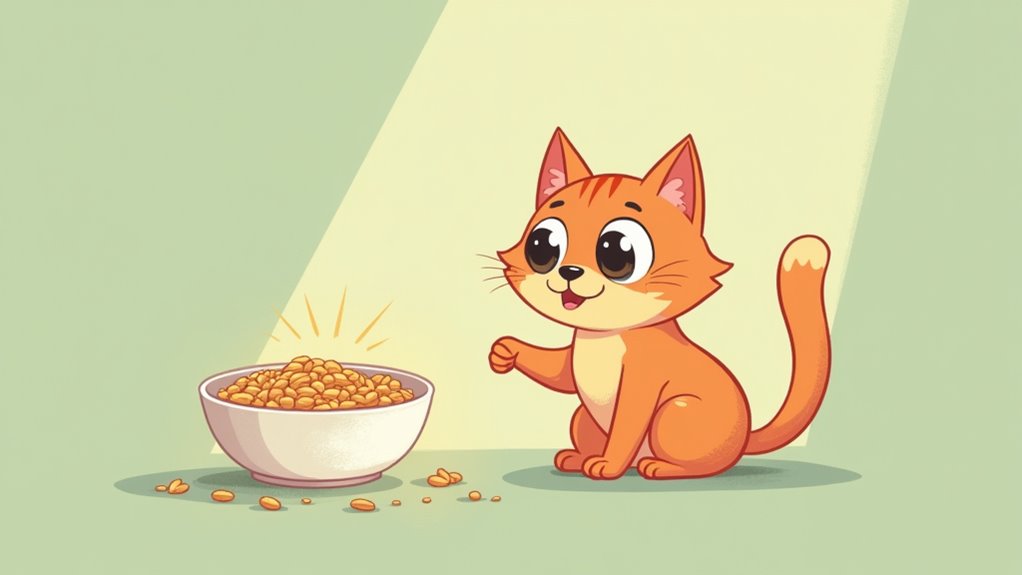
Feeding sesame seeds to cats can be safe and fun. Follow these guidelines to keep your cat healthy:
| Guideline | Details | Frequency |
|---|---|---|
| Safe Serving | Use plain seeds without any added flavors. | Once every 1-2 weeks. |
| Quantity | Serve a small pinch or a few seeds. | Keep it under 10% of their daily food. |
| Monitor Reaction | Watch for signs like vomiting or tiredness. | Stop if any symptoms appear. |
Introduce sesame seeds slowly to help your cat’s digestion. Some cats may love them, while others may not care. Always give fresh water after feeding. Brushing your cat’s teeth can help keep their mouth clean. Remember, moderation is very important!
Potential Health Risks of Sesame Seed Consumption
Sesame seeds may look like a fun treat for your cat, but they can pose health risks. Pet owners need to know about these dangers.
Digestive Issues
Cats find it hard to digest plant foods. This can lead to diarrhea or an upset stomach. Eating too many sesame seeds may cause laxative effects, worsening digestive problems.
Whole seeds can also choke your cat or get stuck in their throat. This is a bigger risk for older cats or those with dental issues.
Allergic Reactions
Some cats may have allergies to sesame seeds, though this is rare. Watch for signs like itching, redness, swelling, or stomach problems.
Always keep an eye on your cat after giving them new foods.
To keep your cat safe, look for better snack options that fit their diet. If you see worrying signs, take your cat to the vet right away. Keeping your furry friend healthy and happy is important.
Considerations for Sesame Seed Oil and Cats
Sesame seed oil can be good for your cat, but it’s important to use it wisely. It can help make your cat’s coat shiny and may act as a mild laxative. Yet, using the right amount is key.
Limit sesame oil to no more than half a teaspoon each week. Watch for any signs of tummy trouble, like vomiting or diarrhea. This is especially important for cats with sensitive stomachs.
Always talk to your vet before adding sesame oil to your cat’s diet, especially for young, elderly, or sick cats.
Sesame oil isn’t a substitute for balanced cat food. While it may help with digestion, too much can cause issues like pancreatitis or nutritional problems.
Keep your cat’s overall diet in mind. Any extra oil should help, not harm.
Better Alternatives for Cat Treats and Snacks
Finding better treats for your cat is important. Healthy snacks keep your furry friend happy. Skip the sesame seeds. Try natural options like cooked eggs or freeze-dried chicken. These are full of protein and nutrients without harmful additives. Additionally, nutritional needs of cats differ from humans, making it essential to choose appropriate treats.
Homemade treats work well too. Use real meat like boiled chicken or duck. This way, you know what your cat eats.
Here are some veggies and fruits that are safe for cats:
- Green Beans: Steam and cut them into small pieces.
- Pumpkin: Cook and puree it for good digestion.
- Apples: Peel and remove seeds. Serve in small amounts.
Limit treats to about 10% of your cat’s daily calories. This helps prevent obesity. Always check portion sizes and ingredients. Chicken gizzards offer a nutritious snack that complements a cat’s regular diet.
Your cat will love the tasty variety. You’ll feel great knowing you make healthy choices!
Frequently Asked Questions
Can Kittens Eat Sesame Seeds?
Kittens can eat sesame seeds, but it’s not the best choice. These seeds offer some benefits, but they don’t provide essential nutrients. Kittens need a balanced diet for healthy growth. Sesame seeds might upset their sensitive stomachs. Focus on meat-based treats for better nutrition. Meat provides the protein and vitamins kittens need to thrive. Always prioritize their health with proper food. Stick to what’s best for your furry friend!
Are Sesame Seeds Safe for Pregnant Cats?
Sesame seeds are not the best choice for pregnant cats. Focus on healthy food for your cat during pregnancy. Cats need a diet that meets their specific needs. Small amounts of sesame seeds might be okay, but it’s best to check with your vet first. This can help prevent any tummy troubles or nutritional problems. Always prioritize what keeps your cat safe and healthy.
What Should I Do if My Cat Eats Too Many Seeds?
Your cat may face digestive issues after eating too many seeds. Watch for signs like vomiting or diarrhea. Make sure your cat has fresh water to drink. It’s best not to feed your cat for several hours after this happens. If symptoms get worse, call your vet right away.
Keep in mind that proper nutrition is important for your cat. Limit treats and make sure they are safe. Always choose cat-friendly foods and avoid seeds that could be harmful. Your pet’s health is a priority.
Can Sesame Seeds Cause Allergies in Cats?
Sesame seed allergies can happen in cats. Watch for symptoms like itching, vomiting, or tiredness. These signs could mean your cat is having a reaction. It’s important to act quickly. Talk to your vet for help and advice. They can provide the right treatment options for your cat. Always keep an eye on your pet’s health. Quick action can make a big difference.
How Do I Introduce Sesame Seeds to My Cat?
Start by giving your cat one or two plain sesame seeds. Watch how they react. Sesame seeds have some benefits, but they don’t replace a cat’s regular diet. Use them sparingly. Too many may upset your cat’s stomach. Always prioritize their health. Offer seeds as a fun treat, not a meal. Keep an eye on your cat after giving seeds. If they enjoy it, you can try again later. Remember, moderation is key.
Conclusion
Sesame seeds are not toxic to cats. But they don’t provide much nutrition. They might also cause some issues. Think of it like a surprise. It might seem safe, but you don’t know what could happen.
Instead, give your cat better treats. Cooked chicken is a great option. You can also buy special cat treats. Always think about your cat’s health. Talk to your vet before adding new foods. Your cat deserves the best!
