
Can Cat Eat String Beans
This post contains affiliate links. As an Amazon Associate, we earn from qualifying purchases.
Cats can eat string beans, but it’s important to do so with care. Begin by offering your cat 1-2 small, cooked pieces to gauge their reaction. Limit servings to 4-5 chopped beans, 2-3 times a week to prevent digestive issues. String beans are a source of vitamins A, C, and K, as well as fiber for digestion. Always serve them plain and well-cooked. Keep an eye out for any allergies or stomach upset, and if your cat enjoys them, you’ll find additional tips for including string beans in their diet later in the article.
Essential Facts in 30 Seconds
- Cats can eat string beans in moderation; they are non-toxic but may cause digestive issues if overconsumed.
- Start with 1-2 small pieces of cooked, plain string beans to assess your cat’s tolerance.
- Limit servings to 4-5 chopped string beans, 2-3 times per week, avoiding any harmful additives.
- String beans provide vitamins A, C, and K, and contain soluble fiber for digestive health.
- Monitor your cat for any signs of allergies or discomfort after introducing string beans.
Safety of String Beans for Cats
String beans can be a fun treat for your cat. They may offer some benefits, but you need to be careful. Cats have sensitive stomachs. Eating too many string beans can cause vomiting or diarrhea. Cats don’t digest vegetable fibers well. Start with just 4-5 chopped beans.
Watch for any signs of allergies after the first time. Look for itching or swelling. If you see these signs, stop giving string beans and talk to your vet right away. It’s important to note that not all vegetables are safe for cats, so always research before introducing new items.
Always choose plain, cooked string beans. Avoid processed or seasoned beans. These can have harmful additives.
Keep string beans to no more than 10% of your cat’s daily food. This helps keep your cat healthy and happy. String beans are generally safe for cats to eat in moderation, making them a viable snack option.
Nutritional Benefits of String Beans for Cats
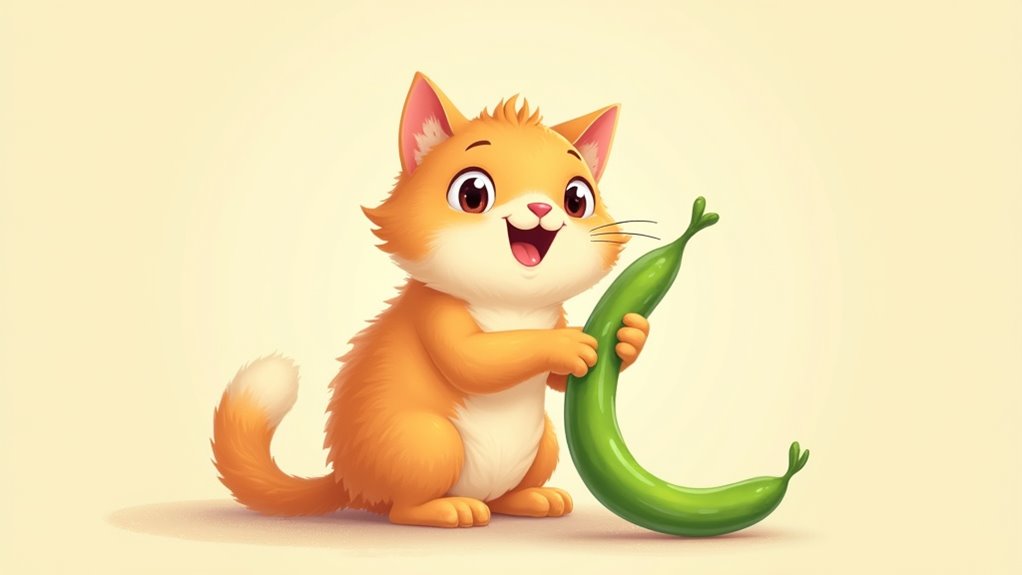
String beans are great for your cat’s health. They’re full of important vitamins and minerals. These include vitamins A, C, and K. Each vitamin plays a special role.
Vitamin A helps with vision. Vitamin C boosts the immune system. Vitamin K is good for strong bones.
String beans also have soluble fiber. This fiber aids digestion. A healthy gut is key for your cat’s well-being.
Giving your cat string beans can support overall health. They’re a tasty treat and a nutritious choice. Keep your furry friend happy and healthy with string beans!
Essential Vitamins and Minerals
String beans provide many vitamins and minerals that are good for your cat’s health. These nutrients help your cat absorb other nutrients and improve their overall well-being.
| Vitamin/Mineral | Benefit | Sources in String Beans |
|---|---|---|
| Vitamin A | Supports vision and immune system | Found in high amounts |
| Vitamin C | Aids in tissue repair | Acts as an antioxidant |
| Calcium | Strengthens bones and teeth | Contains important minerals |
| Iron | Helps with oxygen transport | Necessary for energy |
| Magnesium | Regulates nerve function | Important for enzyme activity |
These vitamins and minerals help keep your cat’s immune system strong and promote bone health. Adding string beans to your cat’s diet can be very beneficial.
Digestive Health Support
Adding string beans to your cat’s meals can boost their digestive health. These beans are packed with fiber, which helps your cat’s digestion in several ways.
Soluble fiber in string beans can ease constipation and help with diarrhea. It makes loose stools firmer.
To help your cat enjoy string beans safely, follow these tips:
- Start with a small amount, like 1-2 tablespoons. Watch how your cat reacts.
- Increase the amount slowly if your cat likes them.
- Cook and chop string beans to avoid choking risks.
Including string beans in your cat’s diet may help prevent digestive issues. This could mean less need for medication.
Always talk to your vet before making changes to your cat’s diet.
Feeding Guidelines and Recommended Quantities
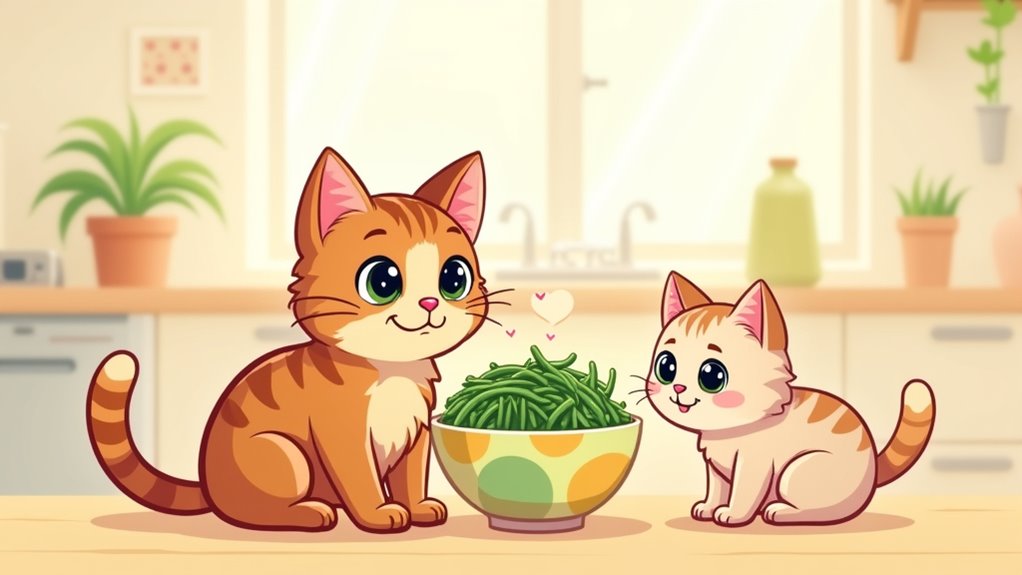
Feeding your cat string beans can be a healthy choice. Start with small amounts, like 1 to 2 teaspoons of cooked, plain string beans. This lets you see how your cat reacts. Green beans are rich in vitamins that can benefit your cat’s health.
Keep the total amount to about 1 to 2 tablespoons each day. This helps prevent digestive issues.
Serve string beans 2 to 3 times a week. Treat them as a fun snack, not a regular food.
Always cook the beans, cut them into small pieces, and make sure they’re at room temperature. This keeps your cat safe from choking.
Watch how your cat digests the beans. Excess fiber can lead to digestive issues in cats, so change the portion size based on your cat’s weight and health. This ensures your cat stays happy and healthy!
Risks and Precautions When Feeding String Beans
Feeding string beans to your cat can be safe with the right care. String beans aren’t toxic, but they may upset your cat’s stomach. This can lead to vomiting or diarrhea.
To keep your cat safe, follow these simple tips:
- Start with 1-2 small pieces. Watch how your cat reacts.
- Limit servings to 4-5 chopped string beans, twice a week.
- Always cook string beans. This makes them softer and safer to eat.
- Serve plain string beans. Skip salt, oils, or any harmful ingredients like garlic.
- Keep an eye on your cat. Look for signs of allergies or a tummy ache after eating.
Preferences and Consumption Behavior of Cats
Cats can have strong likes and dislikes for string beans. Some cats enjoy raw beans. They love the crunchy texture.
Others prefer cooked beans. Soft cooked beans are easier to eat, especially for cats with dental problems.
Watch your cat closely. Some will nibble on veggies, while others might just play with them. Each cat has its own taste.
Some might ignore veggies entirely. It’s all about finding what your cat enjoys.
Raw vs. Cooked Preference
Cats have clear choices between raw and cooked string beans.
Raw string beans can be tough. They may pose a choking risk, especially for cats with dental problems. Chewing them can be hard. This makes raw beans difficult to digest too.
On the other hand, cooked string beans are softer. They’re easier for cats to chew and digest. Cooking also brings out better flavor and aroma. Cats usually find cooked beans more appealing.
Some cats might enjoy the crunch of raw beans. Yet, plain cooked string beans are safer and healthier. Always serve beans without any additives for your cat’s safety.
Individual Taste Variation
Cats have unique taste preferences. These preferences affect their acceptance of foods like string beans. Each cat’s taste is influenced by genetics and biology.
Cats need protein. Their natural diet focuses on meat. This makes them less interested in plant foods like string beans.
Some cats may enjoy the taste or feel of string beans. Others may refuse to eat them. To introduce string beans, add them to their meals slowly.
Watch for signs of rejection or stomach issues. If your cat doesn’t show interest, stick to their favorite protein sources. This ensures they get a balanced diet.
Dental Health Considerations
String beans can be a great addition to your cat’s diet. Their crunchy texture may help clean your cat’s teeth. This can reduce plaque and tartar buildup. A clean mouth means a lower risk of dental disease.
Many cats swallow dry food without chewing. This limits the cleaning effect of crunchy treats. For cats with dental problems, softening string beans can help. It makes them easier to eat and reduces pain.
Mixing crunchy treats with softer foods may benefit your cat’s dental health. Watch how your cat chews. Adjusting food texture can help manage early signs of dental issues.
Always prioritize your cat’s dental health. A healthy mouth leads to a happy life!
Summary on String Beans in a Cat’s Diet
String beans can be a fun treat for your cat. They’re low in calories and have important vitamins and minerals. These nutrients can help your cat stay healthy. Remember, cats need meat to thrive. String beans shouldn’t replace their main food.
Here are some key points:
- Nutritional Benefits: String beans have vitamins A, C, and K. They also contain fiber, which helps with digestion.
- Preparation: Cook or steam string beans to make them easier to digest. Don’t add any seasonings.
- Moderation: Give small amounts at first. Watch for any bad reactions.
- Hydration: Always provide fresh water. It helps keep your cat’s urinary system healthy.
Think of string beans as a tasty addition to your cat’s diet. Use them sometimes and in small amounts. They can help with weight control but should always go with meat-rich food.
Frequently Asked Questions
Can String Beans Replace Meat in a Cat’s Diet?
String beans cannot replace meat in a cat’s diet. Cats need meat for their health. Meat provides essential protein and nutrients. One important nutrient is taurine. Without taurine, cats can face serious health issues. String beans do have some vitamins, but they are not enough for cats. A balanced diet for cats should always include meat. It’s best to stick with cat food designed for their needs.
Are Frozen String Beans Safe for Cats?
Frozen string beans are safe for cats, as long as they are unseasoned. They provide fiber and vitamins, which help with digestion and overall health. Make sure the beans are cooked well. This makes them easier to digest and safer for your cat. Always chop them into small pieces to avoid choking. Introduce string beans slowly to see how your cat reacts. A little treat can be a fun addition to their diet!
How Should I Prepare String Beans for My Cat?
Steam or cook string beans to make them soft. Offer four to five beans to your cat now and then. Keep this as a treat. Ensure beans do not make up more than 10% of your cat’s daily calories. This helps keep your furry friend safe and healthy. Always wash the beans first. Avoid adding salt or spices. Cats enjoy a tasty snack, and string beans can be a healthy choice.
Do All Cats Like String Beans?
Not all cats enjoy string beans. Each cat has its own tastes. Some cats like the crunch of a fresh bean. Others may prefer softer, cooked beans. Some cats simply don’t like them at all.
Cats are unique. They have different experiences and preferences. It’s important to pay attention to what your cat likes. Try offering a small piece of string bean. Watch their reaction. You’ll learn what they enjoy.
Can String Beans Cause Allergies in Cats?
String bean allergies in cats are rare, but they can happen. Some cats may have food sensitivities. Watch your cat closely after giving them new foods. Look for signs of discomfort or allergy. Symptoms may include vomiting, diarrhea, or itching. If you notice these signs, stop feeding them string beans. Always consult your vet for advice. Keeping your cat healthy is important.
Conclusion
String beans can be a crunchy treat for cats. They offer some nutrients too. Always give them in moderation. A small amount, like one or two beans, is best. Watch how your cat reacts. Not all cats will like them, so pay attention to their taste. Safety is important. If unsure, ask your vet. A few string beans can add variety to your cat’s diet, but balance is key.
