
Can Cat Eat Tomatoes
This post contains affiliate links. As an Amazon Associate, we earn from qualifying purchases.
Cats can consume tomatoes, but it’s important to proceed with caution. While ripe tomatoes are less toxic, they can still lead to stomach upset, resulting in vomiting or diarrhea. If you decide to share a tomato with your cat, offer only a small, peeled piece—about the size of your thumb—and make sure to avoid the leaves and stems. Keep an eye out for any adverse reactions. For those interested in more details on how to safely prepare tomatoes for your furry friend, further information will be provided later in the article.
Essential Facts in 30 Seconds
- Cats can eat ripe tomatoes in small amounts as an occasional treat.
- Only serve fully ripe tomatoes, avoiding unripe ones, leaves, and stems due to toxicity.
- Remove seeds and skin from tomatoes to aid digestion and reduce gastrointestinal issues.
- Signs of toxicity include vomiting, diarrhea, and excessive drooling; consult a vet if these occur.
- Monitor your cat for adverse reactions or digestive upset after feeding tomatoes.
Understanding Tomato Toxicity in Cats
Tomatoes are popular in many meals, but they can be dangerous for cats. Certain parts of the tomato plant contain harmful substances called tomatine and solanine. These toxins are mainly in the leaves, stems, and unripe green tomatoes. Ripe tomatoes pose a lower risk, but even small amounts of tomatoes can lead to gastrointestinal issues in cats.
Signs of toxicity in cats include:
- Excessive drooling
- Loss of appetite
- Vomiting or diarrhea
- Weakness or sleepiness
To keep your cat safe, avoid letting them near tomato plants. Check your garden and home carefully for any plants.
If you think your cat has eaten toxic parts, contact your vet right away. Acting quickly can help reduce the risks. Always watch over your furry friend to prevent serious health issues related to tomatoes. Additionally, remember that small amounts of ripe tomato may not harm most cats, but some may be sensitive.
Safety of Ripe Tomatoes for Feline Consumption
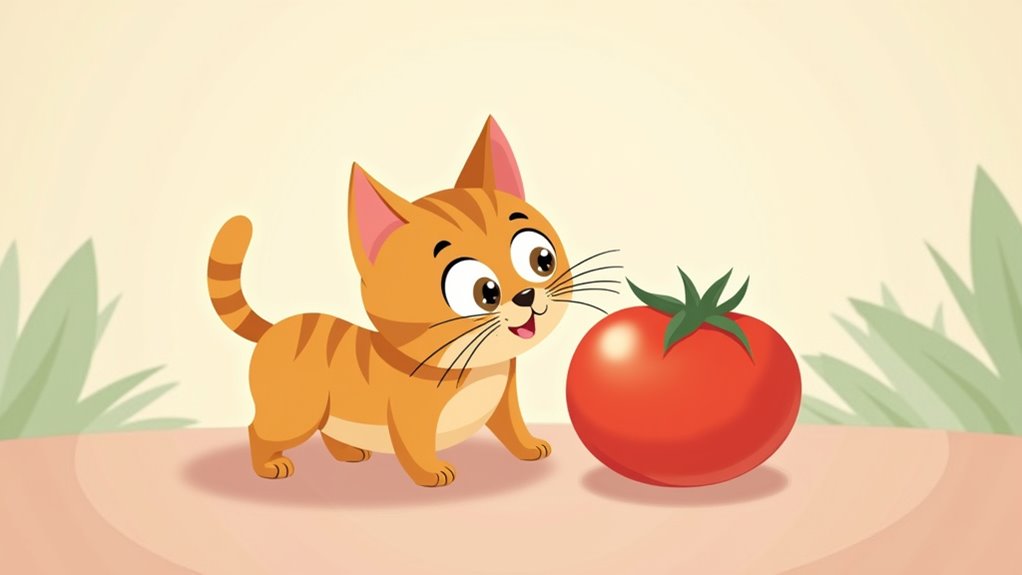
Giving your cat ripe tomatoes can be safe with care. Ripe tomatoes have vitamins A, C, and K. They also provide hydration because of their high water content. Only serve fully ripe tomatoes and do it in small amounts. Too much can cause problems.
Here’s a simple guide for safe serving:
| Guideline | Details |
|---|---|
| Ripe Only | Only serve fully ripe tomatoes. |
| Small Portions | Offer a piece the size of your thumb. |
| Remove Seeds & Skin | Take out seeds and skin to help digestion. |
| No Sauces | Stay away from tomato products like ketchup. |
| Monitor Cat | Watch for any bad reactions. |
Follow these tips to keep your cat safe and healthy.
Digestive Effects of Tomatoes on Cats
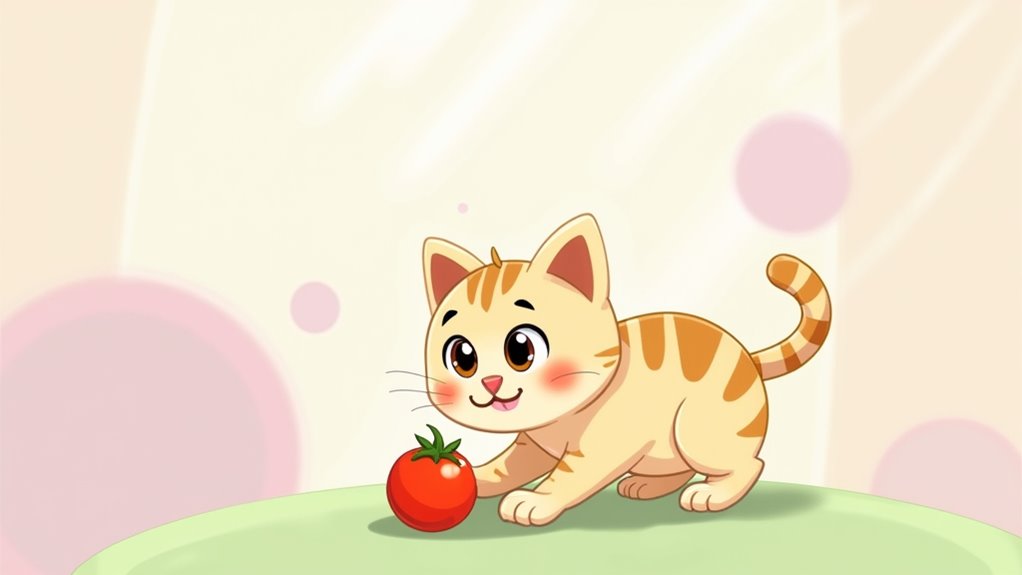
Cats can have digestive problems from eating tomatoes, even ripe ones. Small amounts may be okay, but too many can cause nausea, vomiting, or diarrhea. Cats mainly eat meat. Their bodies struggle with plant foods like tomatoes.
Key Points:
- Healthy Adult Cats: They usually handle ripe tomatoes better than kittens or older cats.
- Watch for Symptoms:
- Vomiting
- Diarrhea
- Stomach pain
- Loss of appetite
Cats don’t have the right enzymes to digest tomato fiber well. Eating too many can upset their stomachs. If your cat shows any signs of distress, call your vet.
Keep your cat’s health first. Cats prefer meat, so be careful with tomatoes.
Risks Associated With Tomato Plant Parts
Cats face serious risks from tomato plant parts. Tomato leaves, stems, and unripe fruits contain toxic compounds. Solanine and tomatine are the main toxins found in these parts. Eating them can lead to nausea, vomiting, and lethargy.
Here’s a quick look at toxicity levels:
| Tomato Part | Toxicity Level | Common Clinical Signs |
|---|---|---|
| Unripe Green Fruit | High (up to 500 mg/kg) | Vomiting, diarrhea |
| Leaves | High | Excessive drooling, weakness |
| Stems | High | Loss of appetite, tremors |
| Ripe Red Tomato | Low (around 5 mg/kg) | Typically safe, mild symptoms |
Understanding these risks is important. Tomato plants protect themselves from pests, but they can harm your cat. Always keep an eye on your cat around tomato plants. Seek veterinary help if you think your cat has eaten something harmful.
Recommendations for Feeding Tomatoes to Cats
Feeding tomatoes to cats can be tricky. Keep it safe by giving tomatoes as an occasional treat. Limit the serving size to one or two small slices of ripe, peeled tomato. Always remove the green stems and leaves since they’re toxic.
Here’s how to prepare tomatoes for your cat:
- Choose Ripe Tomatoes: Pick fully ripe, red tomatoes.
- Wash and Peel: Clean them well and peel to lower fiber.
- Cut into Small Pieces: Dice the tomato to prevent choking.
- Watch for Reactions: Look out for any signs of upset stomach, like vomiting or diarrhea.
Stop feeding tomatoes if your cat has any problems and talk to your vet.
Frequently Asked Questions
Can Kittens Eat Tomatoes Safely?
Kittens cannot safely eat tomatoes. Their tummy systems are not made for tomatoes. Even tiny bites can hurt them. Tomatoes can be toxic to kittens. It’s important to feed them a good diet. Look for high-quality cat food rich in protein. This helps them grow strong and healthy. Always choose food made for kittens. Avoid giving them any fruits or vegetables that can harm them. Stick to safe options to keep your furry friend happy.
How Much Tomato Is Too Much for a Cat?
Moderation is important for your cat’s diet. A tiny bite of tomato is safe. Too much can cause tomato toxicity, which is harmful. Signs of toxicity include vomiting, diarrhea, and lethargy. Always keep portions small. This way, your cat stays healthy and happy. Remember, not all foods are safe for pets. Always check what’s safe before sharing. Your furry friend deserves the best care!
Are There Any Benefits of Tomatoes for Cats?
Tomatoes provide very few benefits for cats. They have some nutrients, but cats cannot digest them well. Felines need specific diets to thrive. It’s best to focus on high-quality cat food that meets their nutritional needs. Cats are obligate carnivores. This means they primarily need meat. Stick to foods made for cats to keep them healthy and happy.
Can Dried Tomatoes Be Fed to Cats?
Dried tomatoes are not safe for cats. They contain concentrated nutrients that can be harmful. Feeding your cat dried tomatoes can pose serious health risks. Cats need a balanced diet, and dried tomatoes do not provide that. Healthier alternatives are available that meet their dietary needs better. Stick to cat food designed for them. It’s the best choice for your furry friend.
What Should I Do if My Cat Eats Tomato Leaves?
Tomato leaves are toxic to cats. If your cat eats them, you need to act fast. Contact a vet right away. Even a small bite can cause poisoning. Symptoms can include drooling, vomiting, and weakness. Quick help can prevent serious health problems. Stay calm and keep a close eye on your cat. Time is important in these situations. Always keep tomato plants out of reach to avoid this risk. Your cat’s safety matters.
Conclusion
Ripe tomatoes are not poisonous to cats, but they can upset their stomachs. They have some nutrients, but they can also cause digestive issues. Green tomatoes and any plant parts are toxic to cats. Always keep these away from your pet. If you want to give your cat a small piece of ripe tomato, do so carefully. Watch for any signs of trouble after they eat it. It’s best to be cautious about your cat’s health.
