
Can Eating Cat Poop Kill a Dog
This post contains affiliate links. As an Amazon Associate, we earn from qualifying purchases.
Eating cat poop can pose serious health risks to dogs, potentially leading to harmful infections and diseases. Immediate veterinary care is crucial if your dog shows symptoms like vomiting or diarrhea. For those interested in a deeper understanding, further explanations and supporting details will follow, including prevention tips to keep your dog safe and healthy. Regularly cleaning litter boxes and training your dog to avoid cat feces are effective strategies to minimize risks.
Essential Facts in 30 Seconds
- Eating cat poop can cause serious infections like toxoplasmosis in dogs.
- Dogs may suffer from gastrointestinal issues such as vomiting and diarrhea after eating cat feces.
- Puppies, pregnant dogs, and dogs with weakened immune systems are more at risk for severe complications.
- Ingesting litter with feces can lead to digestive blockages, requiring immediate veterinary care.
- Keeping litter boxes out of reach can help prevent health problems in dogs.
Understanding the Risks of Cat Feces to Dogs
Understanding the risks of cat feces is very important for your dog’s health. Dogs often explore and may eat cat poop due to their curious nature. This can lead to serious health problems. Cat feces can contain harmful agents like *Toxoplasma gondii*, which causes toxoplasmosis. Even a healthy-looking cat can produce feces with dangerous bacteria and parasites.
Eating cat feces can upset your dog’s stomach. This may cause vomiting, diarrhea, and dehydration. Puppies, pregnant dogs, and those with weak immune systems face the highest risks.
Also, litter mixed with feces can block your dog’s digestive system. This blockage may require urgent veterinary help.
To keep your dog safe, make sure litter boxes are out of reach. Clean them often to reduce risks. Watch for any signs of illness in your dog.
Common Parasites and Diseases Transmitted From Cats
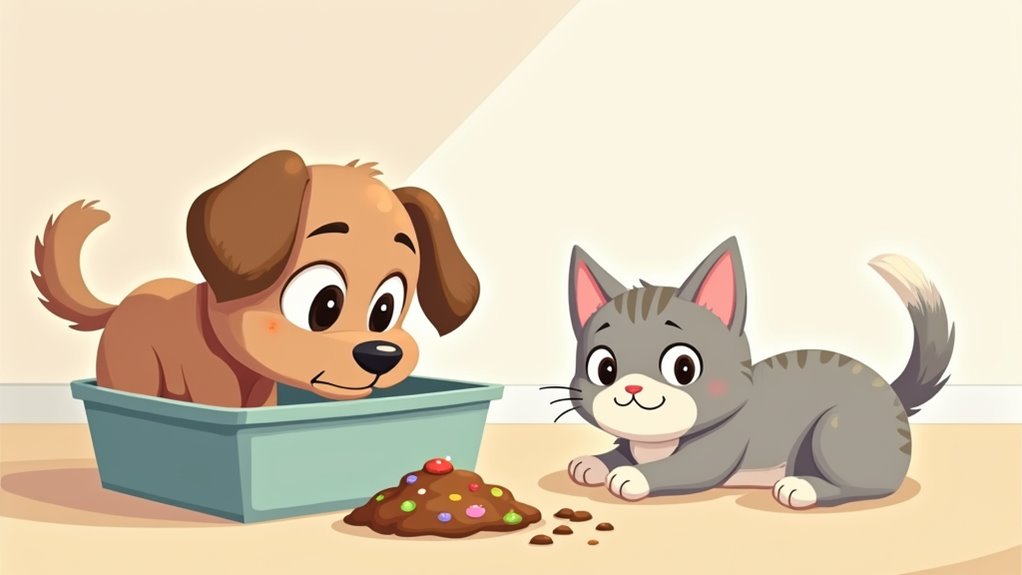
Cats can seem harmless, but they can carry parasites and diseases that can harm dogs. Dogs may get sick if they eat cat feces.
Here are some common issues to watch out for:
- Roundworms: These parasites can make dogs lose weight and have diarrhea.
- Coccidia: This protozoan causes vomiting and dehydration, especially in young dogs.
- Giardia: Another harmful protozoan, it spreads through dirty water and can affect both dogs and humans.
- Ringworm: This fungal infection is very contagious. It can cause bald patches on dogs.
Knowing how these parasites live and spread is important. Regular vet visits help keep your dog safe.
Fecal tests and treatments can stop the spread of these infections. Keeping dogs away from cat waste is a simple way to protect their health.
Symptoms of Infections in Dogs From Cat Feces
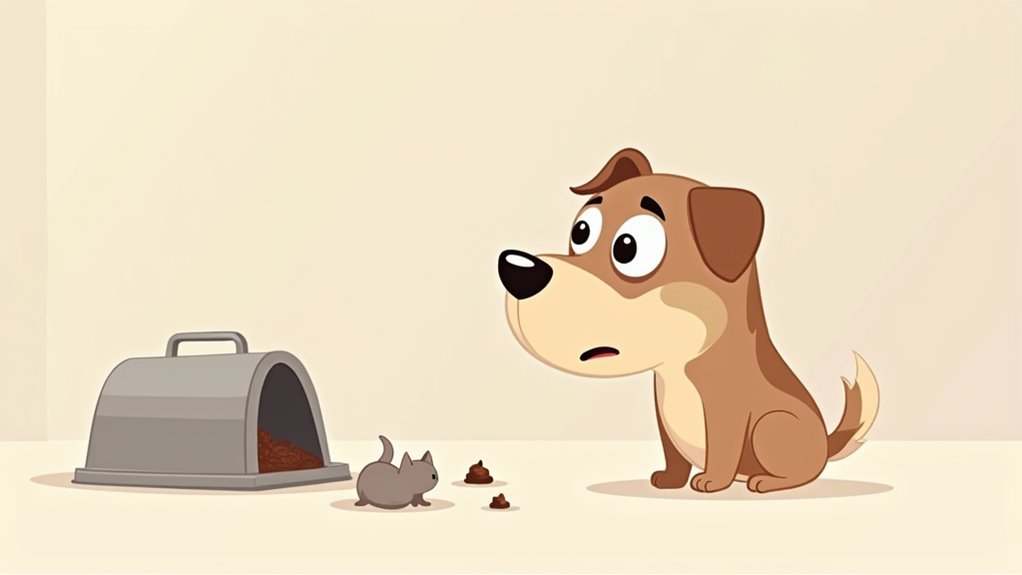
Ingesting cat feces can lead to serious infections in dogs. It’s important to know the symptoms early. Here are some signs to watch for:
| Symptom | Description | Infection Severity |
|---|---|---|
| Fever and Malaise | High temperature, tiredness, no appetite | Shows a systemic infection |
| Gastrointestinal Issues | Diarrhea, vomiting, stomach pain | Indicates gut involvement |
| Neurological Signs | Coughing, seizures, trouble walking | Shows severe infection spread |
Watch for fever and malaise along with gastrointestinal issues. These signs help assess how serious the infection might be. Neurological signs, like seizures, are very concerning. They need immediate attention. Recognizing these symptoms quickly can improve treatment outcomes. If your dog shows any of these signs, see a veterinarian right away. Quick care can help prevent serious problems.
Prevention Strategies to Protect Dogs From Cat Feces
To keep your dog safe from cat feces, use smart prevention strategies. Follow these tips to protect your furry friend:
- Select the Right Litter Box: A covered or top-entry litter box can keep dogs away while letting cats in easily.
- Place Wisely: Put litter boxes in areas dogs can’t reach. Use baby gates or special latches for cat access.
- Clean Regularly: Scoop the litter box at least twice a day. This reduces smells and keeps your dog uninterested.
- Train Your Dog: Teach commands like “leave it.” This helps stop your dog from going near cat feces.
These steps help keep your dog healthy and safe from potential dangers.
Treatment Options for Dogs Infected by Cat Feces
A dog infected by cat feces needs quick treatment. Follow these steps for the best chance of recovery.
Medication Options
- Clindamycin hydrochloride: Give 10–12.5 mg/kg by mouth, twice daily for 2 to 4 weeks.
- Combination therapy: Use pyrimethamine (0.25–0.5 mg/kg) with sulfonamides (30 mg/kg) twice daily for 2 to 4 weeks.
- Trimethoprim-sulfamethoxazole: Give 15 mg/kg by mouth every 12 hours for 4 weeks.
- Azithromycin: Administer 10 mg/kg by mouth once daily for 4 weeks.
Supportive Care
- Offer IV fluids to keep your dog hydrated.
- Watch for any signs of neurological issues. You may need anti-seizure medications.
Diagnosis and Monitoring
- Use blood tests to confirm the infection.
- Check symptoms and how well the medication works. Adjust treatment if needed.
Acting quickly can lead to a good outcome. Don’t wait!
Frequently Asked Questions
Can a Dog Die From Eating Cat Feces?
A dog can get very sick or even die from eating cat poop. This is because cat feces can carry harmful parasites and bacteria. Healthy dogs might be okay, but puppies or dogs with weak immune systems are at higher risk. They can catch infections more easily. Symptoms of illness can include vomiting, diarrhea, or loss of appetite. It’s important to keep an eye on your dog and discourage this behavior. Regular vet check-ups can help keep your dog healthy. Always clean up after your pets to prevent this risky habit.
How Quickly Can Symptoms Appear in Dogs After Ingestion?
Symptoms in dogs can show up within hours or a few days after they eat something harmful. Usually, vomiting kicks in within 12 to 24 hours. Other signs might take longer to appear. This delay can depend on the dog’s health and what they ate. Always monitor your dog closely after they ingest something suspicious. Early detection can help in getting the right treatment.
Are Certain Dog Breeds More Susceptible to Infections From Cat Feces?
Certain dog breeds have a higher chance of getting sick from cat feces. Breeds that are already vulnerable may face even more risks. Puppies with weak immune systems are also at greater risk. Some genetic traits make them more susceptible to infections.
It’s important to keep an eye on these dogs. Limit their contact with cat waste. Clean litter boxes regularly to help protect them. Always consult with a vet if you notice any signs of illness. Keeping your dog healthy is vital for their happiness.
Is There a Specific Season When Risks Are Higher?
Spring and summer bring higher risks for pets. More outdoor activities happen during these seasons. This leads to increased exposure to parasites and bacteria. Dogs may come across more cat feces. Fecal contamination can cause serious health issues. Owners should be alert during these months. Regular vet check-ups can help keep pets healthy. Proper hygiene is also essential. Clean up after pets and avoid areas with feces. Being cautious helps protect your furry friends.
Can Dogs Develop Immunity Against Parasites From Cat Feces?
Dogs do not build strong immunity against parasites from cat poop. They might develop some resistance, but it is not enough. Regular exposure can still lead to infections. This is especially true for puppies or dogs with weak immune systems. It is important to keep dogs away from areas that may be contaminated. Always watch where your dog roams. Keeping them safe helps prevent health problems. Remember, prevention is key. Taking these steps keeps your furry friend healthy and happy.
Conclusion
Eating cat poop can harm your dog. Many people think it’s okay, but it’s not. Cat feces can carry nasty germs and parasites. These can lead to serious infections in dogs.
Watch for signs like vomiting, diarrhea, or tiredness. If your dog shows any of these, call your vet right away.
Keeping your yard clean helps a lot. Pick up cat waste quickly. Always keep an eye on what your dog eats. Your dog’s health is important. Be careful and protect them from these dangers.
