cat health

  • Can Cat Eat Pepperoni

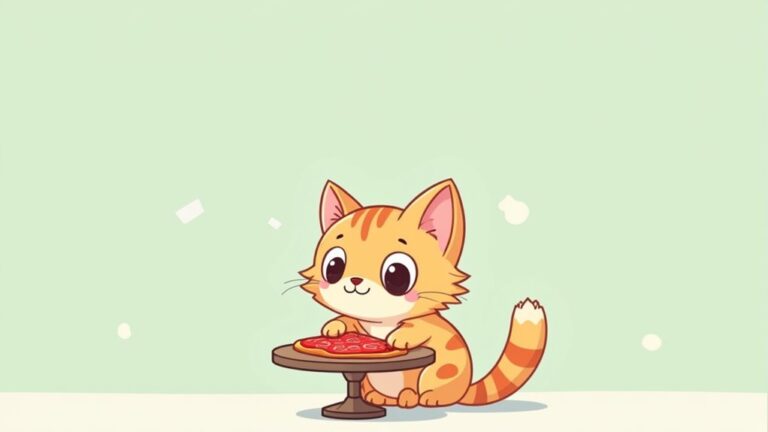
    Cats should not eat pepperoni. It’s very high in fat and salt. This can cause serious health problems. Obesity and pancreatitis are major concerns. Just one ounce of pepperoni has about 500 mg of sodium. A cat only needs about 40 mg of sodium each day.

    Pepperoni also often contains harmful spices. Garlic and onion can make cats sick. Symptoms may include vomiting and tiredness.

    Instead, give your cat safer treats. Cooked chicken is a great option. Freeze-dried fish is another tasty choice. These are healthier and better for your cat’s health. Always choose safe foods for your furry friend.
  • Can Cat Eat Pecans

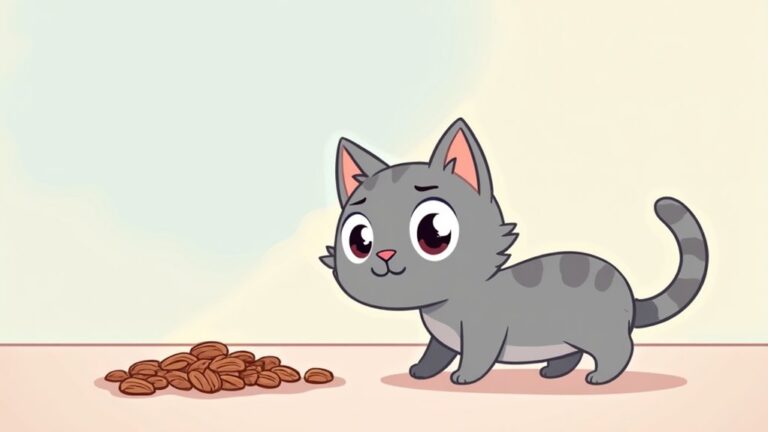
    Pecans are not safe for cats. They can cause serious health problems. Moldy pecans can lead to seizures. Salted pecans may cause kidney failure. Whole nuts can choke cats and cause blockages. Symptoms include vomiting, diarrhea, and bloating.

    Offer pecans very rarely and avoid flavored ones. Better treats for cats include cooked chicken and carrots. It’s important to keep your cat safe. Always check what foods are good for them.

  • Can Cat Eat Parsley

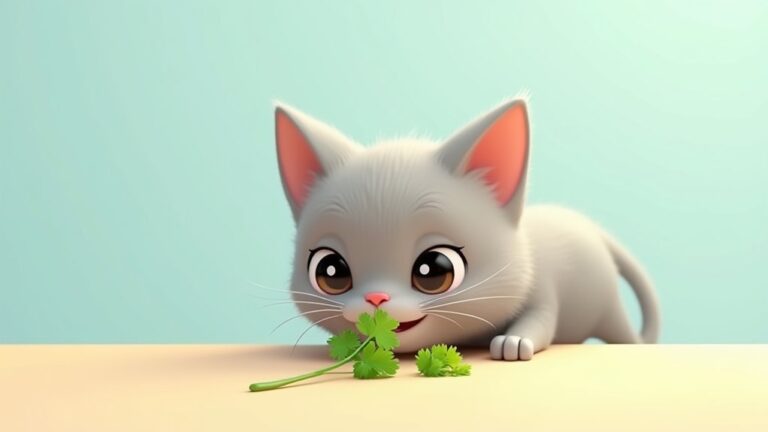
    Cats can eat parsley, but be careful. Use only fresh flat-leaf parsley. Curly and spring parsley can be harmful to cats. Limit the amount to one or two teaspoons each day. Too much parsley may cause vomiting or diarrhea. Watch for signs of allergies, like itching or redness. If your cat has kidney problems, avoid parsley entirely.

    Parsley has some health benefits. It contains vitamins and antioxidants. Some cats may enjoy the taste. Always introduce new foods slowly. Check with your vet before adding herbs to your cat’s diet. This way, you keep your furry friend safe and healthy. Want to learn about other safe herbs for cats?

  • Can Cat Eat Onions

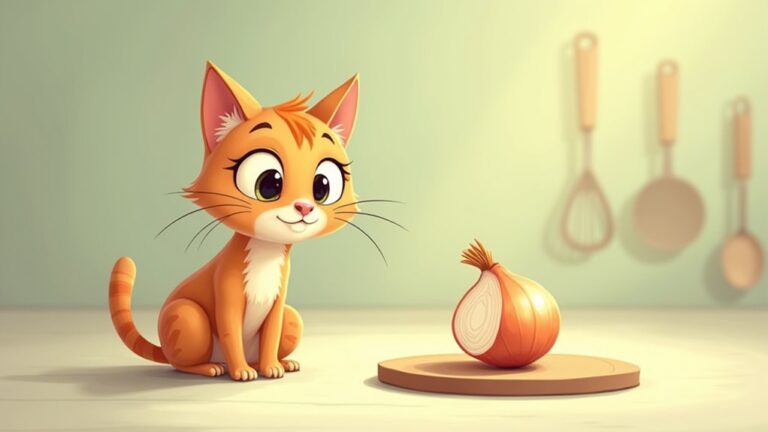
    Cats cannot eat onions. Onions are very dangerous for them. Even a tiny amount can cause harm. Just 5 grams of onion per kilogram of your cat’s weight is enough to be harmful.

    Onions hurt red blood cells. This can lead to a serious condition called hemolytic anemia. Watch for signs like vomiting, diarrhea, or weakness. These symptoms can show up within hours or even days after eating onions.

    If your cat eats onions, seek help from a vet right away. Quick treatment can prevent serious health issues. Keep your cat safe by learning how to avoid onion exposure. Know the signs of poisoning to act fast. Your cat’s health is important.

  • Can Cat Eat Olives

    Feeding olives to your cat can be dangerous. Olives have fats that can be good, but they also contain a lot of salt. Pickled olives, in particular, can cause sodium poisoning. Symptoms include vomiting and increased thirst. Always take out the pits. They can cause choking. Stay away from olives soaked in brine or stuffed with harmful ingredients like garlic. If you want to give your cat olives, choose plain, unsalted ones. Remember to offer them only in small amounts. Olives might even change how your cat acts. There’s plenty to learn about this topic.

  • Can Cat Eat Olive Oil

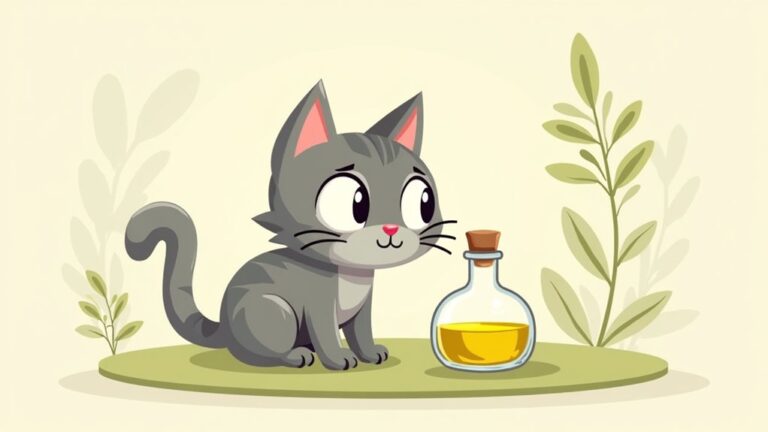
    Cats can eat olive oil, but only in small amounts. This oil can help with digestion and keep their skin healthy. A good rule is to give about 1 teaspoon for every 5-10 pounds of your cat’s weight. Do this two to three times a week. Use high-quality extra virgin olive oil. Mixing it into their food is best.

    Watch for side effects, like diarrhea or allergies. Some cats might not like it. Olive oil does not have all the fatty acids cats need. It should not replace their regular food. Keep this in mind for a happy and healthy cat!

  • Can Cat Eat Nutella

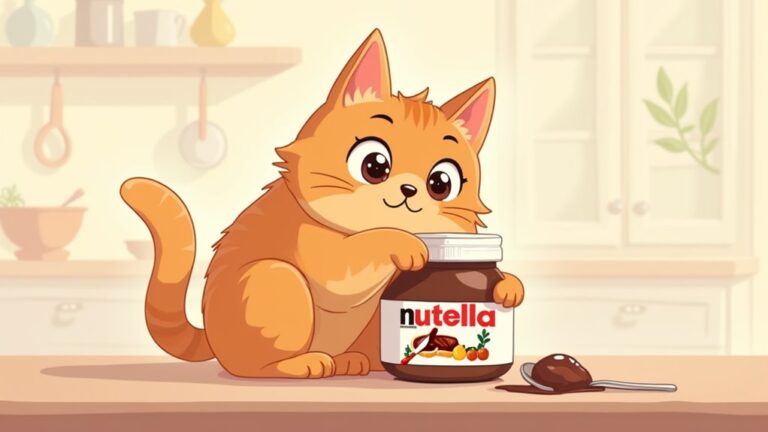
    Cats should not eat Nutella. Nutella has cocoa, which contains theobromine. This substance is toxic to cats. Even small amounts can cause serious health problems. Nutella is also high in fat. This can lead to pancreatitis in cats. Symptoms include vomiting, diarrhea, and tiredness. These signs may appear within 1 to 6 hours after eating.

    Instead of Nutella, give your cat safe treats. Cooked chicken or plain tuna are good options. Keeping your cat safe is important. There are many healthy treats available. Explore different choices for your furry friend!

  • Can Cat Eat Mozzarella Cheese

    Cats should not eat mozzarella cheese. Most adult cats cannot digest lactose well. This sugar is found in mozzarella. Eating it can make cats sick. They might have diarrhea, vomiting, or stomach pain. These symptoms can happen 8-12 hours after eating.

    If you want to give your cat cheese, keep it small. Only provide a tiny bit, about 5% of their daily food. Hard cheeses have less lactose, so they are a better choice. Always watch your cat for bad reactions after eating cheese. Remember, your cat’s health is the most important thing to consider.

  • Can Cat Eat Mint Leaves

    Mint leaves can harm your cat. Cats don’t have a specific liver enzyme. This makes them sensitive to mint. Symptoms of mint poisoning include vomiting, diarrhea, and drooling. Peppermint oil is particularly dangerous.

    To keep your cat safe, avoid all types of mint. This includes mint products. If your cat eats mint, contact your vet right away.

    Looking for safer herbs for your cat? There are plenty of options! Always check what is safe before offering new foods. Your pet’s health is important, so stay informed!

  • Can Cat Eat Milk

    Most adult cats cannot digest milk well. They lack the enzyme called lactase. This can cause gas, cramps, and vomiting. Symptoms may show up 8 to 12 hours after they drink milk.

    Regular cow’s milk is not a good choice. Instead, look for lactose-free options or special cat milk. These products are safer for your furry friend. Always talk to your vet before changing your cat’s diet.

    Taking care of your cat’s health is important. Explore safe milk alternatives to keep your cat happy and healthy.

  • Can Cat Eat Mice Whole

    Cats can eat mice whole. This can be good and bad. Whole mice give cats protein and important nutrients. But mice may also have parasites and harmful bacteria like Salmonella. Some mice carry poison which can make your cat very sick.

    For your cat’s safety, use interactive toys. Always choose food approved by your vet. Watch for any strange signs if your cat eats a mouse. Keep your feline healthy and happy!

  • Can Cat Eat Mayo

    Mayonnaise is not safe for cats. It has a lot of fat, which can upset their stomachs and cause weight gain. For every 100 grams, there are about 75 grams of fat and 680 calories. Cats struggle to digest this much fat. Some mayonnaise also contains ingredients like garlic and onion powder. These can be harmful to cats in large amounts.

    Cats should eat safe human foods instead. Cooked meats, like chicken or turkey, are good choices. They provide the nutrients cats need without the risks of mayonnaise. Always check what foods are safe for your furry friend. Your cat’s health is important!