cat nutrition

  • Can Cat Eat Raw Chicken Liver

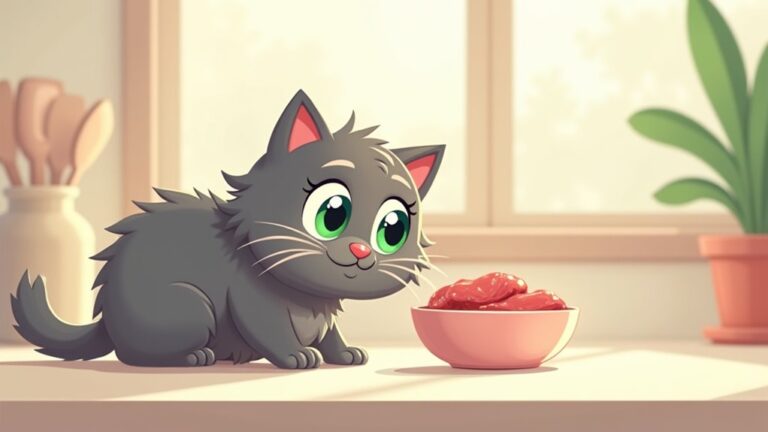
    Cats can eat raw chicken liver. It is a tasty treat and very nutritious. Chicken liver is full of vitamins A and B, plus protein. This makes it good for your cat’s health.

    Keep chicken liver to only 5% of their diet. Too much can cause vitamin A toxicity. Some cats may have sensitive stomachs. Watch for vomiting or diarrhea. This is especially true for older cats.

    Always serve fresh chicken liver. Cut it into small pieces for safety. This makes it easier for your cat to eat.

    For more tips on cat feeding and balanced diets, keep reading!
  • Can Cat Eat Raw Chicken

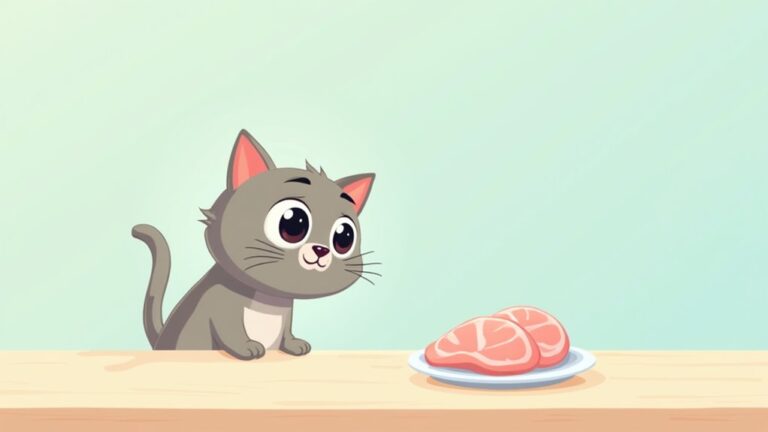
    Feeding your cat raw chicken can be tempting. It has a lot of protein and is easy to digest. But raw chicken can also be dangerous. It may carry harmful bacteria like Salmonella and Listeria. These germs can make your cat very sick. Raw chicken can also have parasites like Toxoplasma gondii.

    To reduce risks, take some precautions. Always use separate utensils for raw chicken. Wash your hands well after handling it. Introduce the raw chicken to your cat’s diet slowly. This helps your cat adjust. Watch out for bones in the chicken. They can choke your cat or hurt its mouth.

    It’s important to talk to your veterinarian. They can help you provide a balanced diet for your cat. Keeping your cat safe is a top priority. Stay informed and make the best choices for your furry friend.

  • Can Cat Eat Raspberry

    Cats can eat raspberries, but do so carefully. Raspberries are not toxic to cats. However, they have a small amount of xylitol. This substance can be dangerous in high amounts. Just 50 mg can cause harm.

    Start with one or two small pieces. Make sure raspberries are less than 5-10% of their daily food. Always wash the berries. This helps remove pesticides.

    Watch for any allergic reactions. Look for signs like vomiting or diarrhea. If you see these, stop giving raspberries immediately.

    Want safer options? Stick to cat-friendly fruits like blueberries or watermelon. These are tasty and healthy for your cat.

  • Can Cat Eat Quail Eggs

    Cats can eat quail eggs safely. These eggs are packed with protein, Omega fatty acids, and important vitamins. These nutrients can help keep your cat healthy.

    Limit adult cats to one quail egg each day or 1-2 times a week as treats. Always cook the eggs before serving. Chop them into small pieces to prevent choking. Keep an eye out for any signs of allergies.

    Quail eggs can be a tasty and nutritious addition to your cat’s diet. Enjoy exploring the benefits of these unique eggs!

  • Can Cat Eat Pumpkins

    Cats can eat pumpkin safely. Prepare it by cooking and removing seeds and skin. This prevents choking. Use plain, pureed pumpkin with no spices or additives. Pumpkin is high in fiber. It helps with digestion and can reduce hairballs. Watch for any signs of upset stomach, like vomiting or diarrhea. Offer pumpkin in moderation, as a treat only, not a full meal. Enjoy exploring the benefits and precautions of feeding pumpkin to your cat!

  • Can Cat Eat Pumpkin Seeds

    Cats can eat pumpkin seeds safely. These seeds are non-toxic and provide good nutrients. They contain vitamins A and E, which are beneficial for cats. Whole seeds can be a choking hazard. It’s best to crush them into small pieces. For small cats, give about 1/4 teaspoon. Larger cats can have up to 1 teaspoon.

    Treats should not exceed 10% of their diet. Always watch for any digestive issues after feeding. Stick to raw, unsalted seeds for safety. Want to know how to prepare them? Keep reading for more tips!

  • Can Cat Eat Potato

    Cats can eat cooked potatoes, but do so with care. Raw potatoes contain solanine, a harmful toxin. This toxin can make your cat sick. It may cause vomiting, diarrhea, and tiredness. Always cook potatoes before giving them to your cat. Serve them plain, without butter or spices.

    Peel the potatoes and cut away any bad spots. Let them cool down before serving. Remember, potatoes are not a substitute for meat in your cat’s diet. Treat potatoes as a rare snack. For safe amounts and preparation tips, keep learning.

  • Can Cat Eat Pistachio Nuts

    Pistachios are not toxic to cats, but they can be dangerous. Their high fat content can lead to obesity and pancreatitis. This can cause serious stomach problems like vomiting and diarrhea. Cats need a diet rich in protein from meat. Pistachios do not provide any nutritional benefits for them.

    The shells are also a choking hazard. It’s best to avoid giving your cat pistachios altogether. Instead, choose safe treats like cooked chicken or certain fruits and vegetables. These options are healthier and safer for your furry friend.

  • Can Cat Eat Pinto Beans

    Pinto beans can be safe for cats with the right preparation. Always cook them well to get rid of harmful lectins. Never give your cat raw or undercooked beans. Avoid adding garlic or onion, as they are toxic to cats. A good serving size is one tablespoon of cooked beans. Mash the beans for easier digestion. Watch your cat for signs of discomfort, like vomiting or bloating. There are many other safe treat options for your cat to explore too!

  • Can Cat Eat Pineapple

    Cats can eat pineapple, but it’s important to be careful. Fresh, ripe pineapple is safe in small amounts. Limit it to 1-2 small pieces, just once or twice a week. Avoid unripe pineapple and any plant parts. These can upset your cat’s stomach.

    Remember, cats need meat to stay healthy. Fruits should not replace their main diet. Keep an eye out for any digestive problems. Signs like bloating or diarrhea can show that your cat didn’t handle the fruit well.

    Curious about other fruits for your cat? There are many options, but always do your research first.

  • Can Cat Eat Persimmons

    Cats can eat persimmons, but only in small amounts. Ripe persimmons are good for them. They have fiber, which helps with digestion and hydration. Unripe persimmons are different. They contain tannins that can upset a cat’s stomach. Always remove seeds and skin before giving persimmons to your cat. This prevents choking or blockages.

    Offer only small, ripe pieces. Watch your cat for any signs of digestive problems. Remember, cats need a meat-based diet. Treats like persimmons should be rare. For safe feeding practices, keep learning.

  • Can Cat Eat Peppers

    Feeding bell peppers to cats can be safe in small amounts. They are not toxic, but caution is needed. The stems and leaves may have solanine, which can cause vomiting or tiredness. Always chop peppers into small pieces. Remove seeds before serving. Offer them cooked or raw, without any seasonings. Start with just a little bit to see how your cat reacts. Keep this treat under 10% of their daily calories. Know proper feeding methods and watch for any reactions to ensure your cat’s safety.