
Can Cat Eat Chicken Broth
This post contains affiliate links. As an Amazon Associate, we earn from qualifying purchases.
Cats can safely consume chicken broth, provided it is made without harmful ingredients. Store-bought varieties often contain additives like onion, garlic, and excessive sodium that can jeopardize your cat’s health. For a safe option, prepare a simple broth by simmering fresh chicken in water for about 2.5 hours, without any spices. It’s important to monitor your cat for any adverse reactions when introducing broth and consult your veterinarian if your cat has pre-existing health concerns. Further details on how to make cat-safe broth will be provided below for those interested.
Essential Facts in 30 Seconds
- Cats can eat homemade chicken broth that is free from garlic and onion.
- Store-bought chicken broth may contain unhealthy levels of sodium and preservatives.
- Homemade broth helps hydrate and can assist sick or picky cats.
- Introduce broth in small amounts and watch for any negative reactions.
- Consult a veterinarian before giving chicken broth, especially for cats with health issues.
Safety Concerns of Chicken Broth for Cats
Feeding your cat chicken broth can be safe and tasty. Safety is key. Many store-bought broths have harmful ingredients. Garlic and onion can cause anemia and stomach problems. High sodium levels can harm your cat’s kidneys and cause dehydration. Additionally, commercial broths often contain preservatives and additives that can be unhealthy for cats.
To keep your cat safe, follow these tips:
- Make homemade broth. Use only plain chicken and water. No spices or additives.
- Remove bones and fat. This avoids choking and digestive issues.
- Start with small amounts. Watch for any bad reactions.
If homemade broth isn’t possible, look for low-sodium options made for cats. Always ask your vet before trying new foods. This is especially important for cats with health problems. Keeping your cat healthy means they’ll be happy and enjoy safe, tasty treats.
Nutritional Benefits of Chicken Broth
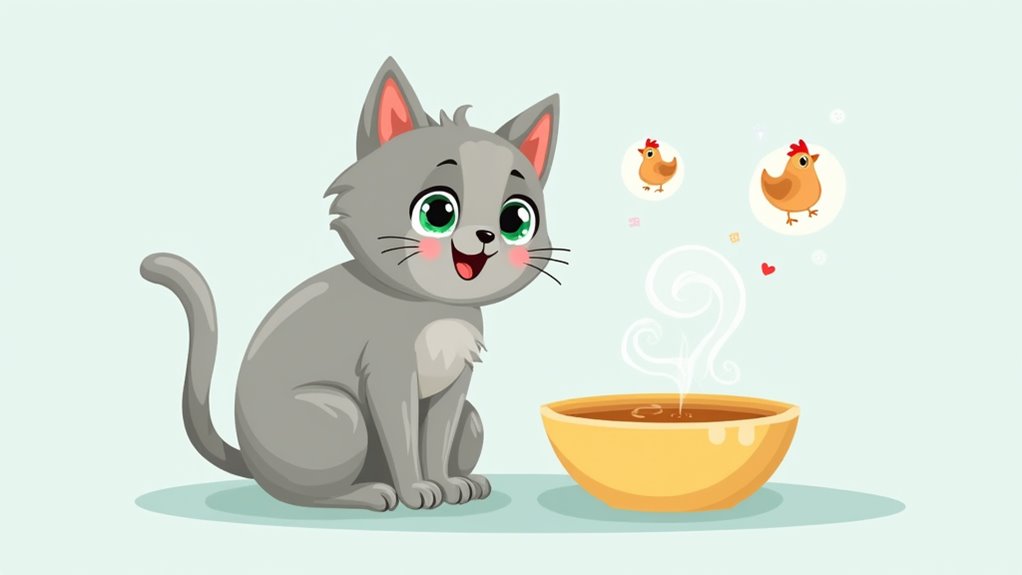
Feeding your cat chicken broth satisfies their taste buds and offers many health benefits. One key benefit is hydration. Cats often don’t drink enough water, especially if they eat dry food. Broth helps them stay hydrated. This supports kidney function and keeps their urinary tract healthy.
Chicken broth also contains important amino acids like glycine. Glycine helps detoxify and supports liver health. The collagen in broth promotes skin elasticity and joint health. It even makes their coat shiny. Broth also helps nutrients absorb better by nourishing the gut.
This tasty liquid provides essential minerals like calcium and magnesium. These minerals are critical for strong bones. Broth is gentle on the stomach, making it great for cats recovering from illness or those with sensitive digestion.
Risks of Feeding Chicken Broth to Cats
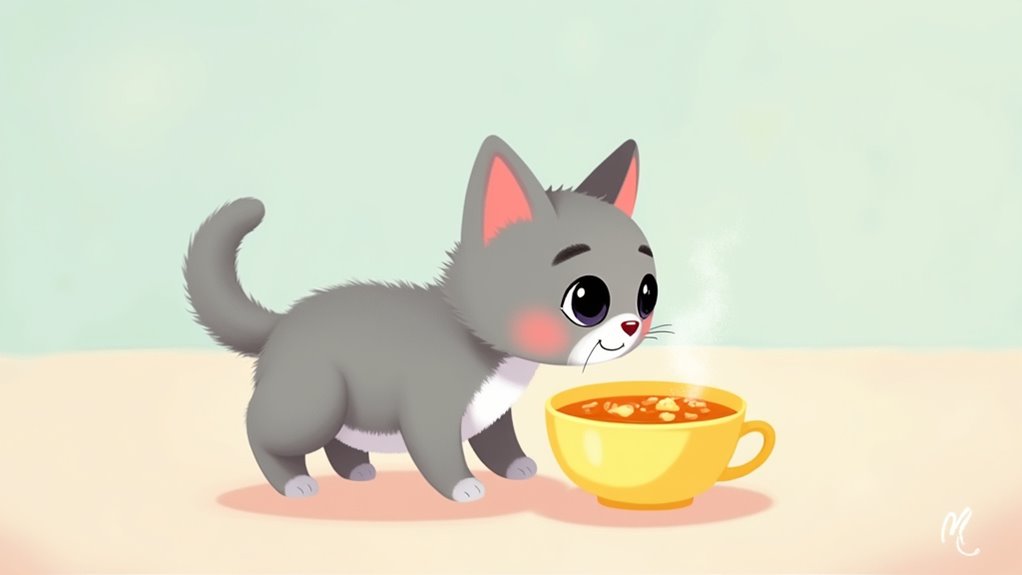
Chicken broth can add flavor to your cat’s meals, but it has some risks. It’s important to be aware of these potential dangers:
| Risk Factor | Description | Potential Effects |
|---|---|---|
| Preservatives/Additives | Many store-bought broths have harmful chemicals. | Long-term health problems can arise. |
| Onion and Garlic | These foods are very toxic to cats. | They can cause serious anemia. |
| High Sodium | Too much salt can harm your cat’s kidneys. | It may lead to dehydration and neurological issues. |
| Allergic Reactions | Cats can be sensitive to some ingredients. | This may cause vomiting, diarrhea, or skin problems. |
| Physical Hazards | Chicken bones can choke your cat. | They can also cause blockages in the intestines. |
Check labels carefully. Homemade broth is often safer, as it avoids the risks associated with high fat and salt found in processed foods. Always watch your cat closely when introducing new foods. This helps keep them healthy and safe. Additionally, it’s crucial to ensure that any chicken broth is free from seasoned or cooked chicken ingredients that could be harmful.
How to Prepare Cat-Safe Chicken Broth
Preparing chicken broth for your cat is simple and fun. Start with fresh chicken meat or bones. Avoid any seasonings, salt, or harmful vegetables like onions and garlic. Boneless pieces are safer and help prevent choking.
Here are some easy steps to make it:
- Put cleaned chicken in a pot. Cover it with filtered water.
- Bring the water to a boil. Then, lower the heat to a simmer. Add 1 teaspoon of apple cider vinegar for better flavor and nutrition.
- Simmer for 2.5 hours for meat broth. For bone broth, simmer for up to 24 hours.
After cooking, strain the broth using a fine mesh strainer. Remove all solid parts.
Let it cool quickly to stop bacteria from growing. Store the broth in airtight containers. You can also freeze it in small portions.
Serve it plain and at room temperature for your cat. Enjoy making this tasty treat!
Veterinary Guidance on Feeding Chicken Broth
Chicken broth can be a tasty and healthy treat for your cat. Safety is very important. Use only plain, homemade broth or safe commercial options. Avoid broths with high sodium and harmful ingredients like onion and garlic. These can cause serious health problems.
Feeding Tips:
- Start with small amounts. Watch for any bad reactions, like vomiting or diarrhea.
- Broth helps keep cats hydrated. This is great for those who are sick or not eating much.
Key Points:
- Stay away from broths with preservatives or extra flavors.
- Ensure the broth has safe ingredients, like chicken and turmeric.
- Talk to your vet before adding broth to your cat’s regular meals. This is especially important for cats with health issues or sensitivities.
Frequently Asked Questions
Can Kittens Have Chicken Broth Safely?
Kittens can safely enjoy chicken broth. Just make sure it has safe ingredients. Homemade broth is best. Avoid additives like salt and spices. Serve it in small amounts. This helps with hydration and nutrition. Always watch how your kitten reacts. Their stomachs are delicate, so go slow. Chicken broth can be a tasty treat!
Is Homemade Chicken Broth Better Than Store-Bought?
Homemade chicken broth offers many benefits. It has better nutrition compared to store-bought options. You can enjoy richer flavors that come from fresh ingredients. Homemade broth allows you to control what goes in. No hidden additives or preservatives.
Making broth at home is simple. Just use chicken bones, water, and your favorite vegetables. Simmer them together for a few hours. The result is a warm, tasty broth that can boost your meals.
Store-bought broth may save time, but it often lacks depth. Many brands add extra salt and flavorings. This can mask the natural taste of chicken.
For health-conscious cooks, homemade broth is the clear winner. It’s fresher, healthier, and tastier. Enjoy your cooking with the best ingredients!
How Often Can I Feed My Cat Chicken Broth?
Feeding your cat chicken broth is a nice treat. Use about 2 tablespoons for every 10 pounds of your cat’s weight. This amount keeps it safe and enjoyable.
Always adjust the portion based on your cat’s diet and hydration needs. Chicken broth can help if your cat needs extra fluids. It’s tasty and low in calories.
Make sure the broth is low in sodium and free from onions or garlic. These ingredients can be harmful to cats.
Offer chicken broth occasionally, not every day. This way, your cat stays healthy and happy. Enjoy watching them savor every drop!
Can I Add Vegetables to Chicken Broth for Cats?
Adding safe vegetables to chicken broth can be great for your cat. Carrots and celery are good choices. They boost the broth’s nutrition. Always avoid toxic veggies like onions and garlic. Keep the mix simple. Your cat’s health matters. Just like a flower, it needs care and attention. Enjoy making tasty broth for your furry friend!
What Are Signs of a Reaction to Chicken Broth?
Cats can have reactions to chicken broth. Watch for signs like vomiting or diarrhea. Itching is another sign to note. Decreased appetite could also indicate a problem. These signs may show allergies or tummy issues. Keep a close eye on your cat’s behavior. Changes in behavior can be important. If you see any of these signs, consult a vet. It’s best to keep your furry friend healthy and happy.
Conclusion
Chicken broth can be a tasty treat for your cat. It adds flavor and moisture to their diet. Ensure the broth has no harmful ingredients like onions or garlic. Always check the label. Watch for any bad reactions after giving it to your cat. If they seem fine, you can offer it again.
Before adding new foods, talk to your vet. They can help guide you on what’s safe. With these tips, chicken broth can be a fun and healthy addition for your cat. Enjoy watching them sip on this savory broth!
