
Can Cat Eat Grits
This post contains affiliate links. As an Amazon Associate, we earn from qualifying purchases.
Cats should not eat grits as they are low in protein and lack essential amino acids like taurine, which are vital for their health. Consuming grits can lead to digestive issues such as vomiting and diarrhea, particularly in sensitive cats. If you choose to offer grits, do so in very small amounts of plain, unsalted varieties and observe your cat for any negative reactions. If any problems occur, discontinue immediately. There are healthier alternatives available that provide necessary nutrients for your feline friend, and more information on this topic can be explored further.
Essential Facts in 30 Seconds
- Grits are high in carbohydrates and low in protein, not suitable for a cat’s diet.
- They do not provide essential amino acids like taurine, vital for cat health.
- Feeding grits can lead to digestive issues such as vomiting and diarrhea.
- Grits should be given only as an occasional treat in very small amounts.
- Choose protein-based treats or alternatives for a healthier diet for your cat.
Nutritional Value of Grits for Cats
Feeding your cat grits requires understanding their nutritional value. Grits are mainly made from ground corn. They’re high in carbohydrates but low in protein. Cats need protein to be healthy. Grits don’t provide essential amino acids like taurine. They also lack important vitamins and minerals.
Here are some important points:
- Grits have very little protein. Cats need 26-30% crude protein daily.
- Grits offer a small amount of fiber, but cats don’t need much fiber.
- Grits have almost no fat unless you add butter or cheese.
A little bit of plain grits now and then won’t harm your cat. Still, they shouldn’t replace your cat’s regular food.
Always choose high-quality, meat-based meals for your cat’s health and happiness.
Potential Health Risks of Feeding Grits
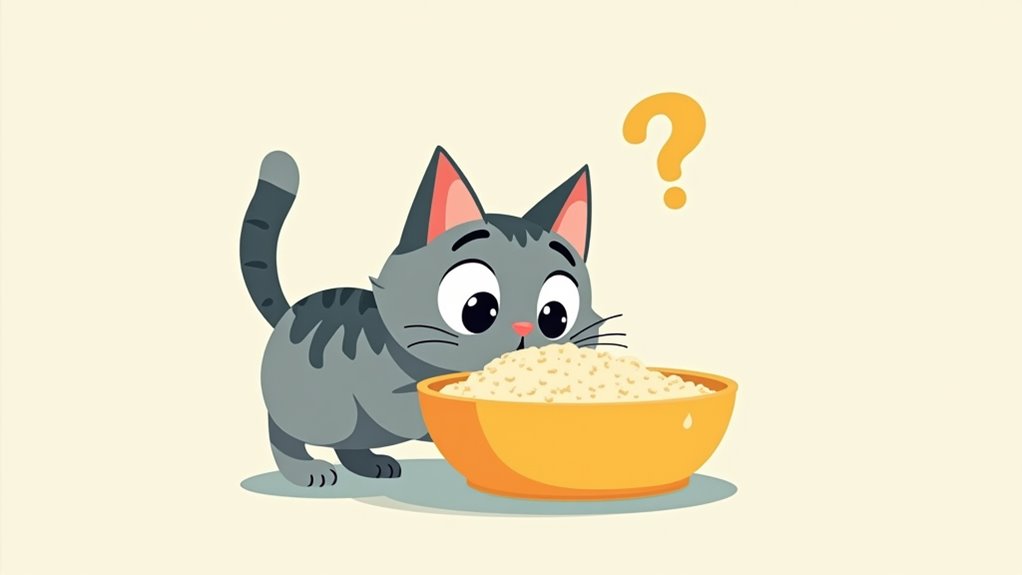
Feeding your cat grits can be risky for their health.
Grits may upset their stomach, leading to vomiting or diarrhea. Cats find it hard to digest carbohydrates like those in grits.
Relying on grits for meals can also cause nutritional gaps. Grits don’t provide important nutrients that cats need to stay healthy.
Always choose food that meets your cat’s dietary needs.
Nutritional Deficiencies in Cats
Nutritional deficiencies in cats can lead to serious health problems. Cats need a diet full of protein, vitamins, and minerals. Feeding them grits can take away important nutrients.
Potential Issues:
- Protein Deficiency: This can cause weak muscles, a bad coat, and low energy.
- Vitamin Deficiencies: Not enough thiamine may lead to nerve issues. A lack of calcium can harm bones.
- Fatty Acid Deficiency: Cats need healthy fats for their skin. Without them, their coat may look dull.
To keep your cat healthy, focus on a balanced diet. Avoid fillers like grits. A proper diet helps your cat live a happy and active life.
Digestive Upset Risks
Feeding your cat grits can cause serious digestive problems. Cats have sensitive stomachs, and grits can upset their digestion. This can lead to gastroenteritis, which means inflammation of the stomach and intestines.
Watch for signs like:
- Vomiting that may include bile
- Diarrhea that can be soft or watery
- Abdominal pain and low energy
Seek help from a vet if your cat vomits or has diarrhea for more than 24 hours. This can lead to dehydration and problems with electrolytes, especially in young or older cats.
Grits can also irritate the bowels and upset the balance of gut bacteria. Additionally, since cats are obligate carnivores, their diet should primarily consist of animal-based proteins to maintain optimal health.
Keep an eye on your cat’s behavior and hydration. Acting fast can help prevent serious health issues.
Recommended Frequency and Quantity
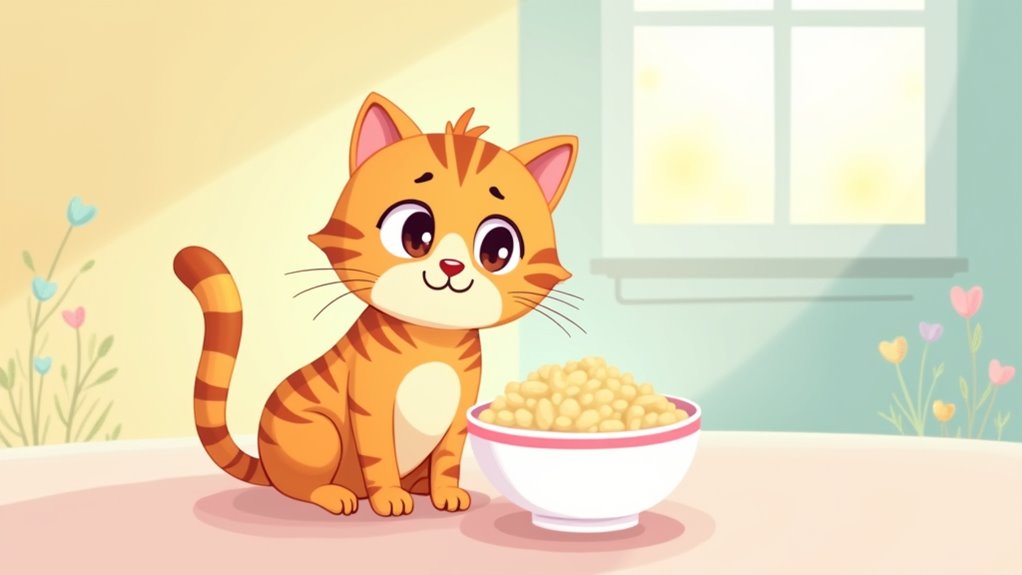
Cats can have grits, but only as a rare treat. Moderation is essential. Serve plain, unsalted grits in tiny amounts. A small spoonful or just one bite is enough. Large portions can upset your cat’s stomach. Grits have little nutritional value and can cause digestive issues.
Here are some simple guidelines:
- Occasional Treats: Give grits only once in a while.
- Small Quantity: Keep it to a tiny bit to avoid stomach problems.
- Monitor Reactions: Watch your cat after feeding. Look for signs like vomiting or tiredness.
Stop giving grits right away if you see any bad reactions.
Always make sure your cat eats a balanced diet rich in protein. Grits should never replace important nutrients.
With these tips, you can safely treat your cat without risking their health.
Understanding Cats’ Digestive Limitations
Cats are obligate carnivores. This means their bodies need meat to stay healthy. They can’t digest carbs well. Foods like grits can upset their stomachs. Your cat may get diarrhea or gas from these foods. Common toxic foods should also be avoided to ensure their well-being.
It’s important to know what to feed your cat. A meat-based diet keeps them healthy and happy. Avoid giving them human foods that aren’t suited for them. Understanding their digestive needs helps prevent problems.
Always focus on quality cat food that meets their nutritional needs. Keep your feline friend safe and comfortable.
Obligatory Carnivore Diet
Understanding what your cat needs to eat is very important. Cats are obligate carnivores. This means their bodies need meat to stay healthy. They require special nutrients that only come from animal tissues.
Taurine is one of these vital nutrients. It helps with heart health and vision. Arachidonic acid is another important nutrient. It supports cell function. Preformed vitamin A is also essential. It boosts the immune system. All these nutrients come from meat.
Cats can’t digest carbohydrates well. They don’t benefit from plant-based foods. Feeding them too many plants can cause serious health problems. These issues can include blindness and muscle loss.
To keep your cat healthy, focus on high-quality meat-based foods. Always read the labels. Make sure they meet the needs of obligate carnivores. This way, your cat can thrive and stay active.
Inefficient Carbohydrate Digestion
Sharing grits with your cat might seem harmless, but it can cause problems. Cats have a hard time digesting carbohydrates. They produce little salivary amylase, which means they can’t start breaking down starch well. Their pancreas also makes only a small amount of amylase. This makes starch digestion difficult.
Cats lack important enzymes like glucokinase and lactase. These enzymes help digest carbs. Without them, high-carb foods can lead to bloating and diarrhea.
For a healthy cat diet, focus on protein and fat. Limit foods high in carbohydrates, like grits. Too many carbs can cause long-term health issues and discomfort for your furry friend.
Alternative Treats for Cats
Treating your cat can be fun and healthy! Many great alternatives to traditional cat treats exist. These options can keep your feline friend happy while providing important nutrients. Here’s a quick guide to some tasty alternatives:
| Treat Type | Examples |
|---|---|
| Protein-Based | Cooked chicken, freeze-dried fish |
| Fruits & Vegetables | Raspberries, carrots |
| Grains & Starches | Sweet potatoes, plain popcorn |
| Dental Chews | Freeze-dried chicken chews |
These treats add variety to your cat’s diet. Wheat grass can also be a healthy addition to your cat’s snacks, offering essential nutrients that support digestion and overall well-being. Ensure that any treats provided are made from safe human foods to promote your cat’s health. Serve fruits and veggies in small pieces. Always offer them in moderation. Monitor how your cat reacts to new treats. This helps ensure they enjoy a safe and tasty snacking experience!
Veterinary Guidance on Feeding Grits
Veterinarians say grits aren’t a good treat for cats. Grits don’t have the nutrients cats need. They’re mostly made from corn. Cats find it hard to digest corn. This can cause vomiting or diarrhea.
Feeding Guidelines:
- Occasional Treat: Only give plain, unsalted grits in tiny amounts.
- Watch for Reactions: Keep an eye on your cat. Look for signs like tiredness or not wanting to eat.
- Avoid Additives: Don’t add butter, cheese, or salt. These can harm your cat.
Stick to cat food for a healthy diet. Your cat will thank you!
Frequently Asked Questions
Can Kittens Eat Grits Safely?
Kittens can eat small amounts of grits. But grits are not the best choice for them. Kittens need a diet full of animal protein. This helps them grow strong and healthy. Focus on feeding them high-quality cat food. Look for options that list meat as the first ingredient. Avoid relying on grits or other grains. Always provide fresh water for your kittens too. This keeps them hydrated and happy. Keep their health a priority by choosing the right foods.
Are Flavored Grits Safe for Cats?
Flavored grits are not safe for cats. Many of these flavors contain dairy. Around 75% of cats are lactose intolerant. This means they can’t digest dairy well. Eating flavored grits can cause stomach problems for your cat. It may lead to vomiting or diarrhea.
Cats need a diet rich in meat. They thrive on proteins from animal sources. Stick to cat food designed for their needs. This ensures they stay healthy and happy. Always consult your vet for the best diet choices. Keep your feline friend safe and well-fed.
What Are Signs of Grits-Related Digestive Issues?
Signs of digestive issues from grits in cats include vomiting and diarrhea. A decrease in appetite can also be a red flag. Watch for signs of lethargy or abdominal pain. These symptoms can harm your cat’s health. If symptoms last, contact your vet for help.
Can Grits Cause Allergies in Cats?
Grits can cause allergy symptoms in cats, but this is rare. Some cats may have food sensitivities, especially to corn or other ingredients. Signs of these sensitivities include itching, upset stomach, or diarrhea. Most cats can eat grits without any problems. The risk of allergies is low. So, you don’t need to worry too much about feeding them grits. Always watch your cat for any unusual reactions when trying new foods.
Do Grits Offer Any Benefits for Older Cats?
Grits provide very few benefits for older cats. They do not have important nutrients. Occasionally, they might offer a little fiber, which can help with digestion. Still, it’s best to focus on a balanced diet for your cat. This will support their health much better. Always choose food that meets their specific needs. Healthy meals are key for your cat’s well-being.
Conclusion
Grits might seem like a fun snack for your cat, but they can cause issues. Cats need meat to stay healthy. They are obligate carnivores, meaning their bodies don’t digest grains well. Grits can upset their stomachs or lead to other problems.
If you decide to give your cat grits, do it very rarely. Watch for any bad reactions. Always talk to your vet before adding new foods to your cat’s diet. Your cat’s health is the most important thing. A happy cat makes for a happy home. Keep their meals meat-based to ensure they thrive.
