
Can Cat Eat Refried Beans
This post contains affiliate links. As an Amazon Associate, we earn from qualifying purchases.
Feeding your cat refried beans is not safe due to harmful ingredients like garlic and onion that can damage red blood cells and lead to anemia. Additionally, the high salt levels can stress their kidneys, and beans lack crucial taurine necessary for feline health. For those interested in safe alternatives, well-cooked black beans, chickpeas, or lentils are better options. It’s important to introduce new foods gradually to prevent digestive upset and to monitor your cat for any unusual symptoms. More details on safe feeding options will follow for a deeper understanding.
Essential Facts in 30 Seconds
- Refried beans may contain toxic ingredients like garlic and onion for cats.
- High salt levels in refried beans can harm a cat’s kidneys.
- Beans do not provide taurine, vital for cat health.
- Feeding refried beans can cause digestive issues in cats, such as gas or diarrhea.
- Safer alternatives for cats include cooked black beans, pinto beans, chickpeas, lentils, and green beans.
Understanding Cats and Their Dietary Needs
Cats have special dietary needs. They’re obligate carnivores. This means they need animal-based foods to stay healthy.
Cats require about 41 important nutrients. Protein is key. They need a lot of it—about 40 grams per 1000 calories. The best amount is 50 grams for optimal health.
Focus on high-quality protein sources. Meat is the best choice. It gives cats the amino acids they need, like taurine. Taurine is vital. It helps prevent heart disease and supports reproduction.
Fats are also important. They provide energy and help absorb vitamins. Plant-based foods can lead to digestive issues in cats, so it’s essential to prioritize animal-based nutrition.
Here are the key nutritional needs for cats:
- Protein: Essential for muscles and organs.
- Amino Acids: Taurine is a must for a healthy heart.
- Fats: Crucial for energy and vitamin absorption.
Consider using supplements to fill any gaps in their diet. A balanced diet keeps your cat happy and healthy.
Risks of Feeding Refried Beans to Cats
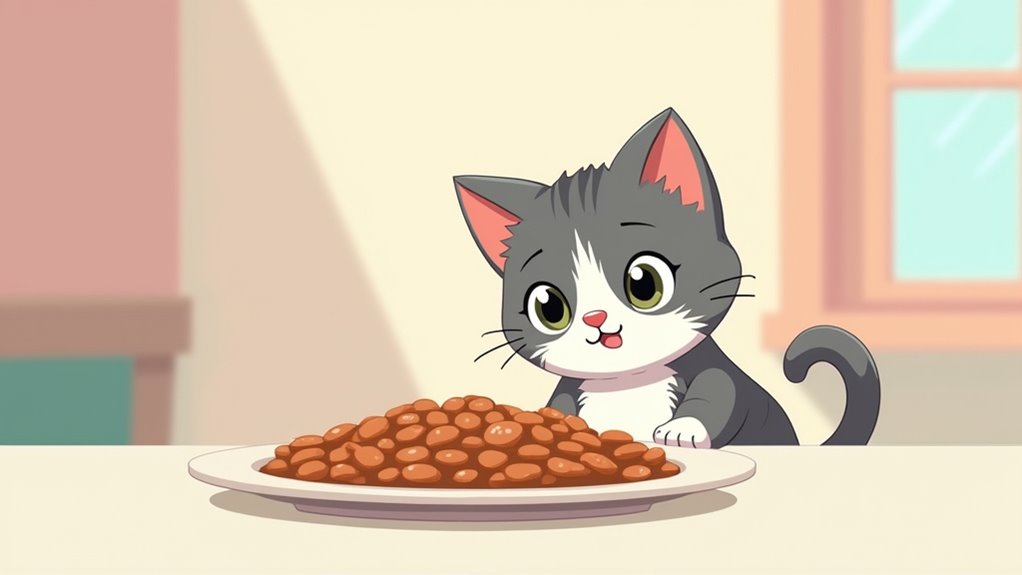
Feeding your cat refried beans can be risky. Some ingredients in refried beans are harmful. Garlic and onion can damage red blood cells. This can lead to anemia, which is serious for cats.
Refried beans are also high in salt. Too much salt can put a strain on your cat’s kidneys. This could lead to kidney disease over time. Regular consumption of high-sodium foods can further exacerbate these health issues.
Cats might have stomach issues if they eat refried beans. They can get gas, diarrhea, or vomit. The high fat and fiber in beans can upset their digestion.
Nutritionally, beans don’t provide what cats need. They lack taurine, an important nutrient for cat health. Furthermore, cats are obligate carnivores, requiring a diet rich in animal protein to thrive.
Keep your cat safe by avoiding refried beans. Offer a balanced diet that meets their needs. This helps ensure your cat stays healthy and happy.
Safe Alternatives to Refried Beans
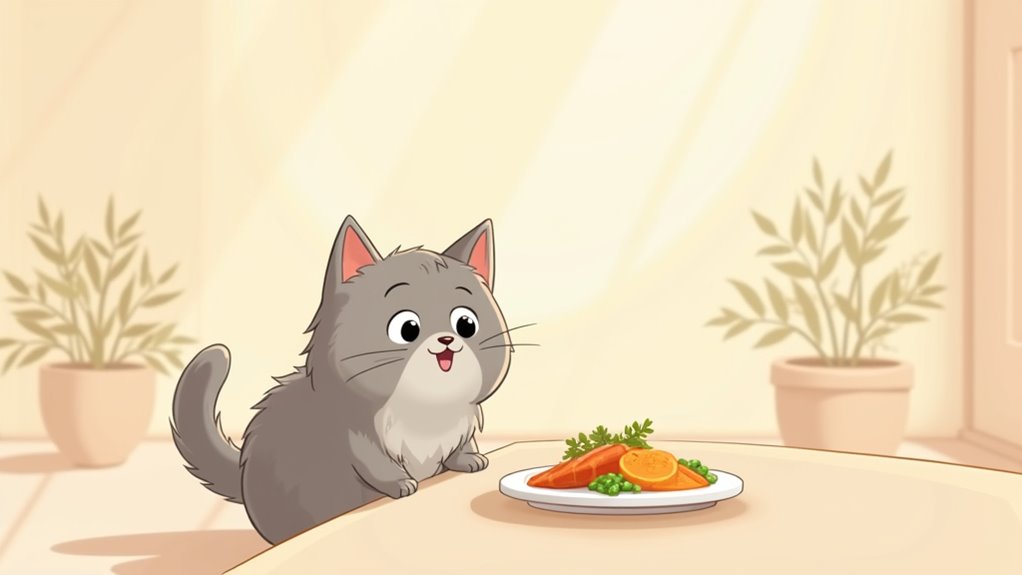
Refried beans can be unhealthy for cats. Luckily, there are safe and nutritious alternatives. Here are some options:
- Black beans: These are safe for cats if cooked and plain. They give protein and fiber. Offer a small amount as a treat.
- Pinto beans: Similar to black beans, pinto beans are safe when well-cooked and without seasoning.
- Chickpeas: Also known as garbanzo beans, these are safe when cooked and plain. They provide protein and fiber without any toxins.
- Lentils: Cooked simply, lentils are packed with beneficial nutrients and can be a healthy snack. They can be a good source of essential amino acids for cats.
- Green beans: These are low in calories and high in fiber. They help with digestion and are safe for cats.
Always cook beans properly. Avoid canned beans that have added salt or preservatives. Additionally, it’s important to remember that moderation is key when offering these treats to prevent stomach upset. Offer these treats in small amounts to prevent stomach upset. Beans can add some nutrition, but they shouldn’t replace meat in your cat’s diet.
Safe alternatives can give your cat a tasty and healthy snack without the risks of refried beans.
Symptoms of Toxicity in Cats
Recognizing toxic symptoms in cats is crucial. Knowing the signs can save your pet’s life. Toxicity symptoms can show up in various ways.
Watch for these urgent signs:
- Vomiting or diarrhea may occur, and blood could be present.
- Tremors or seizures signal severe brain issues.
- Increased thirst often follows stomach problems.
- Rapid breathing indicates breathing trouble or serious reactions.
Act quickly if you see these symptoms. Seek veterinary help immediately, especially with bloody diarrhea or loss of consciousness.
These signs often mean your cat needs urgent care. Early symptoms can appear within 12 to 48 hours after eating something harmful. Staying alert can help you respond fast and protect your furry friend from serious harm.
Guidelines for Introducing New Foods to Your Cat
Introducing new foods to your cat should be done carefully. Cats have sensitive stomachs. A sudden change in their diet can cause digestive issues. To make the process easier, follow a changeover plan over 7 to 10 days.
Start with a mix. For the first two days, use 25% of the new food with their regular food. This helps them adjust.
Sample Changeover Schedule:
- Days 1-2: 25% new food
- Days 3-4: 50% new food
- Days 5-7: 75% new food
- Days 8-10: 100% new food
Watch your cat closely. Notice their energy, appetite, and stool quality. If they seem upset, slow down the change. You can serve the new food alone or mix it with their regular food.
Every cat is different. Be patient. Adjust the pace based on how your cat reacts. Always talk to your veterinarian if you have concerns.
Frequently Asked Questions
Can Cats Eat Beans Often or Only Occasionally?
Feeding your cat beans is not a great idea. Beans should only be an occasional treat. Too many beans can upset a cat’s stomach. They can also cause other health problems. Cats need a diet rich in meat. Meat provides the essential nutrients they need to stay healthy. Always prioritize meat-based foods for your furry friend. Keep beans as a rare snack, not a regular meal.
What Should I Do if My Cat Eats Refried Beans?
If your cat eats refried beans, take action right away. Remove any leftover beans from their reach. Keep an eye on your cat for any signs of trouble. Symptoms can include vomiting or unusual tiredness. Make sure your cat has fresh water to help with digestion. Contact your vet if you notice any concerning symptoms. It’s always better to be safe. Cats may not handle beans well, so monitor them closely.
Are There Any Nutritional Benefits of Beans for Cats?
Beans can provide some health benefits for cats. They contain vitamins and fiber. Still, beans do not have as much nutrition as animal proteins. A small amount of certain beans can be added to a cat’s diet. But beans should never replace meat. Cats need meat for their main source of protein. Always prioritize high-quality animal protein for your cat’s health.
Can Kittens Eat Refried Beans Safely?
Kittens should not eat refried beans. These beans can upset their stomachs. Refried beans contain high levels of salt and fat. Kittens’ bodies struggle to digest these harmful ingredients. It’s best to feed them food made just for kittens. This ensures they get the right nutrients for their growth. Always choose safe options to keep your kitten healthy and happy.
What Other Human Foods Are Safe for Cats?
A vibrant garden offers safe fruits like blueberries and apples. These tasty treats can delight your cat. Cooked vegetables, such as carrots and broccoli, also make a great addition. Cats can benefit from these healthy options. They provide vitamins and nutrients. Sharing these foods strengthens your bond with your pet. Always remember to introduce new foods slowly. Watch for any reactions. Keep your cat happy and healthy with these nourishing choices. Enjoy mealtime together!
Conclusion
Sharing refried beans with your cat is not a good idea. Just because a food is safe for humans doesn’t mean it’s safe for cats. Refried beans can upset their stomach. Cats need a special diet that helps them stay healthy and happy.
Instead of refried beans, choose cat-friendly treats. Look for options that are made for cats. These treats will keep your furry friend healthy. A balanced diet is important for their well-being. Take care of your cat’s health, and they will thrive. A happy cat brings joy to your home!
