
Can House Cat Eat Raw Fish
This post contains affiliate links. As an Amazon Associate, we earn from qualifying purchases.
Feeding your house cat raw fish can be risky due to potential dangers such as mercury, bacteria, and parasites. While fish provides protein and omega-3s, it can also contain thiaminase, which is harmful to cats. To ensure your cat’s safety, it’s best to cook fish to 145°F (62.8°C) and freeze it for three days to eliminate parasites. Always remove bones and refrain from using harmful seasonings. For those seeking safer options and additional tips, more important information is available ahead.
Essential Facts in 30 Seconds
- Cats can eat fish, but raw fish has health risks.
- Raw fish may contain thiaminase, leading to vitamin B1 deficiency.
- Cooking fish to 145°F kills harmful bacteria and parasites.
- Fish should only be given in moderation to prevent malnutrition or toxicity.
- Safe options include cooked salmon, cod, and sardines; avoid raw fish.
Nutritional Benefits of Fish for Cats
Including fish in your cat’s diet brings many nutritional benefits. Fish is rich in high-quality protein, which helps support muscle growth and repair. Types like salmon or cod are great choices. They provide omega-3 fatty acids, essential for heart health and reducing inflammation. Additionally, some types of fish can be high in mercury levels, which may pose health risks if consumed excessively.
Consider these key nutrients:
- High-quality protein: Supports growth and tissue health.
- Omega-3 fatty acids: Boosts heart health and brain function.
- Vitamins: Fish is full of vitamin D, B vitamins, and antioxidants like selenium. These improve immune function.
Moderation is key. Start with small portions of fish. Increase the amount slowly, watching how your cat reacts. Raw fish should be an occasional treat, not the main part of their diet. A balanced diet keeps your cat happy and healthy.
Risks Associated With Raw Fish Consumption
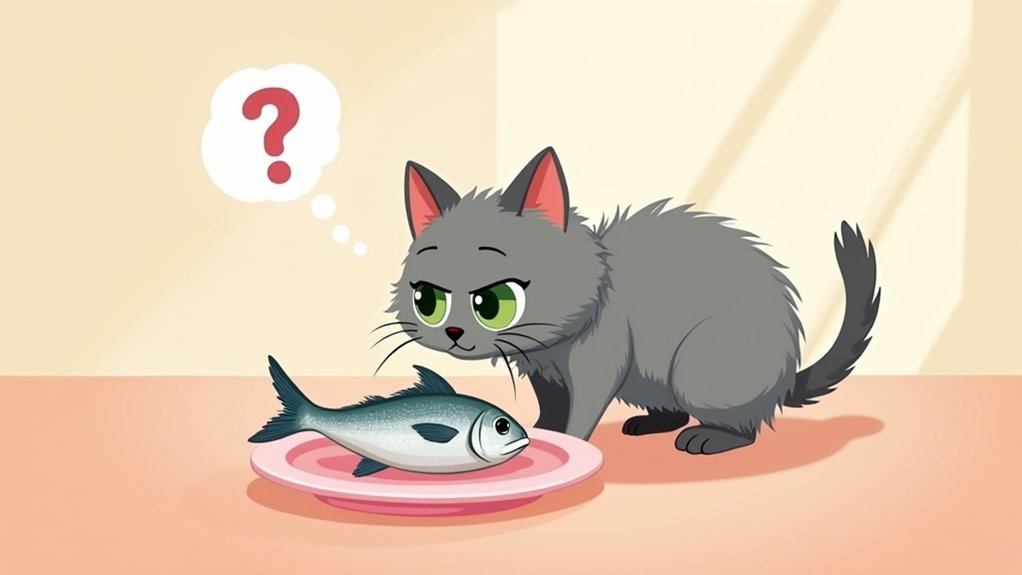
Feeding raw fish to your cat may feel like a special treat, but it can be risky. Raw fish may contain harmful toxins, like mercury. These toxins can cause serious health problems. They can build up in your cat’s body over time. This is especially dangerous for older cats. It can hurt their kidneys and liver.
Raw fish can also lead to nutritional problems. It has an enzyme called thiaminase. This enzyme destroys thiamine, also known as vitamin B1. A lack of thiamine can cause serious issues like seizures and muscle weakness. Eating too much fish can upset your cat’s diet. This can lead to malnutrition or even toxicity. Additionally, raw fish can contain harmful bacteria and parasites, which can further compromise your cat’s health.
To keep your cat healthy, offer cooked fish instead. Special cat food can also meet their nutritional needs. Always talk to a vet before changing your cat’s diet. This helps ensure your cat stays happy and healthy.
Parasite and Bacterial Concerns in Raw Fish
Treating your cat to raw fish might seem fun, but it can be risky. Raw fish can carry dangerous parasites and bacteria that can harm your cat’s health.
Parasite Risks
Parasites like Anisakis simplex and fish tapeworms can live in raw fish. These can infect your cat, leading to serious illnesses. Eating contaminated fish can cause salmon poisoning disease or bad stomach problems.
Bacterial Concerns
Bacteria such as E. coli, *Salmonella*, and *Listeria* are common in raw fish. These germs can make your cat vomit or have diarrhea. Infected cats can pass these germs to other pets and even to you.
Precautionary Measures
Always buy fish from trusted sources. Freezing fish at -4°F (-20°C) for at least three days kills most parasites. Cooking fish thoroughly is the best way to keep your cat safe from both parasites and bacteria.
Keep your furry friend healthy by being cautious with raw fish.
Proper Preparation and Storage of Fish
Proper preparation and storage of fish keep your cat healthy and safe. Follow these simple guidelines to reduce risks when feeding your cat fish.
Fish Preparation:
- Rinse the fish. This removes dirt and germs.
- Take out all bones. This prevents choking.
- Cook the fish well. It should reach 145°F (62.8°C) to kill any harmful germs. Baking, boiling, or steaming works best.
- Don’t use oils or seasonings. Garlic and salt can harm your cat.
Fish Storage:
- Keep raw fish in the freezer for at least three days. This kills parasites.
- Use water or vacuum-sealed bags for storage. Avoid oils or brine.
- Thaw fish in the fridge or under cold running water. Never thaw at room temperature.
These steps help your cat enjoy fish safely and reduce health risks.
Safe Fish Types for Your Cat
Selecting safe fish for your cat is important for their health. Here are some good options:
- Wild Salmon: This fish is packed with Omega-3 and Omega-6 fatty acids. It’s great for your cat’s heart and brain. Plus, it’s low in mercury.
- Acadian Redfish (Ocean Perch): This fish is high in protein and vitamins. It’s low in fat, making it a good choice for regular meals.
- Cod and Haddock: Both are safe for cats when cooked. They offer lean protein and are low in mercury.
- Sardines and Mackerel: Sardines have a lot of Omega-3s. Feed mackerel in moderation due to higher mercury levels. Always check where the fish comes from to avoid harmful substances.
- Tilapia, Flounder, and Halibut: These fish have low mercury levels and are gentle on your cat’s stomach. They can be good options for occasional meals.
Choose wisely to keep your cat healthy and happy!
Health Recommendations for Feeding Fish to Cats
Feeding your cat fish can be a fun treat. Keep health and safety in mind. Here are some important tips to follow:
- Cook fish well. This kills harmful parasites and bacteria. Additionally, cooking helps prevent potential mercury poisoning that can occur with raw fish.
- Limit fish to less than 10% of your cat’s daily food. This keeps their diet balanced.
- Remove bones before giving fish to your cat. Bones can cause choking or injury.
- Wash your hands and utensils after preparing fish. This helps prevent germs from spreading.
- Monitor your cat for any unusual reactions after eating fish, as some cats may have sensitivities or allergies to it.
These simple steps ensure your cat enjoys fish safely.
Frequently Asked Questions
Can Kittens Eat Raw Fish Safely?
Kittens should not eat raw fish. It can harm their health. Raw fish may contain harmful bacteria and parasites. These can make your kitten very sick.
Raw fish also lacks important nutrients. Kittens need a balanced diet for healthy growth. Feeding them raw fish can lead to nutritional deficiencies.
Always choose safe, cooked foods for your kitten. This helps ensure they stay healthy and strong. Prioritize their nutrition to support their development. Keep your furry friend safe and happy!
What Should I Do if My Cat Eats Raw Fish?
Your cat just ate raw fish. Keep a close eye on them. Watch for any signs of stomach upset. Symptoms can include vomiting or diarrhea. Remove any leftover raw fish right away. Contact your vet if your cat shows any unusual behavior or symptoms. They can give you the best advice for your pet’s health. Stay calm and take care of your furry friend.
How Often Can I Feed My Cat Fish?
Feed your cat fish once or twice a week. Choose safe fish types like salmon. Fish gives your cat good nutrition. It can help with their health. But remember, fish should only be a small part of their diet. Too much fish can cause problems. Balance is key for your cat’s meals. Always check with a vet if unsure. Keep your cat happy and healthy with a mix of foods.
Are There Any Fish Allergies in Cats?
About 42% of cats with food allergies react to fish protein. This shows how important it is to watch what your cat eats. Fish can cause issues for some cats. Signs of an allergy may include itching, vomiting, or diarrhea. If you think your cat has a fish allergy, talk to your vet. They can help you find the right food. A balanced diet is key. Your vet will ensure your cat gets all the nutrients needed without harmful ingredients. Keep your cat healthy and happy by monitoring their food closely.
Can I Feed Fish Skin to My Cat?
Feeding fish skin to your cat has its perks. Fish skin is rich in omega fatty acids. These are good for your cat’s skin and coat. It’s important to follow some simple rules. Offer small pieces that are cooked. Avoid any seasonings or spices. Keep an eye on your cat after feeding. Watch for any unusual reactions. This way, you can ensure your cat stays healthy and happy. Fish skin can be a tasty treat for them!
Conclusion
Fish can be a tasty treat for your cat. It offers good nutrition. Yet, raw fish has risks. It can carry harmful parasites and bacteria. Cooking the fish kills these dangers. Always choose safe types of fish. Talk to your vet to find the best options for your cat. A careful approach keeps your cat healthy and happy. Don’t take risks with their food.
