
Can Cat Eat Cooked Rice
This post contains affiliate links. As an Amazon Associate, we earn from qualifying purchases.
Yes, cats can eat cooked rice in moderation, as it is easy to digest and may help with mild stomach issues. However, it is important to ensure the rice is plain, without any added salt or spices. Rice should not replace the essential protein-rich diet that cats require, as they are obligate carnivores. Consuming too much rice can lead to obesity and digestive issues. Always consult your veterinarian before introducing rice to your cat’s diet to ensure it meets their specific nutritional needs. For those interested, more details on proper feeding practices will follow.
Essential Facts in 30 Seconds
- Cats can eat properly cooked plain white rice in moderation.
- Brown rice is harder to digest and should be introduced with caution.
- Rice should be an occasional addition to a cat’s diet, not a main component.
- Too much rice can cause obesity and digestive problems in cats.
- Consult a veterinarian before adding rice to a cat’s meals.
Understanding Rice and Its Digestibility for Cats
Feeding your cat rice requires understanding its digestibility. White rice is the easiest for cats to digest. It’s soft and low in fiber. The starch in white rice has a small grain structure. This helps your cat’s digestive system break it down. Small amounts of properly cooked plain white rice are usually safe. It can even help with stomach issues. Additionally, rice should not replace primary protein sources in a cat’s diet. Introducing rice should be done carefully to avoid adverse reactions from your cat.
Brown rice has more fiber. It keeps the bran and germ, making it harder for cats to digest. Cats are obligate carnivores. They find it tough to digest fibrous plant material. You can give brown rice sometimes, but it’s not as suitable as white rice.
Always watch how your cat reacts to rice. Long-term feeding of rice isn’t a good idea. It has few nutritional benefits and could cause digestive problems.
Nutritional Value of Rice in a Cat’s Diet
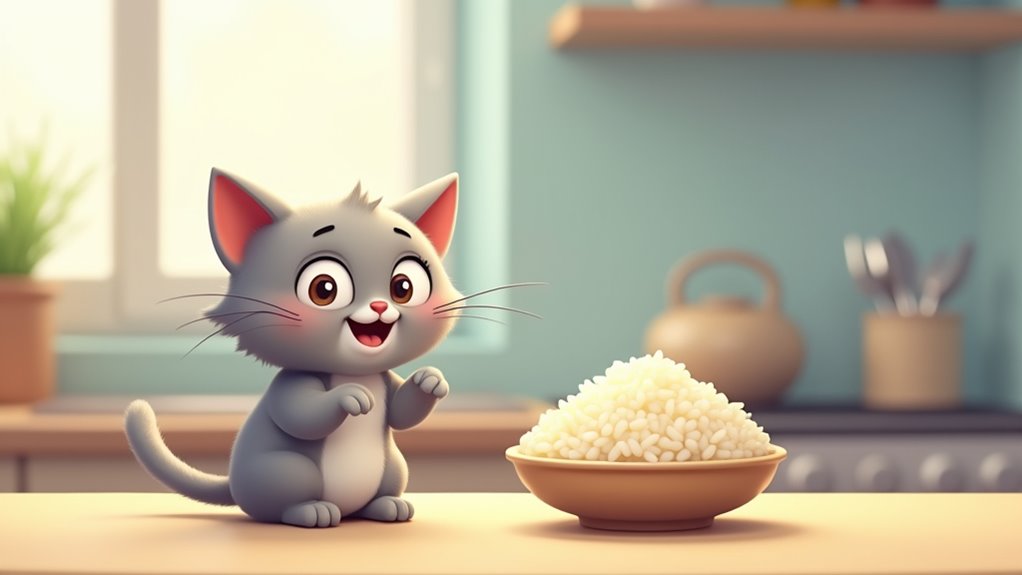
Understanding rice in your cat’s diet is important. Cats need special nutrition. Rice is a carbohydrate that gives energy. It can help your cat recover from being sick.
Still, rice shouldn’t be the main part of their meals.
Key Points:
- Energy Source: Rice gives quick energy but should be used sparingly.
- Fiber Benefits: Brown rice has fiber, which helps with digestion. Add it slowly to your cat’s food.
- Vitamins and Minerals: Brown rice has B vitamins and iron. But these aren’t enough for a cat’s diet. Additionally, cats are obligate carnivores, primarily needing meat in their diet.
Watch how much rice your cat eats. Too much can lead to obesity and health problems. Rice isn’t a must-have.
Focus on giving your cat high-quality protein for a healthy life.
Health Risks Associated With Feeding Rice to Cats
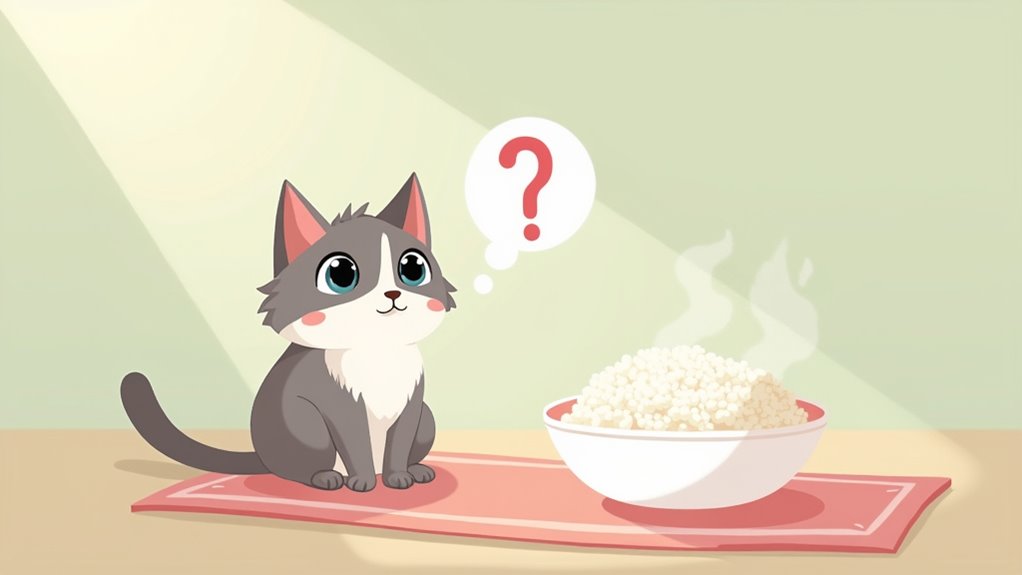
Feeding rice to cats may seem safe, but it can pose health risks. Too much rice can lead to obesity. Obese cats are more likely to develop diabetes, arthritis, and heart disease. Some cats may also have digestive problems or allergies from rice. Additionally, nutritional imbalance from feeding rice can affect their overall health, as cats require a diet rich in animal proteins.
| Health Concern | Description | Recommended Action |
|---|---|---|
| Obesity Risk | Rice is high in calories and can cause weight gain | Watch how many calories your cat eats |
| Digestive Issues | Too much rice can cause vomiting or diarrhea | Only give small amounts of rice |
| Nutritional Imbalance | Rice can take the place of needed protein | Ensure your cat eats meat-based food |
| Allergic Reactions | Rice can cause itching or stomach issues | Talk to a vet if your cat shows signs |
Understanding these health risks helps keep your cat healthy. Always think about how much rice you give them. Stick to a balanced diet for your furry friend!
Guidelines for Safe Feeding Practices
Sharing rice with your cat can be tempting, but safety comes first. Follow these guidelines to keep your cat healthy.
Safe Rice Cooking Practices
- Cook Thoroughly: Boil rice until it’s soft. This makes it easy for your cat to digest. Additionally, cooked grains can offer some nutritional benefits in small amounts.
- Avoid Additives: Don’t add salt, spices, or oils. These can be harmful to cats.
Feeding Portions
- Moderation is Key: Give only a small spoonful of rice. Mix it with their regular food to avoid bloating.
- Use as a Treat: Treat rice as a special addition, not a regular meal. This keeps their diet balanced.
Consult a Vet
Check with your veterinarian before giving rice. This ensures it fits your cat’s diet and health needs. Remember that cats are obligate carnivores and require a meat-based diet for optimal health.
Always keep their main food nutritious and complete for the best health.
The Role of Rice in Commercial Cat Foods
Rice plays an important role in commercial cat foods. Manufacturers often use it as a filler. Types like white and brown rice can help balance other nutrients. Cats don’t need many carbohydrates. So, rice is added in small amounts.
Brown rice has extra fiber and some vitamins. It includes B-complex vitamins, iron, and magnesium. On the other hand, white rice has vitamins like folic acid. Rice alone doesn’t offer much nutrition. But rice protein concentrate can help digest food better. This is good for cats with sensitivities. Including rice in cat food makes it tastier and easier to eat. Many brands choose rice for its texture.
It’s important to remember that cats are obligate carnivores, so their primary diet should focus on animal protein for the best health.
Always check that your cat’s diet is well-balanced. Focus on animal protein for the best health.
Frequently Asked Questions
Can Kittens Eat Cooked Rice Safely?
Kittens can eat cooked rice safely, but only in small amounts. Rice should not be a main part of their meals. Focus on giving them high-quality kitten food for better nutrition. Treats like rice are okay sometimes, but don’t make it a regular thing. Kittens need the right balance of protein, vitamins, and minerals to grow strong. Always watch for any signs of allergies or upset stomach. Keep their meals healthy and varied for the best results.
How Often Can I Give Rice to My Cat?
Cats can enjoy rice as an occasional treat. Aim for less than once a week. Keep the portion small. Rice should not make up more than 10% of your cat’s daily calories. This helps keep their diet balanced and healthy. Always ensure they have plenty of meat in their meals. Cats are meat-eaters, so rice should only be a small addition. Watch their weight and health closely. If your cat has any health issues, talk to your vet. They can give you the best advice for your furry friend.
What Are Signs of Rice Allergy in Cats?
Cats can have food allergies, including rice allergies. Watch for signs like vomiting or diarrhea. Itching and skin irritation are also common. These symptoms mean your cat might be allergic to rice. Notice these signs early. This helps you find the right diet for your cat. Talk to your vet for advice. They can suggest a better food option. Keeping your cat healthy is important.
Is Rice Better Than Other Grains for Cats?
Rice is not better than other grains for cats. It has some nutrients, but they are minimal. Grains like barley and oats also offer nutrients. Still, none of these grains meet a cat’s need for meat. Cats are carnivores. They need protein from animal sources. Grains should only be a small part of their diet. Focus on high-quality cat food that has meat as the main ingredient. This will help your cat stay healthy and strong. Always check with your vet about the best diet for your cat.
Can Rice Help With a Cat’s Hairball Issues?
Rice can support your cat’s digestive health. It may help reduce hairballs, but it is not a complete solution. Cats need protein for strong muscles and energy. Use rice in small amounts, not as a main food. Focus on a balanced diet that includes protein and fiber-rich foods. Fiber helps hairballs pass through the digestive system more easily. Always choose quality cat food with the right nutrients for your pet’s health. This way, your cat stays healthy and happy.
Conclusion
Cooked rice can be a safe treat for cats. It’s important to serve it in small amounts. A tablespoon is enough for an average-sized cat. Always watch for any bad reactions after eating. Moderation is key. This keeps meals simple and safe.
Talk to your vet before changing your cat’s diet. They can give the best advice based on your cat’s health. Happy feeding!
