
Can Cat Eat Shrimp Raw
This post contains affiliate links. As an Amazon Associate, we earn from qualifying purchases.
Feeding your cat raw shrimp is not safe due to the risk of harmful bacteria like Salmonella and Listeria, which can lead to serious health issues such as vomiting and diarrhea. Instead, it’s best to thoroughly boil or steam the shrimp, as this eliminates those risks. Be sure to peel and devein the shrimp, and watch for small shells that could pose a choking hazard. While shrimp can provide some benefits like protein and vitamins, it should not replace your cat’s main diet. For those interested in a deeper understanding of how to serve shrimp safely to your cat, further explanation will follow.
Essential Facts in 30 Seconds
- Raw shrimp can carry harmful bacteria such as Salmonella and Listeria, which can be dangerous for cats.
- Parasites found in raw shrimp may cause gastrointestinal infections in cats.
- Cooking shrimp thoroughly removes harmful bacteria and parasites, making it safer for feline consumption.
- While shrimp offers protein and essential nutrients, raw shrimp does not provide these benefits.
- Always consult a veterinarian before adding shrimp to a cat’s diet, especially for cats with existing health issues.
Health Risks of Feeding Raw Shrimp to Cats
Feeding raw shrimp to cats can be risky. Raw shrimp can carry bacteria like Salmonella and Listeria. These germs can cause serious health problems. Symptoms include vomiting, diarrhea, and upset stomach. Additionally, raw shrimp lacks the nutritional benefits that cooked shrimp provides, which are essential for your cat’s health.
Raw shrimp can also contain harmful parasites. These can lead to gastrointestinal infections. Cats with sensitive stomachs are at greater risk. Shrimp from polluted waters may have toxins that harm your cat. Cooking shrimp thoroughly is the best way to reduce these risks, as it kills harmful bacteria and parasites.
Always talk to your vet before giving your cat new foods. Your cat’s safety and health should come first.
Safe Preparation of Shrimp for Cats
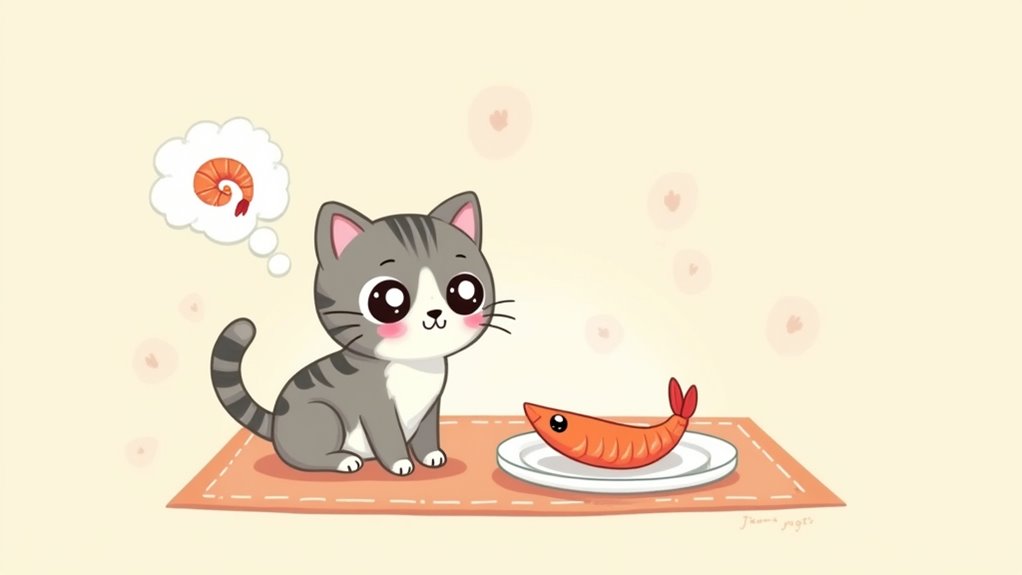
Preparing shrimp for your cat can be easy and safe. Follow these steps to keep your cat healthy.
First, boil or steam the shrimp. This method cooks them fully and kills harmful bacteria.
Next, peel and devein the shrimp. Removing the shells helps with digestion.
Never add salt or spices. These can harm your cat.
Store any leftover shrimp in the refrigerator. If you see discoloration or smell something bad, throw it away.
After cooking, check for small shell pieces. These can be choking hazards.
Serve shrimp as an occasional treat. It should only be about 10% of your cat’s daily food.
These steps help you feed your cat shrimp safely. Always ask your vet for advice on how much to give and how often.
Keep your furry friend happy and healthy!
Nutritional Benefits of Shrimp for Cats
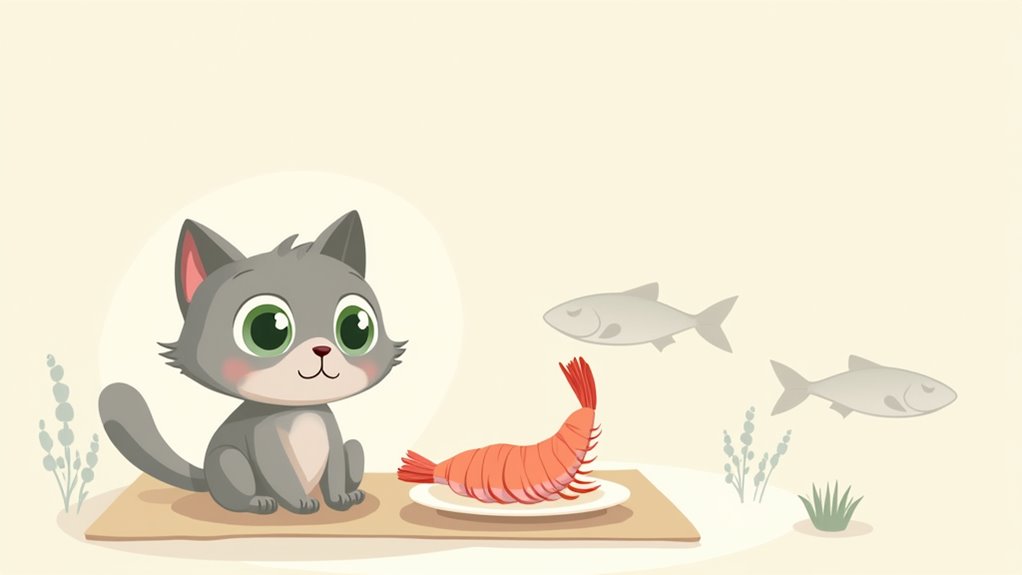
Shrimp is a great protein source for your cat. It helps build strong muscles and keeps your cat healthy. Shrimp is rich in vitamins, especially B12. This vitamin helps make red blood cells. It also supports your cat’s nervous system.
Cats love the taste of shrimp. It’s a tasty treat that many pets enjoy. Just be careful not to give too much. Moderation is important for a balanced diet. Too much shrimp can upset their stomach.
Always cook shrimp before serving. Raw shrimp can be harmful to cats. Cooking shrimp thoroughly eliminates harmful bacteria and parasites. Remove the shell and tails for safety. Your cat will love this special snack!
High Protein Content
High-quality animal protein is essential for your cat’s health. Shrimp is a great source of protein. The protein in shrimp meets your cat’s needs and helps them stay healthy.
Here are some benefits of shrimp protein:
- Muscle growth: It helps build and keep lean muscles.
- Tissue repair: It supports recovery for active and older cats.
- Digestibility: Shrimp protein is easy to digest for cats.
- Immune support: It provides key nutrients for a strong immune system.
Adding shrimp to your cat’s diet maintains their muscle tone. It promotes healthy aging and encourages a balanced diet.
Make sure to serve shrimp safely, so your cat enjoys all the benefits without any risks.
Essential Vitamins Available
Make sure your cat gets enough protein. Shrimp is a great choice. It provides important vitamins and nutrients that help your cat stay healthy.
Key Nutrients in Shrimp:
- Vitamin B12: Helps with red blood cell formation and boosts energy.
- Phosphorus: Supports strong bones and kidney function.
- Selenium: Acts like a shield for the body. It helps the immune system.
- Iodine: Keeps the metabolism running smoothly and supports healthy skin.
- Omega-3 Fatty Acids: Give your cat a shiny coat and help with joint health.
Shrimp can help your cat absorb nutrients better.
Always cook shrimp before feeding it to your cat to avoid any health risks.
Talk to your vet before changing your cat’s diet.
Risks of Overfeeding Shrimp or Seafood to Cats
Shrimp can be a fun treat for your cat. But too much shrimp can lead to problems. Overfeeding shrimp may cause digestive issues. Cats might also have allergic reactions.
Shrimp doesn’t have all the nutrients cats need. Their regular food has important vitamins and minerals. Feeding shrimp too often can create imbalances in their diet.
It’s best to give shrimp as an occasional snack. Make sure it isn’t a regular part of their meals. Keeping their diet balanced is key to their health.
Always remember, moderation is important for happy, healthy cats.
Nutritional Imbalance Risks
Overfeeding your cat shrimp or other seafood can cause serious health issues.
Too much shrimp can upset how nutrients are absorbed. This can lead to an unhealthy balance of amino acids. Here are some risks to consider:
- Too much protein can put stress on your cat’s kidneys. This is especially true for older cats.
- Vitamin deficiencies can happen. A lack of vitamin E is a common concern with too much seafood.
- Mineral imbalances may occur. High phosphorus levels can lead to metabolic problems.
- Obesity risks rise with extra calories. This can harm your cat’s overall health.
To keep your cat healthy, provide a balanced diet. Use commercial cat food that meets their nutritional needs.
Moderation is important!
Digestive Issues Possible
Feeding your cat shrimp or seafood can cause digestive issues. Overeating these treats may lead to vomiting and diarrhea. Some cats have sensitive stomachs and can get upset more easily.
To keep your cat safe, follow these tips:
- Start Small: Give only a few pieces of shrimp at first.
- Watch for Issues: Keep an eye on your cat after feeding.
- Avoid Seasoning: Serve plain, unseasoned shrimp to avoid irritation.
- Ask Your Vet: Always talk to your vet before adding new foods.
Taking these steps can help ensure your cat enjoys treats without health problems.
Allergic Reactions Considerations
Feeding shrimp to cats can cause allergic reactions. This risk is higher if shrimp becomes a regular meal.
Watch for signs like:
- Itching and swelling on their face or belly.
- Bumps, scabs, or sores from scratching.
- Vomiting or diarrhea after eating.
- Serious breathing problems or anaphylaxis.
Cats may develop an immune response to shrimp. Symptoms can range from mild to severe. Chronic skin infections can happen, and anaphylaxis is a serious concern. The more often your cat eats shrimp, the greater the risk.
Always keep an eye on your cat for any changes. Talk to your vet before adding shrimp to their diet. This is especially important if your cat has had food allergies before. It’s better to be safe and keep your furry friend healthy.
Considerations for Cats With Health Conditions
Cats with health issues need careful feeding. Shrimp can be risky for them. Cats with weak immune systems, like those getting treatment for diseases, face higher chances of foodborne illnesses. Raw shrimp may contain harmful bacteria like Salmonella. This can upset their stomach badly.
Allergic Reactions
Some cats might be allergic to shrimp. Signs include vomiting, diarrhea, or itching. It’s important to note that gastrointestinal upset can also occur due to other dietary changes.
Digestive Health
Cats with stomach problems may struggle with shrimp. It’s best to avoid raw shrimp to prevent issues.
Kidney and Urinary Health
Shrimp has sodium and phosphorus. These can put stress on the kidneys. Always ask your vet before giving shrimp. Low-sodium options can be better. Additionally, keep in mind that cats are obligate carnivores, so their diet should primarily consist of meat.
Watch your cat closely for any bad reactions. Always cook shrimp and remove the shell. This helps lower risks. Your vet’s advice is key for your cat’s health.
Guidelines for Feeding Shrimp to Cats Responsibly
To ensure your cat enjoys shrimp safely, follow these important guidelines. First, cook the shrimp well. Cooking kills harmful bacteria. Remove all shells and tails. These can block your cat’s digestive system.
Here are some tips for feeding shrimp to your cat:
- Serve shrimp plain. Don’t add fats or seasonings.
- Treat shrimp as a special snack. It shouldn’t be more than 10% of your cat’s daily calories.
- Adjust portions based on your cat’s age and health.
- Introduce shrimp slowly. Watch for any bad reactions.
Feeding shrimp can be a fun treat for your cat. Just remember to keep it safe and healthy!
Frequently Asked Questions
Can Kittens Eat Shrimp Safely?
Kittens can safely enjoy shrimp when it’s prepared the right way. Cooking shrimp fully is important. Always remove the shells before serving. Offer small portions to your kitten. Shrimp is tasty and gives some nutrition. It should be an occasional treat, not a daily meal. Balance their diet with regular kitten food for health. Always watch for any signs of allergies. Keeping your kitten safe is the most important thing.
How Often Can I Give My Cat Shrimp?
Cats can enjoy shrimp as a tasty treat. Giving shrimp once a week is a good idea. Keep the portion small. Treats should not make up more than 10% of their daily calories. This helps keep their diet balanced and healthy. Always check with your vet before adding new foods. They can give you the best advice for your cat’s needs.
Is Shrimp a Common Allergen for Cats?
Cats can have different reactions to seafood. Shrimp is not a common allergen for cats, but some may still have allergies. It’s important to watch your cat after they eat shrimp. Look for signs like itching, vomiting, or upset stomach. If you notice any of these signs, stop giving shrimp to your cat. Always introduce new foods slowly. This helps you see how your cat reacts. Remember, every cat is unique. What works for one may not work for another.
Can Shrimp Help With My Cat’s Coat Health?
Shrimp can boost your cat’s coat health. It has high protein, which helps nourish the fur. Omega-3 fatty acids in shrimp reduce inflammation. This makes your cat’s coat shinier and healthier. Always cook the shrimp before giving it to your cat. Serve it in small amounts. Too much shrimp can upset their stomach. A little treat can make a big difference in their coat. Keep your cat’s coat looking great with this tasty addition!
What Should I Do if My Cat Eats Raw Shrimp?
Your cat just ate raw shrimp. Stay calm. Watch for any signs of sickness. Look for vomiting or diarrhea. These could mean trouble. Make sure your cat has fresh water to drink. Hydration is important. Contact your vet for help. They can give you the best advice. It’s better to be safe. Keep an eye on your cat for the next few hours. Most cats will be fine, but checking is smart. Your vet can help ensure your cat stays healthy.
Conclusion
Shrimp can be a tasty treat for cats. It has some good nutrients. But raw shrimp can be dangerous. About 25% of raw seafood can have harmful bacteria or parasites. Cooking shrimp helps kill these germs. Always make sure to cook shrimp well and take off the shells.
Watch how much shrimp your cat eats. Too much can cause problems, especially for cats with health issues. Following these simple steps keeps your cat safe and happy. Enjoy sharing shrimp with your furry friend!
