Can Cat Eat

  • Can Cat Eat Dog Food

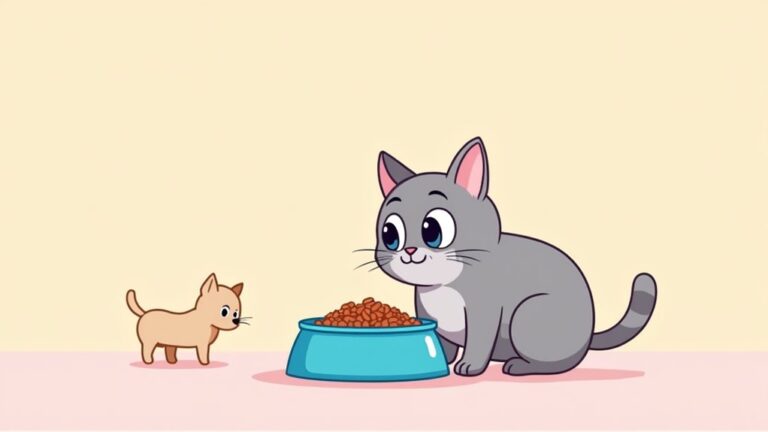
    Cats should not eat dog food regularly. Dog food lacks important nutrients that cats need. Cats require high animal-based proteins, which dog food does not provide. Long-term feeding of dog food can lead to serious health issues. These issues can include heart disease and digestive problems. Occasional bites of dog food may not harm them. Still, keep an eye out for vomiting or diarrhea. Always separate cat food from dog food. If your cat shows signs of digestive distress, consult your vet. Keeping your cat healthy is important.
  • Can Cat Eat Deli Ham

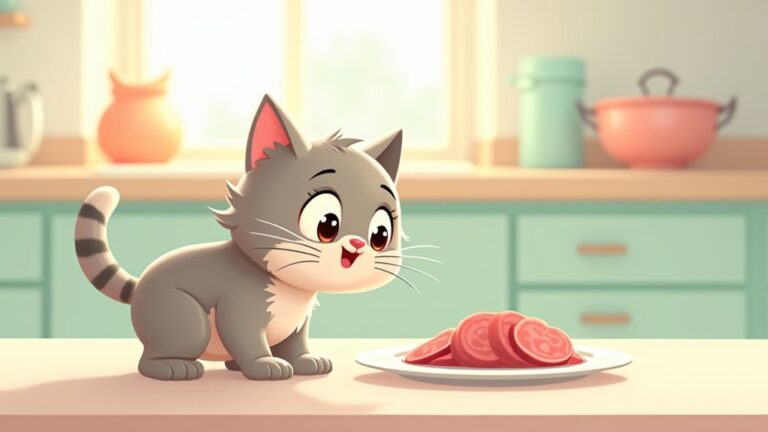
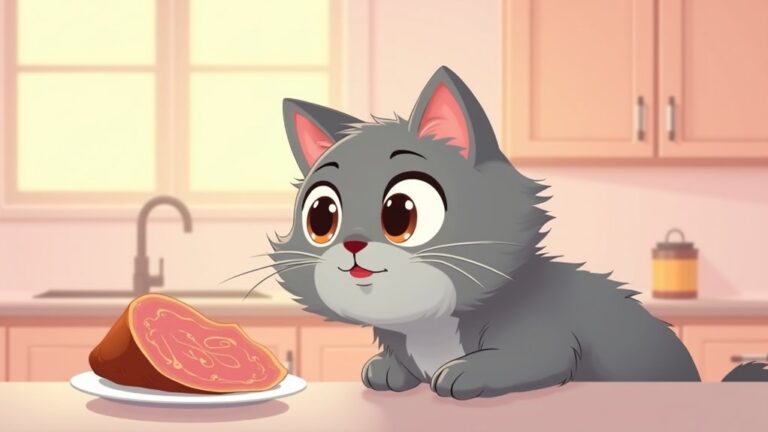
    Feeding your cat deli ham is not a good idea. It has a lot of sodium and fat. Even a few slices can cause problems. Too much sodium can make your cat thirsty or lead to kidney issues. It can even cause sodium poisoning. The fat in ham can upset their stomach, making them vomit or have diarrhea.

    If you want to treat your cat, consider healthier options. Plain chicken or turkey is a better choice. These are lower in sodium and fat. Always give small portions and watch for any signs of trouble. Keeping your cat healthy is important!

  • Can Cat Eat Dairy

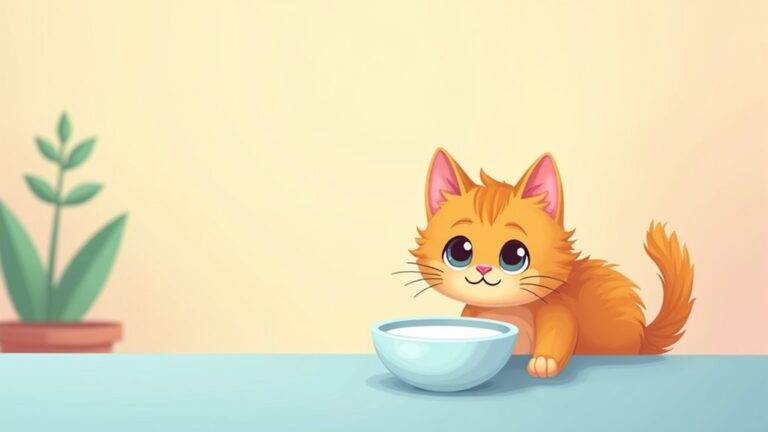
    Cats should not eat dairy. Most cats become lactose intolerant by age one. This means they cannot digest lactose well. Eating dairy can cause serious stomach problems. Cats may have diarrhea, bloating, or gas within 8-12 hours after eating dairy. It can also lead to obesity and other health risks.

    Cats might like the taste of milk because of its fat and protein. But it’s better to give them treats made just for cats. These treats are safe and healthy for their diet. Keep your cat happy and healthy with the right food choices.

  • Can Cat Eat Cucumber

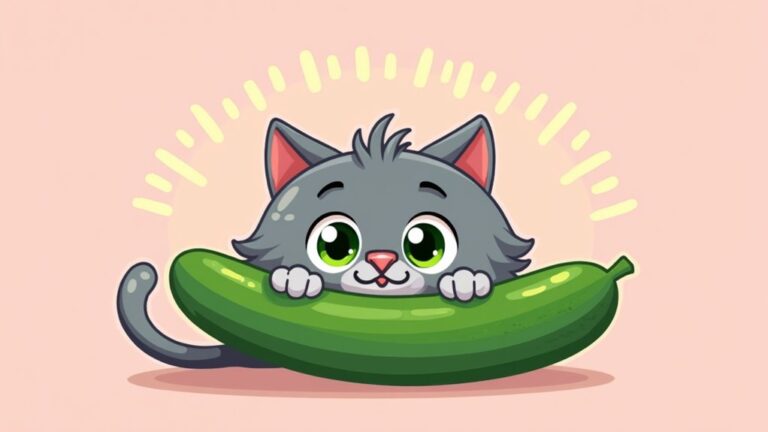
    Cats can eat cucumber safely. It’s important to prepare it the right way. Cut cucumbers into small pieces. This helps prevent choking. Choose organic cucumbers to avoid harmful pesticides. Always wash them well before giving them to your cat.

    Start by offering 1 or 2 small pieces once or twice a week. Watch your cat for any signs of upset stomach or allergies. Some cats may not like the taste. Avoid giving them flavored or pickled cucumbers.

    Keep your cat’s health in mind. Always prioritize safety when introducing new foods.

  • Can Cat Eat Croissants

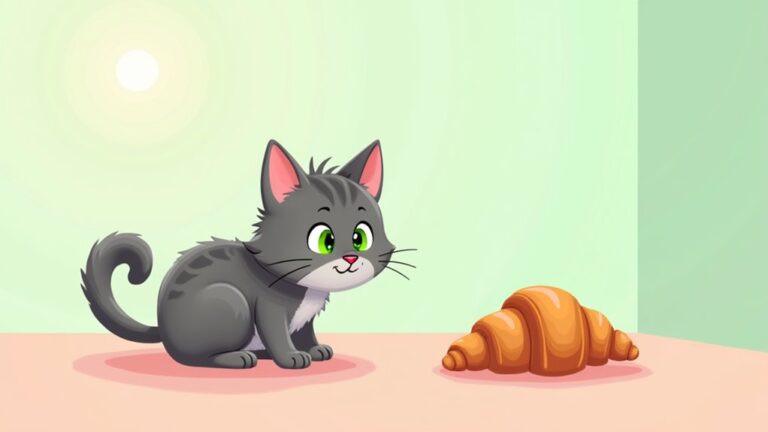
    Cats cannot eat croissants. They are high in calories and fat. A 100-gram croissant has about 414 calories. This high fat content can upset your cat’s stomach. Your cat might vomit or have diarrhea. Lethargy can also happen.

    Croissants contain sugar, butter, and lactose. These ingredients can harm your cat. They may cause allergies or stomach problems. Gluten is another concern.

    It’s best not to share croissants with your cat. Instead, look for safer treats. Many options are healthy and tasty for your feline friend.

  • Can Cat Eat Cranberry

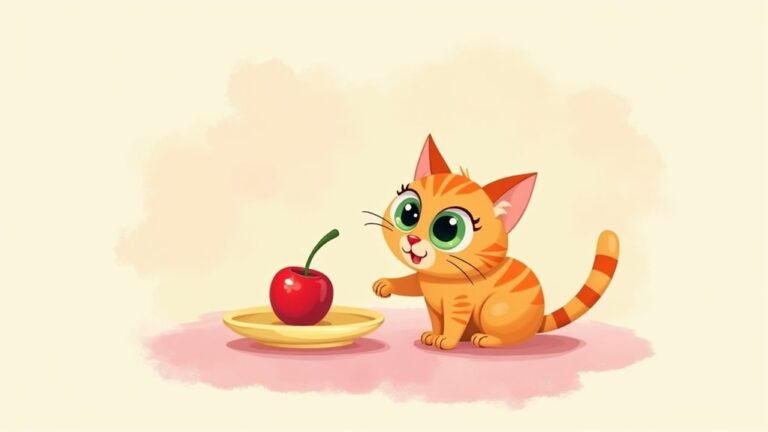
    Cranberries can be a safe treat for your cat. Keep the amount small. Limit their intake to under 25 calories each day. Watch for any stomach issues like vomiting or diarrhea. Offer only plain, chopped cranberries to avoid choking. Cranberries have antioxidants. They may help with urinary health. Yet, some cats might get urinary crystals. Always talk to your vet before adding cranberries to your cat’s diet. This ensures it is safe for your pet’s needs.

  • Can Cat Eat Cottage Cheese

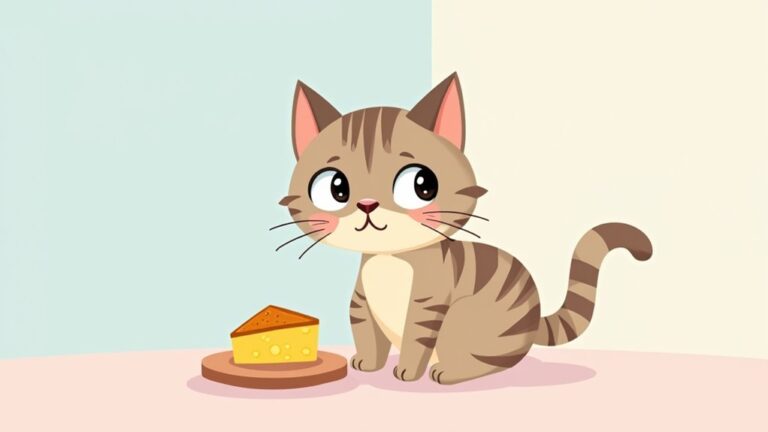
    Cats can eat cottage cheese, but only in small amounts. Many cats have trouble digesting lactose. This can cause diarrhea or vomiting. This usually happens within 8-12 hours after eating. Start with a tiny bit, like half a teaspoon. Make sure the cottage cheese is plain and unsalted. Serve it at room temperature.

    Limit cottage cheese to once or twice a week. This helps prevent stomach issues. Remember, cats need a meat-based diet for the best nutrition. Stick to that for their health. Follow these tips for safe feeding!

  • Can Cat Eat Cornstarch

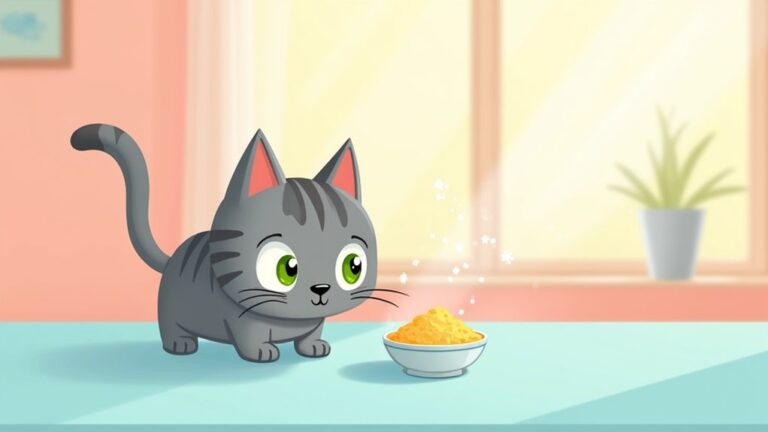
    Cats can eat cornstarch, but it is not a good idea. Cornstarch is safe and non-toxic. Yet, it can upset your cat’s stomach. Sensitive cats may vomit or have diarrhea after eating it. Too much cornstarch can cause bloating and discomfort.

    While cornstarch offers easy carbohydrates, it doesn’t have important nutrients. Cats need meat proteins for a healthy diet. Feeding them cornstarch too often can lead to obesity and other health issues.

    If your cat accidentally eats some cornstarch, keep an eye on them. Watch for any bad reactions. It’s best to keep cornstarch out of their meals.

  • Can Cat Eat Corned Beef

    Corned beef is not safe for cats. It has a lot of sodium, around 827 mg to 1,300 mg for every 3-ounce serving. Too much sodium can cause dehydration, high blood pressure, and heart issues. Corned beef also lacks important nutrients like taurine. Some corned beef may have harmful spices, such as garlic and onion.

    If a cat eats corned beef, watch for signs like vomiting or tiredness. It’s important to call a vet right away if this happens.

    There are better choices for your cat. Plain cooked chicken or fish are safe options. These foods provide the nutrients cats need for good health. Always choose safe and healthy foods for your furry friend.

  • Can Cat Eat Cornbread

    Cats should not eat cornbread. It’s full of carbs and lacks protein, which cats need. Eating cornbread can upset their stomachs. This may lead to vomiting or diarrhea. Some ingredients, like buttermilk, can harm lactose-intolerant cats. Added salt in cornbread is also toxic for them.

    Watch for signs of distress after your cat eats. Lethargy or bloating may happen. If you notice these, contact a vet right away. Always choose balanced cat food for their health.

    There are safer snacks for cats. Fresh meat, small fish, or specially made cat treats are better options. Keep your furry friend healthy and happy!

  • Can Cat Eat Corn on the Cob

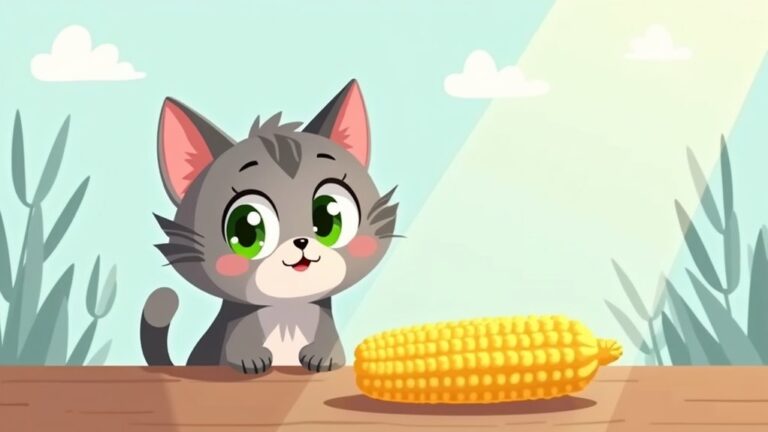
    Corn on the cob is not safe for cats. It can cause choking or blockages in their stomachs. Eating a cob might lead to emergency surgery. Instead, give your cat plain, cooked sweetcorn kernels. Limit it to 1-2 teaspoons each month. Avoid fried corn and cornmeal products. These are hard for cats to digest. Always watch for signs of stomach upset after treats. There are many safer food options for your cat. Keep their diet healthy and balanced.

  • Can Cat Eat Corn Husks

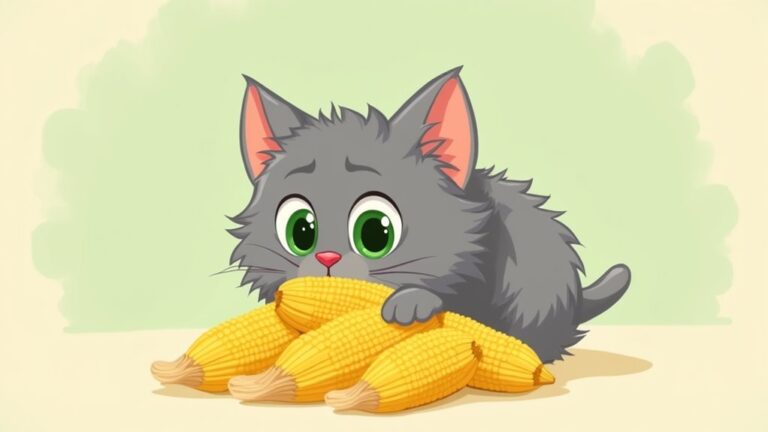
    Corn husks are not safe for cats. They are tough and fibrous, which can cause serious digestive problems. Eating corn husks may lead to vomiting or diarrhea. Small cats are at risk for blockages if they eat them. Watch for signs like gagging or loss of appetite.

    Instead of husks, share small, cooked corn kernels with your cat. Limit treats to a teaspoon once a week. This way, you can keep your furry friend happy and healthy. Always look for safe practices and other treat options for your pet.