Can Cat Eat

  • Can Cat Eat Corn Chips

    Corn chips are not good for cats. They contain high levels of salt and fat. This can cause vomiting and weight gain. Cats need animal protein, not unhealthy carbs and additives. A small amount of corn is safe, but chips are not healthy. Instead, give your cat protein-rich treats or homemade snacks. These options are better for their health. Always choose food that supports their needs. It’s important to keep your feline friend happy and healthy.

  • Can Cat Eat Corn

    Cats can eat corn, but only in small amounts. Cooked corn offers energy and fiber. It does not have important nutrients. Keep servings small—1-2 teaspoons of cooked corn is enough. A few air-popped popcorn kernels, around 3-5, are fine too.

    Avoid giving corn cobs. They can cause choking. Watch your cat for any stomach problems. Signs like vomiting or diarrhea mean you should stop feeding corn. If your cat shows discomfort, talk to your vet for help. Want to learn more about safe foods for cats?

  • Can Cat Eat Coriander

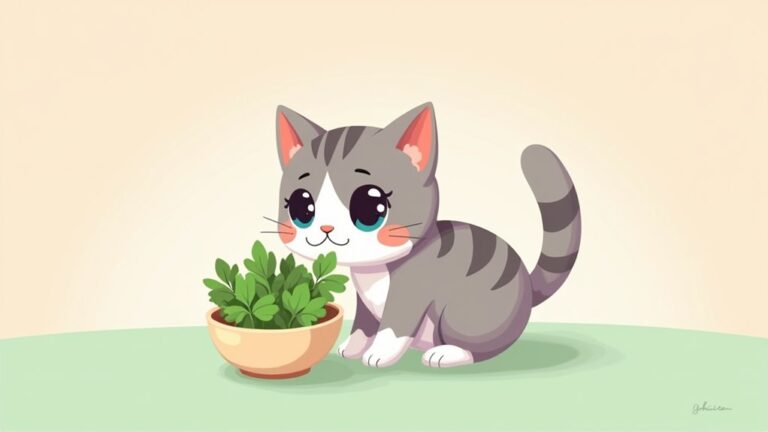
    Cats can eat coriander in small amounts. It’s usually safe for them. Start with 1-2 fresh leaves. Watch how your cat reacts. Avoid dried cilantro; it’s stronger and might upset their stomach. Look for signs like vomiting or diarrhea. Limit servings to once or twice a week. Remember, coriander is not a main food for cats. It’s just a little treat. Curious about how it affects them? Keep reading!

  • Can Cat Eat Cooked Shrimp

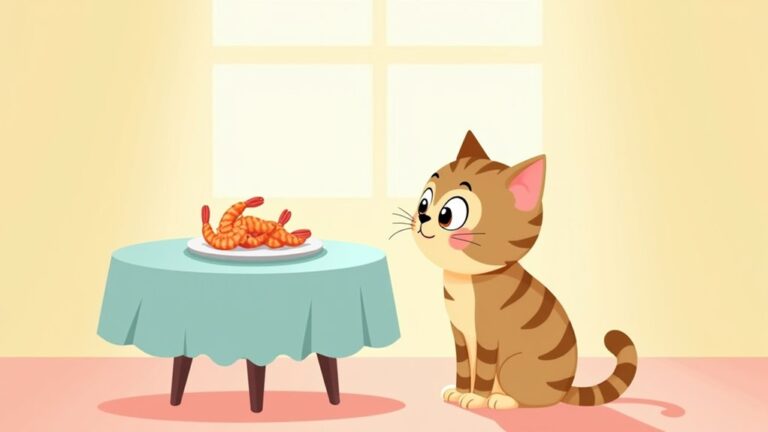
    Cats can eat cooked shrimp. It’s important to prepare it correctly. Boil or steam the shrimp fully. Make sure to remove all shells and veins. Do not add salt or spices. Cut the shrimp into small pieces. This helps prevent choking.

    Treat shrimp as a special snack. It should not make up more than 10% of their daily calories. For most cats, that means about half a jumbo shrimp each week. Watch for any allergies or stomach problems. Always check with your vet for the right serving size and health tips. Shrimp can be a tasty treat, but keep it safe for your furry friend.

  • Can Cat Eat Cooked Salmon

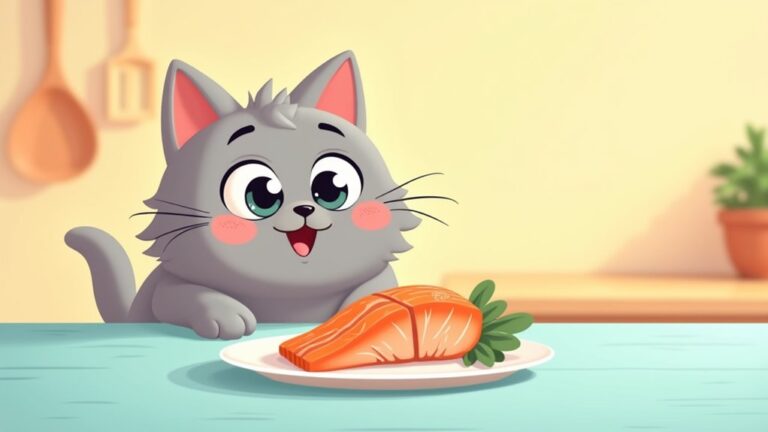
    Cats can eat cooked salmon. It’s healthy for them because it’s high in protein and omega-3 fatty acids. Use safe cooking methods like baking or poaching. Avoid oils and seasonings. Always take out the bones. Serve only small amounts, about one or two bites. This should be done two times a week. Keep salmon under 10% of their total calories. Watch how your cat reacts to it. Learn about safe feeding and possible risks to keep your cat happy and healthy.

  • Can Cat Eat Cooked Rice

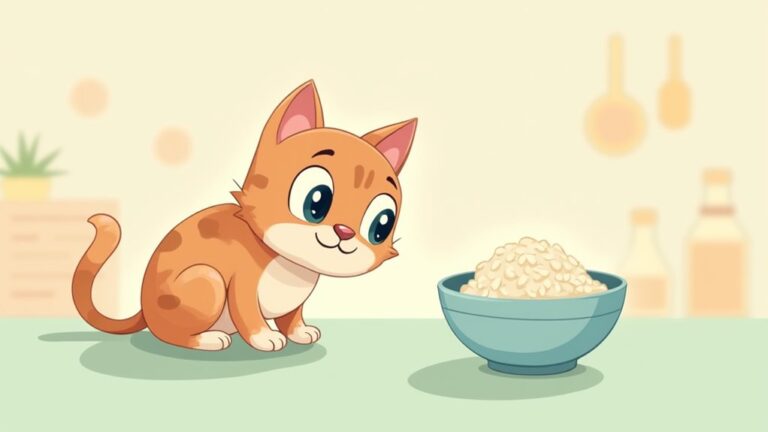
    Cats can eat cooked rice, but only in small amounts. It’s easy on their stomachs and can help with mild tummy troubles. Make sure the rice is plain. No salt or spices should be added.

    Remember, cats need protein. They are obligate carnivores, which means they must eat meat. Rice should not take the place of their regular food. Too much rice can cause weight gain and upset stomachs.

    Always check with your vet before giving rice. This ensures it’s safe for your cat. Proper feeding helps keep your cat healthy and happy. Discover more about feeding your cat the right way!

  • Can Cat Eat Cooked Onions

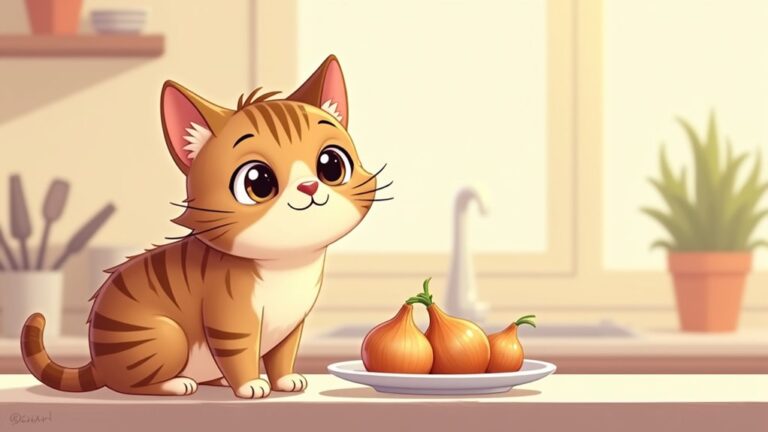
    Cats cannot eat cooked onions. They are toxic to them. Onions have substances that harm red blood cells. This can cause serious anemia. Even a tiny amount, like less than a teaspoon, can be dangerous.

    Symptoms of onion poisoning may show up within 12 hours to five days. Watch for vomiting, diarrhea, and weakness. If you think your cat ate onions, get veterinary help right away. Knowing the risks is important for your cat’s safety. Keep onions away from your pets. Always check food before giving it to them. Your cat’s health depends on it.

  • Can Cat Eat Cooked Eggs

    Cats can eat cooked eggs. They provide high-quality protein, vitamins, and healthy fats. Serve eggs as an occasional treat. Start with small portions based on your cat’s weight. For cats up to 10 pounds, 1 teaspoon is enough. Always cook the eggs fully to avoid bacteria. Watch for any allergic reactions. Scrambled and boiled eggs are both good options. Treat them with care. Eggs can be a tasty snack for your cat.

  • Can Cat Eat Cooked Chicken Bones

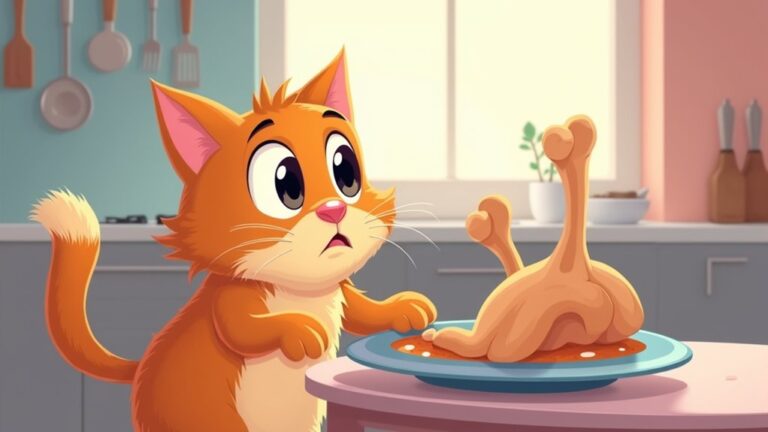
    Cooked chicken bones are not safe for cats. They can break into sharp pieces. These sharp pieces can hurt your cat’s mouth or throat. They can also cause serious problems in the stomach or intestines. Your cat could choke or even bleed inside. This can lead to dangerous situations. If your cat eats cooked bones, call your vet right away.

    Instead of cooked bones, give your cat boneless, skinless chicken. You can also choose safe raw bones. These are better options. They provide good nutrition without the risks. Always think about safe feeding methods for your furry friend.

  • Can Cat Eat Cooked Chicken

    Cats can eat cooked chicken safely. Make sure to boil or bake the chicken without adding any seasoning. Remove the skin and bones. This prevents choking and keeps your cat safe. Cut the chicken into small pieces for easy eating.

    Treats like chicken should only be a small part of their diet. Limit it to about 10% of their daily calories. Always watch for allergic reactions after feeding.

    If you’re not sure about chicken, many other safe foods exist for cats. Researching safe cat diets can help you find the best options. Keep your furry friend healthy and happy!

  • Can Cat Eat Cooked Carrots

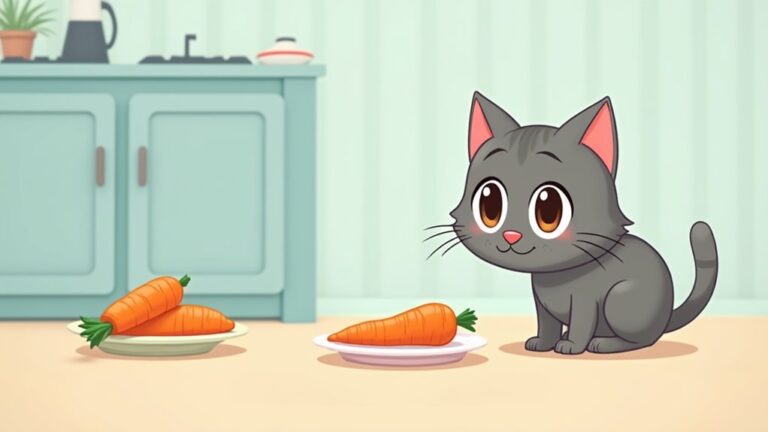
    Cats can eat cooked carrots safely. Cut the carrots into small pieces. Serve them plain and unseasoned. Cook them until they are soft for easy digestion. Remember, carrots should not be more than 10% of your cat’s daily diet. Too many carrots can upset their stomach. It may also cause nutritional imbalances. Always check with your vet before adding new foods. This is especially important for cats with health problems.

  • Can Cat Eat Collard Greens

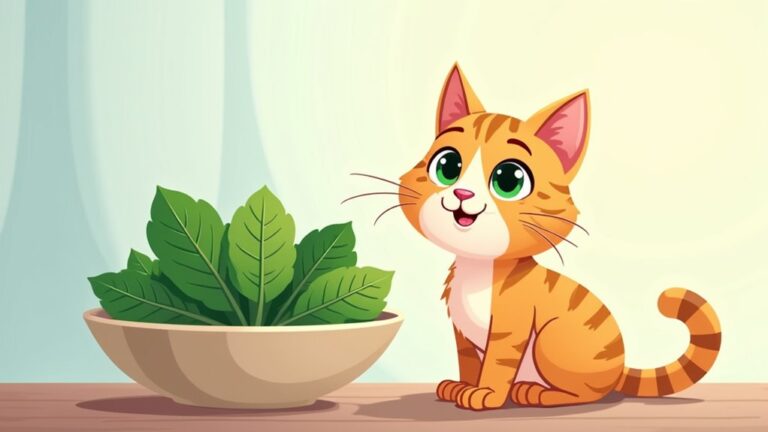
    Cats can eat collard greens, but only in small amounts. These greens are packed with vitamins A, C, and K. They also contain minerals like calcium and magnesium. These nutrients can help keep your cat healthy.

    Be careful of the oxalate levels in collard greens. High levels can cause kidney stones. Always cook and chop the leaves. This makes them easier for your cat to digest. Avoid adding any seasonings.

    Start by giving your cat a tiny piece, like a teaspoon. Watch for any signs of an upset stomach. If your cat enjoys it and has no issues, you can try giving a bit more. Always focus on safe practices and how to prepare greens properly.