cat nutrition

  • Can Cat Eat Celery

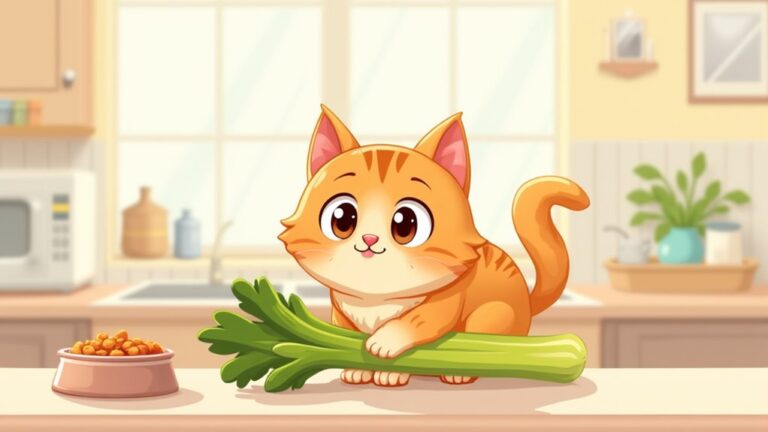
    Cats can eat celery. This crunchy veggie is low in calories and full of water. It can be a refreshing treat for your cat. Cut celery into small pieces. This helps prevent choking. Limit the amount to ¼ cup each week. Watch your cat after eating. Celery has a lot of fiber. Sometimes, this can upset their stomach. Look for signs like vomiting or diarrhea. Stop feeding celery if you see these signs. Always talk to your vet if you have questions. Keep these tips in mind for safe feeding!
  • Can Cat Eat Cauliflower

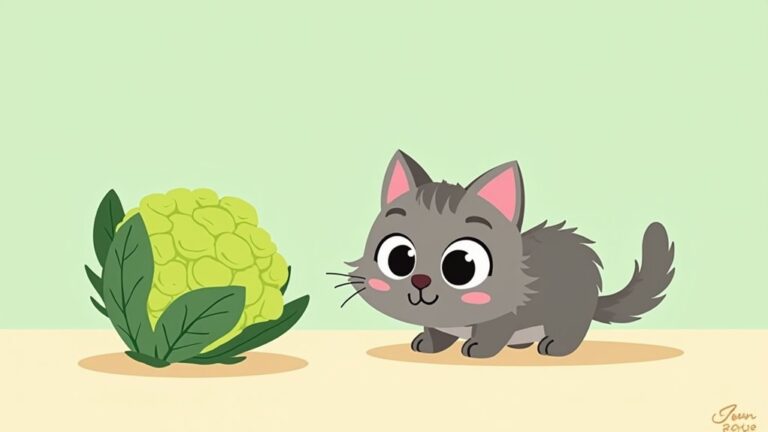
    Cats can eat cauliflower, but only in small amounts. This veggie has fiber and vitamins that can be good for them. Preparation is very important. Steam or boil the cauliflower for about five minutes. Let it cool and cut it into tiny pieces. Do not serve raw or large bits. These can cause choking.

    Limit the servings to twice a week. Too much cauliflower may upset your cat’s stomach. Always watch your cat after giving new food. Look for any signs of discomfort. This way, you can know if they like it or not. Remember to follow these tips for a safe veggie treat!

  • Can Cat Eat Catnip

    Cats can safely eat catnip in small amounts. Most cats love it! Too much catnip can upset their stomachs. This might cause vomiting or diarrhea. It’s best to give your cat a little at first. Limit playtime with catnip to 10-15 minutes. You can use dried catnip on toys or fresh plants. This makes playtime exciting for your furry friend. Watch how your cat reacts. Some cats get very excited, while others might not care at all. Catnip can be fun and help your cat relax. Enjoy discovering the joy of catnip together!

  • Can Cat Eat Cat Grass

    Yes, cats can safely eat cat grass. This grass is non-toxic and provides health benefits. It contains vitamins A, B, and C. Plus, it has fiber that helps with digestion and hairballs. Make sure the grass is free from chemicals. Always throw away any moldy parts. Watch your cat’s eating habits. Overeating may mean there are dietary issues. If your cat keeps vomiting, see a vet. Want to know how to grow and use cat grass? It’s easy!

  • Can Cat Eat Carrot

    Cats can eat carrots, but do it in moderation. Carrots have benefits like beta-carotene. This helps cats make vitamin A. Always cook carrots before giving them to your cat. Raw carrots can cause choking. Cut cooked carrots into tiny pieces, no bigger than peas. Limit carrot servings to 5 grams. Keep the total daily intake under 2 ounces. Too many carrots can upset your cat’s stomach. Treat carrots as an occasional snack. Enjoy exploring more tips below!

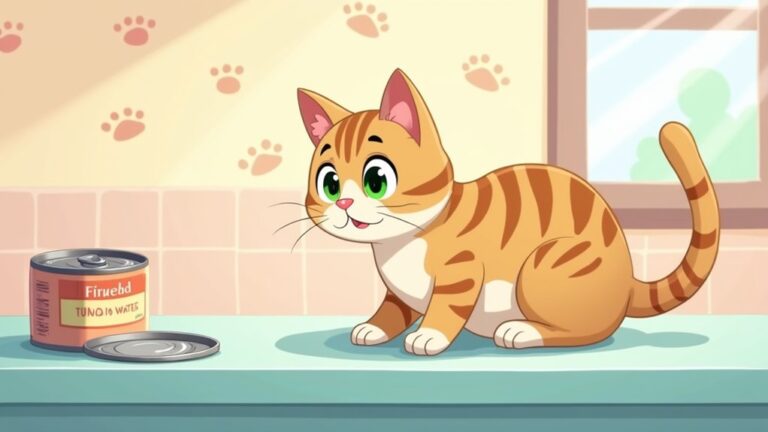
  • Can Cat Eat Canned Tuna in Water

    Cats can enjoy canned tuna in water, but it should be given in small amounts. Limit it to just 1-2 teaspoons once or twice a week. Tuna does not have all the nutrients cats need. Too much can cause obesity or mercury poisoning. Always choose chunk light or skipjack tuna packed in water. Check the label for no added ingredients. After giving your cat tuna, watch their weight and health. This helps keep their diet balanced. Learn more about safe foods for your furry friend.

  • Can Cat Eat Butternut Squash

    Cats can eat butternut squash safely. Start with small amounts. Limit this to about 1-2 tablespoons a day, which is 2% of their diet. Cook the squash until it is soft. Raw squash can upset their stomachs. Always remove the skin and seeds before serving.

    Mix the squash with wet food. This can help if your cat is a picky eater. Butternut squash has fiber and adds hydration. Be careful, as it may cause stomach issues. Always check with your vet, especially if your cat is diabetic. Follow these tips for a healthy treat!

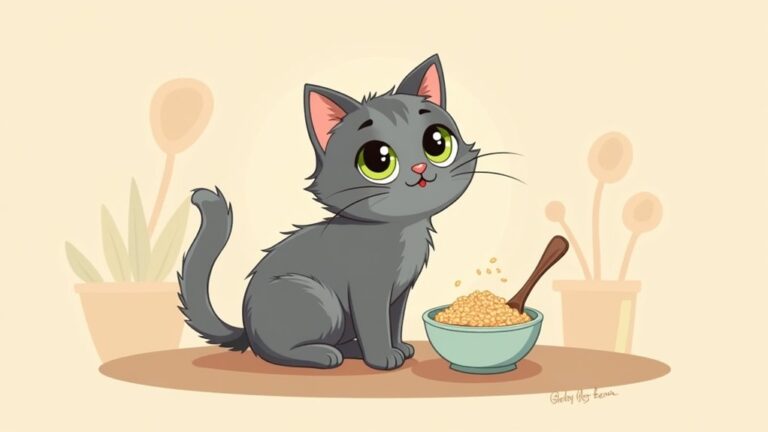
  • Can Cat Eat Brown Rice

    Cats can eat brown rice, but only in small amounts. It can be a treat, not a meal. Cats need animal protein as their main food. Brown rice gives some quick energy and fiber. This can help with digestion. But too much brown rice can cause gas, bloating, or diarrhea.

    Serve less than a tablespoon of cooked brown rice each week. Make sure it’s plain, with no spices. Mixing brown rice with lean meats can give better nutrition.

    If your cat has stomach issues or allergies, ask your vet for advice. Always keep your cat’s health in mind. There are many safe food options for your furry friend.

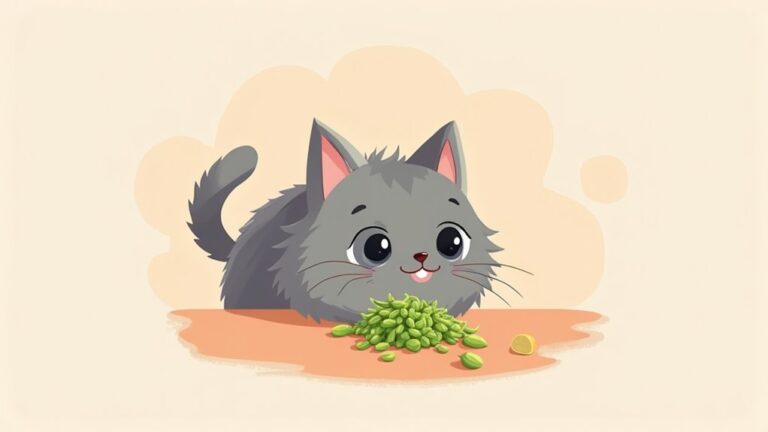
  • Can Cat Eat Bean Sprouts

    Cats can eat bean sprouts. These sprouts have good nutrients like vitamins C, calcium, and iron. Cook the sprouts to kill harmful bacteria like *Salmonella* and *E. coli*. Start by giving your cat just ½ teaspoon once a week. Do not let bean sprouts make up more than 10% of their diet. Watch for allergic reactions, such as itching or stomach issues. Cooking makes the sprouts safer and easier for cats to digest. Keep reading for safe varieties and feeding tips!

  • Can Cat Eat Asparagus

    Cats can eat asparagus, but only in small amounts. Always offer safe asparagus, like Asparagus officinalis. Avoid the toxic asparagus fern, known as Asparagus densiflorus. Too much asparagus can upset your cat’s stomach. It may cause vomiting or diarrhea. Cooking the asparagus makes it easier for cats to digest. Asparagus can also change a cat’s urine pH. This is not good for cats with urinary issues. Watch how your cat reacts to asparagus. Learn more about safe treats for your furry friend.

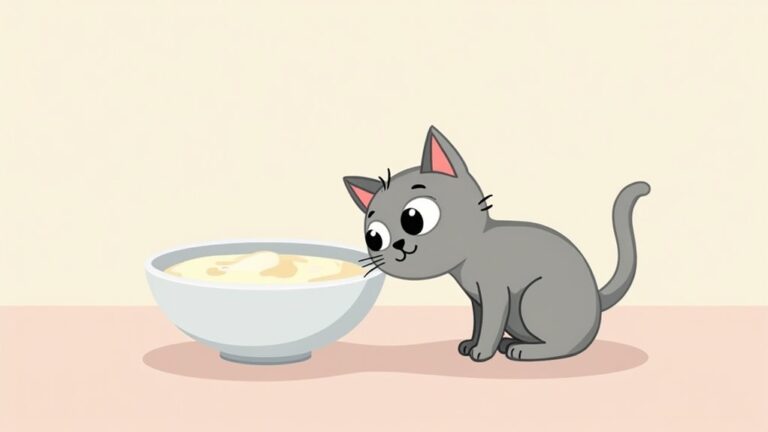
  • Can Cat Eat Almond Milk

    Almond milk is not toxic to cats, but it can upset their stomachs. It may cause diarrhea or vomiting. Cats need certain nutrients that almond milk does not provide. It only has about 1 gram of protein per cup, which is not enough for them.

    If you want to give your cat almond milk, start with just a teaspoon. Watch how they react. Keep treats like almond milk to 4-10% of their daily calories. This way, you can keep your cat healthy and happy. It’s important to know the risks and benefits of what you feed your pet.

  • Can Cat Eat Brown Rice

    Cats can eat brown rice, but only in small amounts. It should not replace their meat-based diet. Brown rice provides some fiber and vitamins. However, it’s tough for cats to digest. Serve only a few teaspoons of well-cooked, plain brown rice. This helps avoid gas or diarrhea. Always watch your cat for signs of discomfort. Incorporating brown rice safely can be done with care.