Author: Juliaa

Hi, I’m Juliaa, the voice behind Our-Cats.com. I’ve always been a cat lover, and over the years, my home has become a lively mix of cats, kids, and a soundtrack of Taylor Swift. I truly live and breathe cats. I started this blog to share what I’ve learned about caring for cats, from grooming tips and health advice to product reviews and breed insights. My goal is simple: to make life with cats easier, happier, and more fun for fellow cat parents. When I’m not writing or chasing after my cats, you’ll probably find me enjoying time with family or curled up with a book—always with a purring cat nearby.
  • Can Cat Eat Artichoke

    Cats can eat artichokes, but be careful. Artichokes have a lot of fiber. This can upset your cat’s stomach. It might cause vomiting or diarrhea. Only give your cat small pieces of cooked artichoke hearts. Make sure there are no seasonings. Watch for signs of discomfort after they eat. Limit this treat to less than 10% of their daily food. Curious about other safe foods for cats? There’s plenty to learn!

  • Can Cat Eat Apricots

    Cats can eat apricots, but you need to be careful. Remove all pits, stems, and leaves. These parts can be toxic and cause cyanide poisoning. This can lead to serious problems like vomiting or trouble breathing.

    Only give your cat a tiny piece of the fruit. A piece the size of a pinky nail is best. Remember, cats need a diet mainly made of meat. Apricots should only be a small treat. Always prioritize your cat’s health and safety.

  • Can Cat Eat Aloe Vera

    Aloe vera is not safe for cats. It is toxic and can cause serious health issues. Vomiting and diarrhea are common symptoms after ingestion. Cats may also show signs of tremors or irritability. The harmful compounds in aloe vera are saponins and anthraquinones. Even a tiny amount can lead to big problems.

    If a cat eats aloe vera, contact a vet right away. Quick action is important to avoid complications. Keep aloe plants out of your cat’s reach. Look for safer plants to have in your home. Understanding the dangers of aloe vera can help keep your cat safe.

  • Can Cat Eat Almond Milk

    Almond milk is not toxic to cats, but it can upset their stomachs. It may cause diarrhea or vomiting. Cats need certain nutrients that almond milk does not provide. It only has about 1 gram of protein per cup, which is not enough for them.

    If you want to give your cat almond milk, start with just a teaspoon. Watch how they react. Keep treats like almond milk to 4-10% of their daily calories. This way, you can keep your cat healthy and happy. It’s important to know the risks and benefits of what you feed your pet.

  • Can Cat Eat Almond

    Almonds are not safe for cats. They can cause serious health problems. Eating almonds can lead to toxicity and digestive issues. Bitter almonds have cyanide, which is harmful even in small amounts. Whole almonds can block a cat’s intestines or cause choking, especially in smaller cats.

    Almonds are high in fat. This can make your cat vomit or cause pancreatitis. Cats need meat for proper nutrition. Almonds do not offer any value to them.

    Choose meat-based treats for your furry friend. Keep them safe and healthy!

  • Can Cat Eat Beans

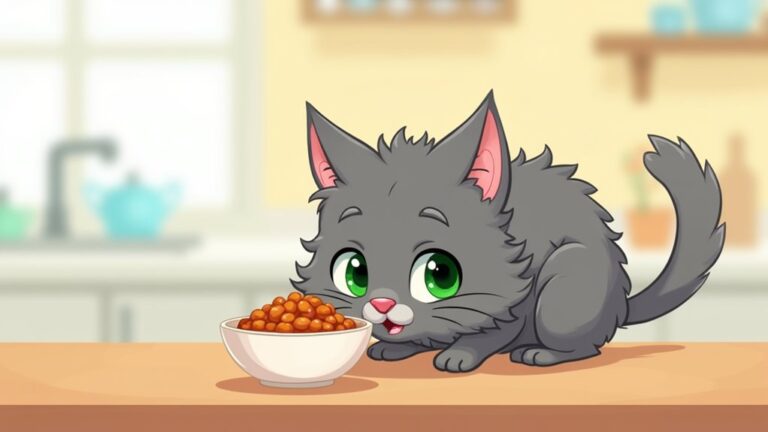
    Cats can eat some types of beans safely. Be careful with beans, though. Raw kidney beans are toxic. They can make your cat vomit or have diarrhea. Safe options include well-cooked green beans and pinto beans. Serve them plain, without any seasoning. Limit the amount to less than a tablespoon. Offer beans once or twice a week to prevent stomach issues. Always check with your vet before changing your cat’s diet. Remember, your cat’s health is important.

  • Can Cat Eat Chocolate

    Cats cannot eat chocolate. It is very dangerous for them. Chocolate has theobromine, which cats cannot digest. Just a small amount can be harmful. Only 200 mg per kilogram of a cat’s weight can cause problems.

    Signs of chocolate poisoning include vomiting, diarrhea, fast heart rate, and muscle tremors. These symptoms may show up within 6 to 12 hours after eating chocolate.

    If your cat eats chocolate, call a vet right away. Quick action can save your cat’s life. To keep your pet safe, always store chocolate out of their reach. Protect your furry friend and keep them healthy.

  • Can Cat Eat Brown Rice

    Cats can eat brown rice, but only in small amounts. It should not replace their meat-based diet. Brown rice provides some fiber and vitamins. However, it’s tough for cats to digest. Serve only a few teaspoons of well-cooked, plain brown rice. This helps avoid gas or diarrhea. Always watch your cat for signs of discomfort. Incorporating brown rice safely can be done with care.

  • Can Cat Eat Bread

    Cats should not eat bread. It can be harmful. Bread may cause bloating or even intestinal problems. Some types of bread contain dangerous ingredients like onions or garlic. Cats are meat eaters. They need protein, not carbs. Bread has no real nutrients for them. Feeding bread to cats can lead to obesity and stomach issues. Instead, give them treats made just for cats. These treats provide important nutrients. Always check with a vet about your cat’s diet. Learn about safe foods for your furry friend.

  • Can Cat Eat Bologna

    Feeding your cat bologna is not a good idea. Bologna contains high fat and salt. This can cause serious health problems for your cat. It may lead to obesity or heart issues. Bologna also has harmful additives like garlic and onion powder. These can cause anemia in cats. Even a small piece can upset your cat’s stomach. This may result in vomiting or diarrhea.

    Instead, choose safe treats. Lean meats like plain chicken or turkey are better options. These meats are healthier and easier on your cat’s stomach. Always monitor your cat after trying new foods. Keep an eye out for any strange behavior or symptoms.

    Want to know more about safe cat treats? There are plenty of healthy options available. Stick to simple and natural foods for your furry friend. Your cat will thank you for it!

  • Can Cat Eat Boiled Chicken

    Cats can eat boiled chicken, and it’s a tasty treat. Use skinless chicken breast and boil it for 15 to 20 minutes. Make sure the chicken is fully cooked and has no bones. Bones can splinter and hurt your cat. Cut the chicken into small pieces for easy eating. Avoid adding any seasonings like garlic or onion, as these can be harmful.

    Boiled chicken is a good source of protein and important nutrients. It can be a nice addition to your cat’s diet but should not replace regular cat food. Limit the chicken to about 2 tablespoons each day. This keeps your cat’s diet balanced. Offering chicken as a treat can help keep mealtime exciting!

  • Can Cat Eat Blueberries

    Cats can eat blueberries, but only in moderation. Blueberries have antioxidants and fiber. These help your cat’s immune system and digestion. Start by giving your cat one or two blueberries, washed and cut. This prevents choking. Offer blueberries once or twice a week.

    Watch for any signs of an upset stomach or allergies. If your cat has an unusual reaction, talk to your vet. There are many safe fruits for cats, but some can be harmful. Always check if a fruit is safe before sharing it with your feline friend.