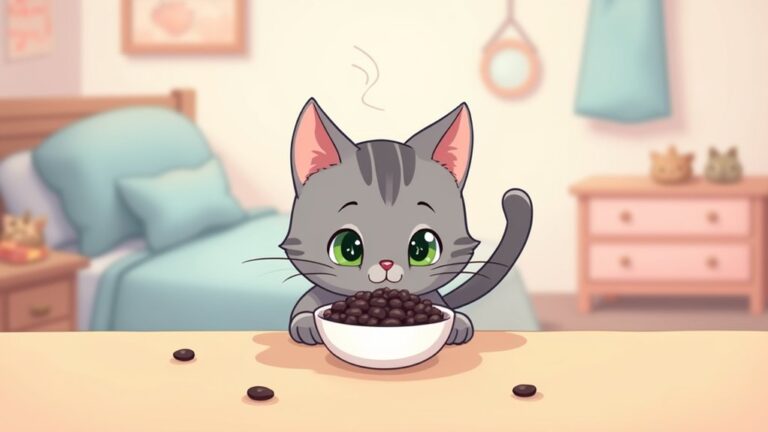
Can Cat Eat

  • Can Cat Eat Boiled Chicken

    Cats can eat boiled chicken, and it’s a tasty treat. Use skinless chicken breast and boil it for 15 to 20 minutes. Make sure the chicken is fully cooked and has no bones. Bones can splinter and hurt your cat. Cut the chicken into small pieces for easy eating. Avoid adding any seasonings like garlic or onion, as these can be harmful.

    Boiled chicken is a good source of protein and important nutrients. It can be a nice addition to your cat’s diet but should not replace regular cat food. Limit the chicken to about 2 tablespoons each day. This keeps your cat’s diet balanced. Offering chicken as a treat can help keep mealtime exciting!


  • Can Cat Eat Blueberries

    Cats can eat blueberries, but only in moderation. Blueberries have antioxidants and fiber. These help your cat’s immune system and digestion. Start by giving your cat one or two blueberries, washed and cut. This prevents choking. Offer blueberries once or twice a week.

    Watch for any signs of an upset stomach or allergies. If your cat has an unusual reaction, talk to your vet. There are many safe fruits for cats, but some can be harmful. Always check if a fruit is safe before sharing it with your feline friend.

  • Can Cat Eat Blackberries

    Cats can eat blackberries, but do so carefully. Start with 2-3 fresh blackberries. Offer them once or twice a week. Always wash the berries well. Cut or mash them to help prevent choking. Watch for any signs of allergies or stomach problems. Too much fiber or sugar can upset their tummy. Small portions help you check how well your cat tolerates them. Blackberries have vitamins, but moderation is key. Enjoy sharing this treat with your furry friend!

  • Can Cat Eat Black Pepper

    Black pepper is not safe for cats. It can cause serious harm. Even a little bit can upset their stomach. This might lead to vomiting or diarrhea. Signs of trouble include drooling or pawing at their mouth. Some cats may even have trouble breathing, like coughing.

    Long-term exposure to black pepper can damage their kidneys. It may also interfere with their medications. To keep your cat safe, store black pepper out of reach. Never share your spicy meals with them. Protect your furry friend from this common spice.

  • Can Cat Eat Black Beans

    Cats can eat black beans, but do it carefully. Black beans have protein and fiber. They don’t give all the nutrients your cat needs. Too many beans can upset your cat’s stomach. It can cause gas or even allergies. Serve only plain, well-cooked beans. Give small amounts, like one tablespoon once or twice a week. Always watch your cat after feeding beans. There are other safe beans for cats too. It’s good to know what options you have.

  • Can Cat Eat Berries

    Cats can eat some berries. Blueberries, blackberries, and strawberries are safe in small amounts. These fruits provide vitamins that are good for cats. Limit servings to 2-3 small berries or ½ to 1 berry for smaller cats. Always use fresh, chopped, and pesticide-free berries. This helps prevent choking.

    Some fruits are not safe for cats. Avoid grapes and citrus fruits. Watch your cat for any bad reactions when you add berries to their diet. Want to know the best ways to serve berries? Keep reading for more tips!

  • Can Cat Eat Bell Peppers

    Cats can eat bell peppers in small amounts. These vegetables are safe and provide hydration and vitamins. Always avoid the stems and leaves. They are toxic and can cause vomiting or diarrhea. Start with tiny, cooked pieces to avoid stomach upset. Snacks should make up less than 10% of your cat’s daily calories. Always talk to your vet before trying new foods. Watch for any signs of allergies. Fresh foods can help keep your cat healthy and happy!

  • Can Cat Eat Broccoli

    Cats can eat broccoli. Start with a small piece, like your fingernail. Watch for any bad reactions, such as gas or diarrhea. Steamed or blanched broccoli is easier for them to digest. Limit it to one teaspoon of cooked broccoli once or twice a week. This helps avoid tummy troubles. Always check with your vet before adding new foods. This is especially important if your cat has health issues. Broccoli can be a fun treat for your cat. Just be careful and watch how they react.

  • Can Cat Eat Banana

    Cats can eat bananas, but do it carefully. Bananas are not toxic to cats. Cut the banana into tiny pieces, no bigger than a pinky nail. Start with a piece the size of a pea. You can mash it to make it easier. Watch your cat for any bad reactions for the next 24 to 48 hours.

    Bananas should not replace cat food. They are high in sugar and can cause obesity. Always prioritize a balanced diet for your cat. Treats like bananas should be just a small part of their meals. Keep your cat healthy and happy!

  • Can Cat Eat Avocado

    Cats can eat a little avocado, but it’s not without risks. Avocado has something called persin. This can upset a cat’s stomach. It may cause vomiting or diarrhea. While serious problems are rare, it’s important to be cautious. Always keep the peel and pit away from your cat. A small piece of avocado flesh, about a tablespoon, is safe. Offer it only sometimes. Watch for signs of sickness after giving any avocado. If your cat seems unwell, contact a vet right away. There are many safer treat options for your furry friend. Always prioritize their health and well-being.

  • Can Cat Eat Apples

    Cats can eat apples, but be careful. Always remove the seeds, stems, and leaves first. These parts have cyanide, which is toxic to cats. Offer only small slices, once or twice a week. Too much apple can upset their tummy.

    Watch your cat after giving them apple. Look for signs like vomiting or diarrhea. Apples should be a tiny part of their diet. Focus on balanced meals for your cat. Many other treats are safe and healthy too. Always prioritize their health and happiness.

  • Can Cat Get Sick From Eating a Mouse

    Cats can get sick from eating mice. Mice can carry harmful parasites like *Toxoplasma gondii* and roundworms. These parasites may cause vomiting, weight loss, and serious illnesses. Mice also carry bacteria like Salmonella, which can lead to diarrhea and fever. Besides health risks, eating mice can create physical dangers. Your cat might choke or suffer from digestive blockages.

    Watch for unusual symptoms in your cat. Common signs include loss of appetite or lethargy. Keeping your cat safe is important. Regular vet check-ups can help catch any health issues early. Feed your cat a balanced diet to reduce their urge to hunt. Stay informed about your cat’s health to keep them happy and safe.